




Top 8 Most Common Mushrooms in Tamaki

Most Common Mushrooms
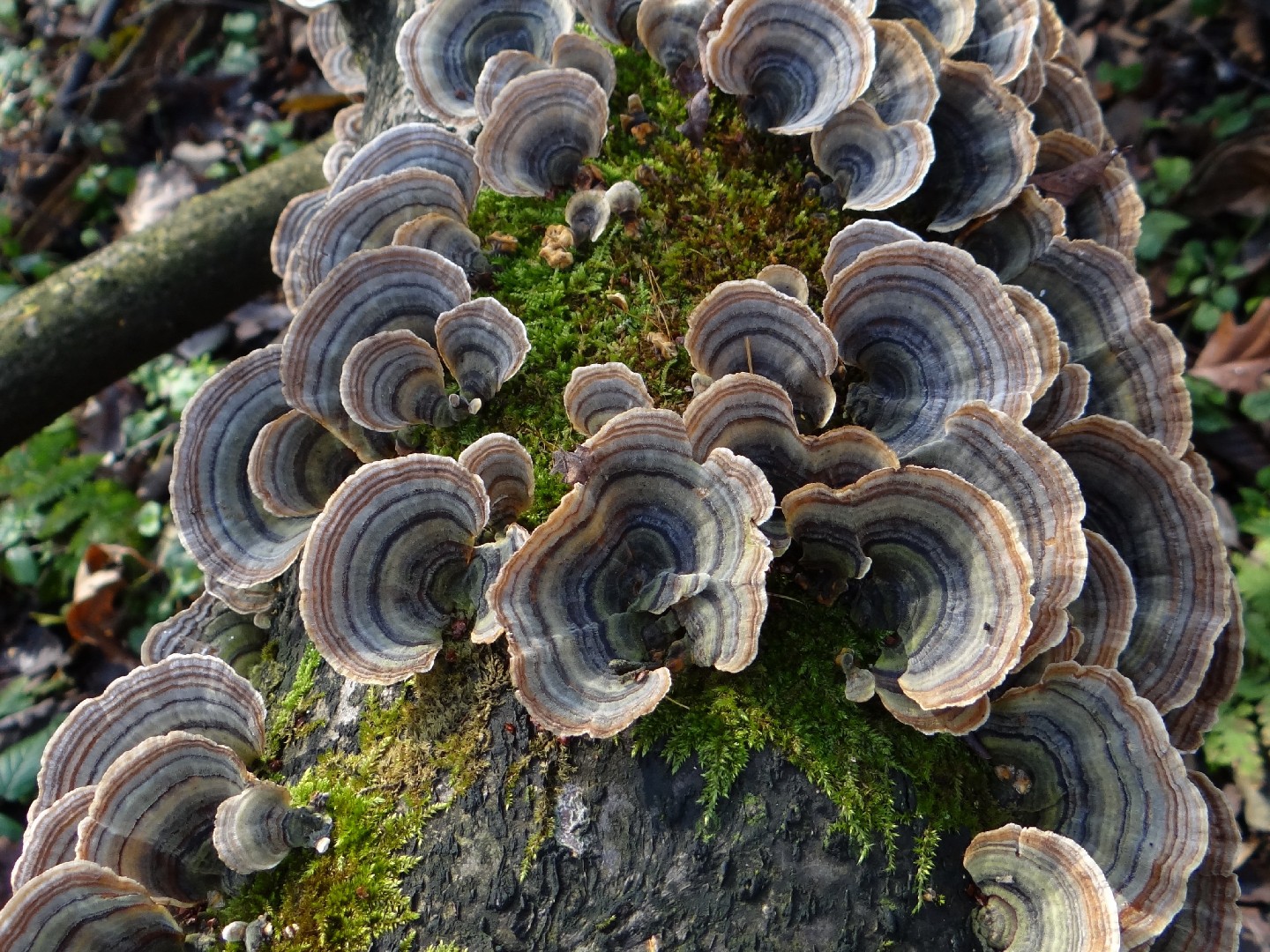
1. Turkey tail
The distinctively-striped turkey tail fungus grows on stumps and logs all over the forests of the northern hemisphere. It is, in fact, probably the most common species you will find. That doesn't mean this mushroom is plain, however; each cap is uniquely patterned. Look for bands of alternating textures as well as color.
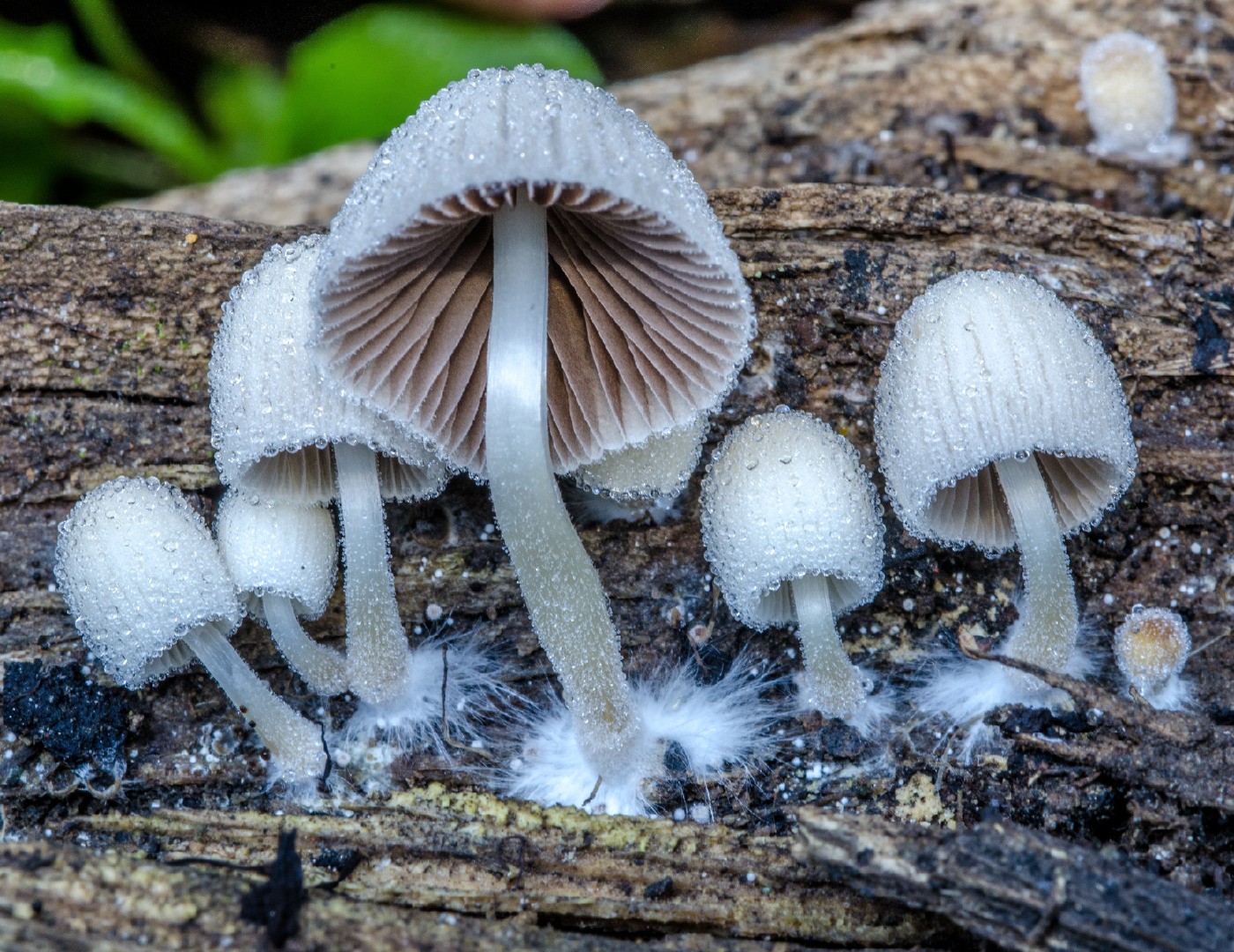
2. Fairy inkcap
The mushrooms of the fairy inkcap species have a tendency to congregate in large masses over dead tree stumps and decaying roots. They appear all around the world from early spring all the way to the first frosts, but each fruit only lasts a few days before turning black and distributing its spores.
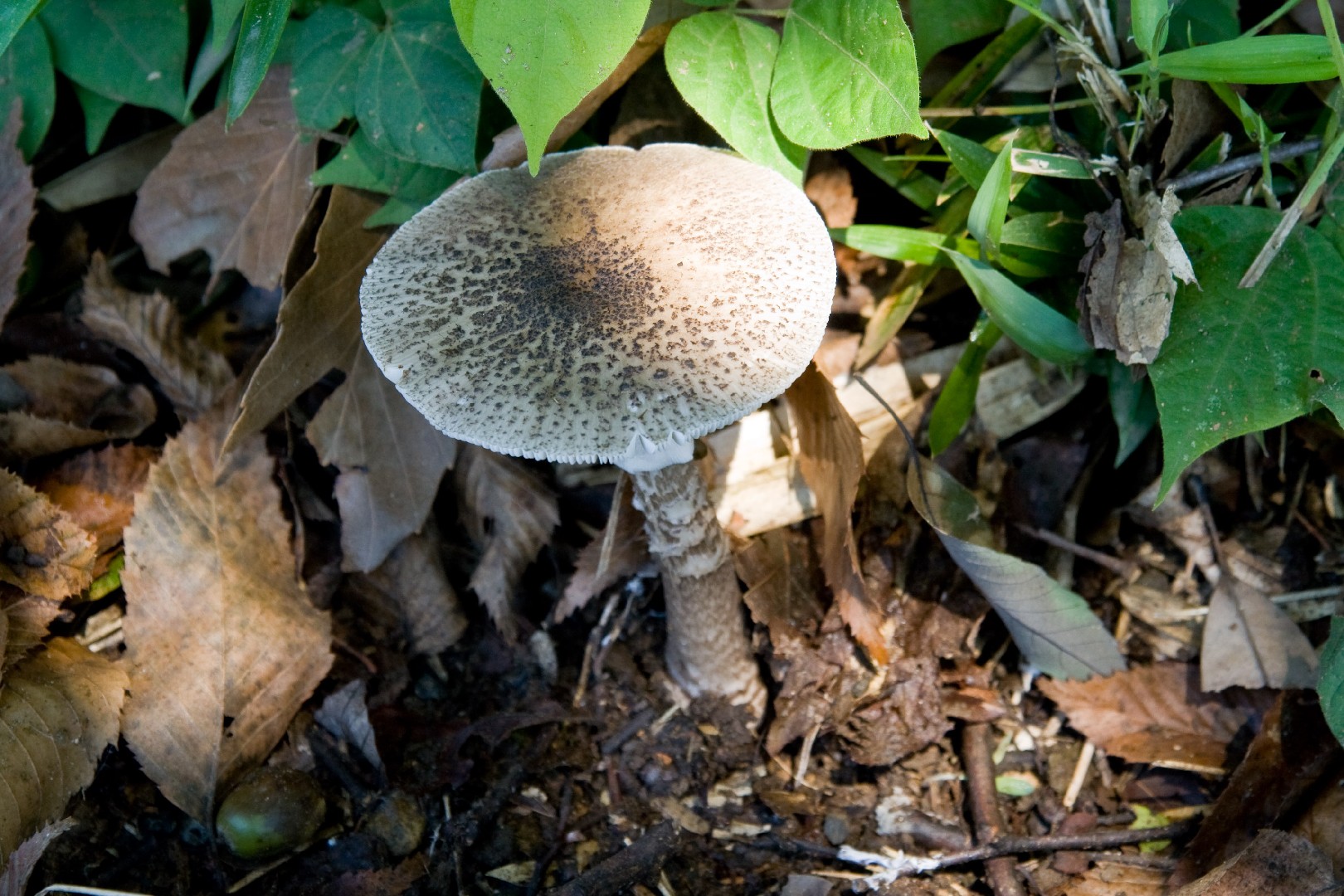
3. Amanita spissacea
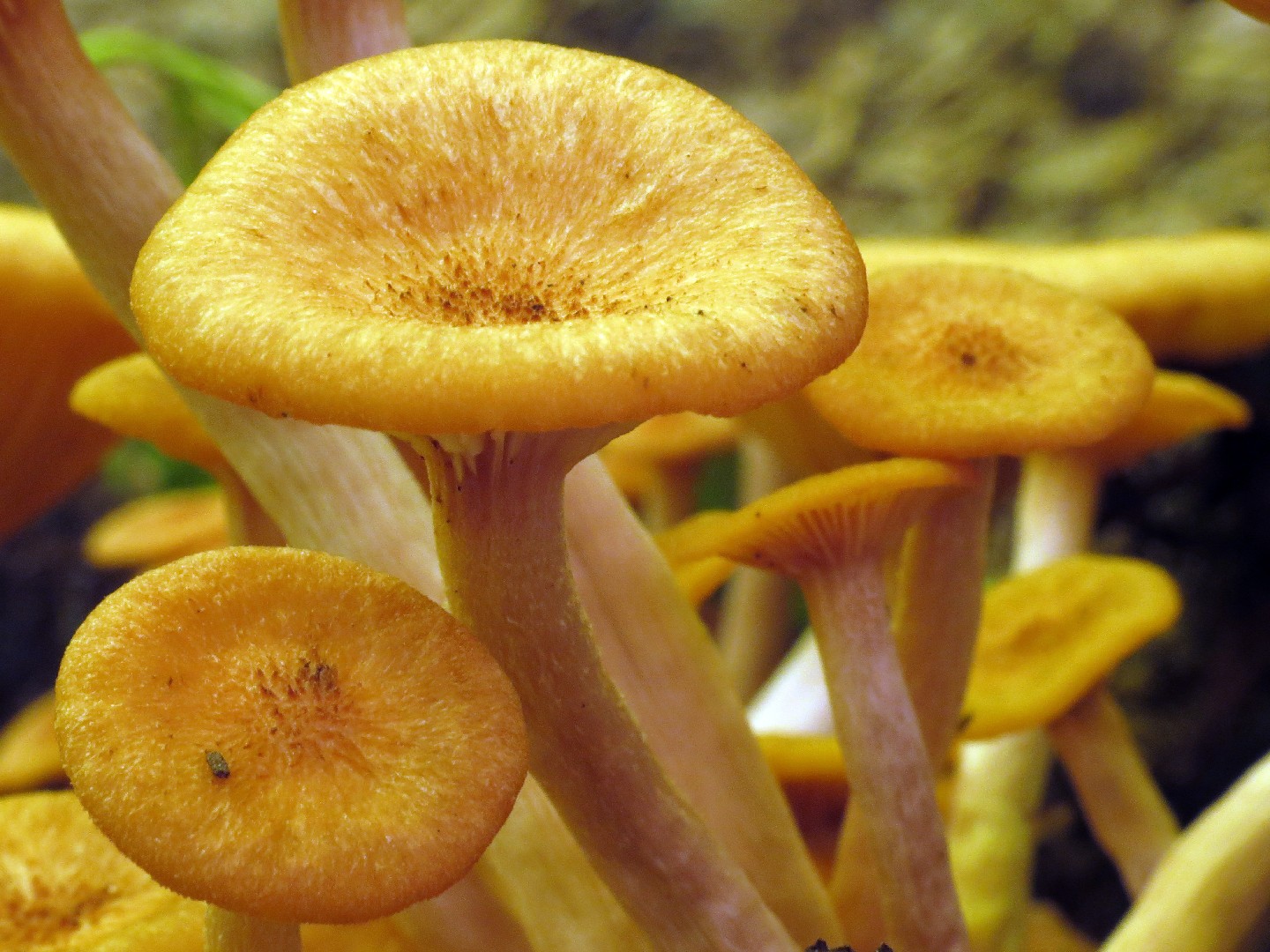
4. Ringless honey mushroom
The appearance of ringless honey mushroom can mimic other honey mushrooms. However, those other mushrooms have a ring, which is a circle of flesh around the mushroom's stem that this mushroom lacks. Ringless honey mushroom is a decomposer of wood with a particular preference for the deadwood from oak trees.
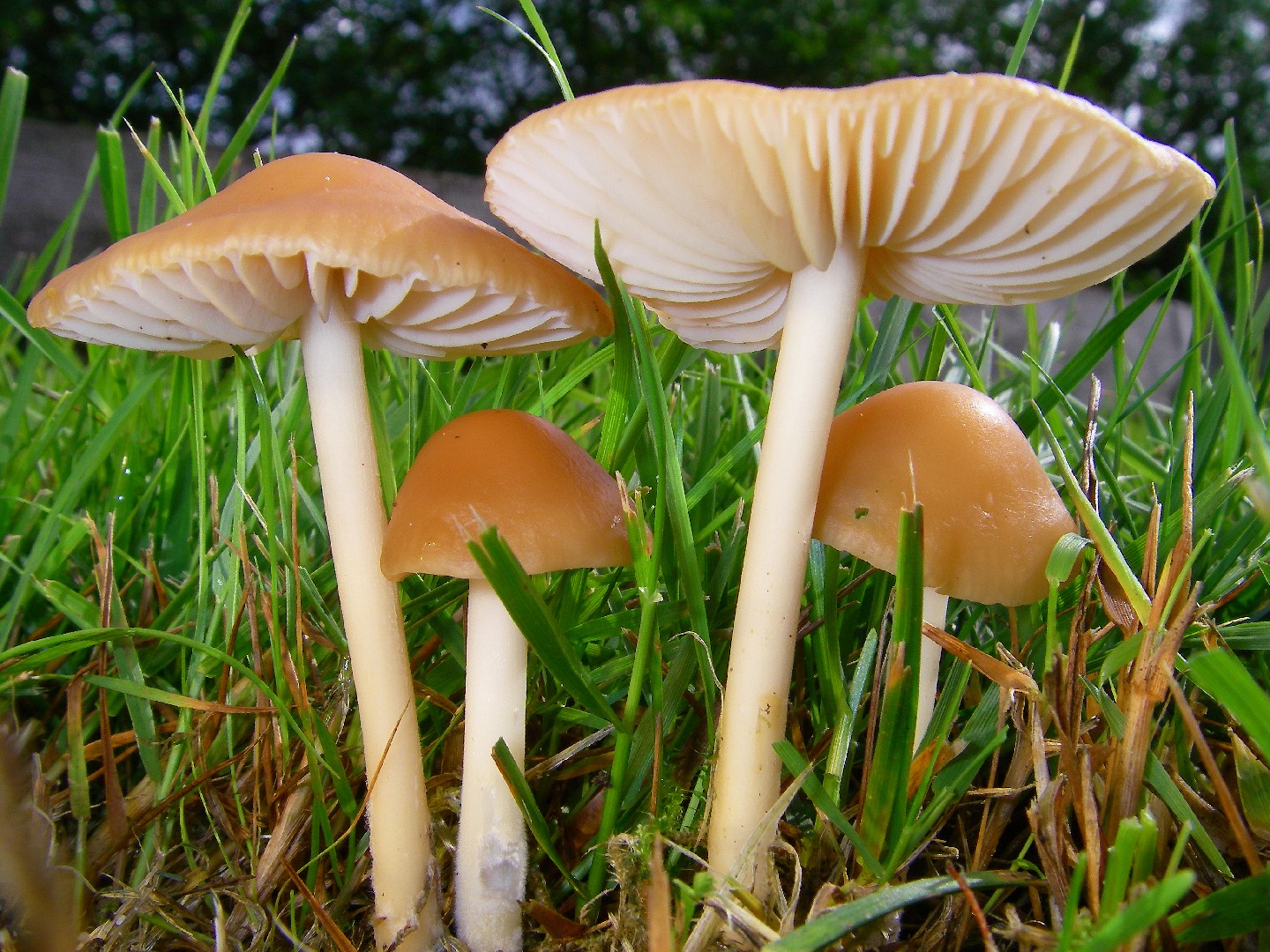
5. Fairy ring mushroom
Fairy ring mushrooms may dry out completely in the sun, but will “resurrect” during the next rain and regain their ability to make new spores. This is due to a sugar called trehalose which protects their cells. They appear in lawns and fields, sometimes in “fairy ring” configurations.
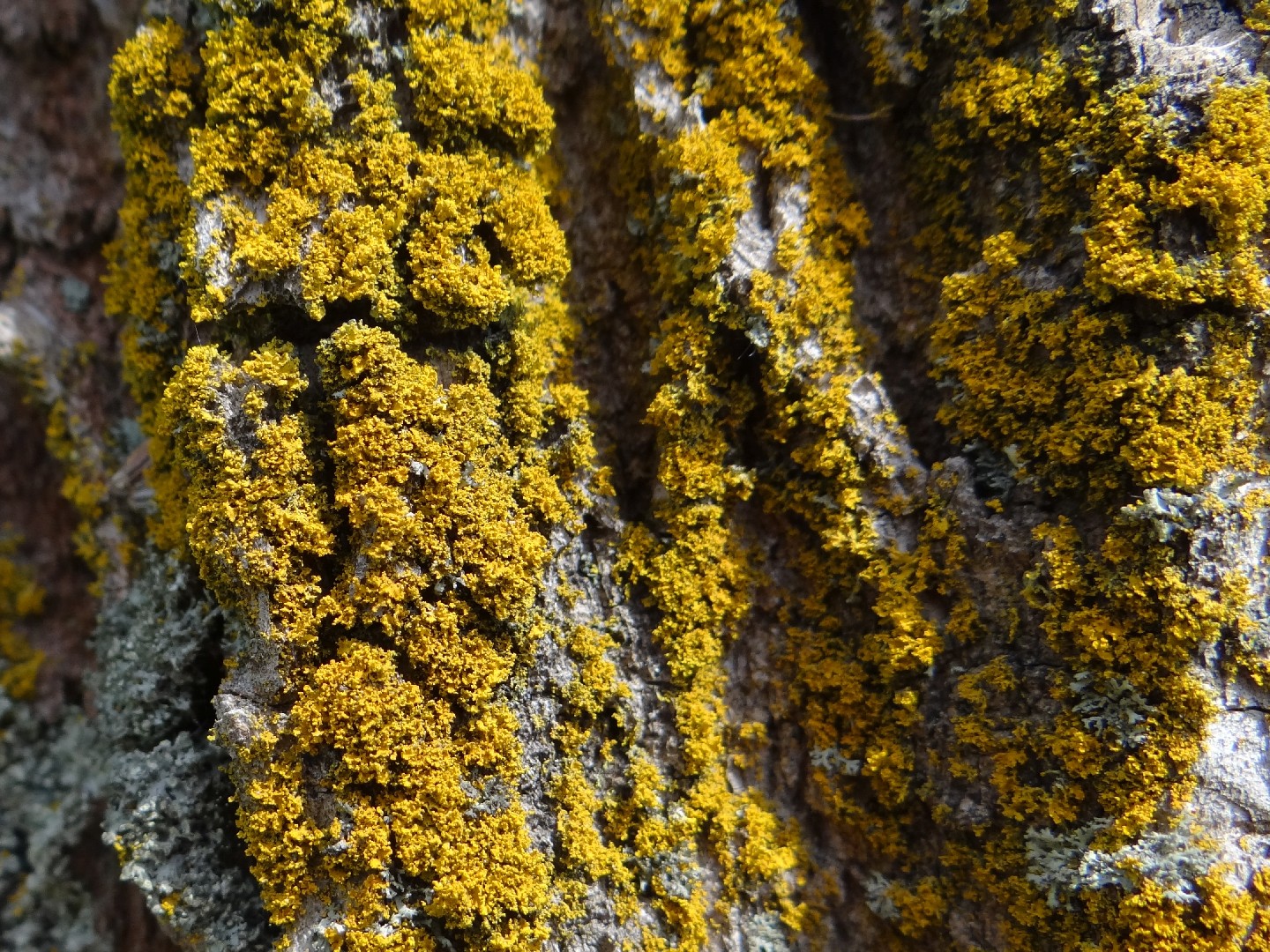
6. Candleflame lichen
Candleflame lichen has a preference for nutrient-rich bark, and is often found in hedgerows, although it can be spotted on rocks. Often recognized for its distinct yolk coloring, candleflame lichen has wavy, layered lobes and is a fast colonizer.
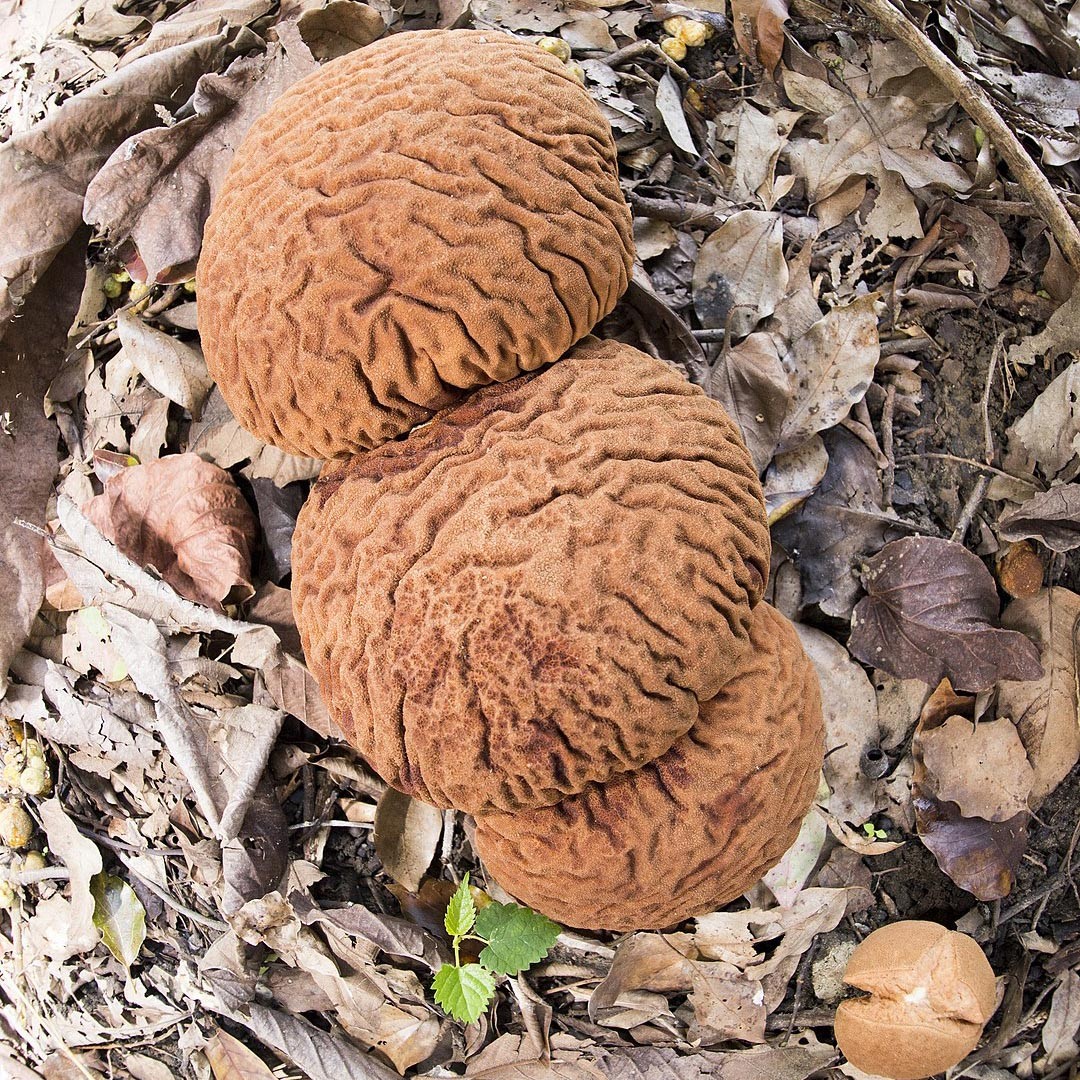
7. Brain puffball
Brain puffball is a large, distinctive mushroom that prefers grassy habitats, often found in various urban settings. When young, its flesh is firm and white. As the mushroom matures, its interior turns into a green spore mass that, when inhaled, can cause respiratory issues. 
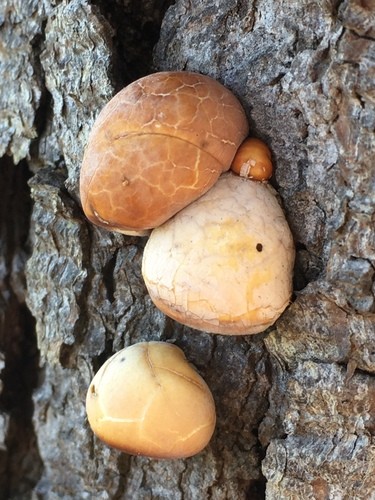
8. Veiled polypore
If you've ever gone on a walk through the woods where dead conifers are present, there's a good chance you've seen a veiled polypore. The fungus' name comes from the fact that it's pores are "veiled" by a rounded piece of tissue. Indeed, rather than growing in sheet-like formations like other polypores, the veiled polypore can be nearly spherical. These mushrooms are especially prevalent in pine stands that have been ravaged by fire or beetles.







