




Top 10 Most Common Mushrooms in Chennai

Most Common Mushrooms
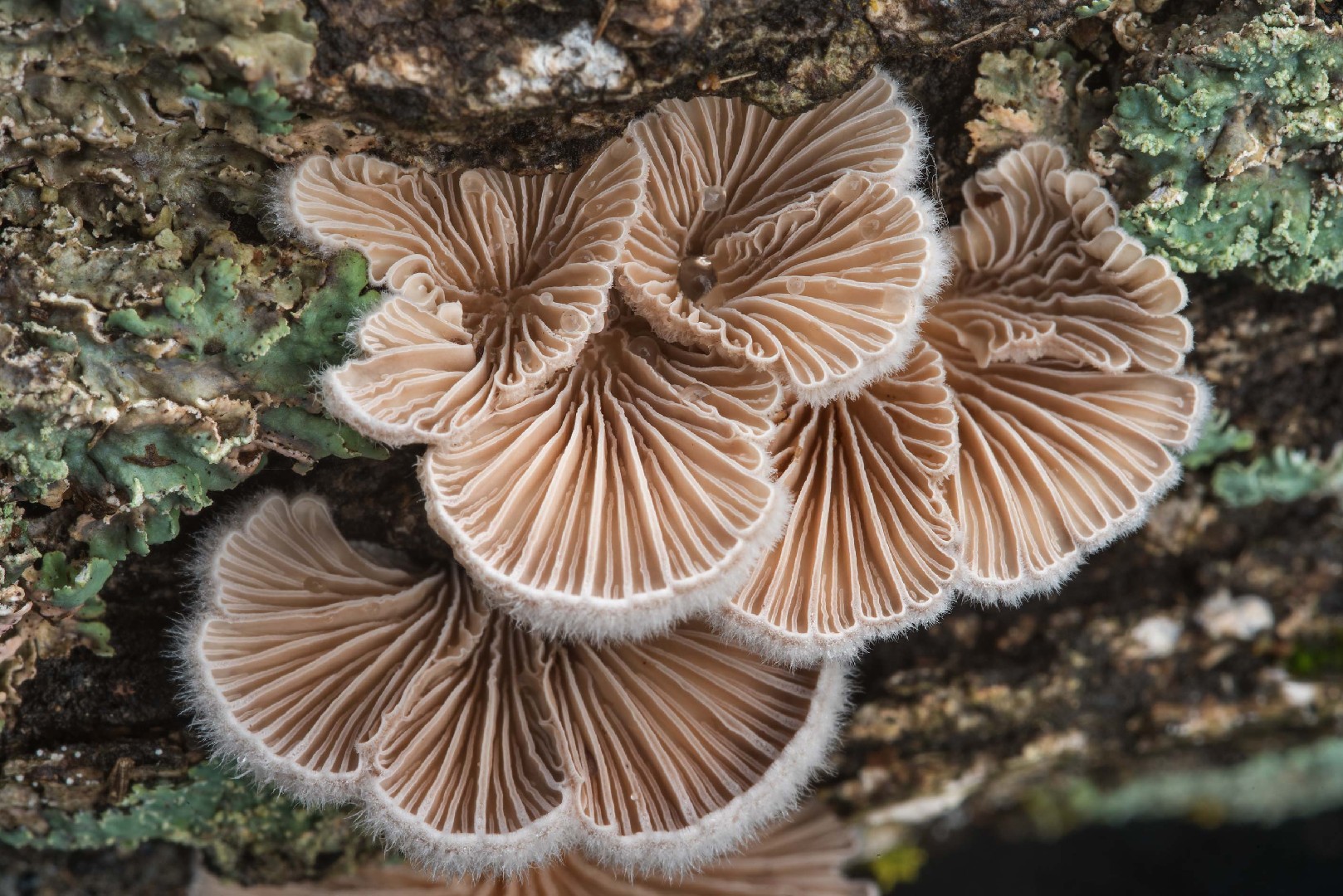
1. Split gill
Split gill(Schizophyllum commune) can be found across the globe. Uniquely, it is the only mushroom species known to display the capability to retract by movement. It is considered inedible, although not necessarily toxic. Furthermore, it is not recommended to smell this species, as the spores are capable of sprouting and growing in nasal passages.
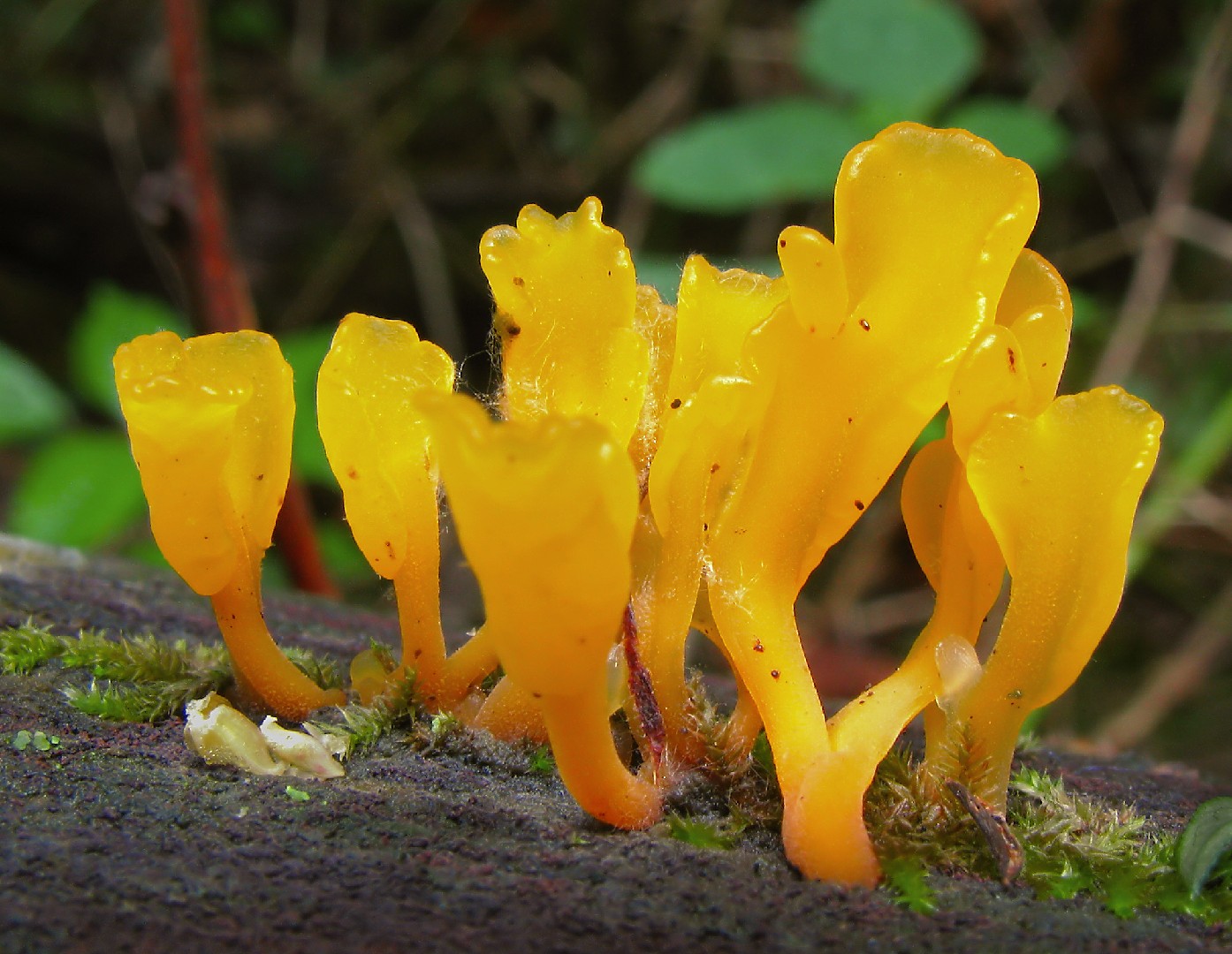
2. Fan-shaped jelly-fungus
Just as its Latin and the common English names suggest, the fan-shaped jelly-fungus (Dacryopinax spathularia) is a fan-shaped or spatula-shaped jelly-like mushroom. It commonly grows in wood cracks and it sometimes even appears in the cracks of the processed wood and lumber. Despite the word "jelly" in its name, the fan-shaped jelly-fungus is not considered edible.
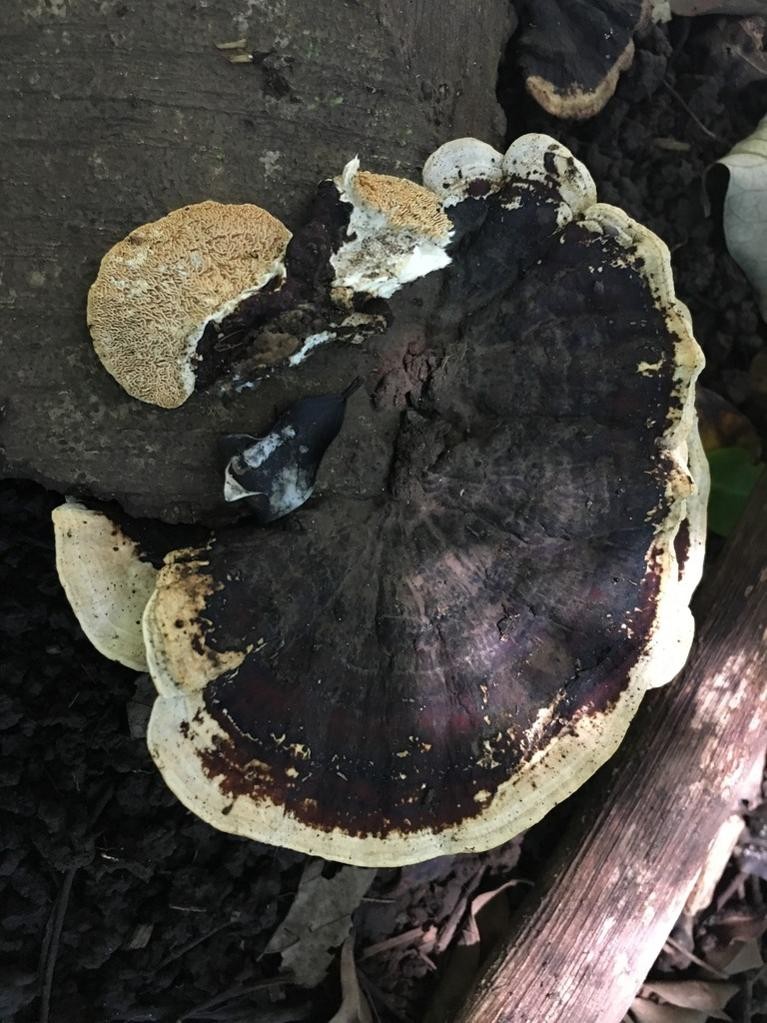
3. Earliella scabrosa
Earliella scabrosa is distinguishable by its sinuous or elongated pores that set it apart from similar species. It prefers tropical climates growing on broadleaf and decaying tree trunks and branches. On living trees, the spores enter wounds on the wood further weakening the tree.
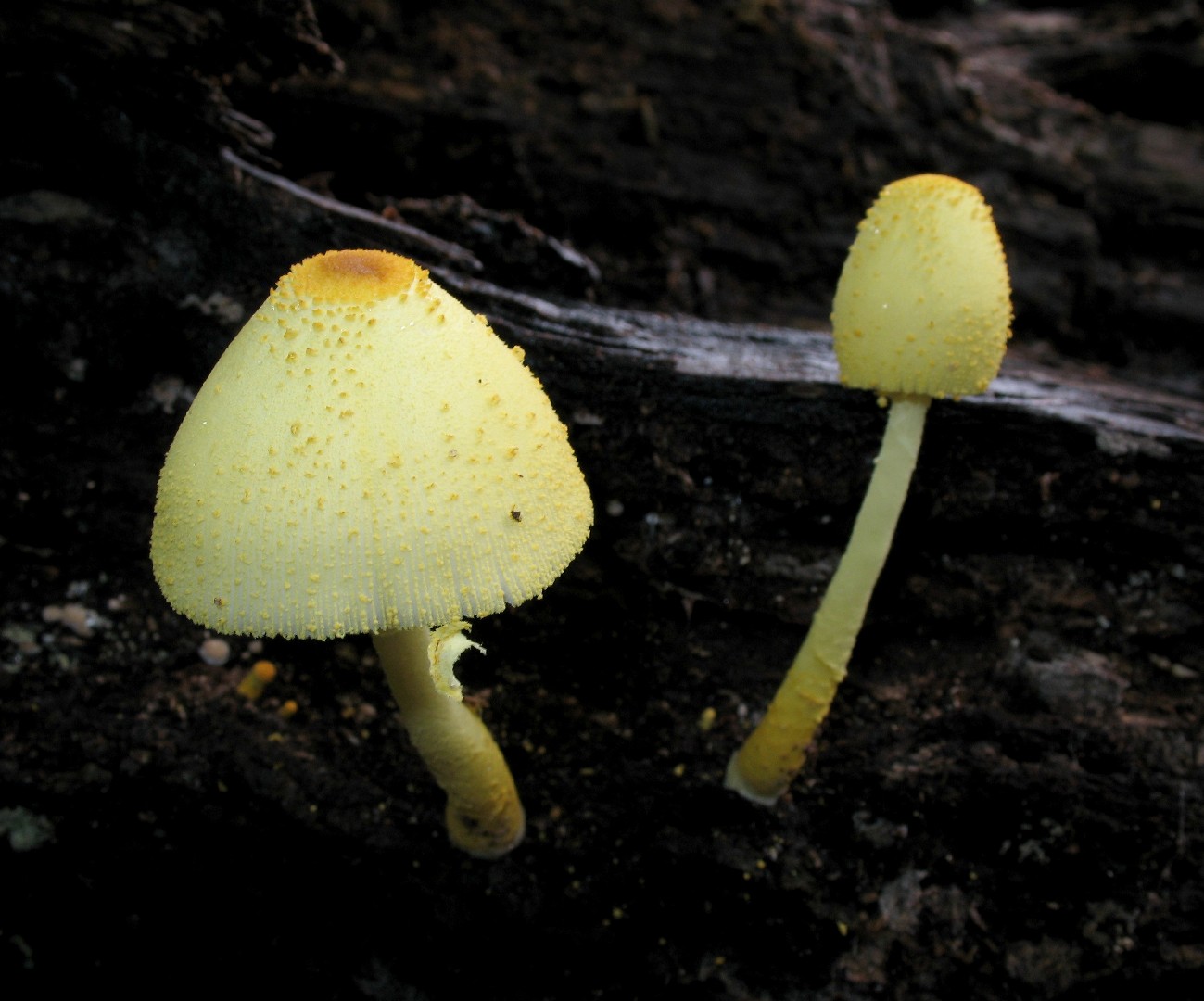
4. Flowerpot parasol
This tropical/subtropical mushroom is known to be toxic. If eaten it causes a very unpleasant stomachache with the risk of fatal complications. In temperate zones, flowerpot parasol is only found in hothouses and greenhouses, so the risk of accidental foraging is low, but it may occur with potted plants and indoor landscaping and pose a risk to curious children.
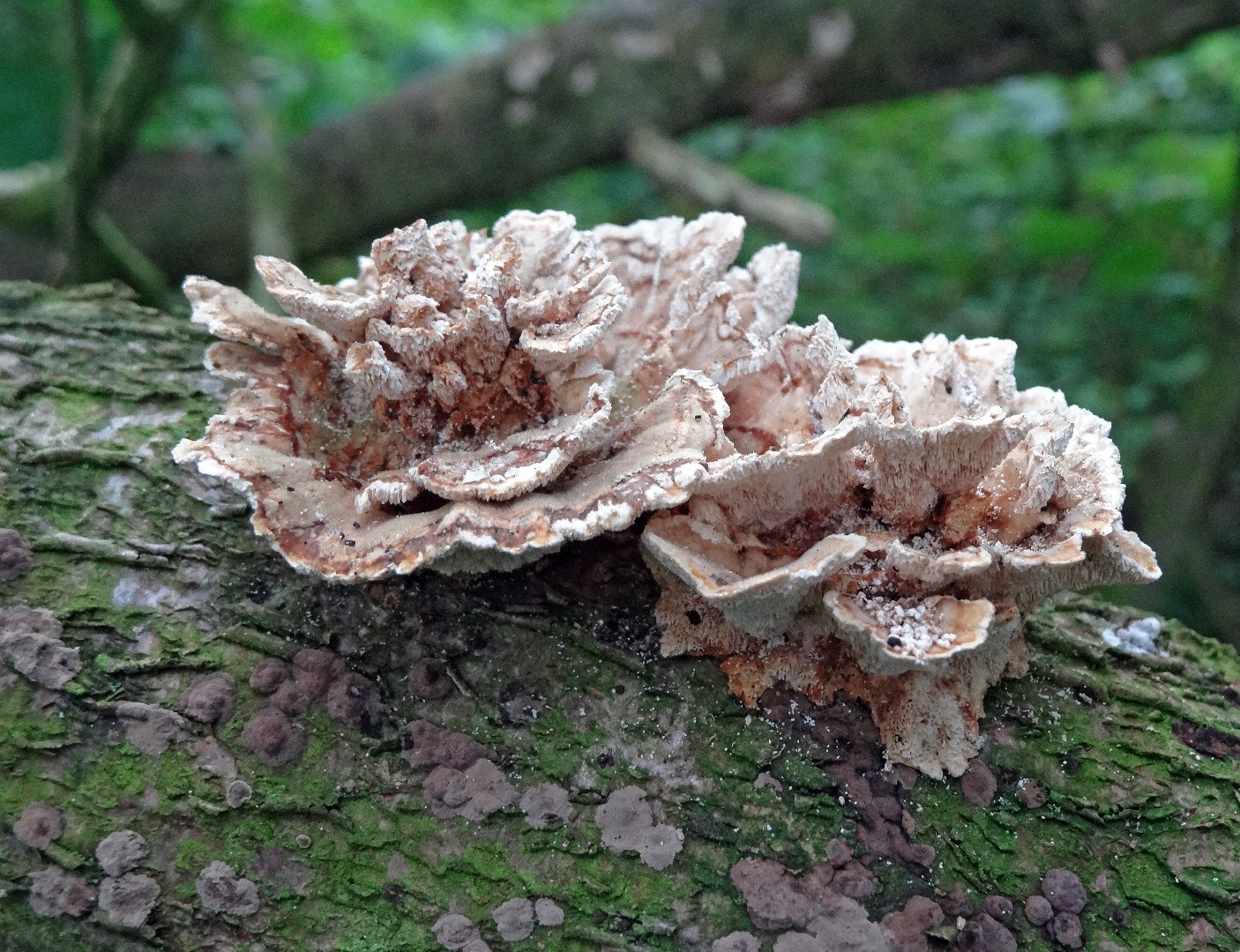
5. Blushing rosette
Blushing rosette(Abortiporus biennis) is an often solitary fungus of variable coloring that tends to fruit after periods of rain, causing rot in dead and living wood alike. It is widely distributed across North America. Its edibility is not known at this time, and consumption is therefore discouraged.
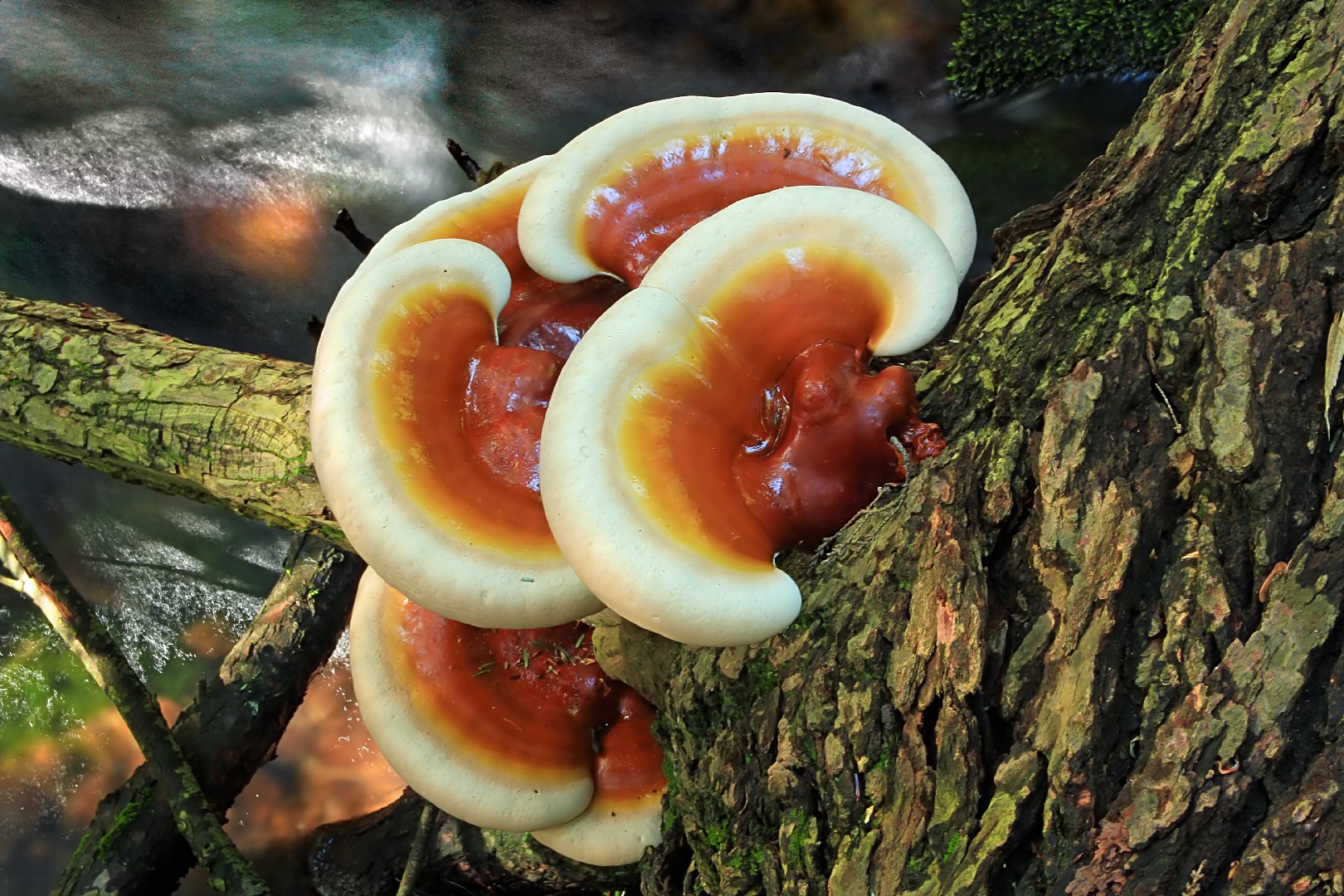
6. Hemlock varnish shelf
The hemlock varnish shelf is a parasitic species that can be found (unsurprisingly) on Hemlock trees. The species' range is limited to the eastern US - they are particularly common across Appalachia. As with other members of Ganoderma, hemlock varnish shelf has a shiny, lacquered-looking surface. This tough species is considered inedible.
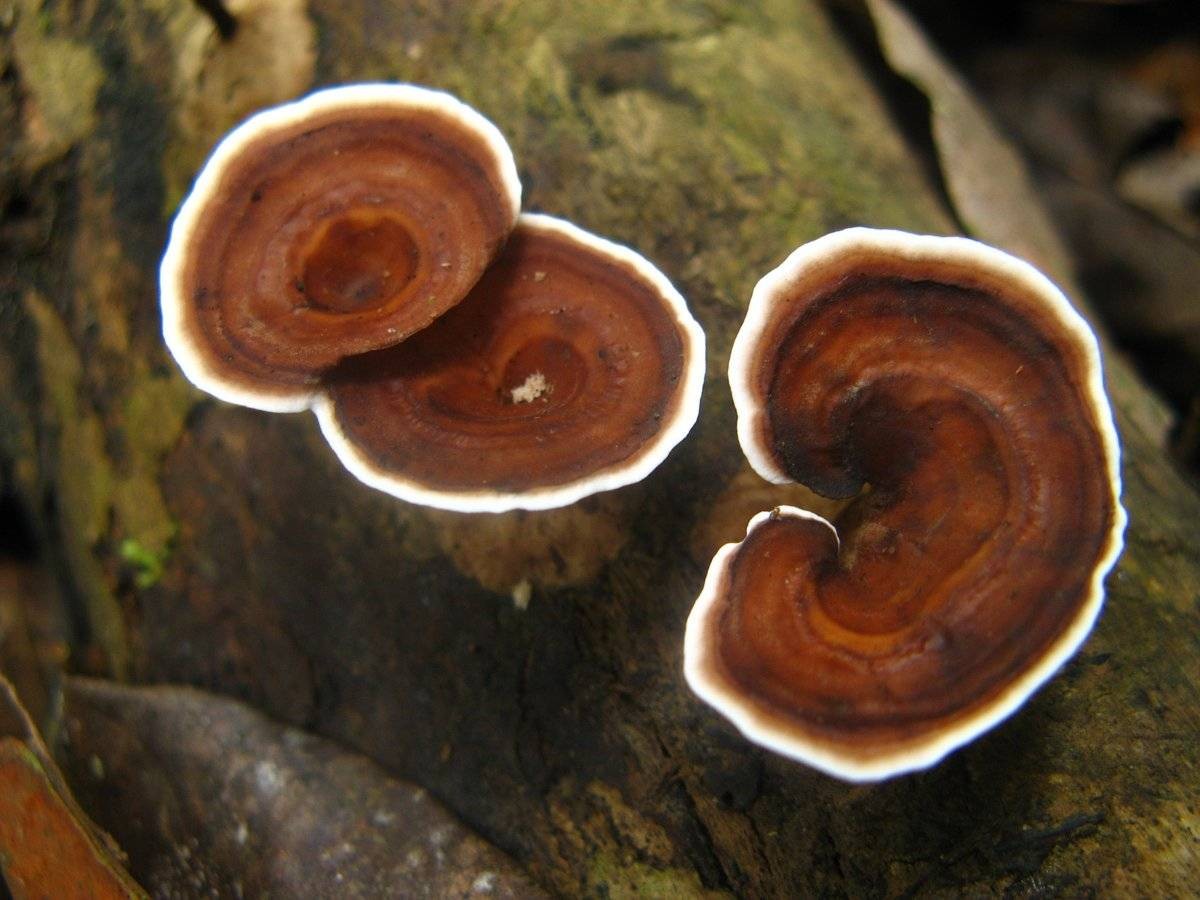
7. Yellow-footed micropore
The scientific name of the yellow-footed micropore (Microporus xanthopus) translates to “tiny-pored yellow foot.” Its short stem is usually yellow, leading up to a concave, funnel-like cap. The species is common in all the tropics of the world outside of the Americas. The striated, multi-hued caps grow largest in wet, darkly-shaded locations.

8. Mauve parachute
The tiny mauve parachute (Marasmius haematocephalus) is a miniature delight. A broad, delicate, brightly-hued cap sits like an open umbrella atop a slender, delicate, darkly-colored stalk. In dry conditions, the caps shrivel and become near-invisible beneath the detritus of the forest floor, but the next rain will open these hardy little mushrooms right back up again.
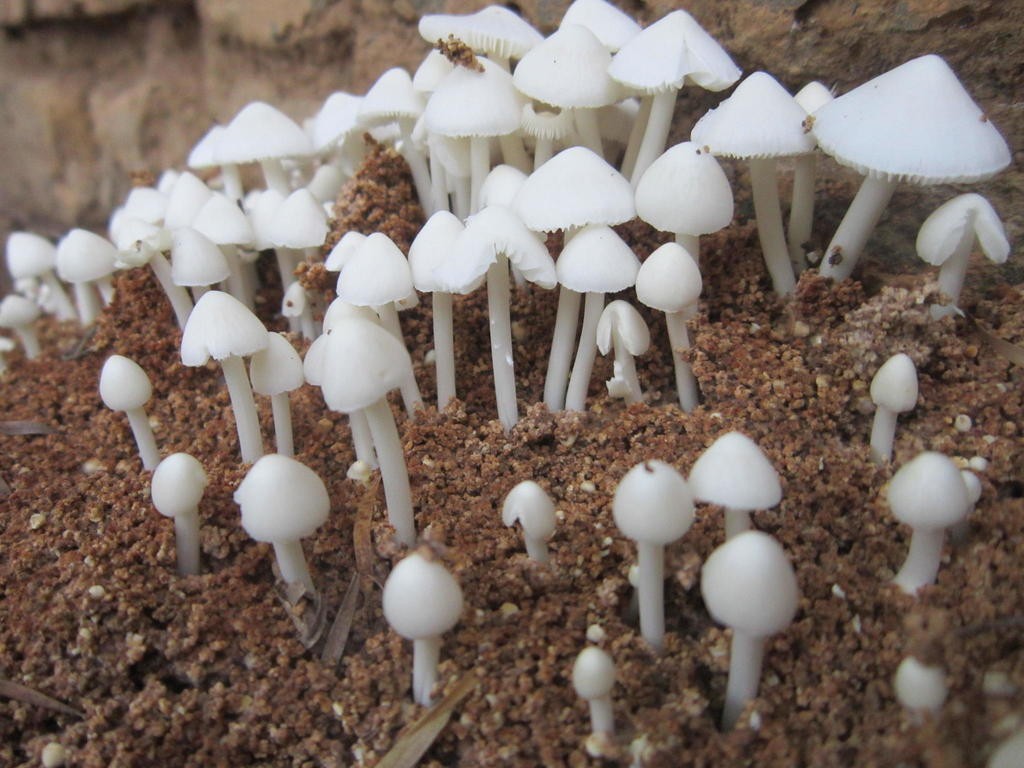
9. Termitomyces microcarpus
Like other mushrooms in its genus, termitomyces microcarpus thrives when termites are close by, as this mushroom is dependent on the insects for the plant matter they bring after feeding on trees. The fungus also benefits the termites by breaking down the organic matter the insects need to survive. Therefore, termitomyces microcarpus is usually found growing near termite mounds, specifically those found near bamboo.

10. Agaricus trisulphuratus







