




Top 13 Most Common Mushrooms in Haiti
In the heart of the Caribbean, Haiti cherishes a diverse range of mushroom species, making it a mycologist's paradise. With a perfect blend of tropical climate and rich, varying soil types, Haiti nurtures a thriving habitat for mushrooms. This significant biodiversity 13 commonly found mushrooms reflects the country's unique ecological regions and human interaction with the environment. Dive into the world of these intriguing fungi and explore their captivating characteristics for a profound understanding of mushroom diversity in Haiti.

Most Common Mushrooms
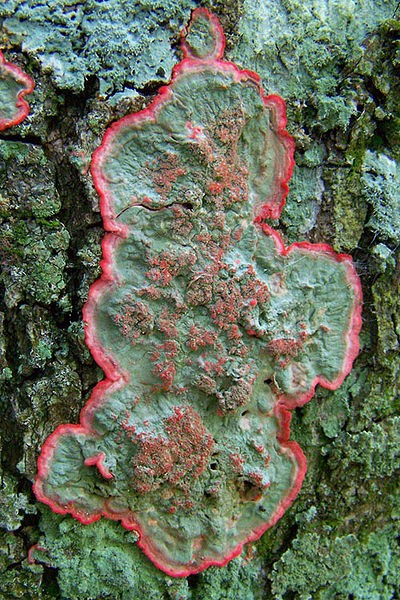
1. Christmas lichen
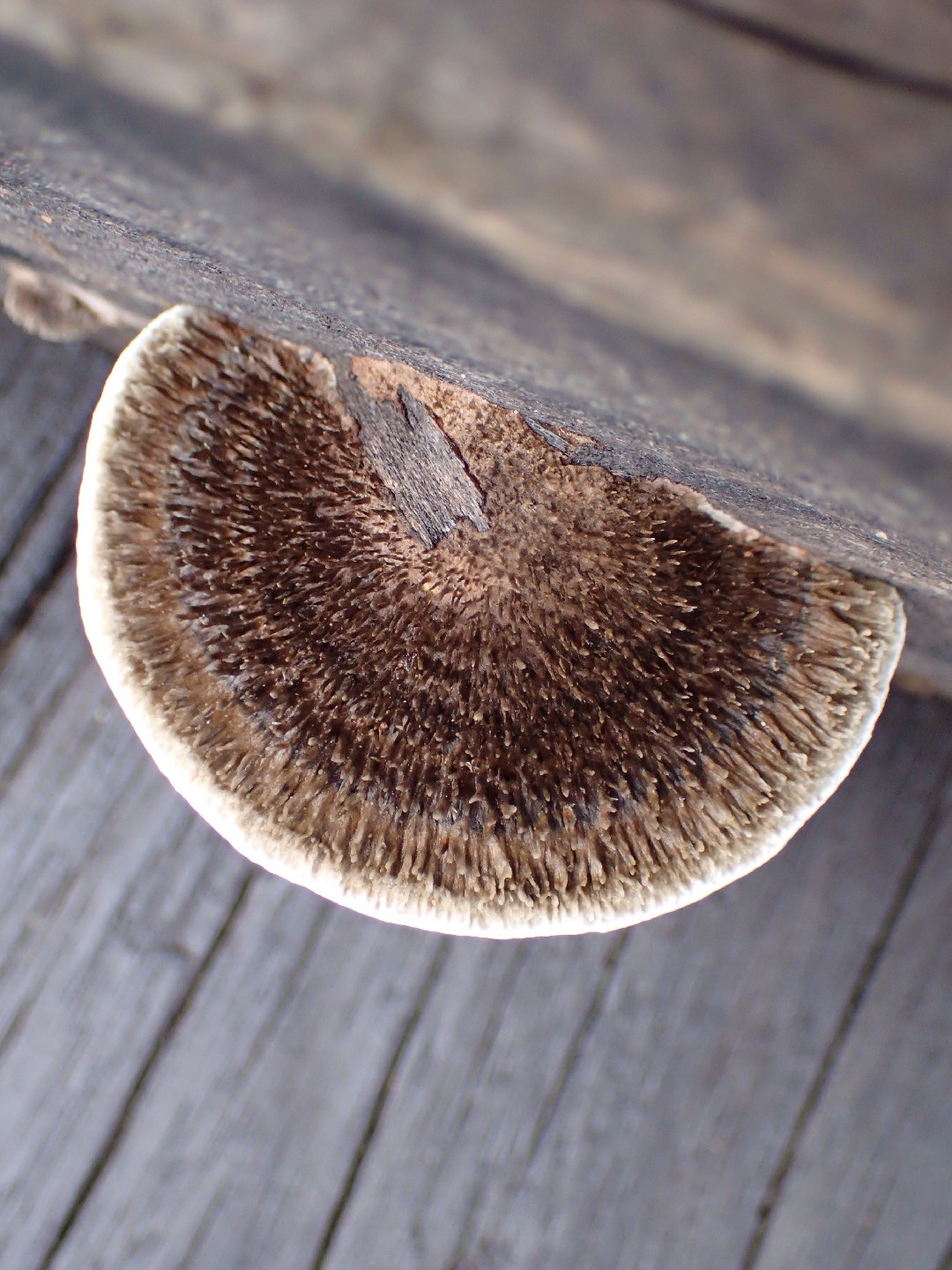
2. Hairy hexagonia
The hairy hexagonia (Hexagonia hydnoides) is not the most common mushroom you'll find, but has very distinctive qualities. Stiff, dark brown, bristle-like hairs emerge from an ochre flat cap and are found growing from a decaying tree stump or wood. The large pores on the cap's underside create an almost sponge-like appearance, and the stem is otherwise not visible.
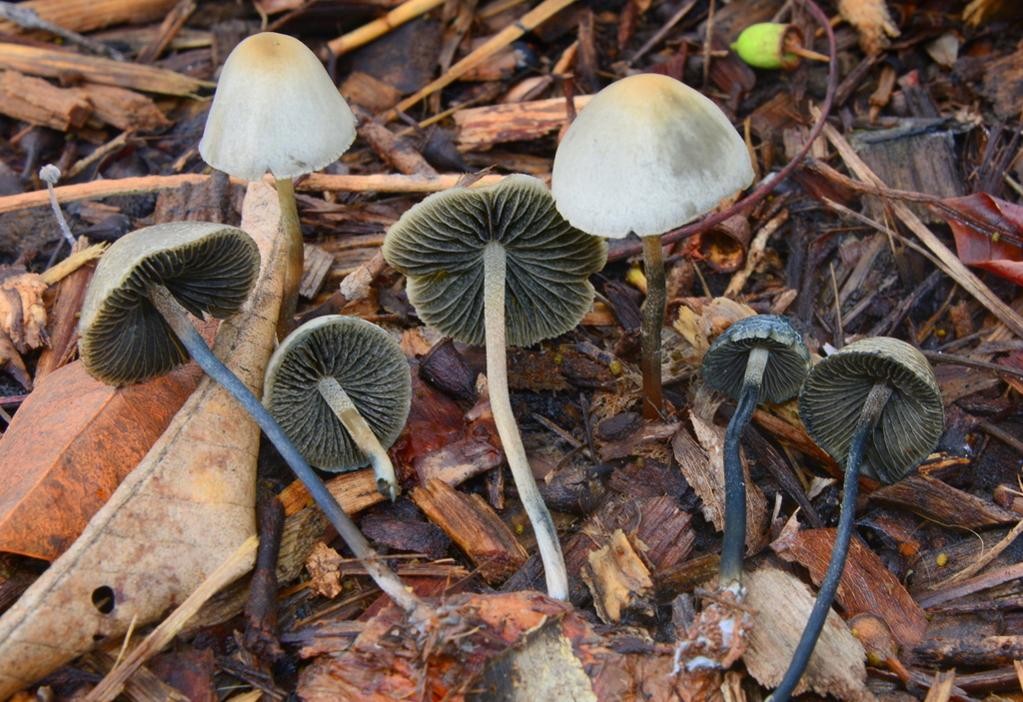
3. Blue meanies
The blue meanies (Panaeolus cyanescens) grows abundantly from composted dung in fields across the globe. They are small in size, with short, bell-shaped caps iridescent pale blue in color. The underside of the cap displays gills that are widely spread apart. This mushroom is a toxic poisoning risk. Consumption is not recommended.
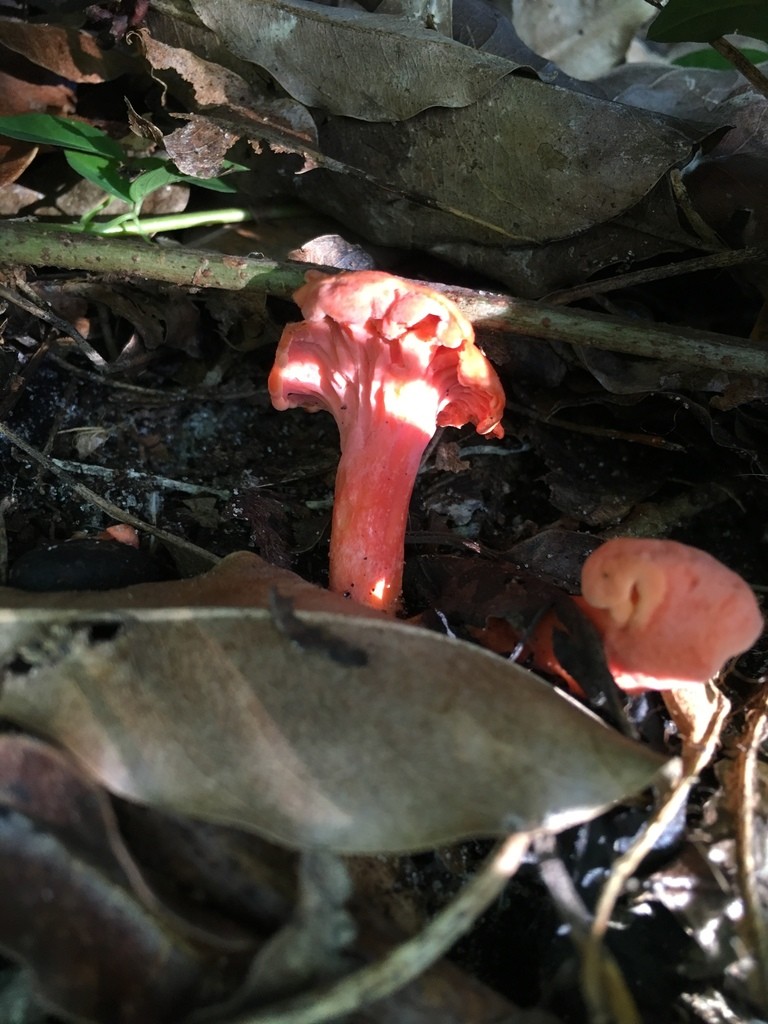
4. Cantharellus coccolobae
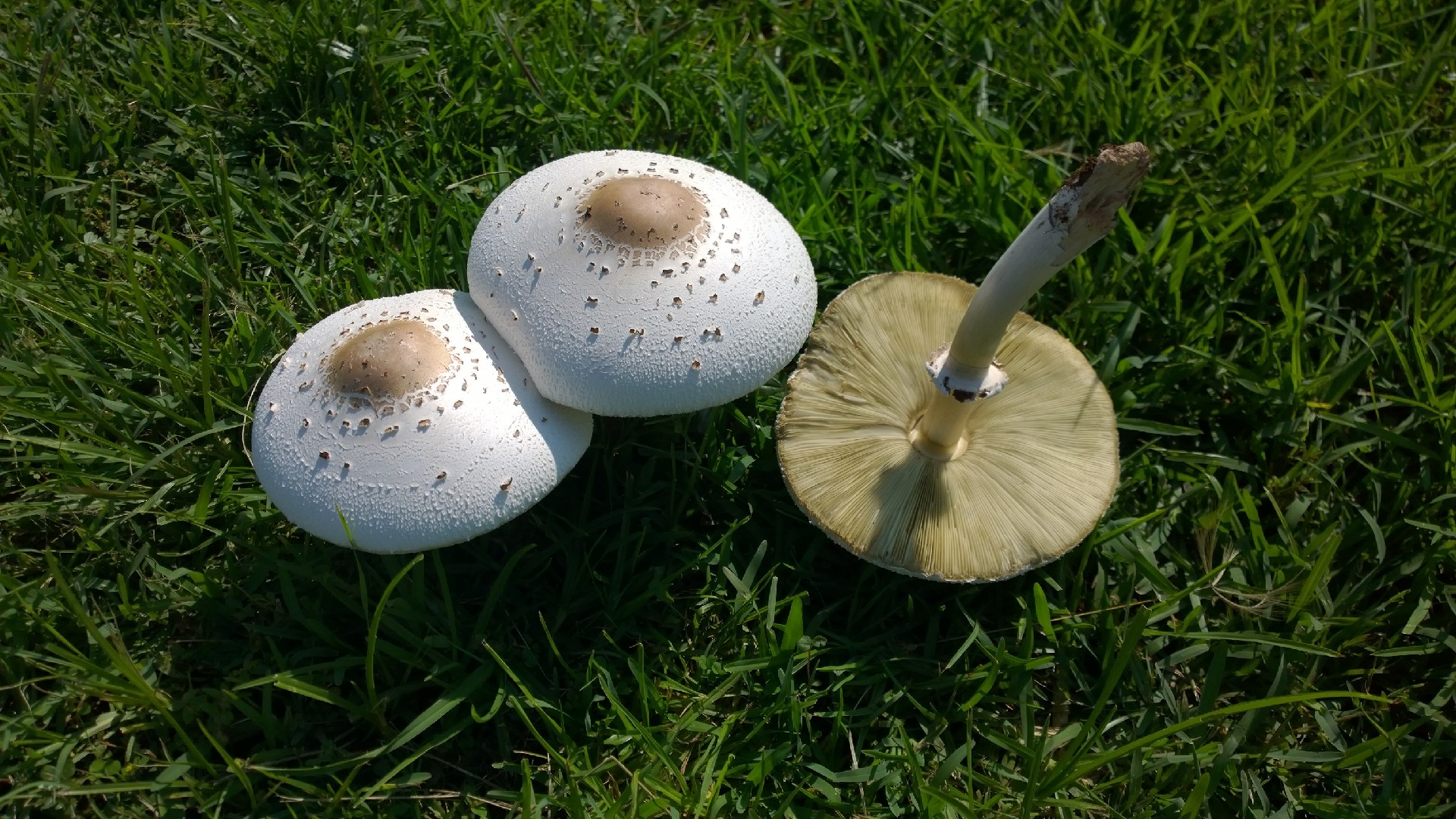
5. False parasol
Though the false parasol appears unassuming, the species is famous—or, infamous—for its toxicity. It looks unfortunately similar to Agericus campestrus, a commonly eaten mushroom, but the false parasol can be distinguished by its highly unusual green spore print. Although they are no good to eat, they can be pretty to look at. The species may grow in ring-shaped groups in meadows and on forest floors in what are sometimes called "fairy circles."
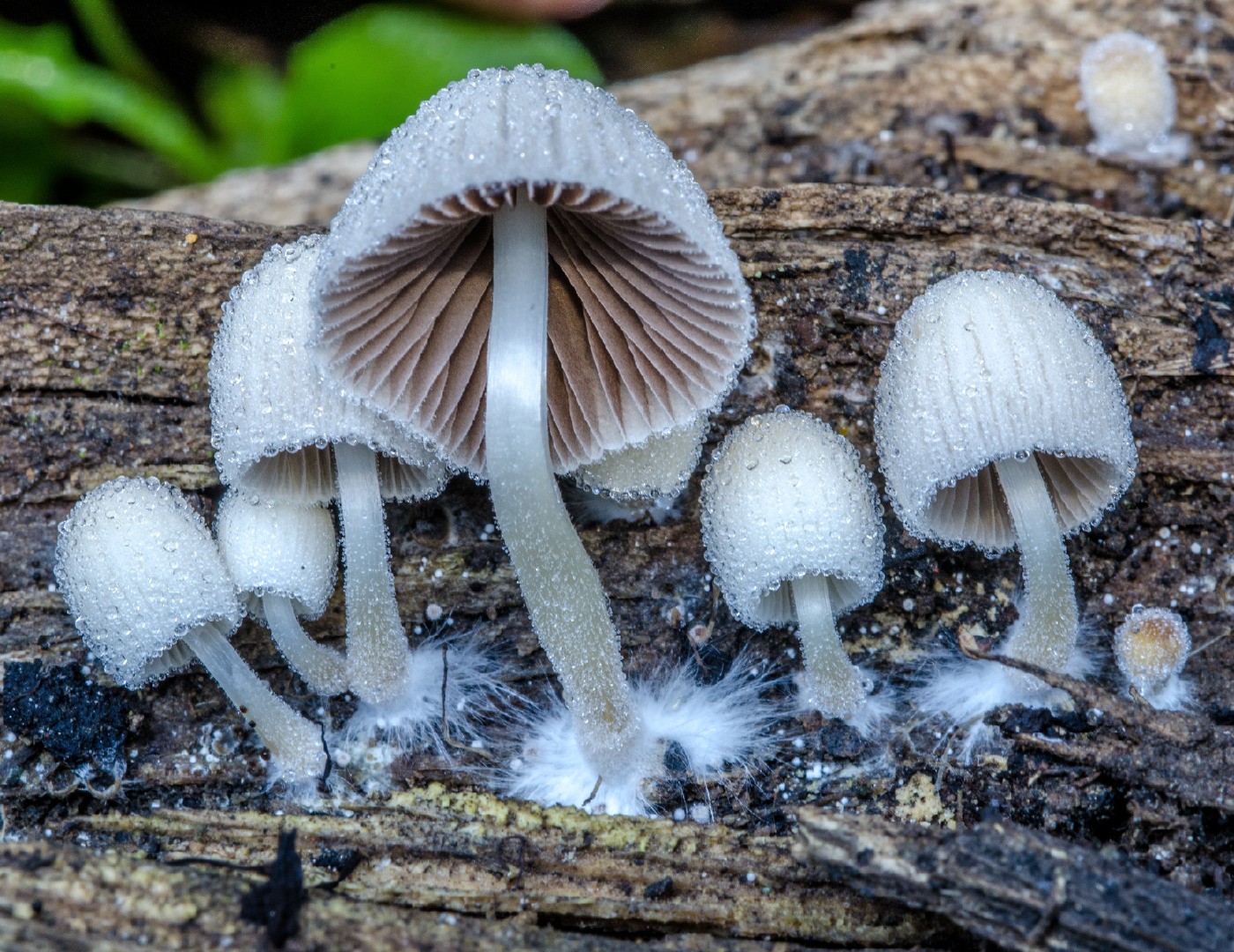
6. Fairy inkcap
The mushrooms of the fairy inkcap species have a tendency to congregate in large masses over dead tree stumps and decaying roots. They appear all around the world from early spring all the way to the first frosts, but each fruit only lasts a few days before turning black and distributing its spores.
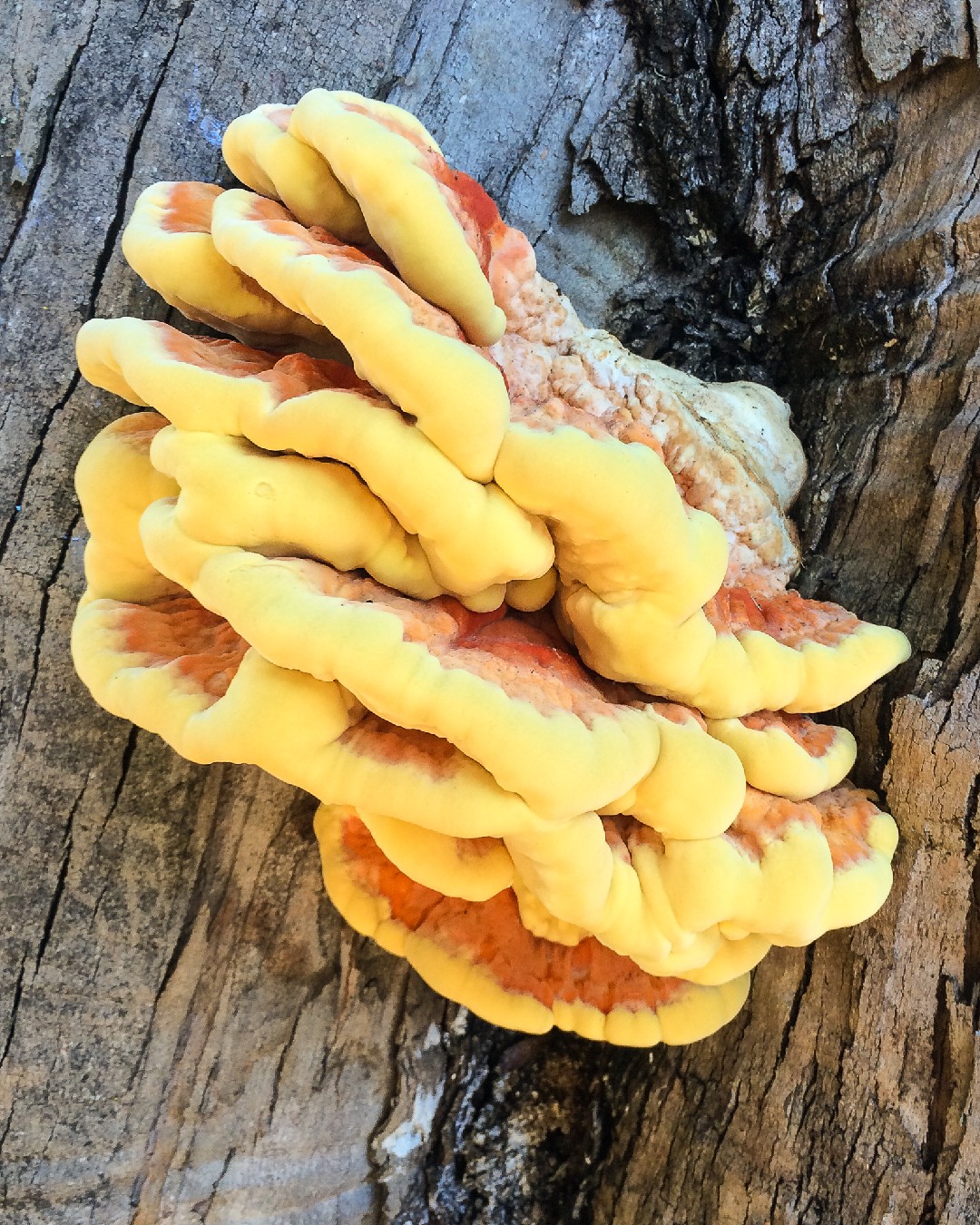
7. Chicken-of-the-woods
Chicken-of-the-woods is a brightly-colored polypore related to the famed Chicken-of-the-Woods (Laetiporus sulphereus). The species are so closely related, that it was not until the 2000s that mycologists considered them to be distinct. Unlike its famed relative, the species is not considered a choice edible - there are conflicting reports as to its edibility, with some probable cases of gastrointestinal distress noted.
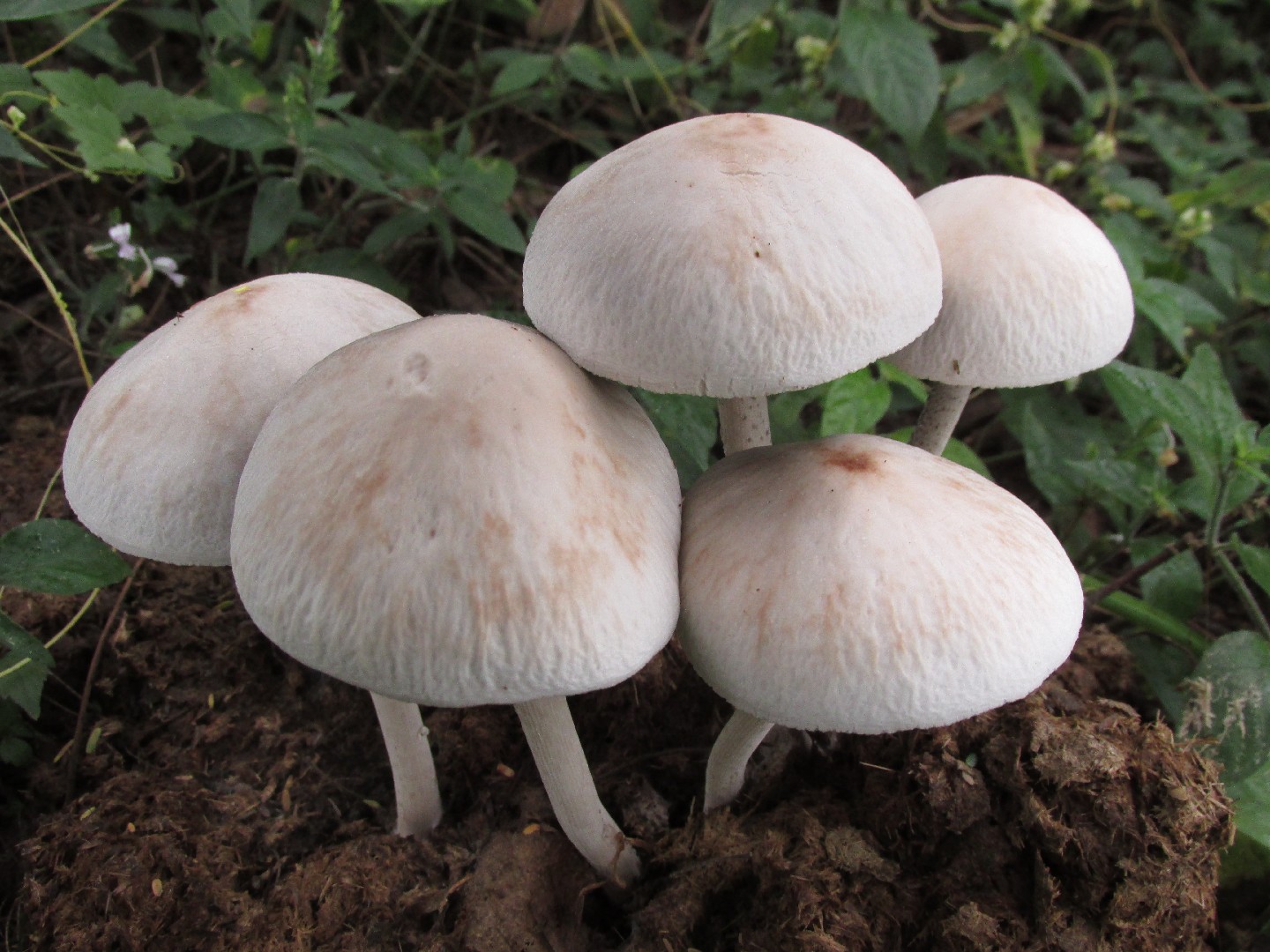
8. Panaeolus antillarum
The panaeolus antillarum is a small, nondescript mushroom that, like other members of the Panaeolus genus, favors fruiting in animal dung, though it may also be found in wet meadows or even lawns. Though its stalk and cap don't offer any quick or easy identifying characteristics, one distinguishing feature of this species is its spore print, which is jet black.
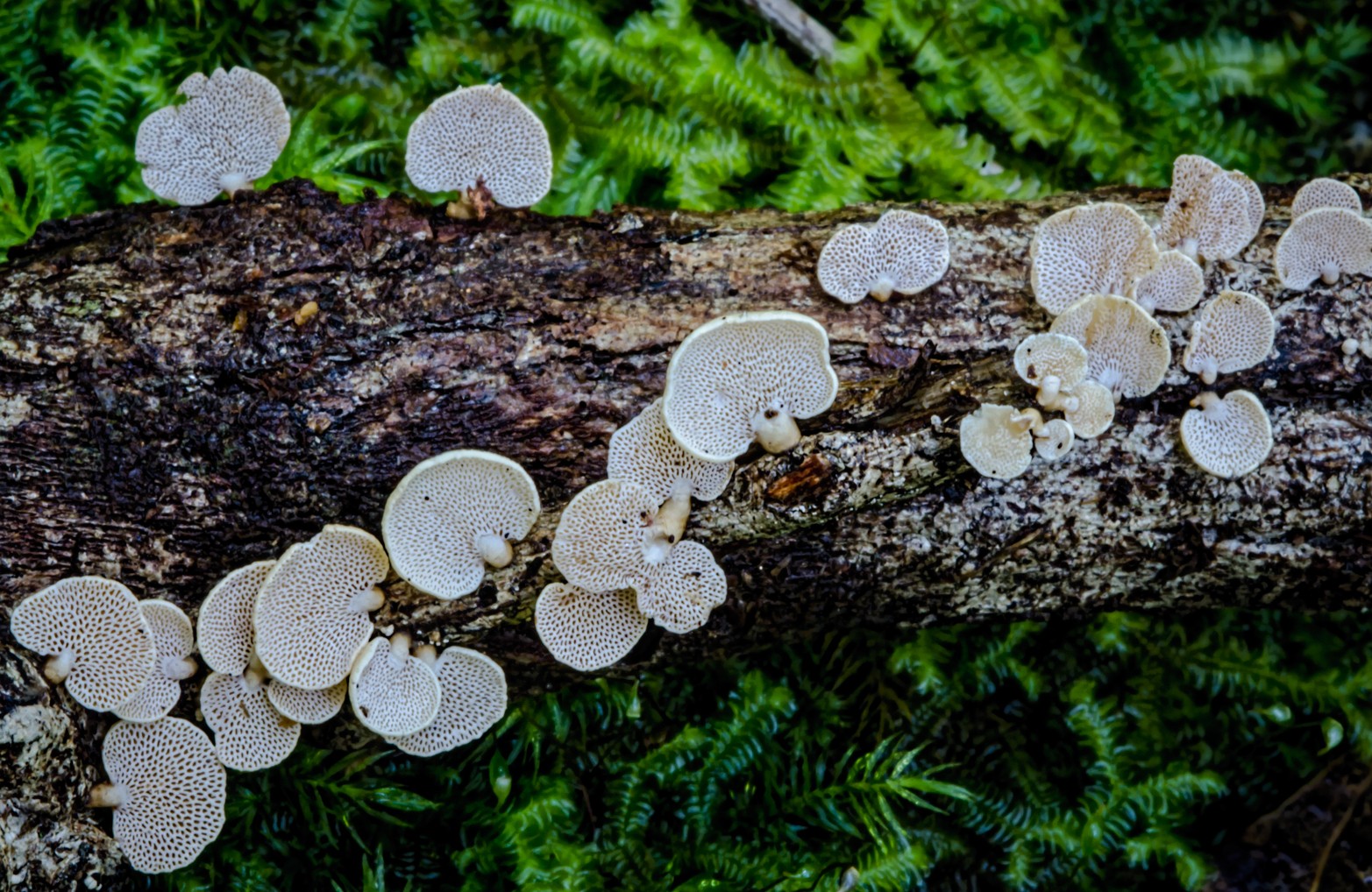
9. Panellus pusillus
Panellus pusillus is a species of fungus in the Mycenaceae family. A species with a wide distribution, of which there are records in Australia, Asia, Europe, North America, and South America.
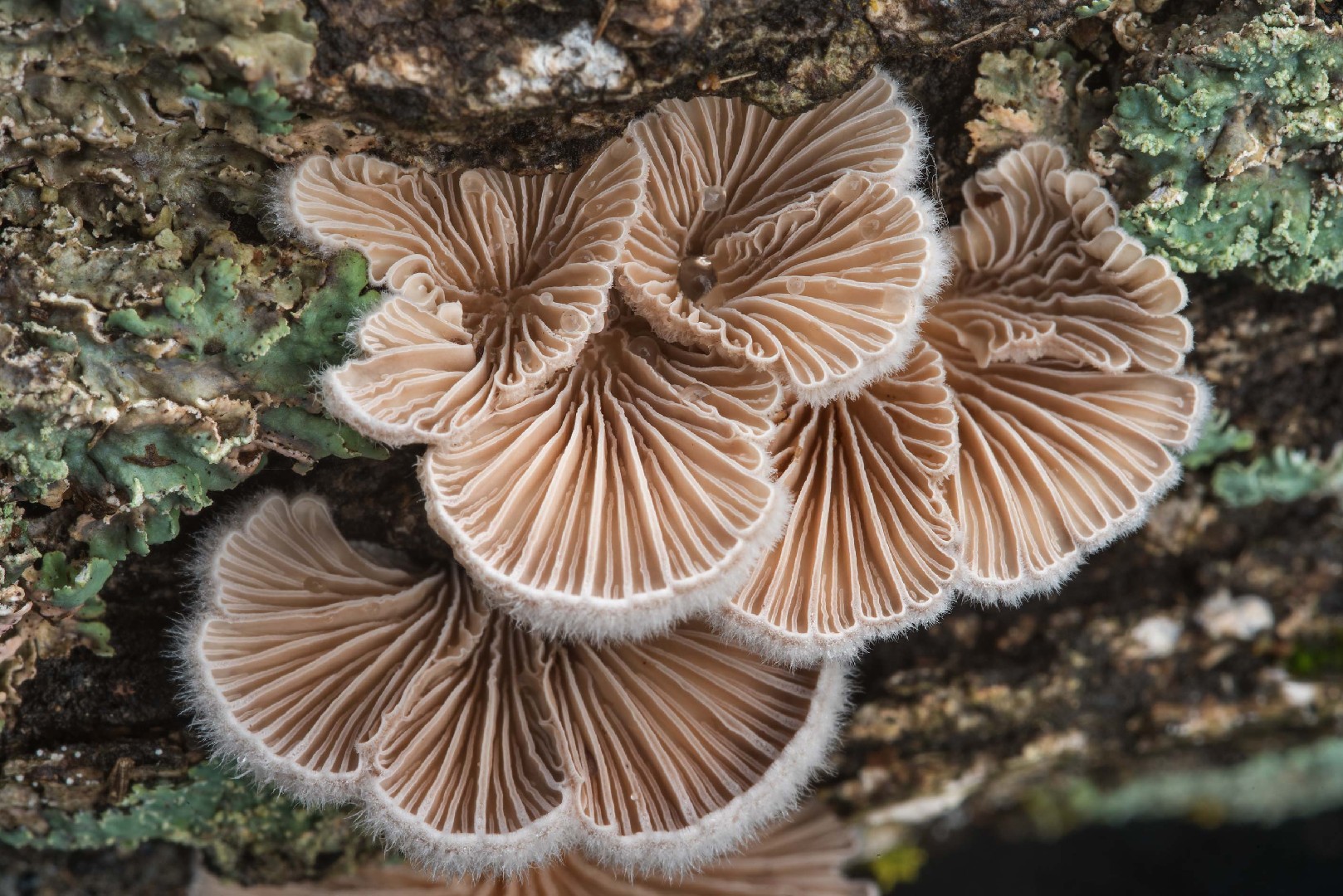
10. Split gill
Split gill(Schizophyllum commune) can be found across the globe. Uniquely, it is the only mushroom species known to display the capability to retract by movement. It is considered inedible, although not necessarily toxic. Furthermore, it is not recommended to smell this species, as the spores are capable of sprouting and growing in nasal passages.
More







