




Top 2 Most Common Mushrooms in Fiji
Nestled in the exotic heartlands of Fiji, amidst a climate oscillating between tropical and temperate, thrive the top 2 most common mushrooms. A complex interplay of fertile volcanic soil, exotic flora, and captivating fauna set the perfect stage for a teeming diversity of mushroom species. Immerse yourself in this exploration of Fiji's mycological treasure, gleaning insights into shroom varieties, cherished by both natives, enthusiasts and brooding ethnobotanists alike.

Most Common Mushrooms
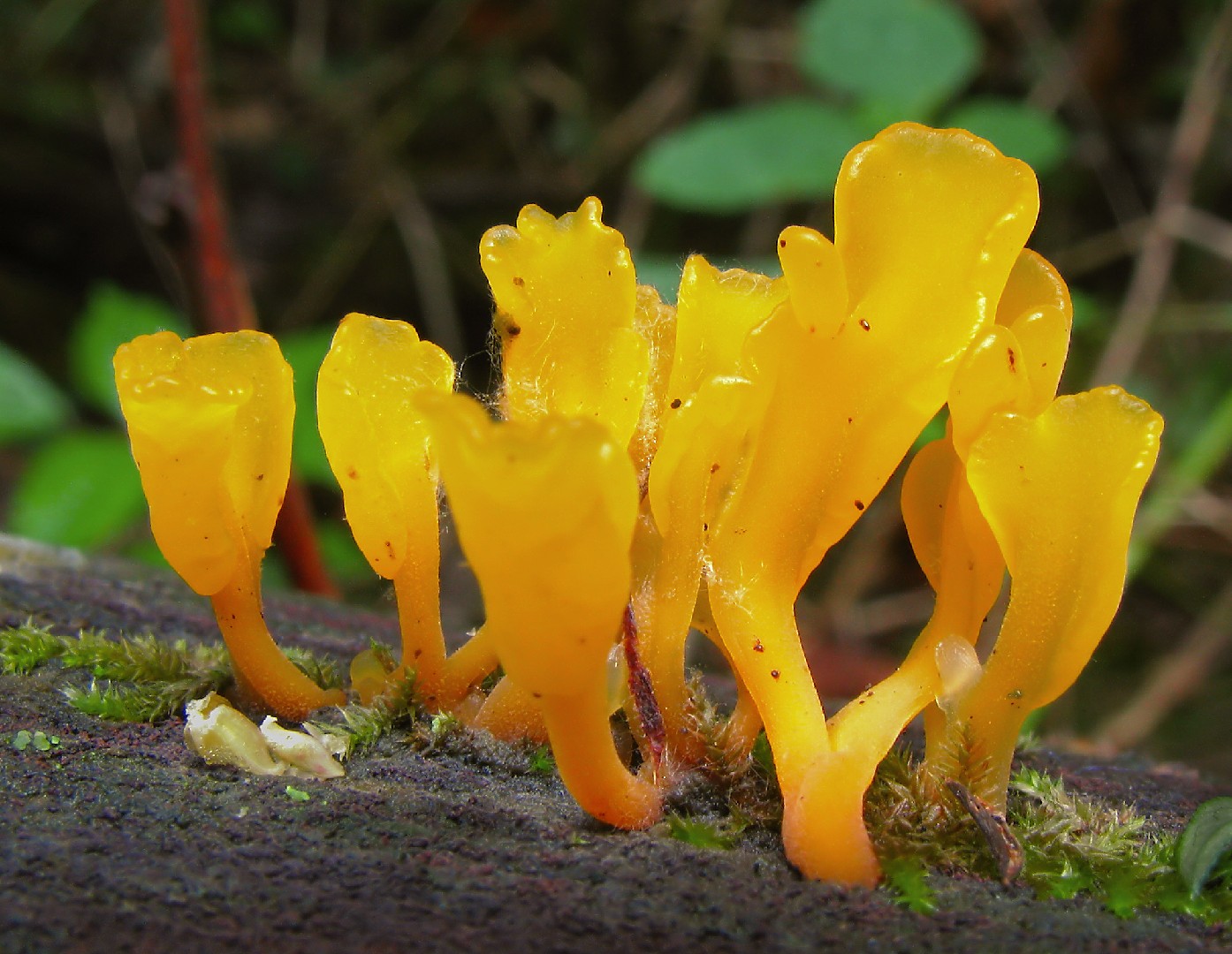
1. Fan-shaped jelly-fungus
Just as its Latin and the common English names suggest, the fan-shaped jelly-fungus (Dacryopinax spathularia) is a fan-shaped or spatula-shaped jelly-like mushroom. It commonly grows in wood cracks and it sometimes even appears in the cracks of the processed wood and lumber. Despite the word "jelly" in its name, the fan-shaped jelly-fungus is not considered edible.
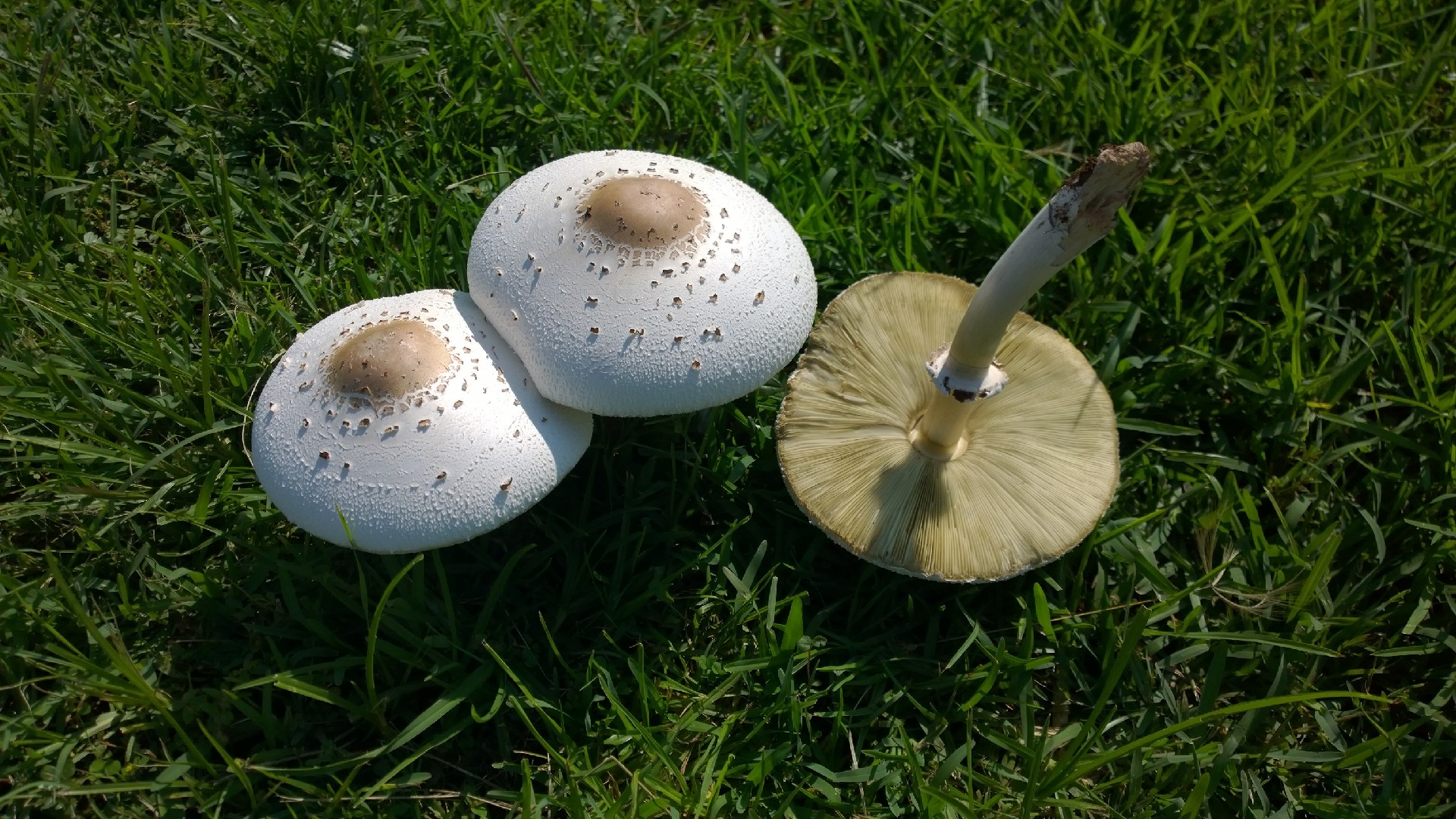
2. False parasol
Though the false parasol appears unassuming, the species is famous—or, infamous—for its toxicity. It looks unfortunately similar to Agericus campestrus, a commonly eaten mushroom, but the false parasol can be distinguished by its highly unusual green spore print. Although they are no good to eat, they can be pretty to look at. The species may grow in ring-shaped groups in meadows and on forest floors in what are sometimes called "fairy circles."







