




Top 20 Most Common Mushrooms in El Salvador
Exploring the lush landscapes of El Salvador unlocks a diverse array of mushroom species, a startling display of nature's versatility thriving in this unique setting. The favorable climate, rich soil conditions, and the indigenous flora and fauna of El Salvador play a pivotal role in nurturing the extraordinary mycological wealth. Discover none other than the top 20 most common, yet distinctively admirable, mushroom varieties flourishing here, each a testament to nature's rich showcase, skillfully sculpted by the hands of evolution over millennia.

Most Common Mushrooms
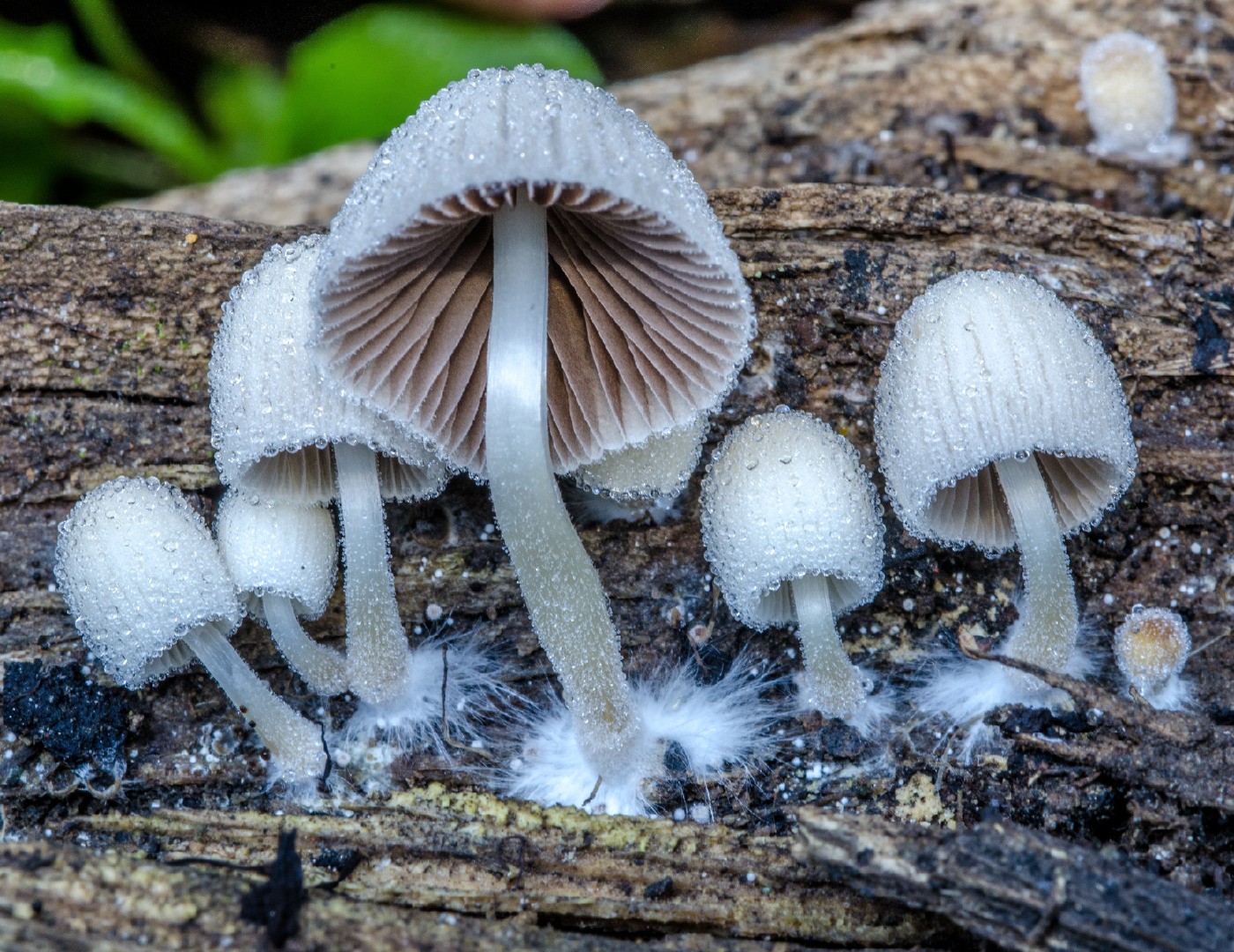
1. Fairy inkcap
The mushrooms of the fairy inkcap species have a tendency to congregate in large masses over dead tree stumps and decaying roots. They appear all around the world from early spring all the way to the first frosts, but each fruit only lasts a few days before turning black and distributing its spores.
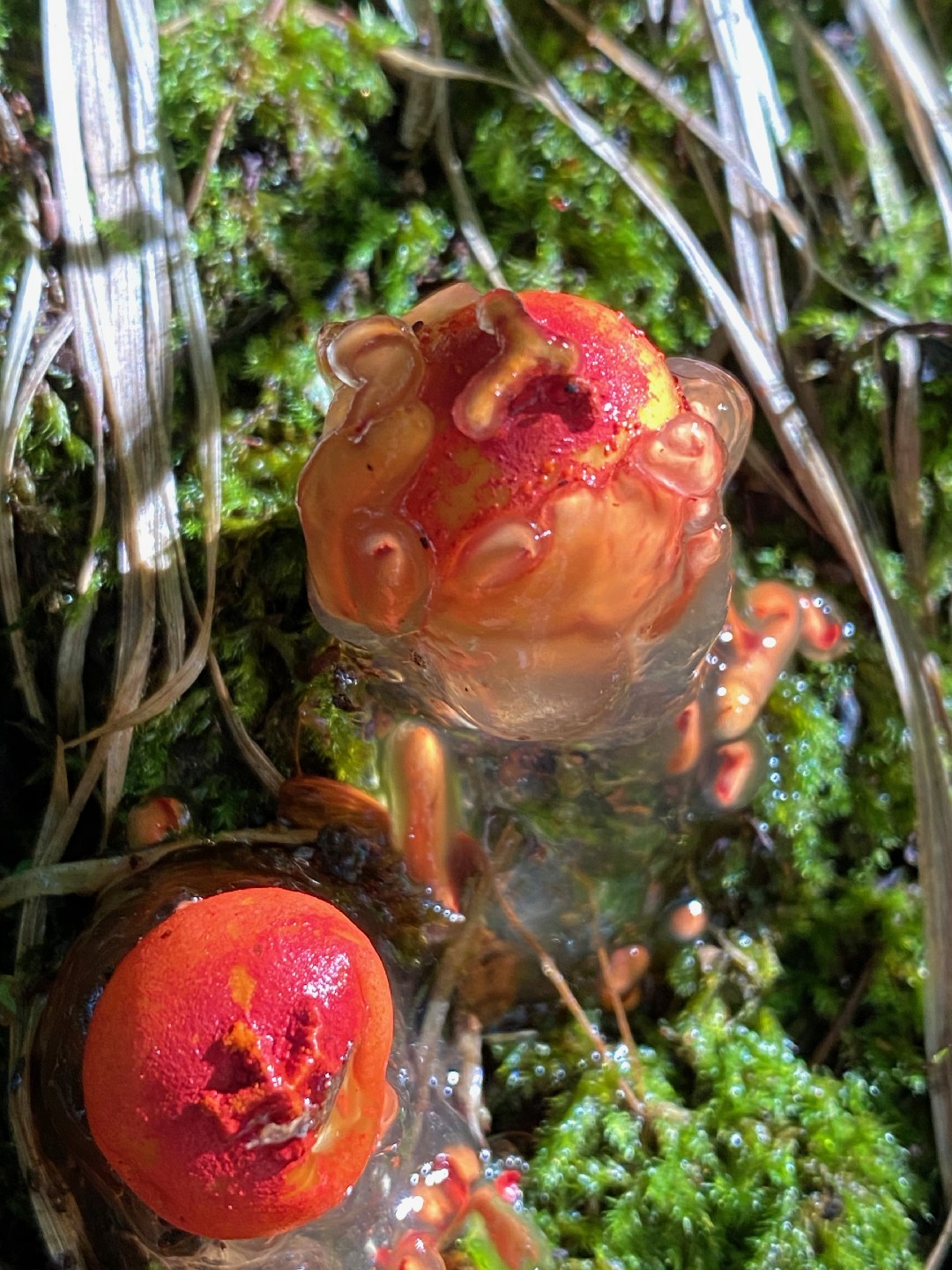
2. Slimy stalked-puffball
The slimy stalked-puffball is beautiful and repulsive at the same time. With its unusual shape and striking red color make it a distinctive species, the gelatinous chunks that it produces while shedding really create an unpleasant visual.
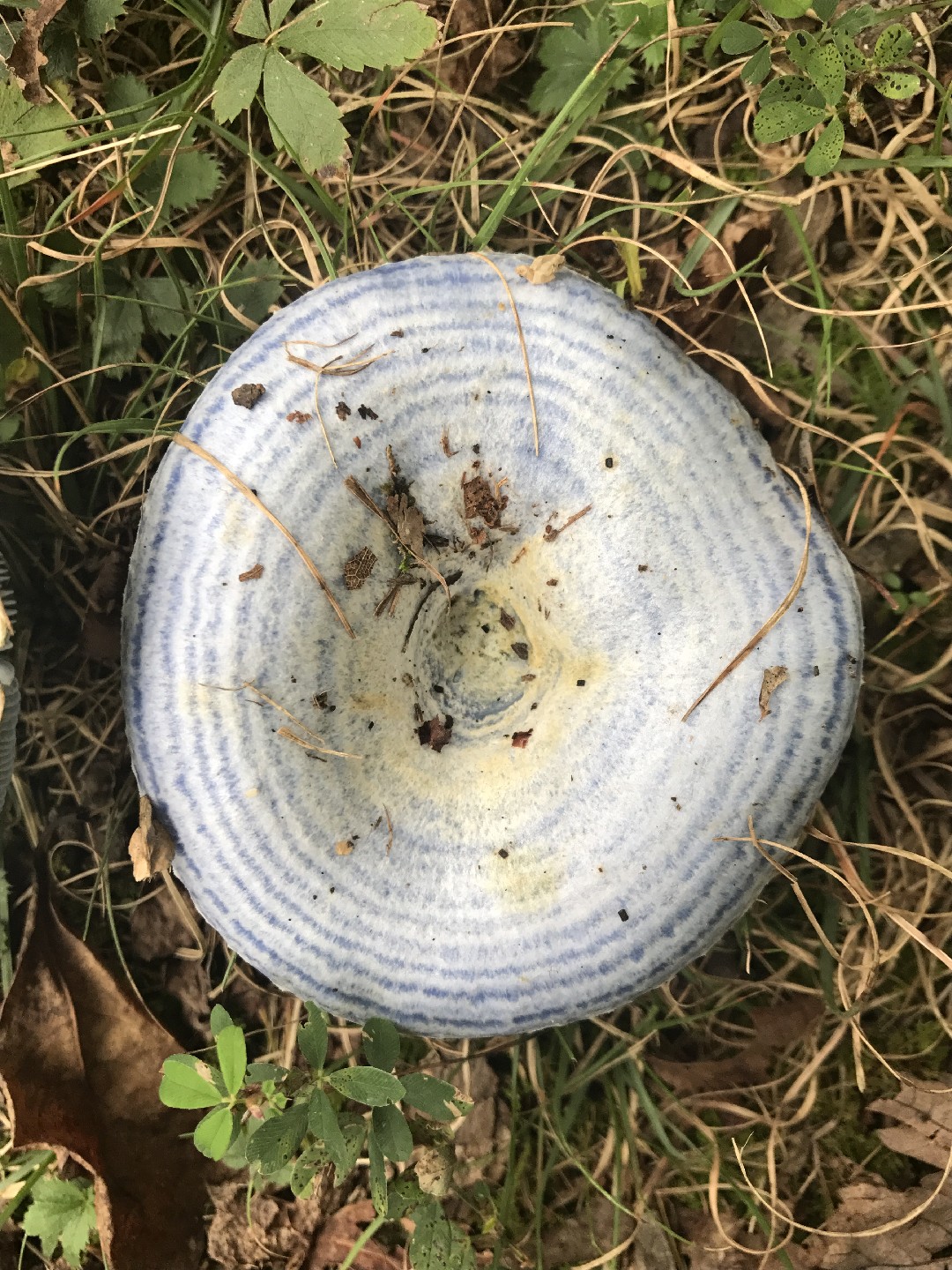
3. Indigo milk cap
This gorgeous species is unlike any other. The indigo milk cap, a member of the often-drab russula family, is deep blue in color. Like other milk caps, it bleeds a latex-like substance when cut or damaged, but instead of the usual white this species bleeds deep blue.
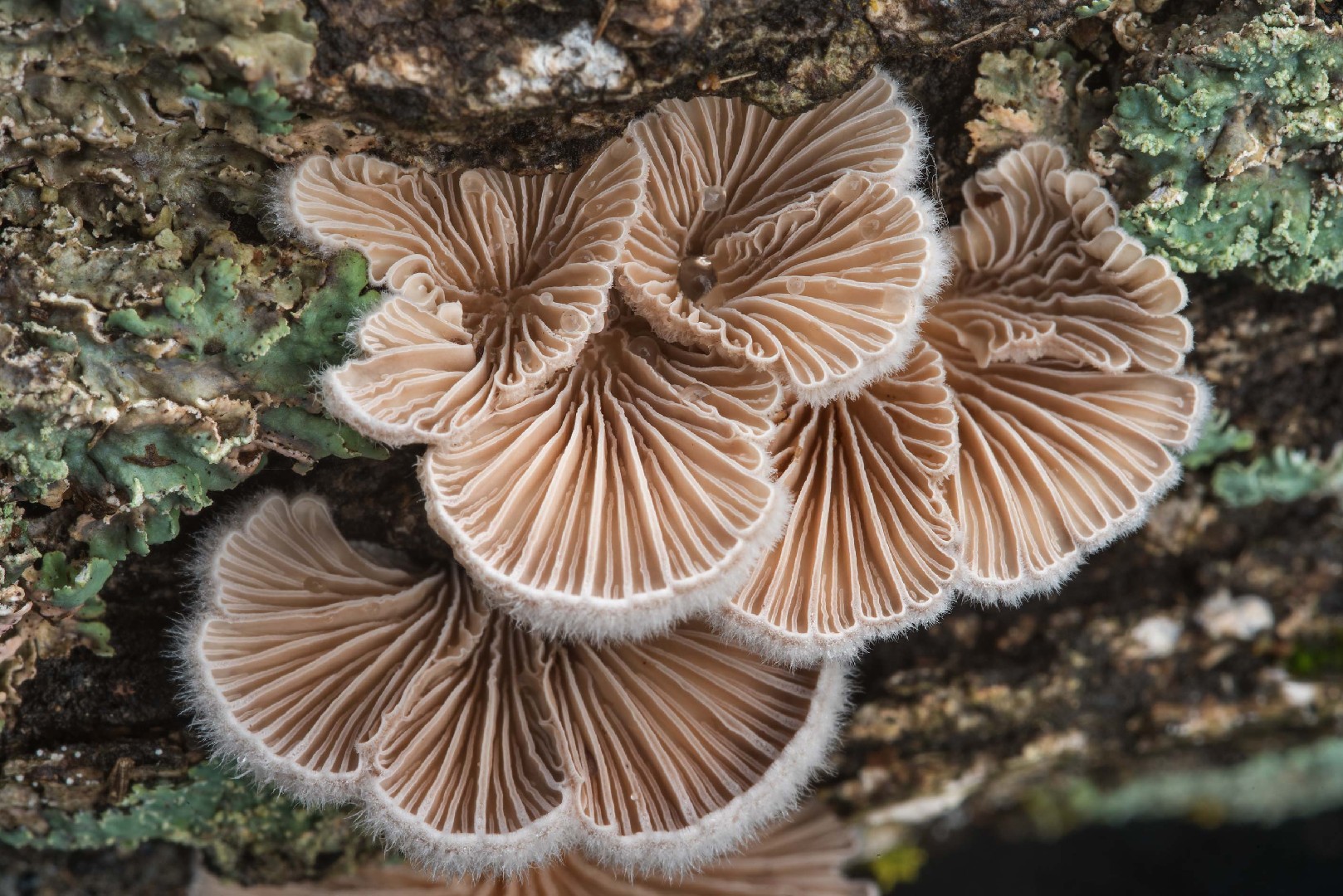
4. Split gill
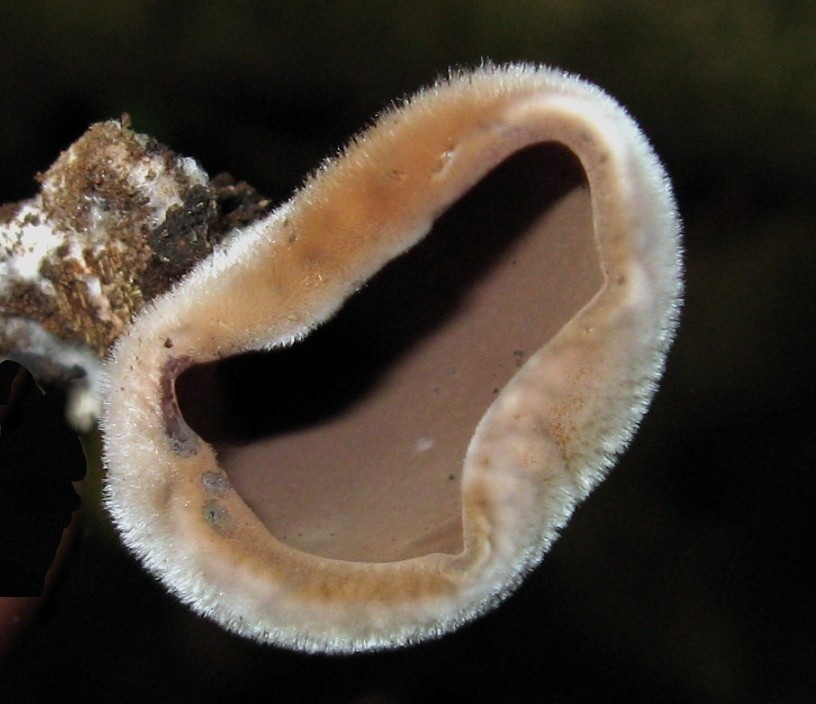
Split gill(Schizophyllum commune) can be found across the globe. Uniquely, it is the only mushroom species known to display the capability to retract by movement. It is considered inedible, although not necessarily toxic. Furthermore, it is not recommended to smell this species, as the spores are capable of sprouting and growing in nasal passages.
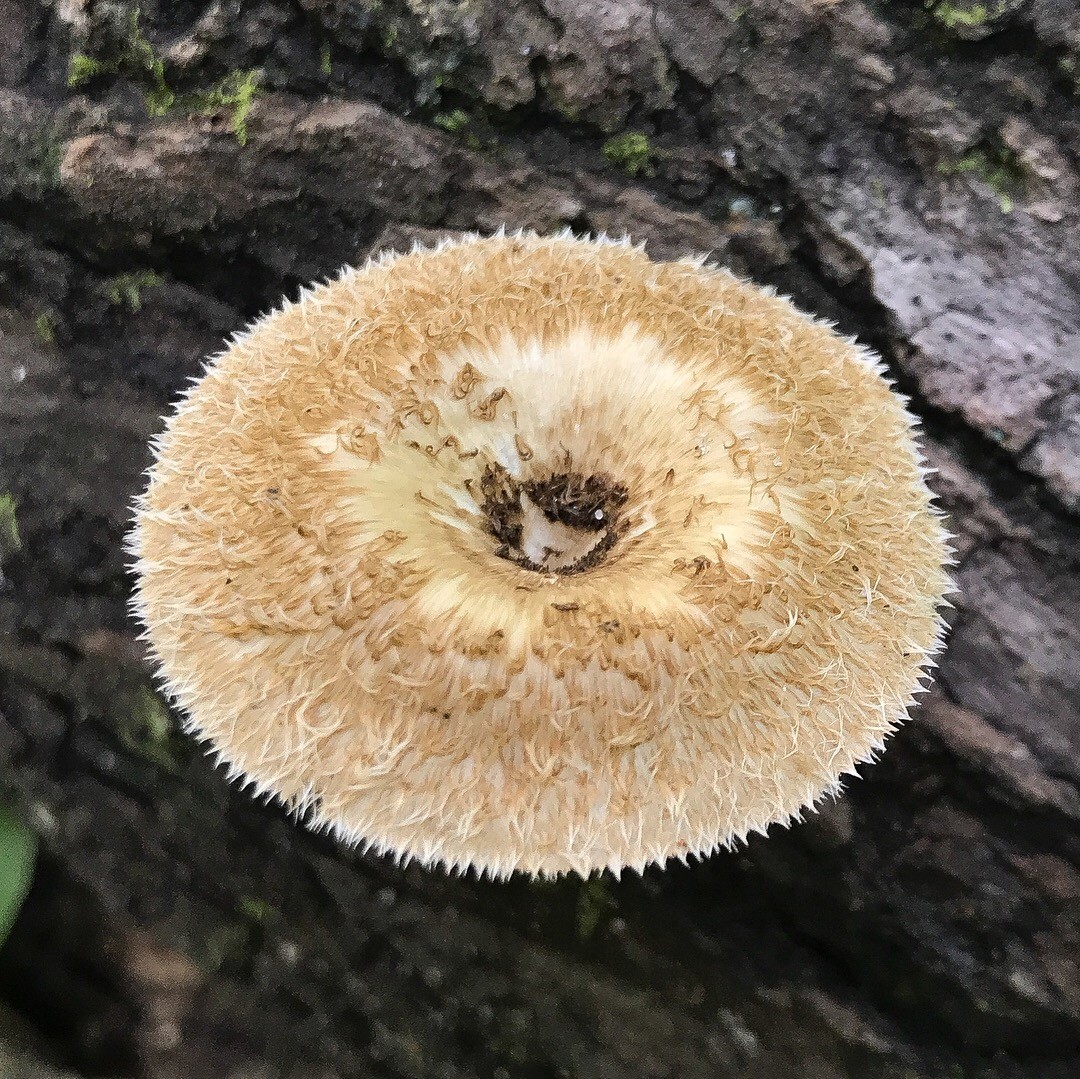
5. Fringed sawgill
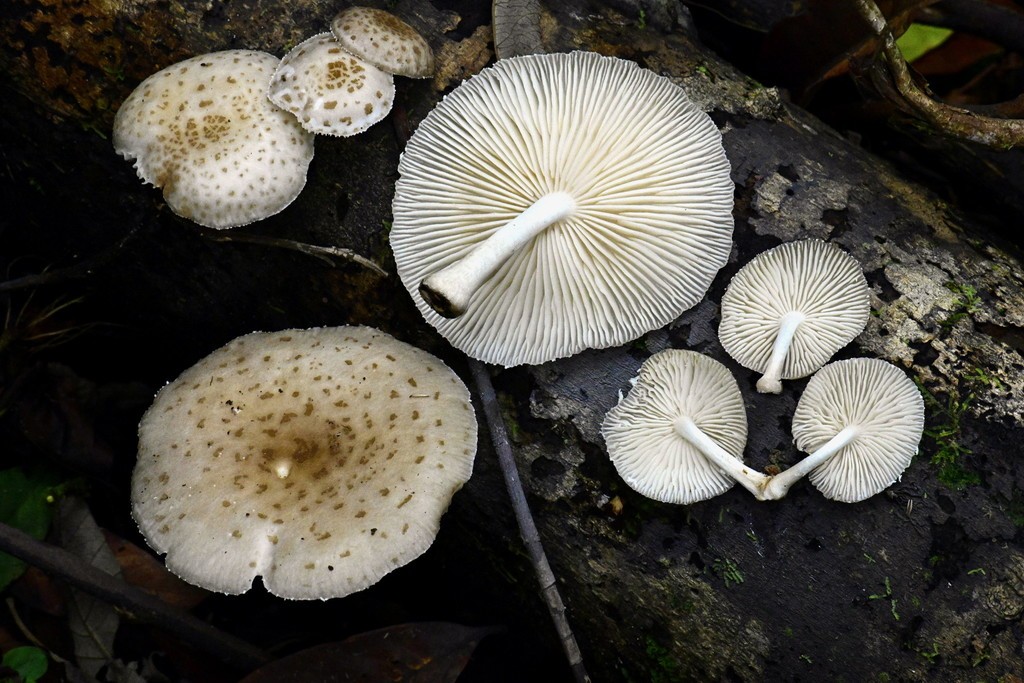
The odd shape cap of the fringed sawgill can be spotted from afar by its fuzzy, almost wig-like appearance. The cap is predominately dark tan towards the concave center but fades to a crisp white along the edges and gills. Size ranges from thumb-sized to dinner plate size.
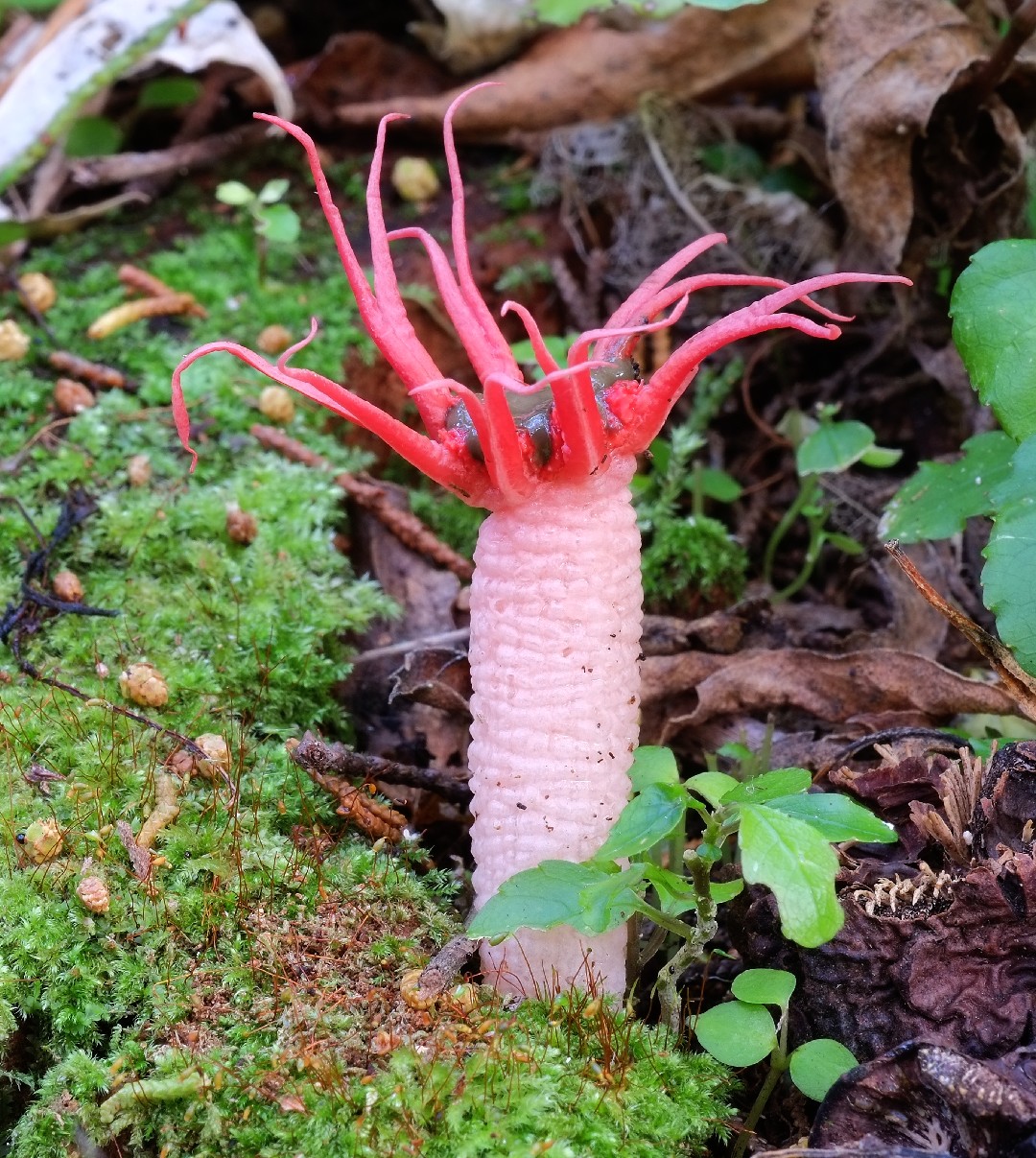
6. Anemone stinkhorn
The anemone stinkhorn (Aseroe rubra) looks like a creature straight from the depths of the ocean…or perhaps a horror movie! This Australian native starts fruiting with a white, egg-like ball that breaks open to reveal bright red tentacle-like fingers that spread toward the sky with radial symmetry and the odor of rotting meat. It has spread to tropical and sub-tropical areas around the world and is potentially poisonous.
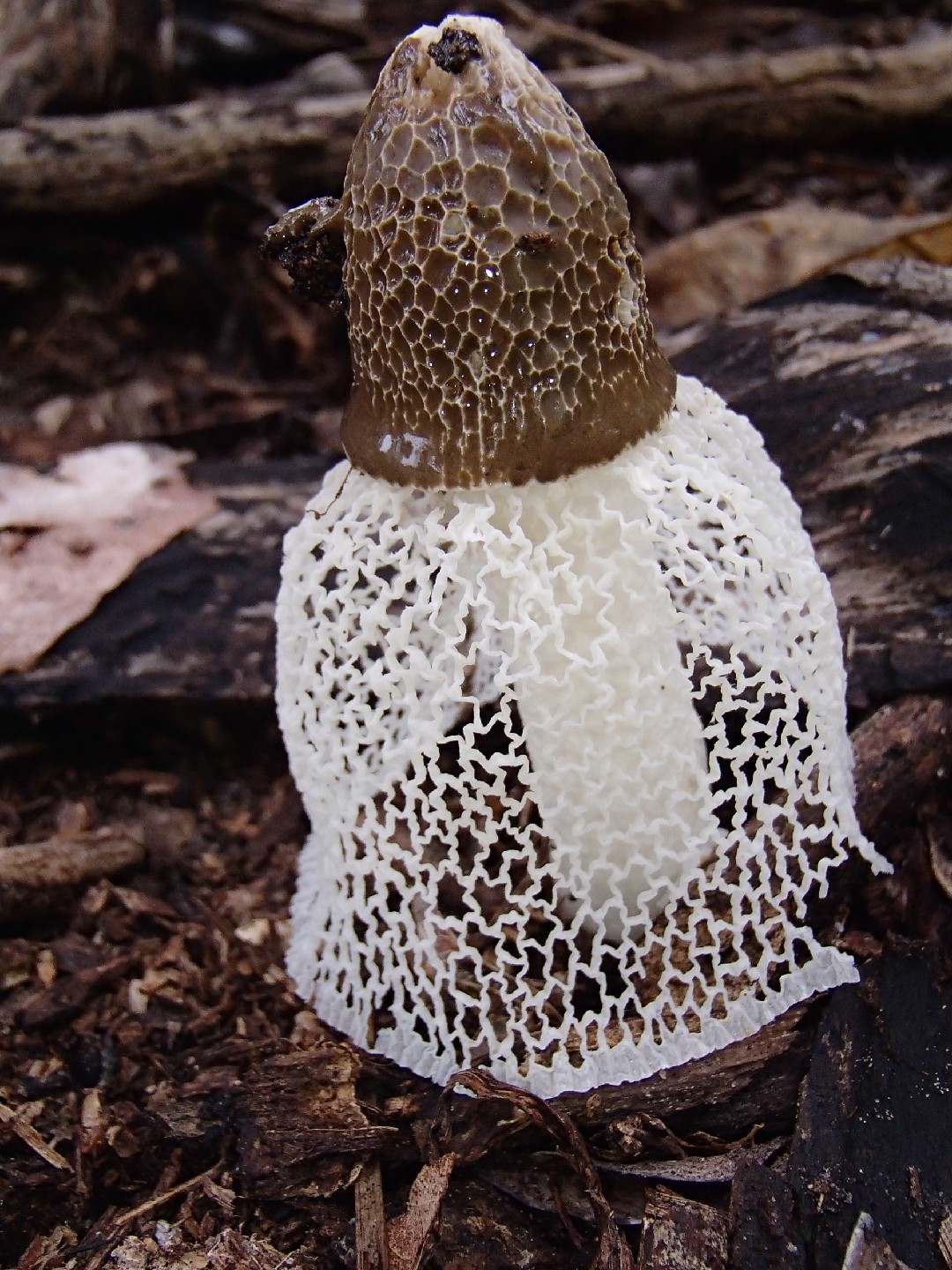
7. Bridal veil stinkhorn
Bridal veil stinkhorn (Phallus indusiatus) can be found rising up from the ground in tropical forests around the world. A distinctive netted fringe “skirt” descends from the cap along the length of the stalk. A type of “stinkhorn,” the fruitbodies of this species produce scents that vary between sickly-sweet to just plain unpleasant. The odor is meant to attract insects that usually lay their eggs in carrion.
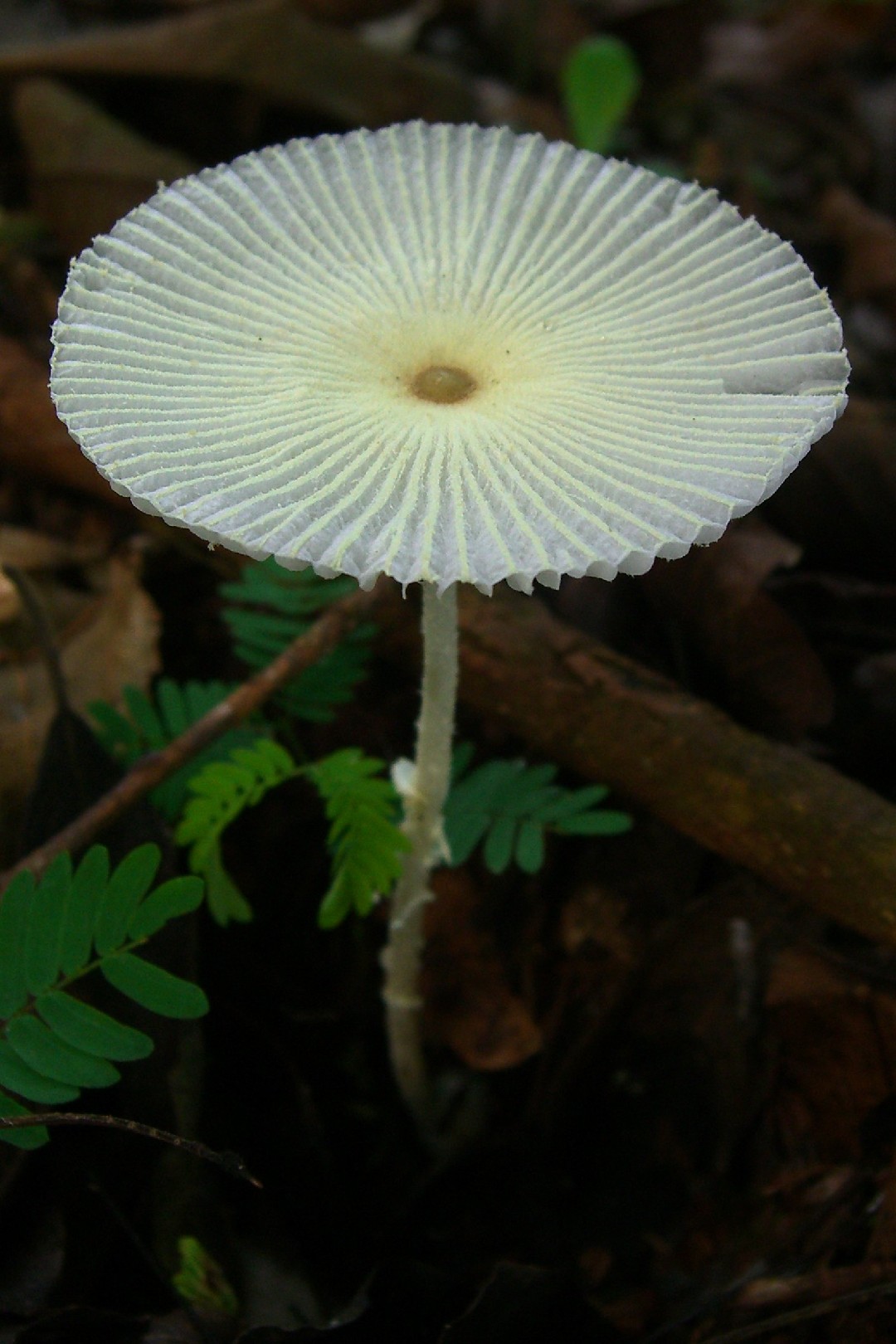
8. Fragile dapperling
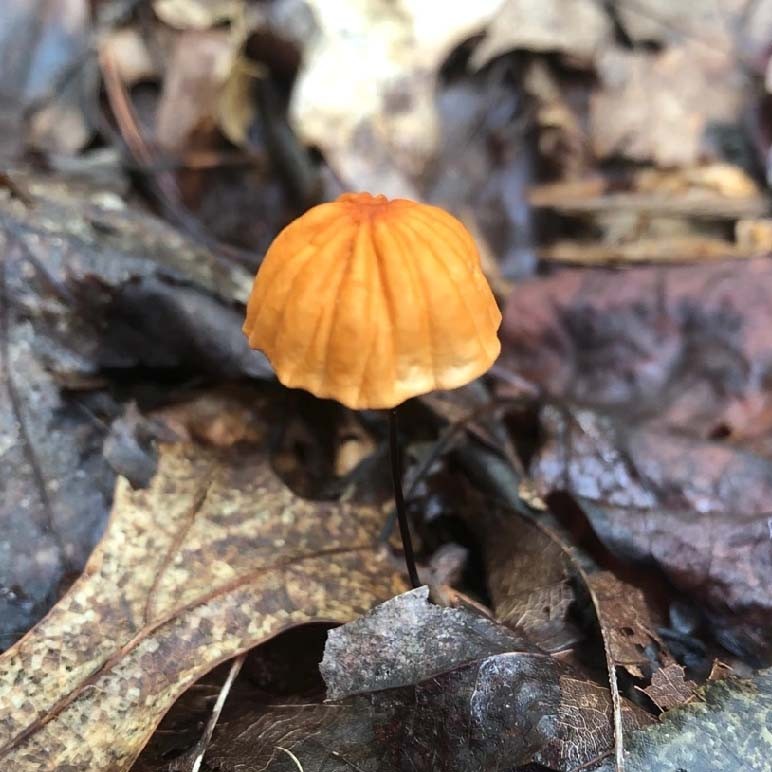
The fragile dapperling is a tropical and subtropical woodland species. As its name suggests, this mushroom is so tender and fragile that picking it becomes a real challenge. The stem is very thin and it easily snaps. The edibility of the fragile dapperling is unknown, but the mushroom is probably insufficient for any kind of meal.
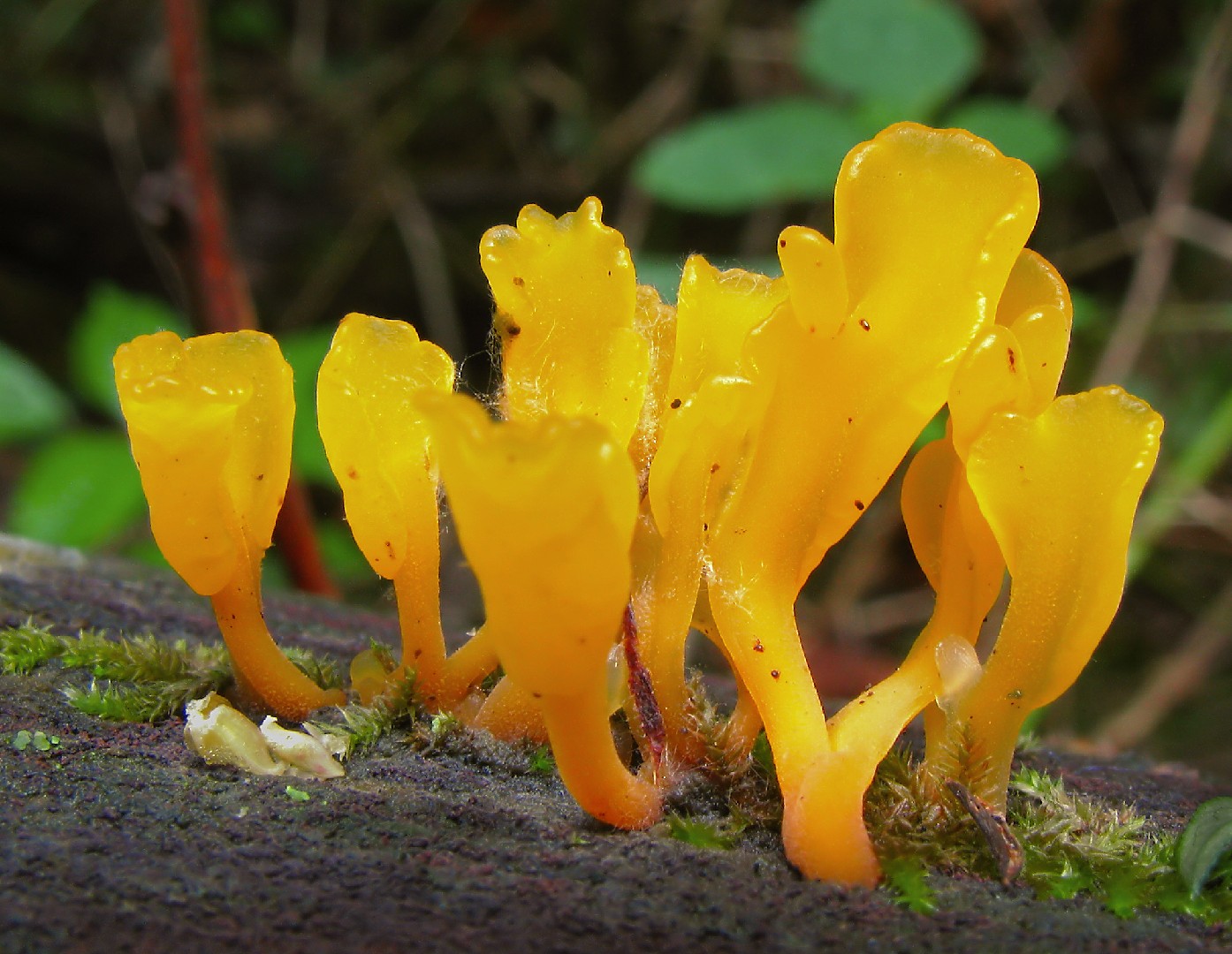
9. Fan-shaped jelly-fungus
Just as its Latin and the common English names suggest, the fan-shaped jelly-fungus (Dacryopinax spathularia) is a fan-shaped or spatula-shaped jelly-like mushroom. It commonly grows in wood cracks and it sometimes even appears in the cracks of the processed wood and lumber. Despite the word "jelly" in its name, the fan-shaped jelly-fungus is not considered edible.
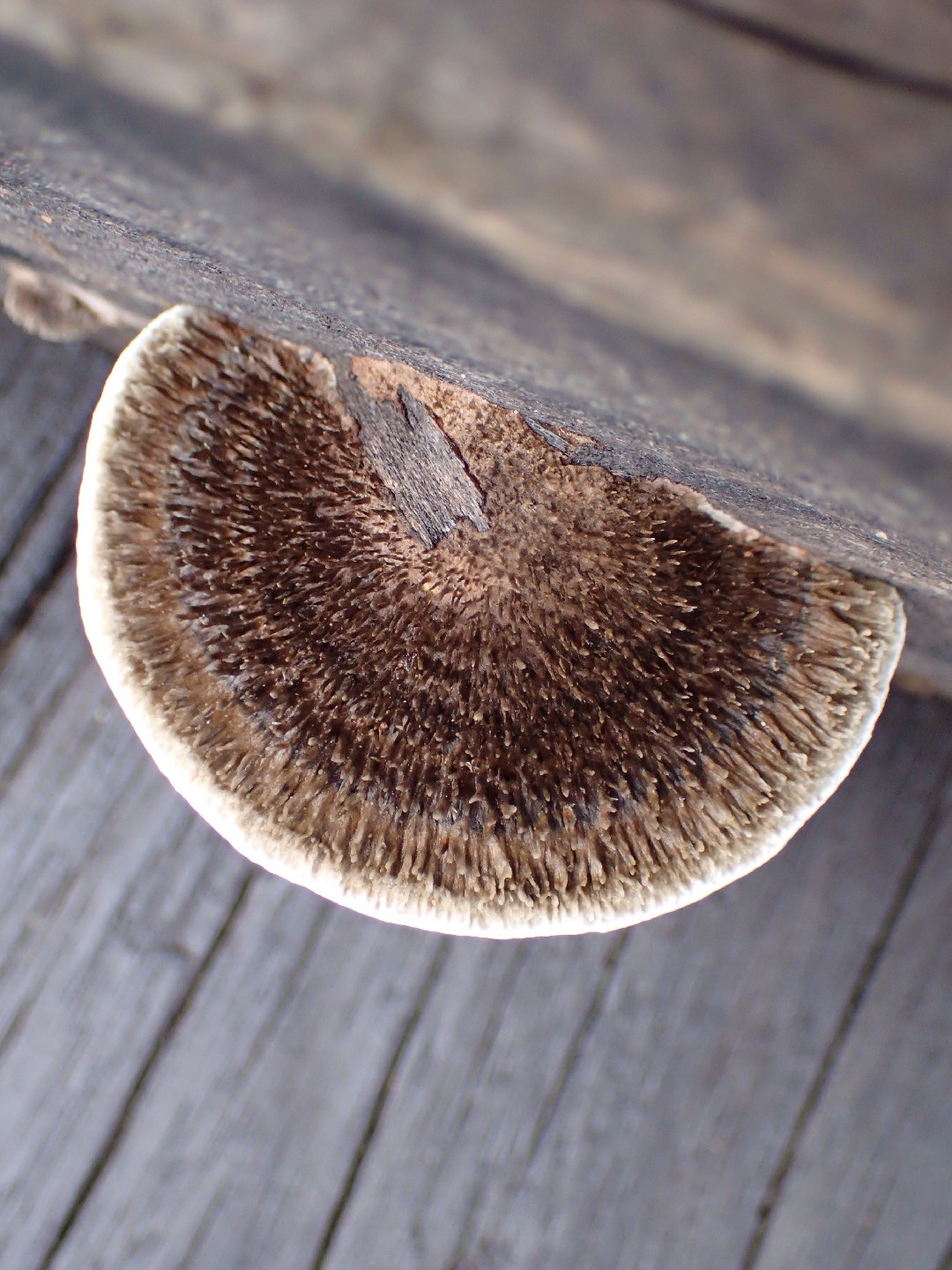
10. Hairy hexagonia
The hairy hexagonia (Hexagonia hydnoides) is not the most common mushroom you'll find, but has very distinctive qualities. Stiff, dark brown, bristle-like hairs emerge from an ochre flat cap and are found growing from a decaying tree stump or wood. The large pores on the cap's underside create an almost sponge-like appearance, and the stem is otherwise not visible.

More







