




Top 11 Most Common Mushrooms in Cuenca

Most Common Mushrooms
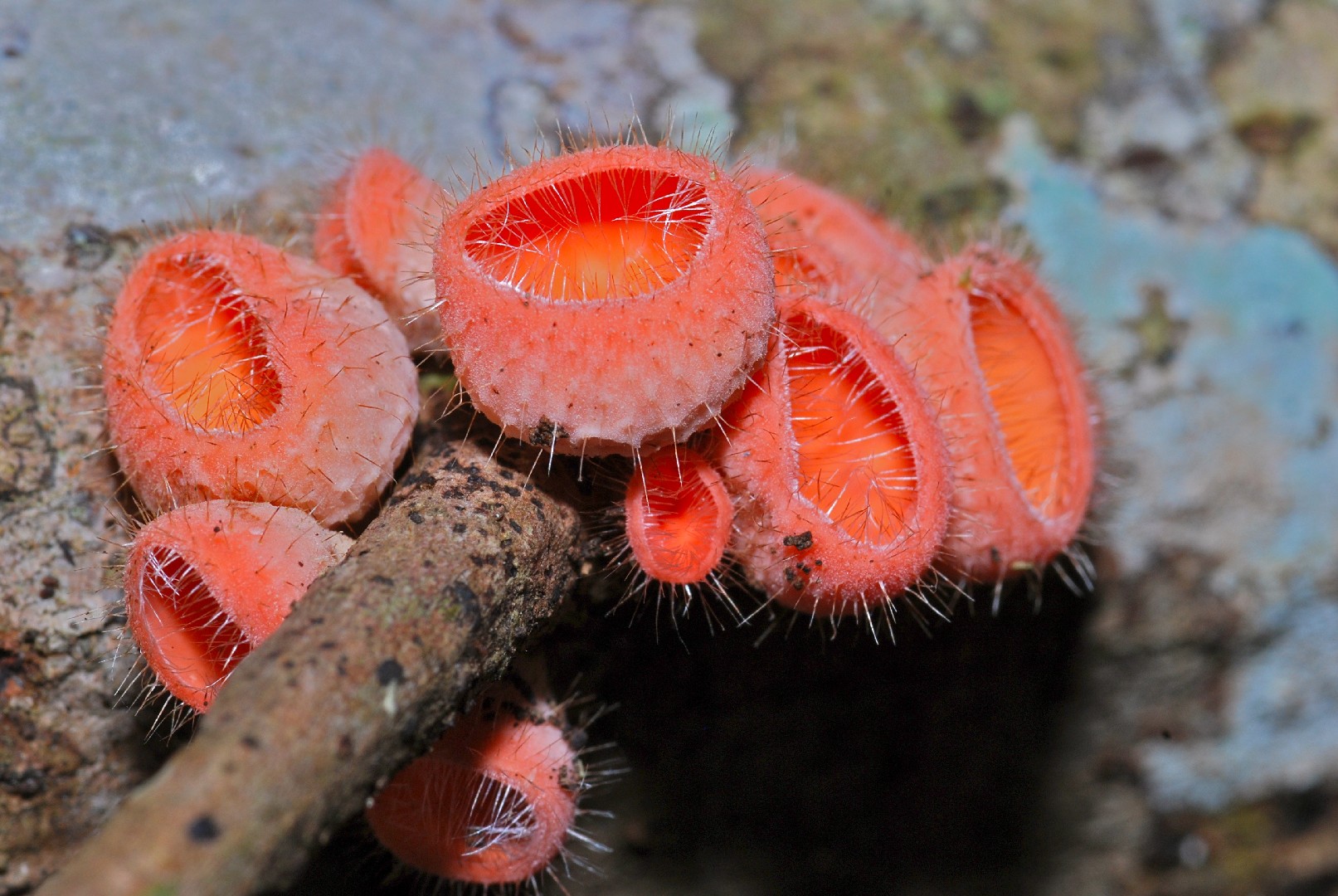
1. Cookeina tricholoma
Cookeina tricholoma is a hose mushroom from the family of the Kelchbecherlingsverwandten.
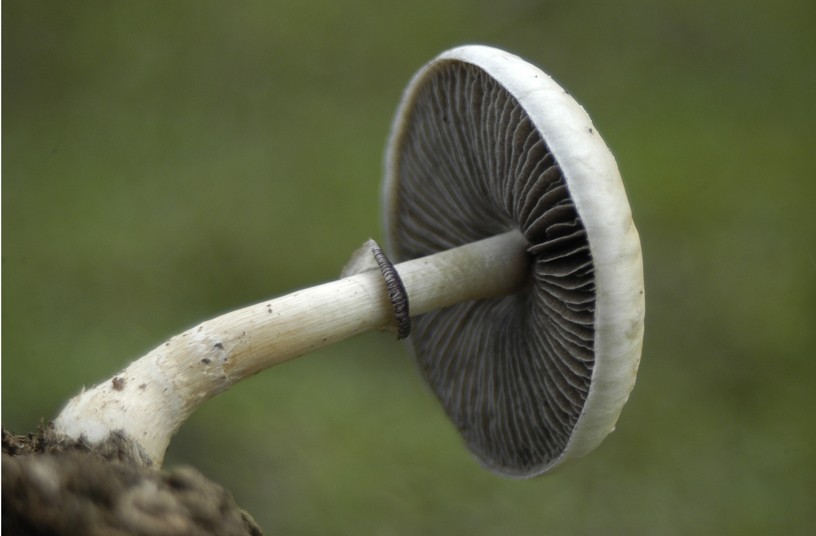
2. Magic mushroom
Psilocybe cubensis, known informally as magic mushroom, are a globally distributed species that can be found growing in tropical or subtropical areas across the Americas, Africa, India, Southeast Asia, and Australia. Particularly fond of growing in cattle dung, the magic mushroom may be found in larger quantities in ranching areas.
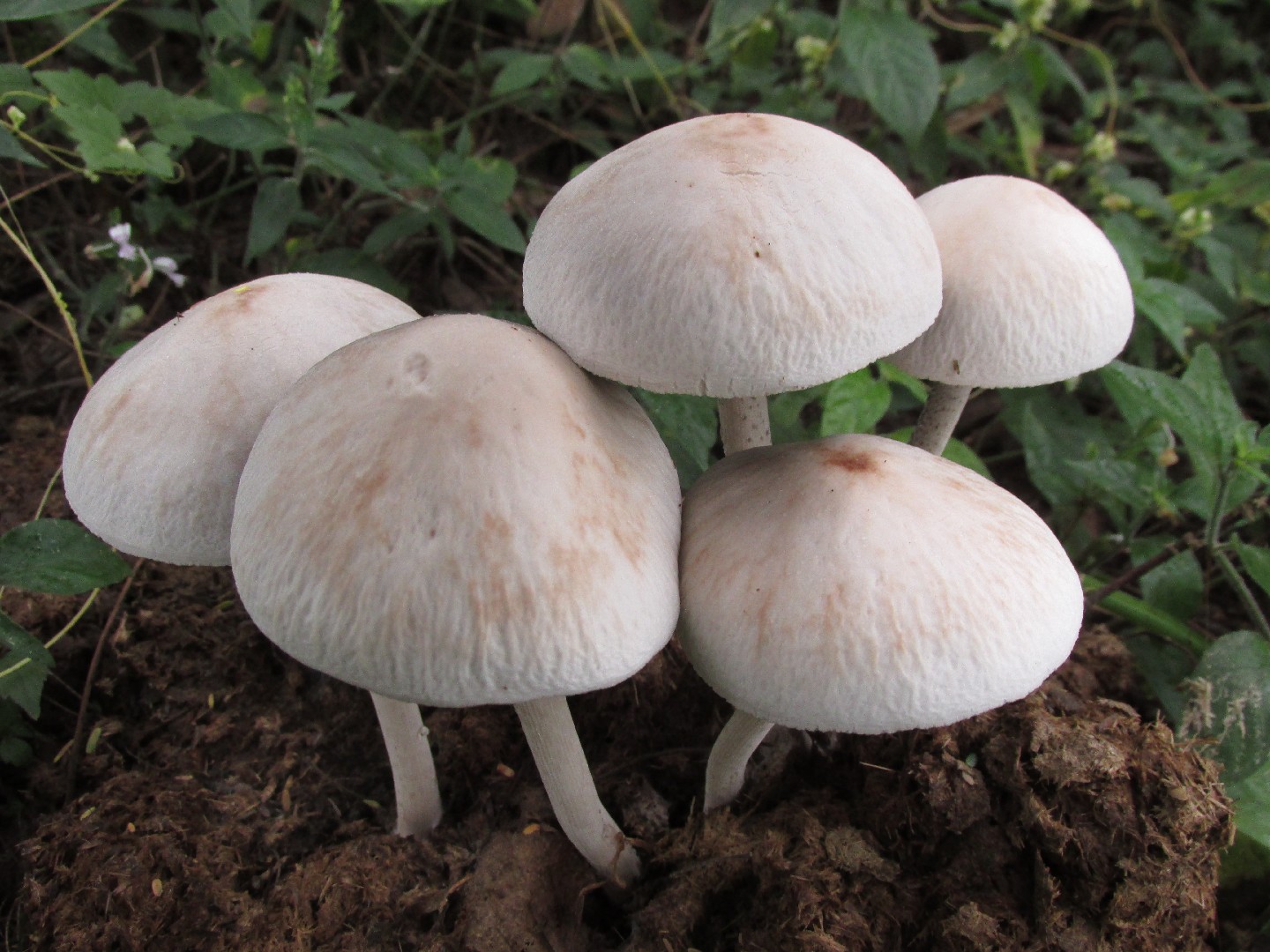
3. Panaeolus antillarum
The panaeolus antillarum is a small, nondescript mushroom that, like other members of the Panaeolus genus, favors fruiting in animal dung, though it may also be found in wet meadows or even lawns. Though its stalk and cap don't offer any quick or easy identifying characteristics, one distinguishing feature of this species is its spore print, which is jet black.
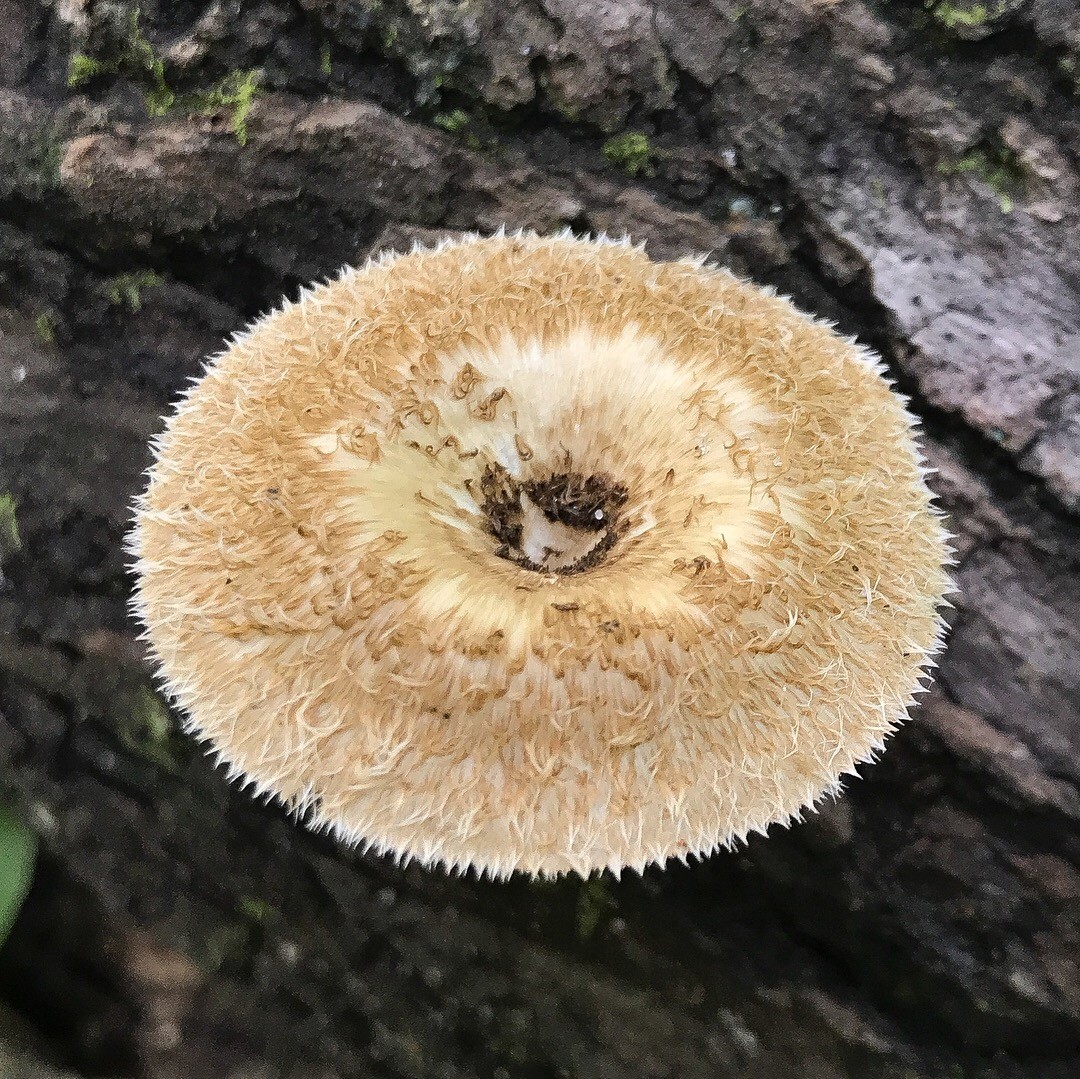
4. Fringed sawgill
The odd shape cap of the fringed sawgill can be spotted from afar by its fuzzy, almost wig-like appearance. The cap is predominately dark tan towards the concave center but fades to a crisp white along the edges and gills. Size ranges from thumb-sized to dinner plate size.
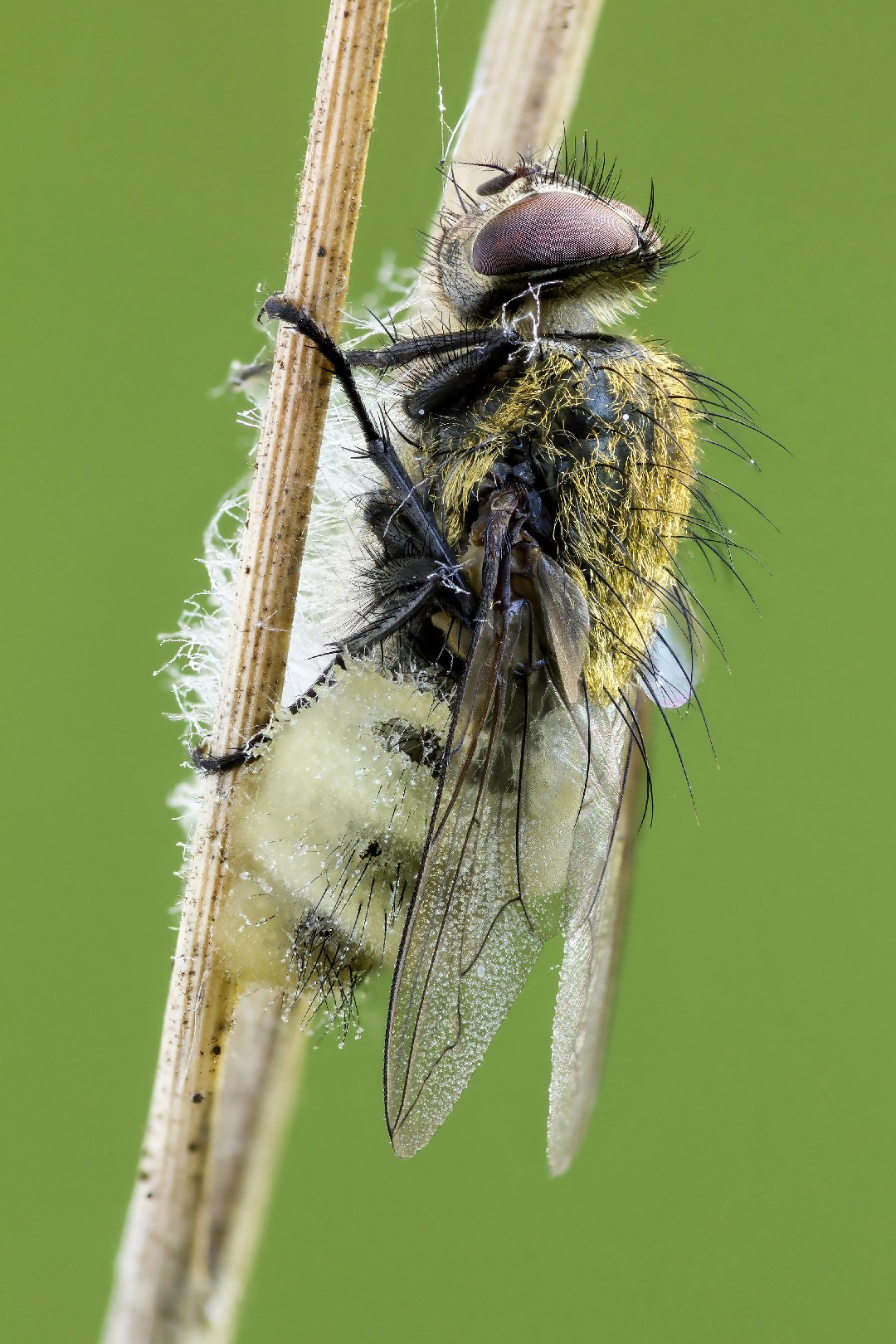
5. Fly death fungus
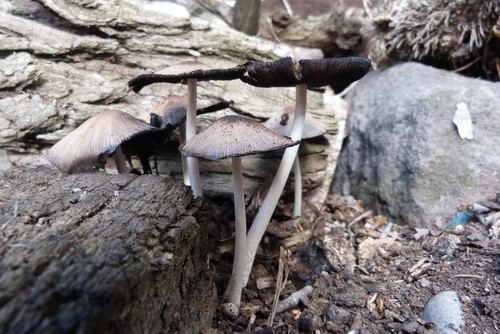
6. Mica cap
The bell-shaped mica cap mushrooms grow in clusters on wood debris and stumps, from spring to autumn. The caps appear wet and inky once they mature and begin to release spores. At that point, they can be boiled with cloves to create a useful black ink.
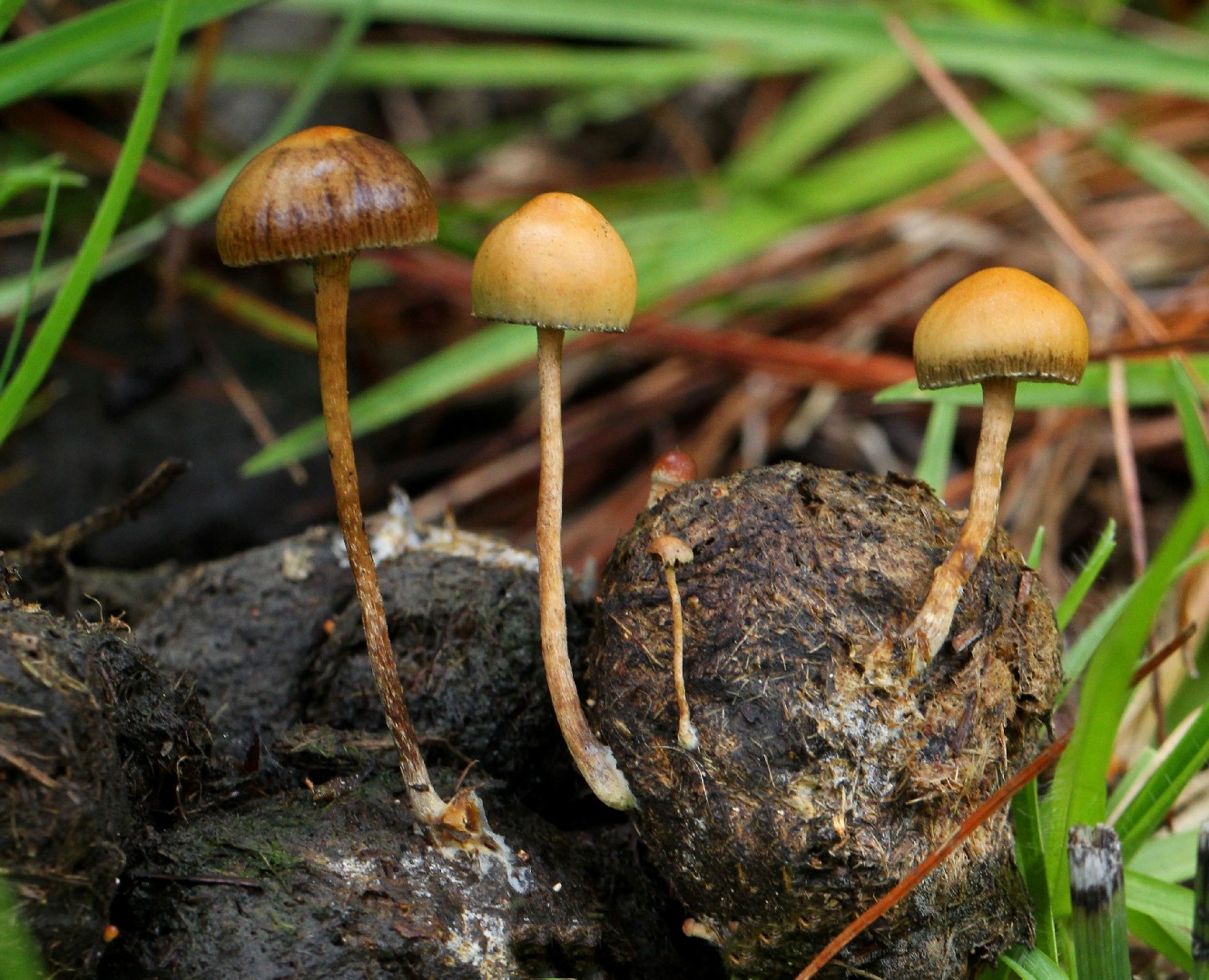
7. Dung-loving deconica
As its common name indicates, dung-loving deconica(Deconica coprophila) is most commonly found sprouting from decaying clumps of bovine or horse dung, particularly after periods of heavy rain. Perhaps unsurprisingly, there is little information available regarding its edibility. Consumption is therefore not recommended.
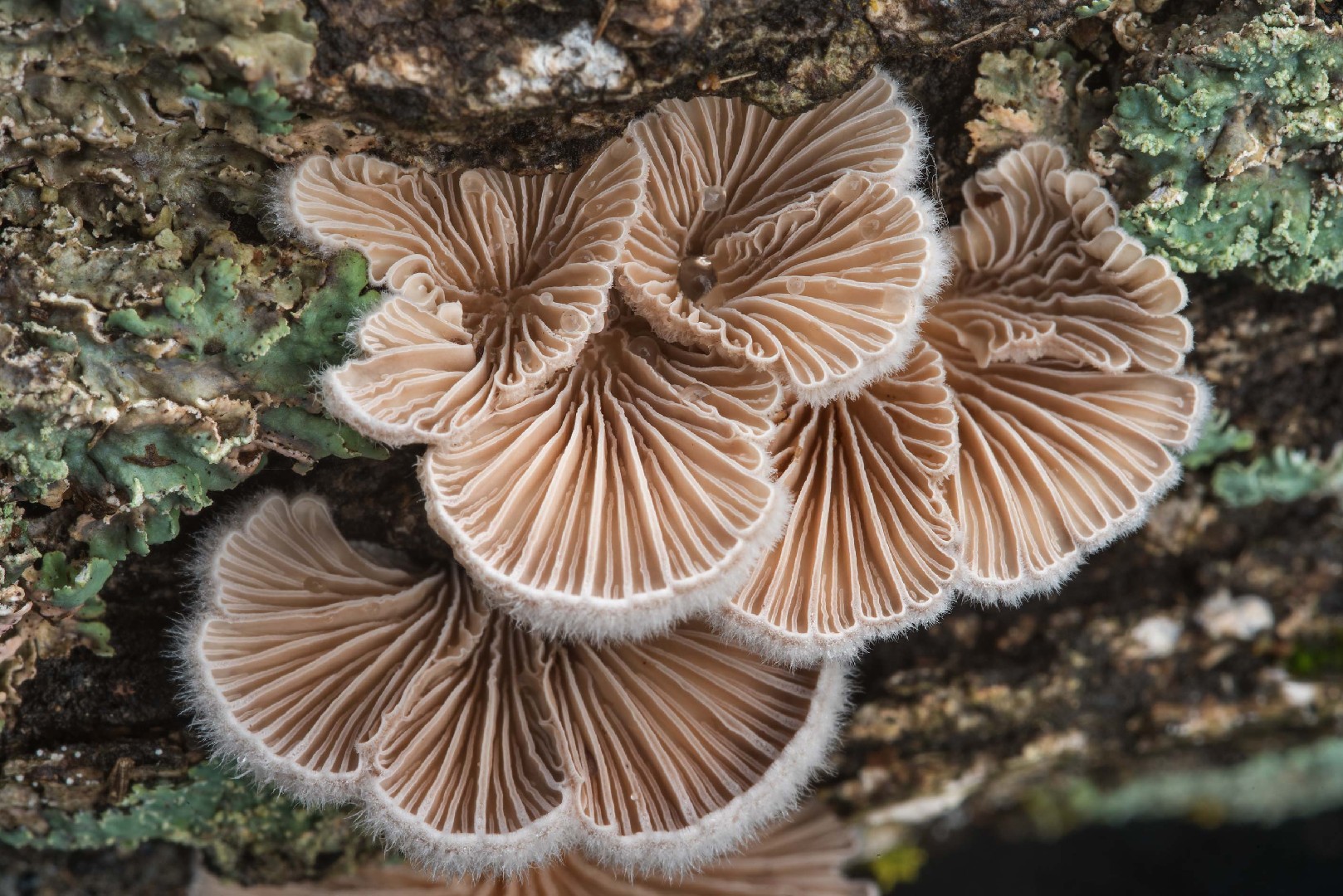
8. Split gill
Split gill(Schizophyllum commune) can be found across the globe. Uniquely, it is the only mushroom species known to display the capability to retract by movement. It is considered inedible, although not necessarily toxic. Furthermore, it is not recommended to smell this species, as the spores are capable of sprouting and growing in nasal passages.
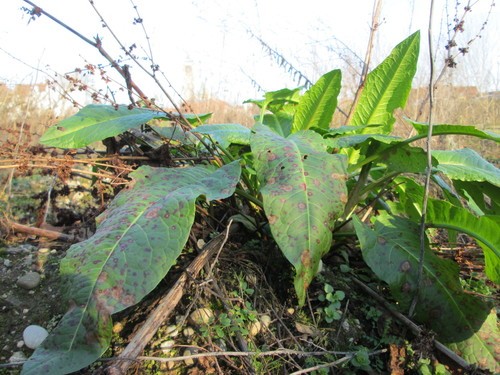
9. Red dock spot
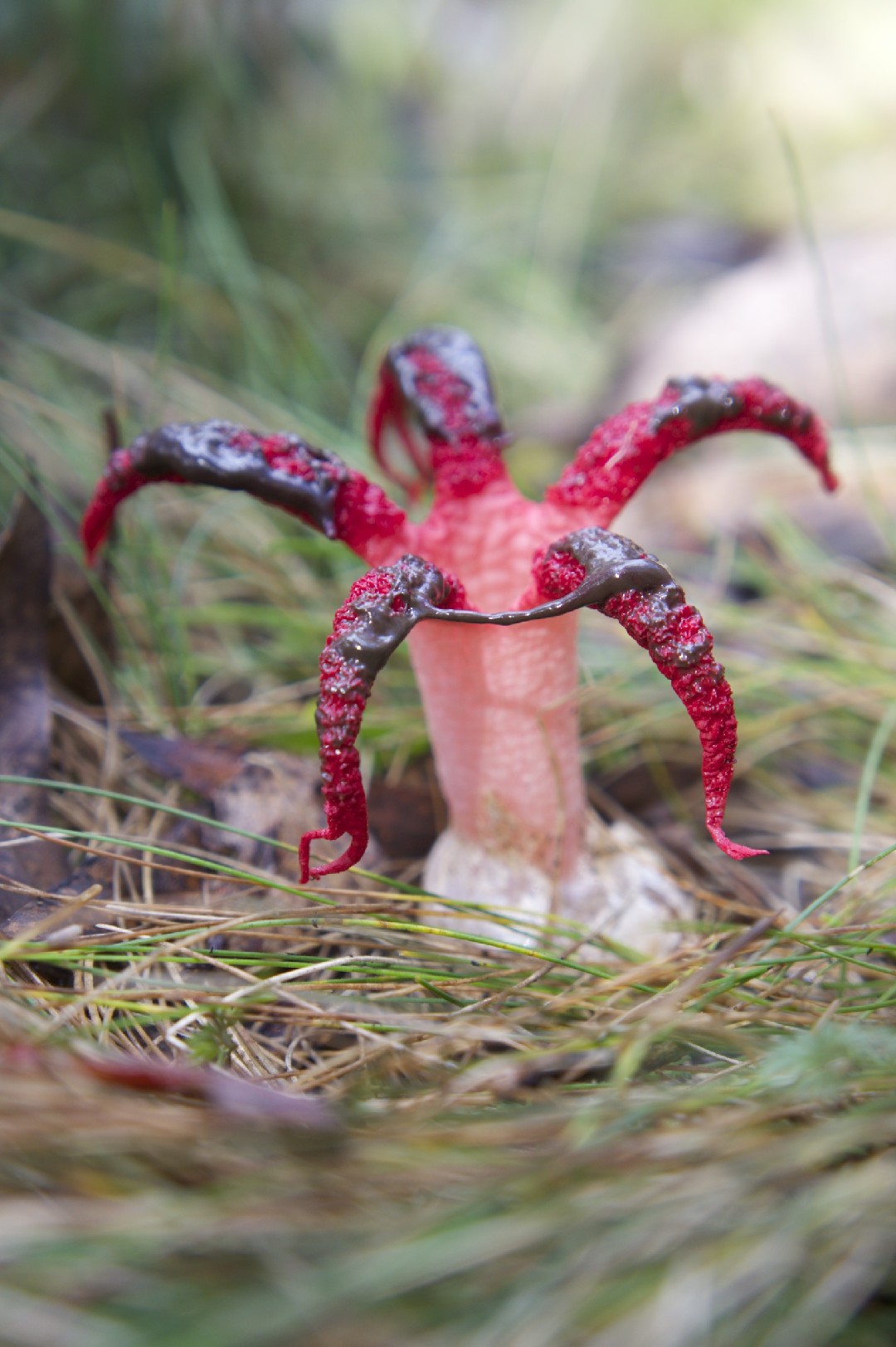
10. Devil's fingers
The devil's fingers is a mushroom of a unique appearance, often popping out in gardens and lawns. Its unpleasant odor, similar to the rotting meat, will surely keep people from getting too close. This pungent odor attracts flies, however, which have a significant role in the spore dispersal of the devil's fingers.
More







