




Top 20 Most Common Mushrooms in Nova Scotia

Most Common Mushrooms
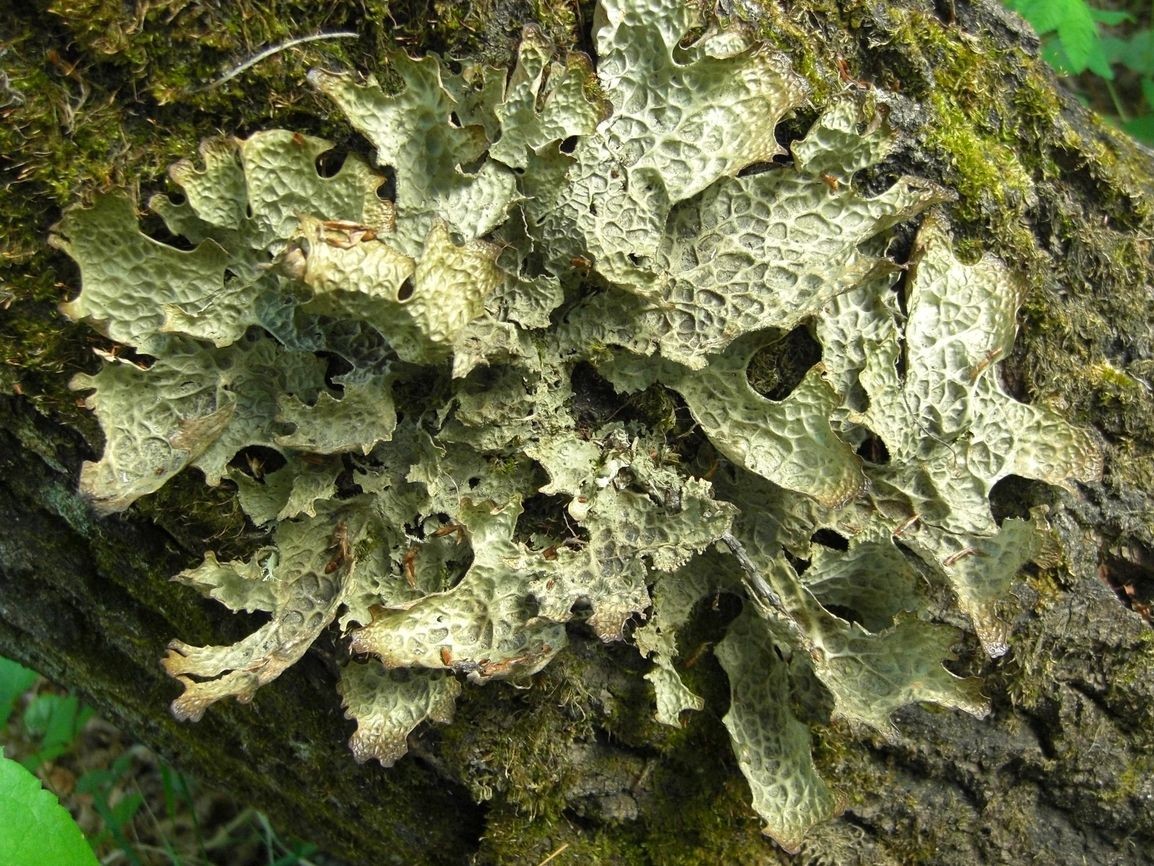
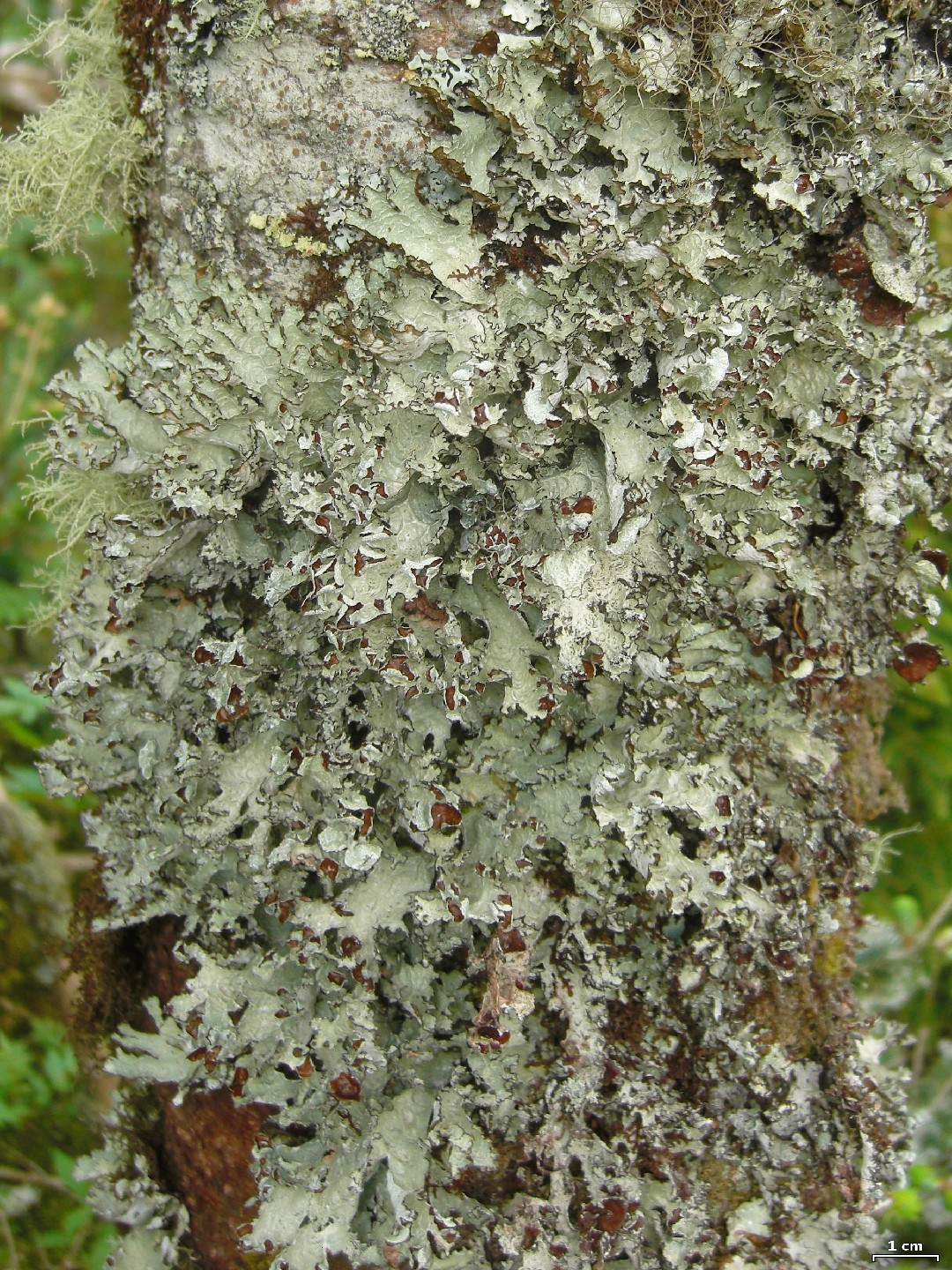
1. Tree lungwort
Tree lungwort is a green lichen that can be found in humid areas of North America, Europe, and Asia. It grows regularly on trees, rocks, and in urban areas rich with moss. It can be used as a dye. Animals may consume tree lungwort or use it as nesting material.
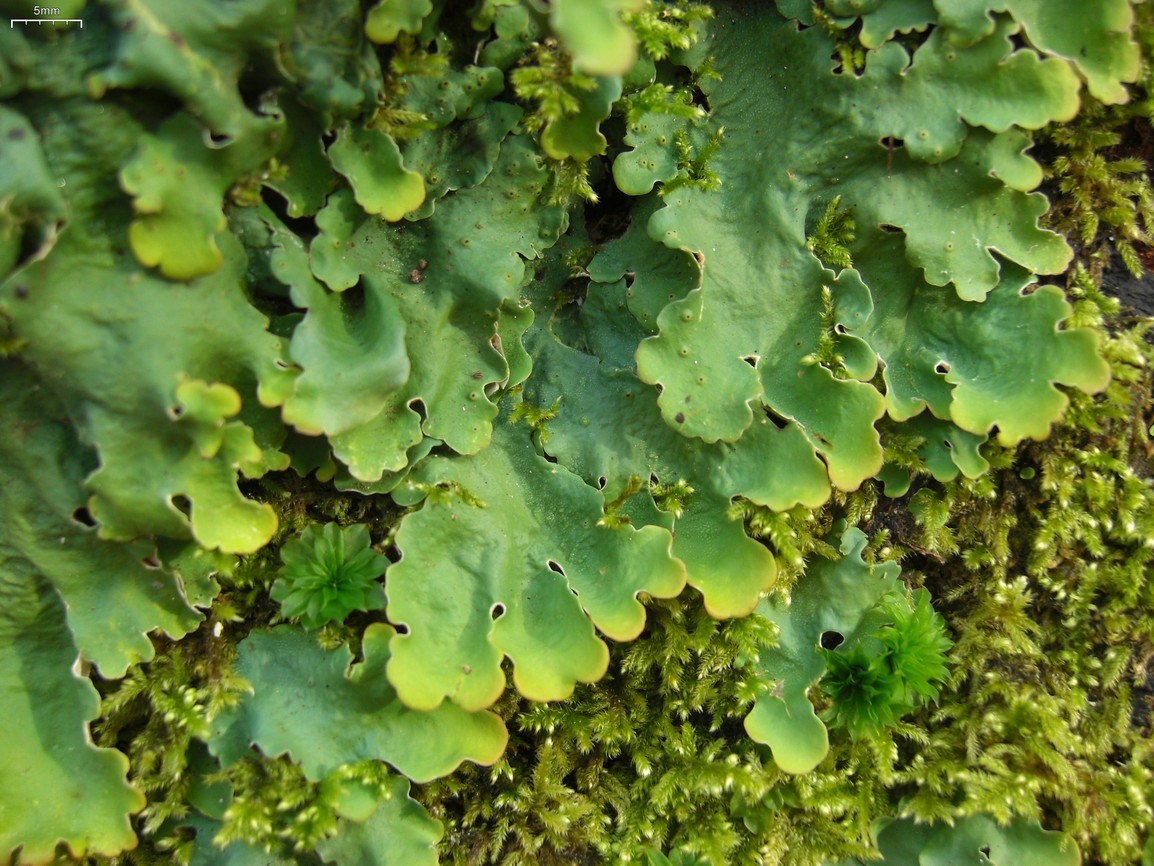
2. Smooth lungwort
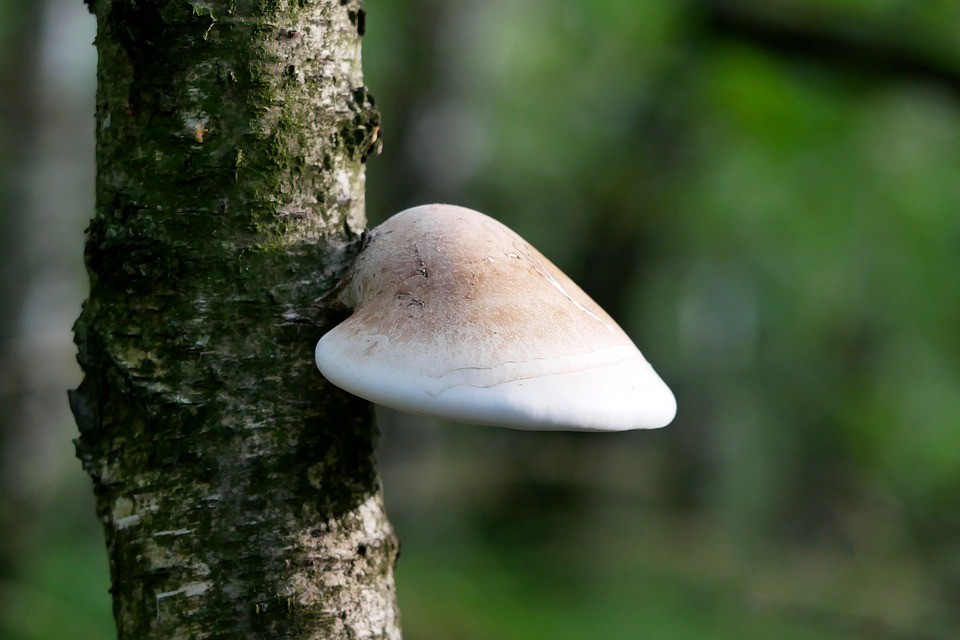
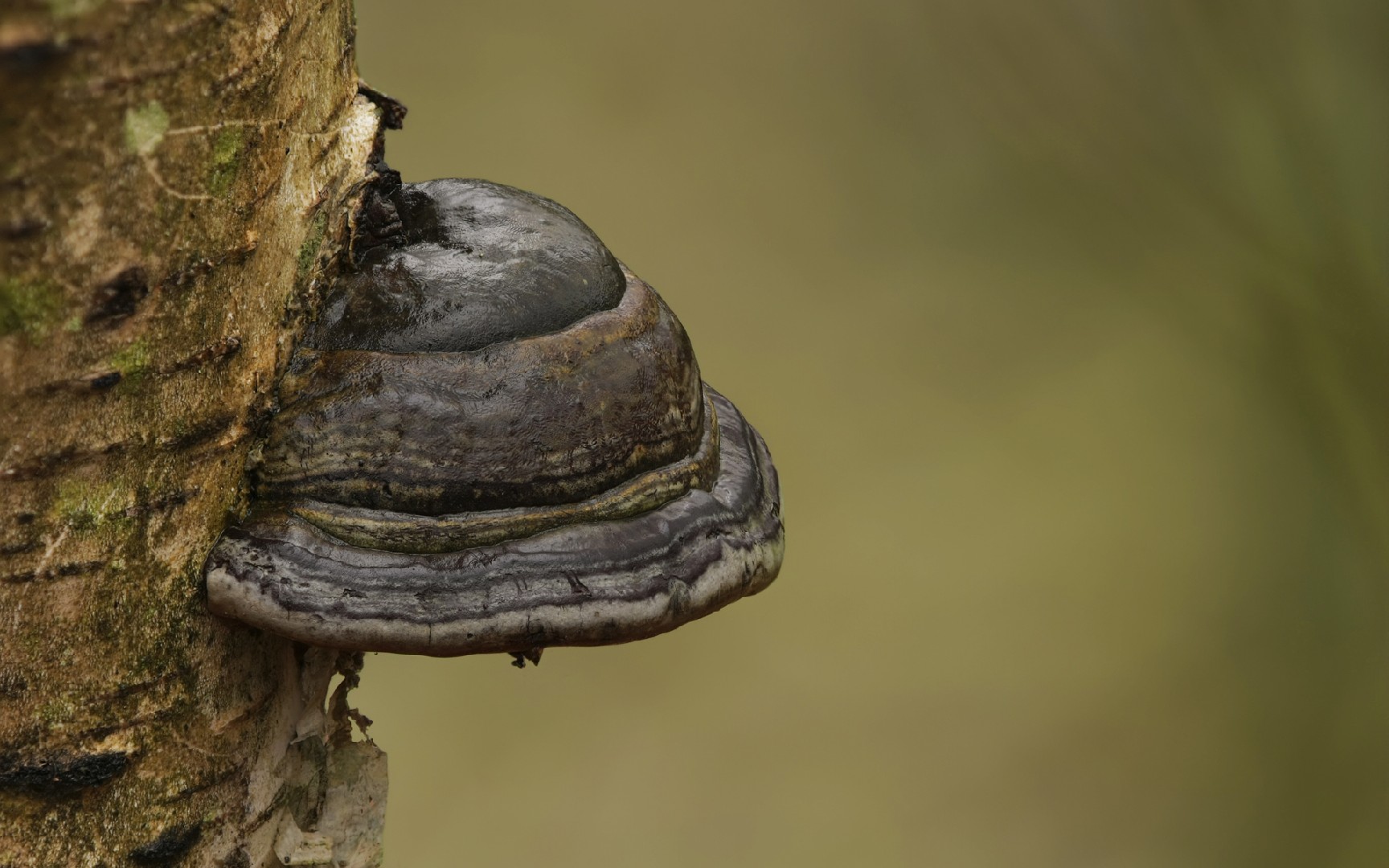
3. Birch polypore
The birch polypore has a variety of applications. Its thick skin has been used by barbers as a razor sharpener and as a mount for insect collectors. When dried, this mushroom was also used to carry fire over long distances because it burns slowly. The historical use of birch polypore doesn't stop there; pieces of this mushroom were found being carried by the five-thousand-year-old mummy Ötzi the Iceman.
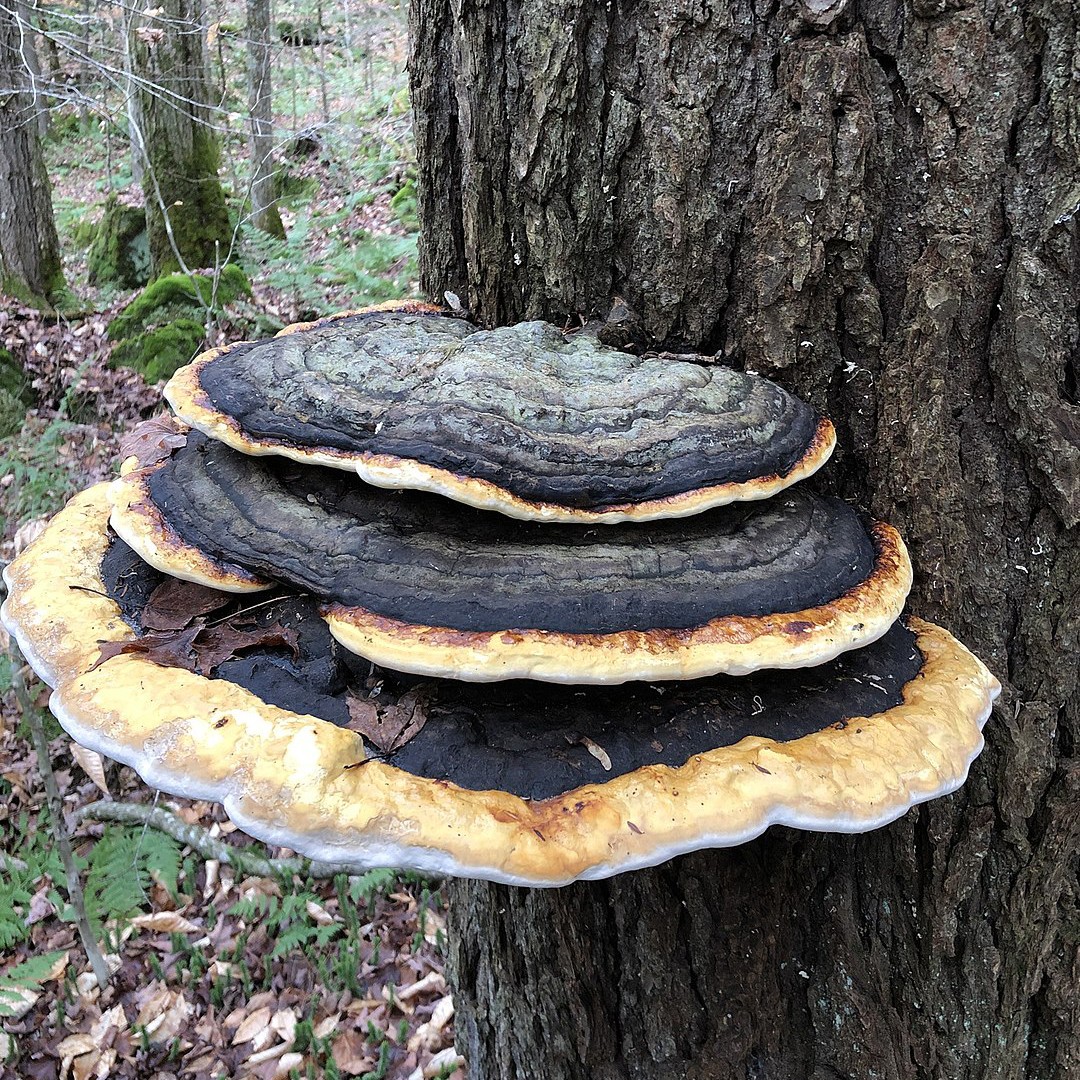
4. Red-belted polypore
Red-belted polypore is a shelf fungus that's usually seen on aspen, birch, and various conifer trees. This perennial mushroom is known to cause the cubical brown rot in host trees. A species new to science, it was named in honor of Irene Mounce, a Canadian mycologist. 
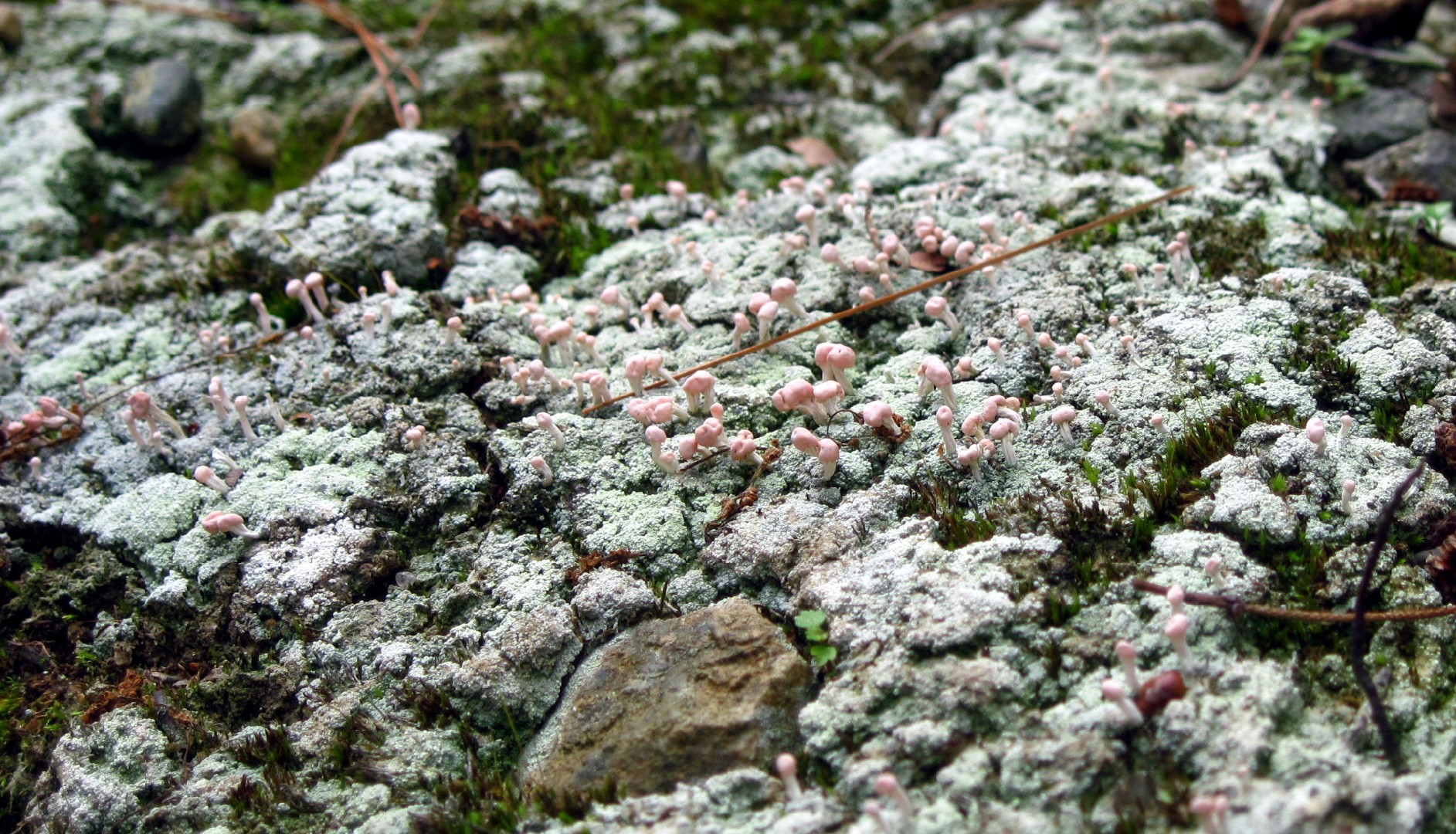
5. Pink earth lichen
Pink earth lichen is noted for its pink discs and preference for disturbed land. The pink discs of pink earth lichen grow upon petite stalks. Has a bushy or coral like growth structure and can be mistaken for British Soldiers, which have a red tip.
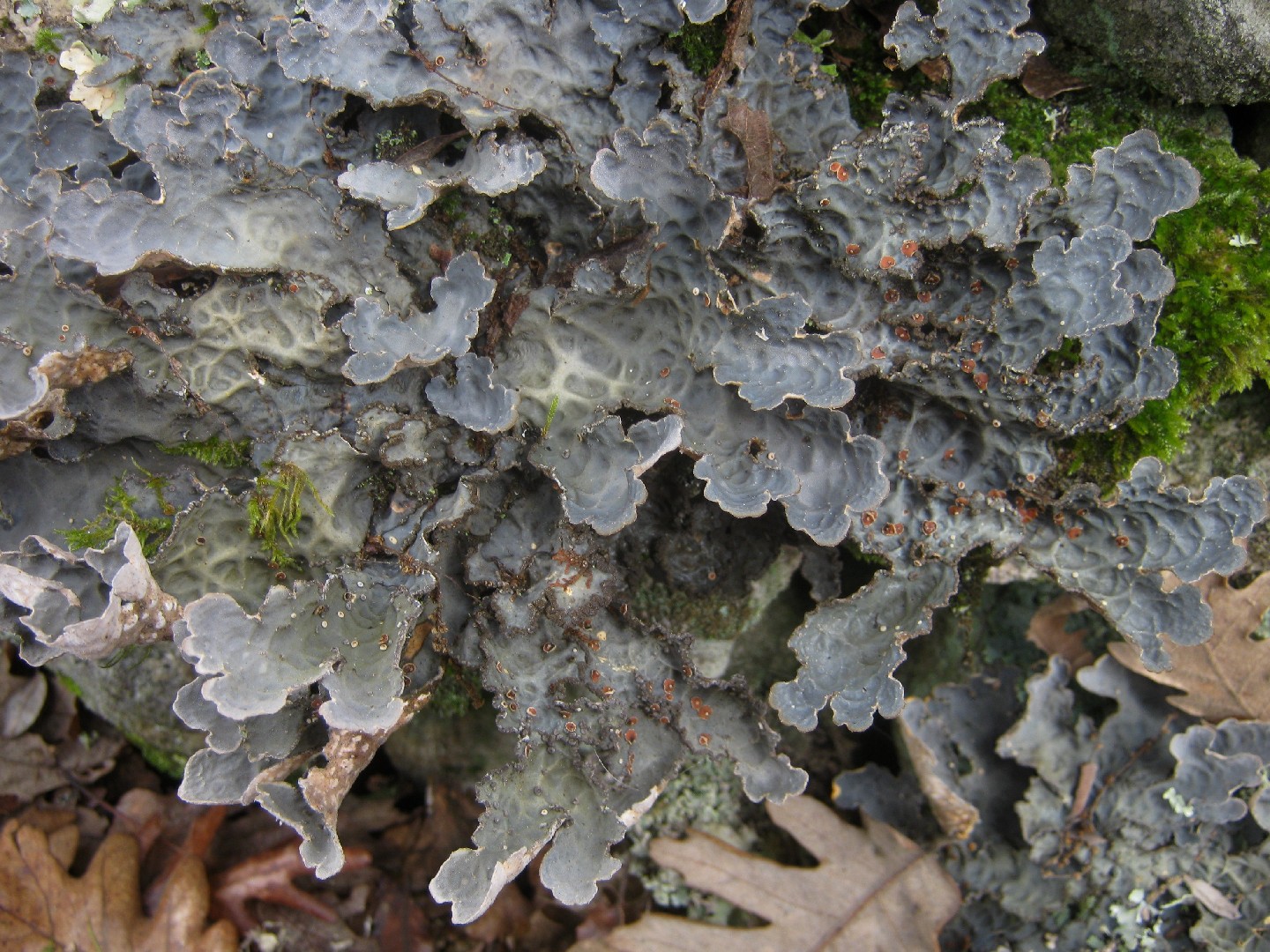
6. Textured lungwort
The thallus of L. scobiculata has broad, concave and rounded lobes, rather wider than in Lobaria pulmonaria. The upper surface has large shallow depressions (scrobiculate, hence the specific name). Blue-grey soredia, the asexual reproductive bodies, are always present along ridges and on the margins. The thallus has a blue-grey colour and pliable texture when hydrated but assumes a light grey or yellow-grey colour and papery texture when dehydrated. The underside is covered by light brown tomentum and rhizines except on raised areas that correspond to the depressions on the upper surface. Fungal fruit bodies (ascocarps), rarely present, are small dark red discs with a thick inflexed margin. Thallus lobes grow away from the substrate in irregular patches as in L. pulmonaria but unlike the more regular rounded and flattened colonies of L. quercizans, L. amplissima and L. virens. The algal symbiont is the cyanobacterium Nostoc, in contrast to the green algae in most other species of Lobaria.
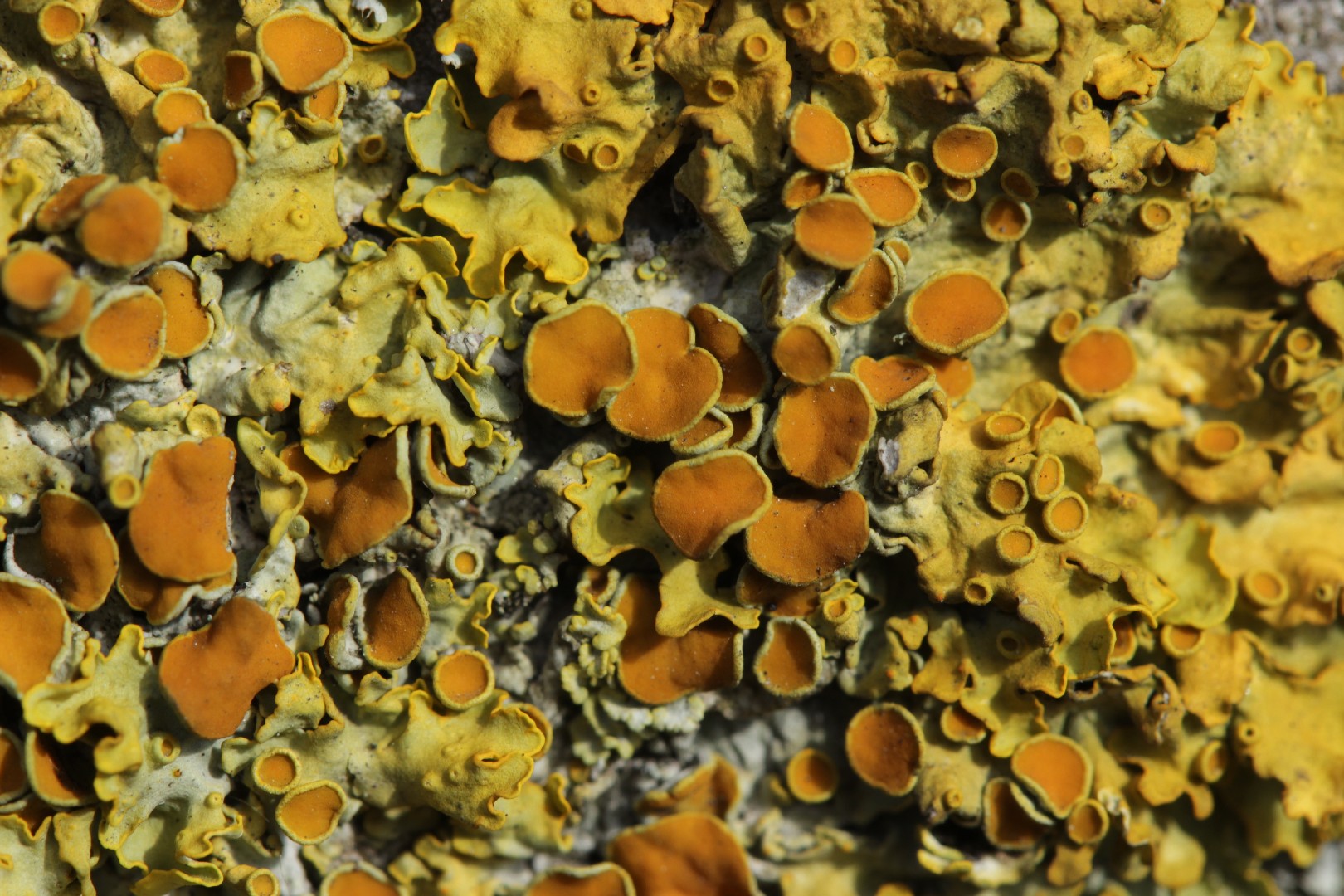
7. Common orange lichen
Common orange lichen was selected in 2006 by the United States Department of Energy as a model for genomic sequencing. Its widespread dispersal and bright yellow-orange color give the lichen its common name. It is primarily found growing on rocks, walls, and tree bark.
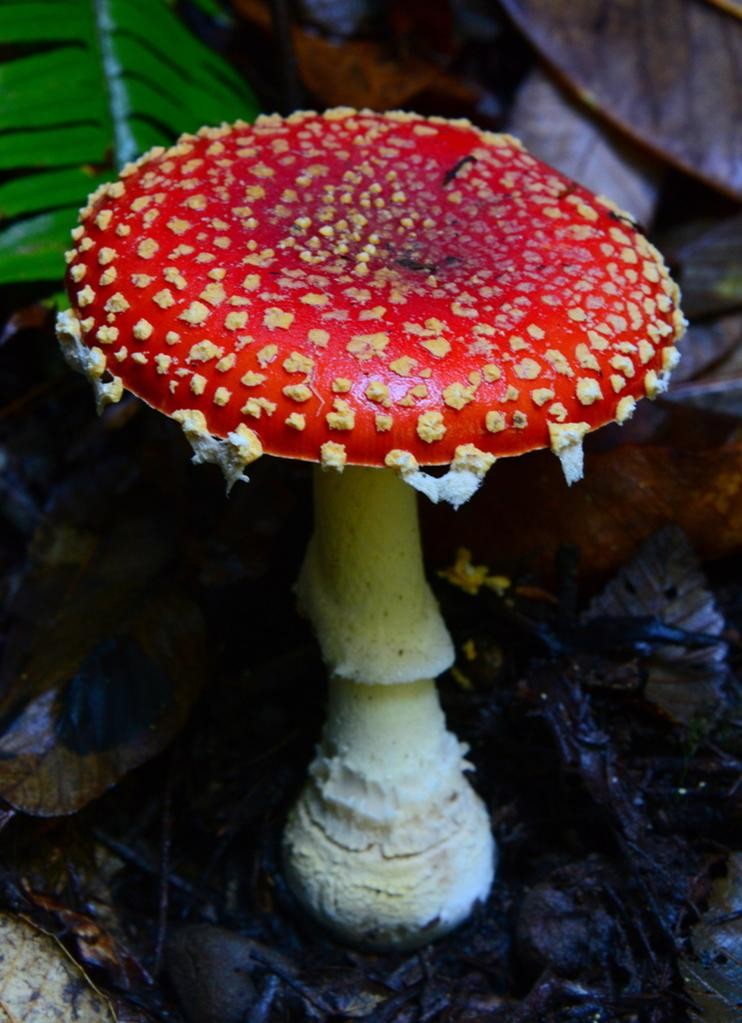
8. Fly agaric
In Northern Asia and Europe, fly agaric grows under trees near the winter solstice and is collected for ritual use tied to the season. Its characteristic shape and coloring are still ubiquitous in many European fairy tale illustrations and Christmas traditions. It is highly toxic.
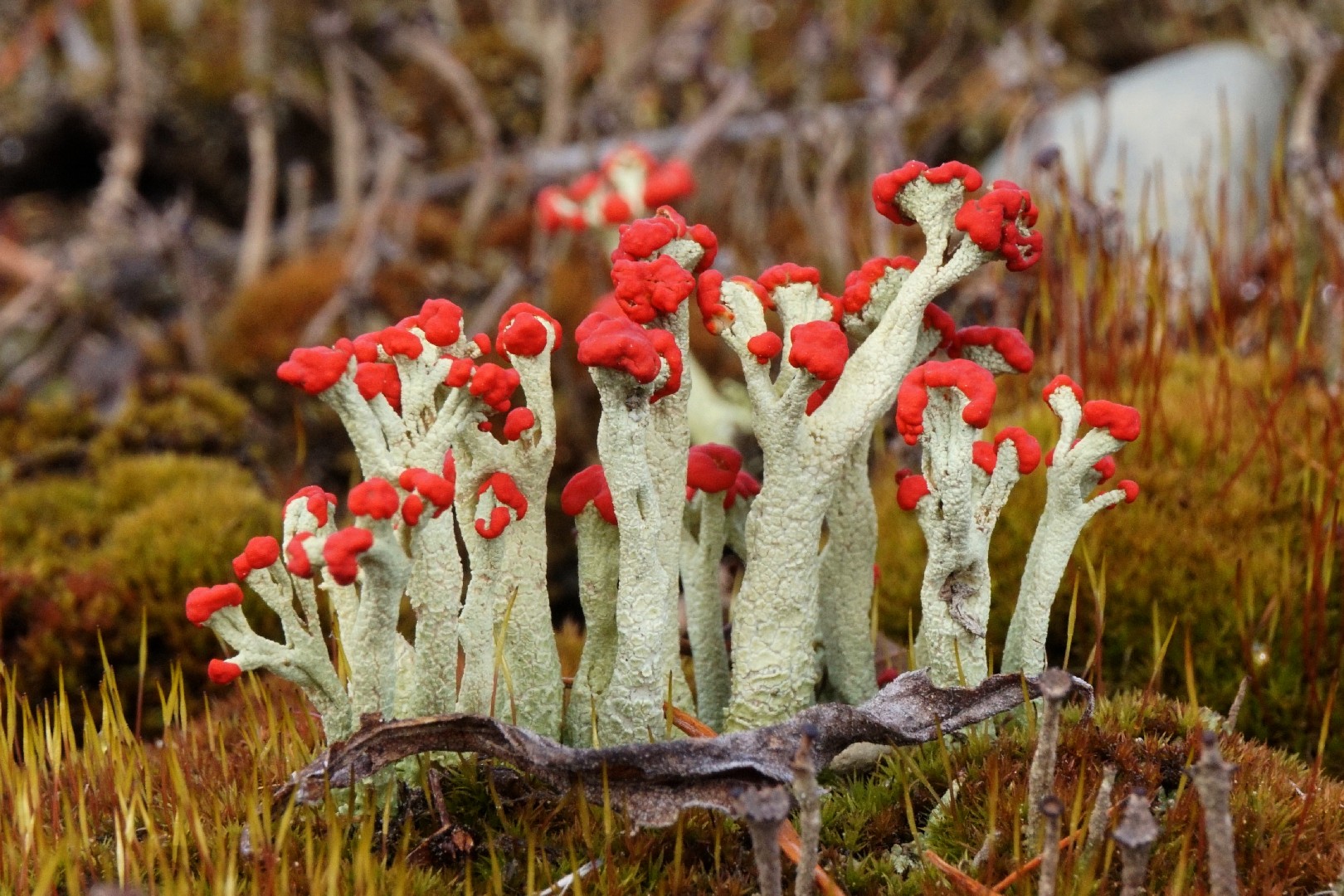
9. British soldiers
The british soldiers is a brightly-colored cup lichen that's formed in the mutual symbiosis of an alga and fungus. British soldiers are named after the interesting fruit body structures that resemble the red hats that British soldiers wore during the American Revolutionary War. The red "hats", which are brightest in early spring, are the sexual fruiting structures of the mushroom.
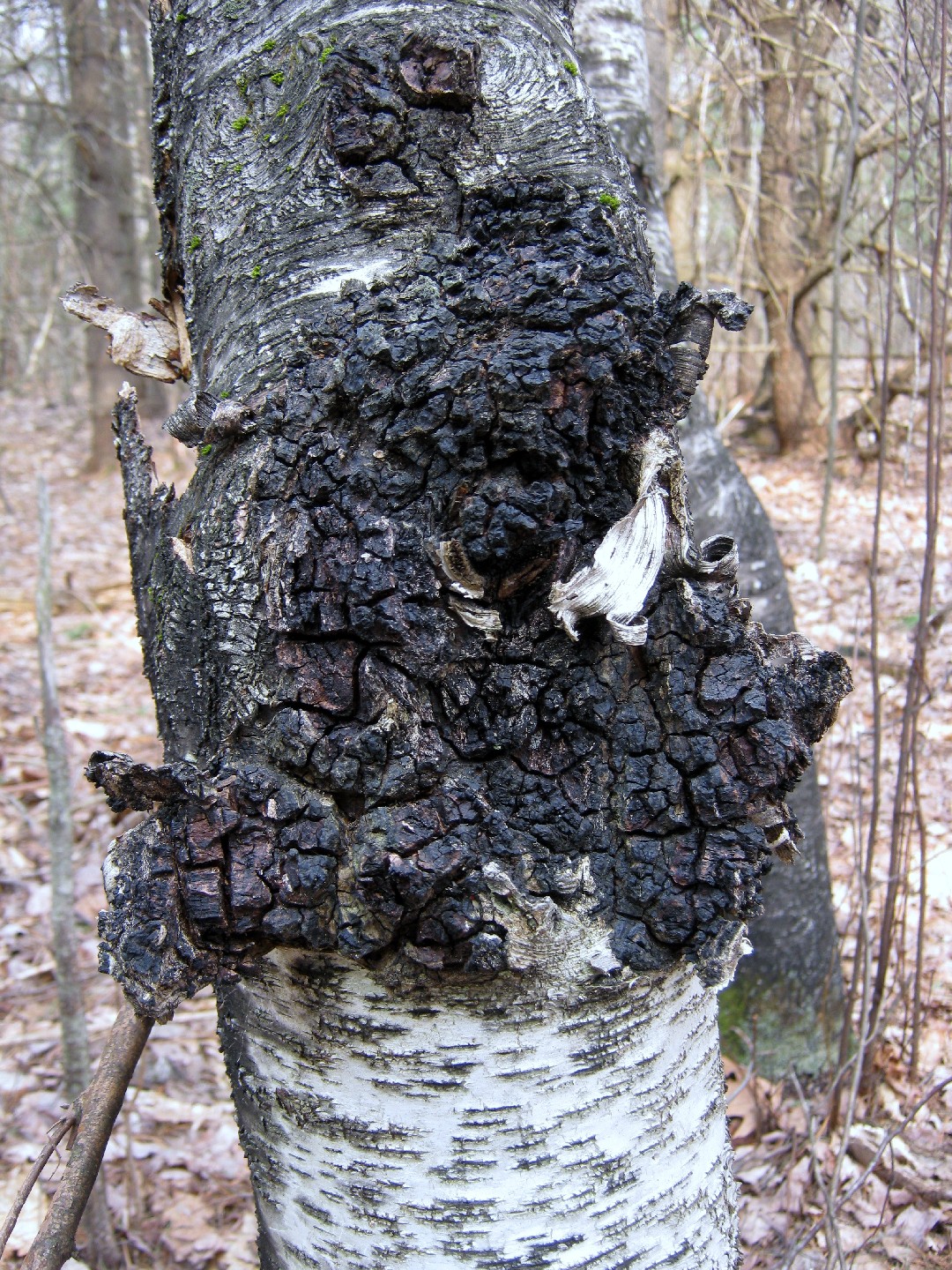
10. Chaga
The chaga (Inonotus obliquus) is a conk-like fungus that parasitizes hardwood trees, with birch trees being the favored host. Chagas may look like large, burnt chunks of wood sticking out of a tree's bole - their dark coloration is due to high concentrations of the pigment melanin.
More







