




Top 8 Most Common Mushrooms in Bolivia
Diverse in climate and teeming with unique flora and fauna, Bolivia, or 'Bolivia', is a treasure trove for mycologists. A host to a wide spectrum of ecological systems, it provides the perfect nurturing ground for multiple fungi varieties. In this guide, we unearth the 'Top 8 most common mushrooms' flourishing in 'Bolivia', and delve into the rich biodiversity of mushroom species that call this vibrant country home. Let's embark on this intriguing mycological journey.

Most Common Mushrooms
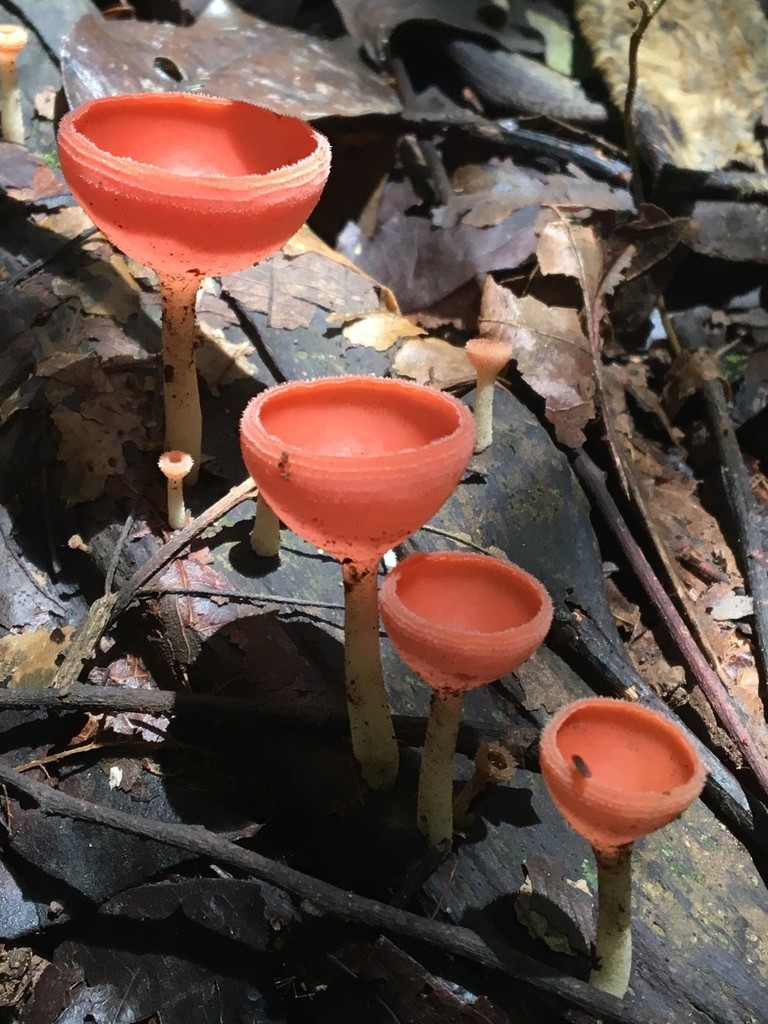
1. Cookeina speciosa
Cookeina speciosa is a hose mushroom from the family of the cupbearer relatives.

2. Shaggy mane
The shaggy mane mushroom is commonly found in North American and European grasslands. Some peoples foraged for its young egg-shaped caps, but it has more recently been found to be a bioaccumulator of heavy metals, meaning it pulls toxic metals up from the soil where it grows. As a result, shaggy manes should not be eaten. The mushrooms usually appear in clusters or “fairy rings.”
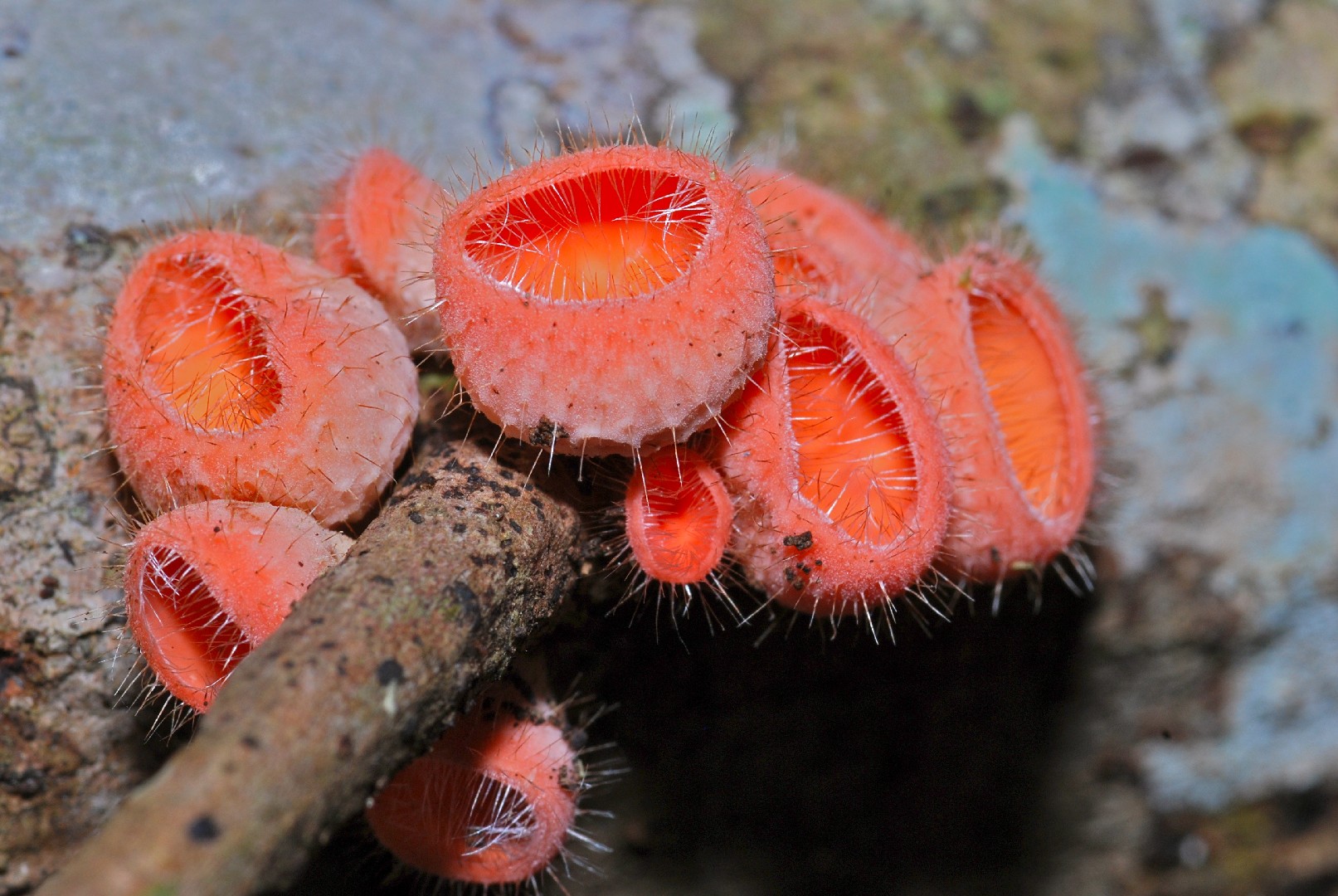
3. Cookeina tricholoma
Cookeina tricholoma is a hose mushroom from the family of the Kelchbecherlingsverwandten.
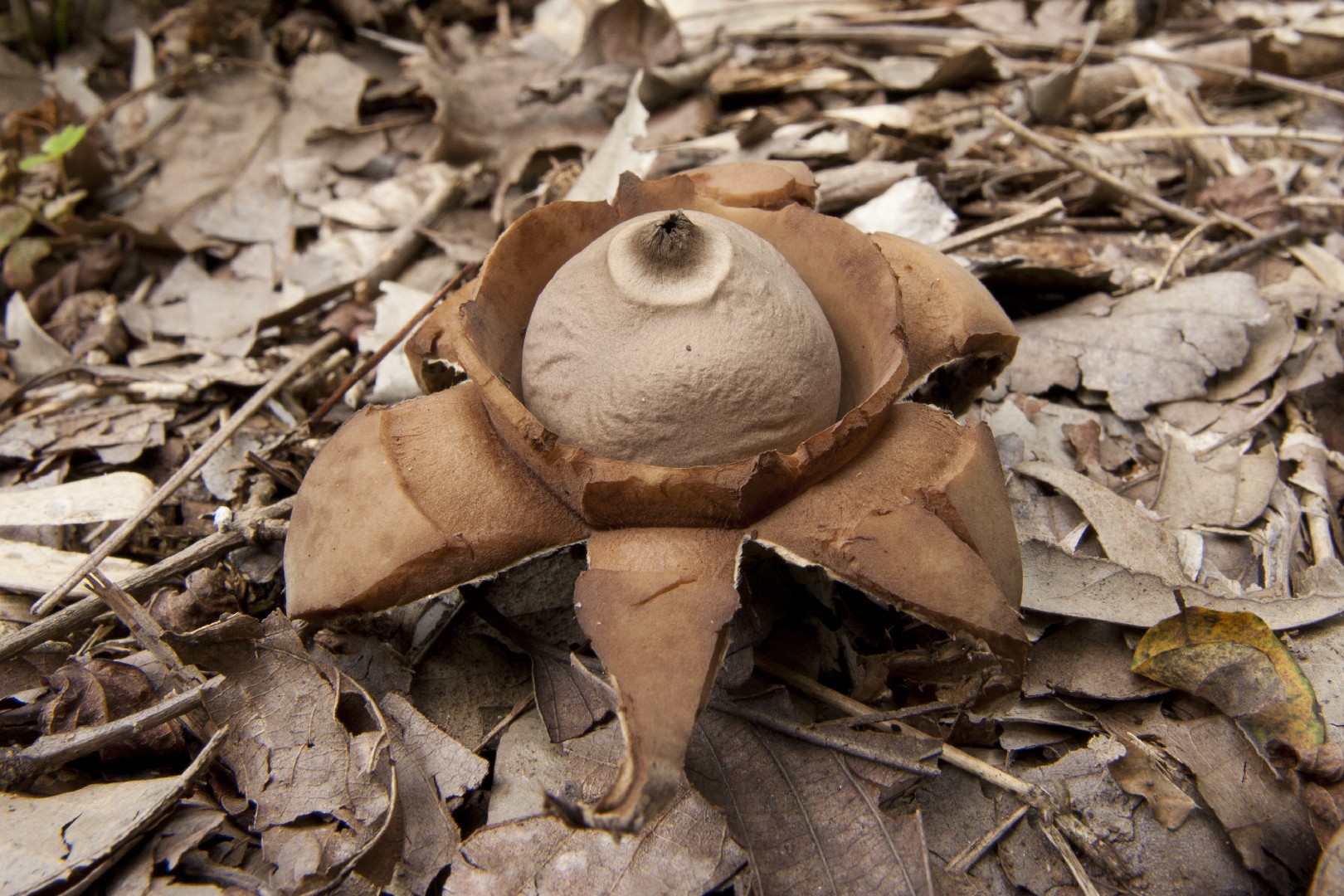
4. Collared earthstar
The collared earthstar, along with other Geastrum species, is inedible, mostly as its fibrous fruitbody is of a poor taste and texture. The spores inside its fruiting body are initially white, but they turn brownish as the mushroom matures. This earthstar is the largest member of the Geastrum genus.
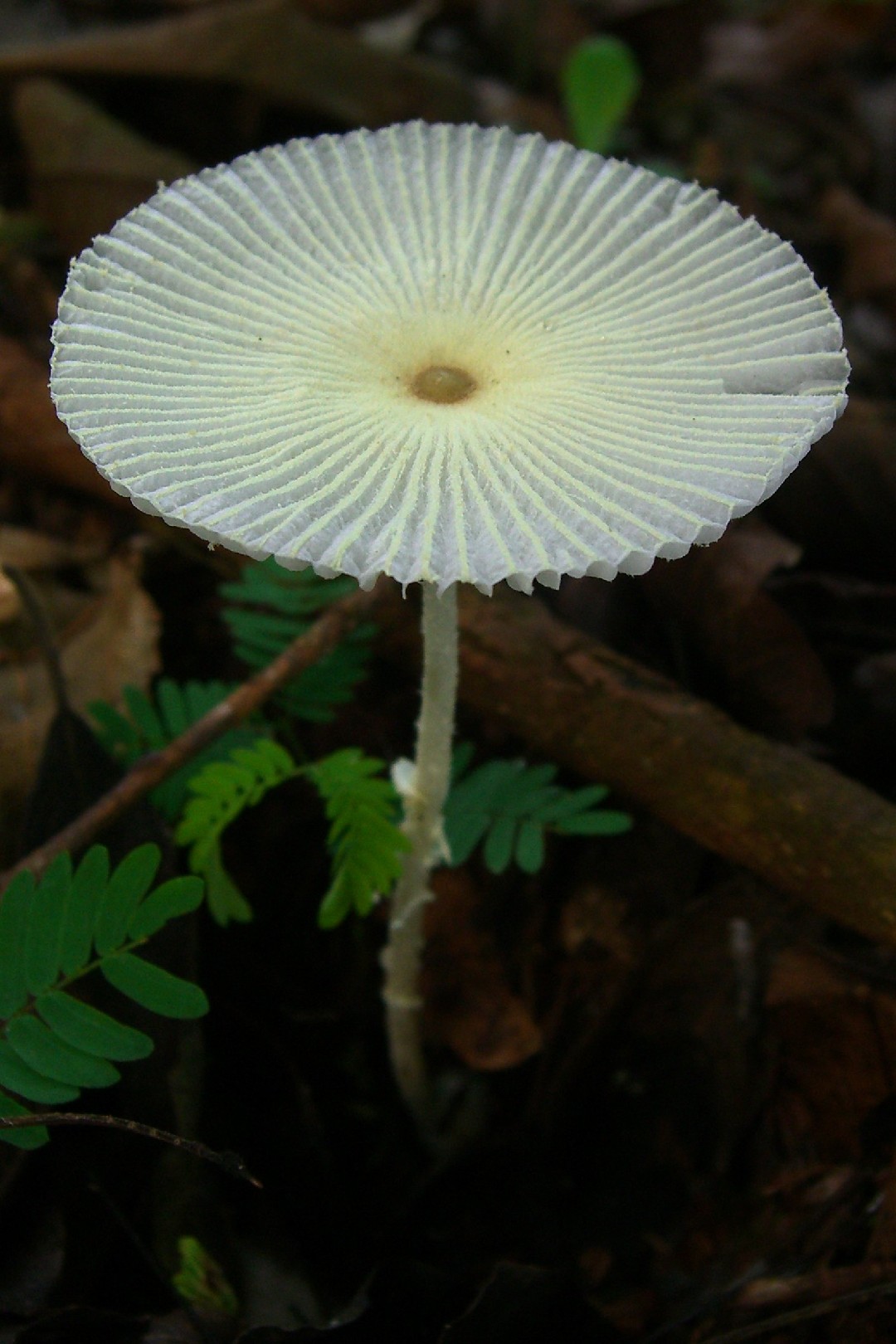
5. Fragile dapperling
The fragile dapperling is a tropical and subtropical woodland species. As its name suggests, this mushroom is so tender and fragile that picking it becomes a real challenge. The stem is very thin and it easily snaps. The edibility of the fragile dapperling is unknown, but the mushroom is probably insufficient for any kind of meal.
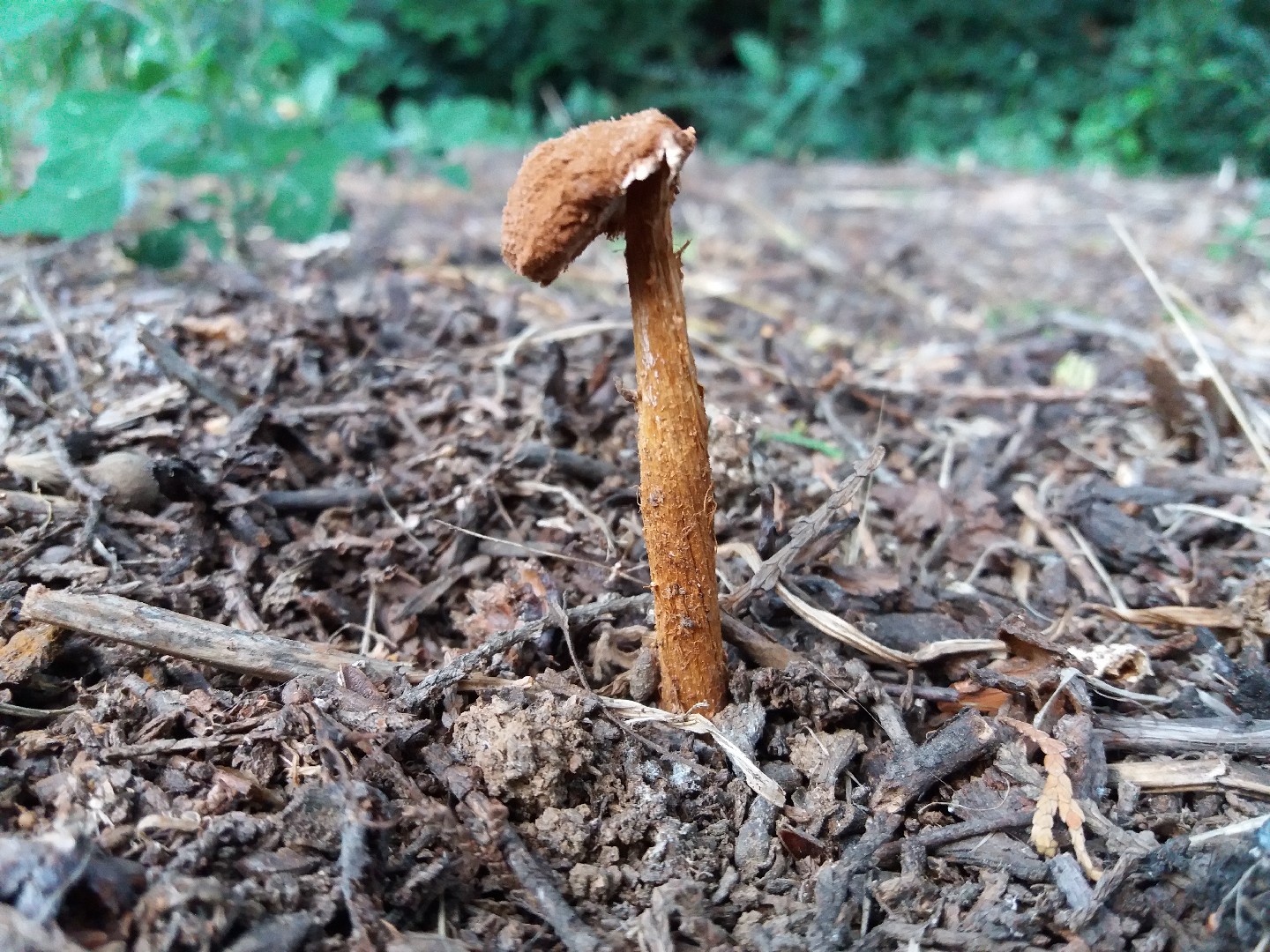
6. Sandy stiltball
Sandy stiltball(Battarrea phalloides) is an unusually tall species of puffball, a family of mushrooms that do not usually have noticeable stalks. Due to declining numbers in the wild, is illegal to pick in certain countries (including Hungary and the United Kingdom). Its edibility remains unstudied, and consumption is not advised.
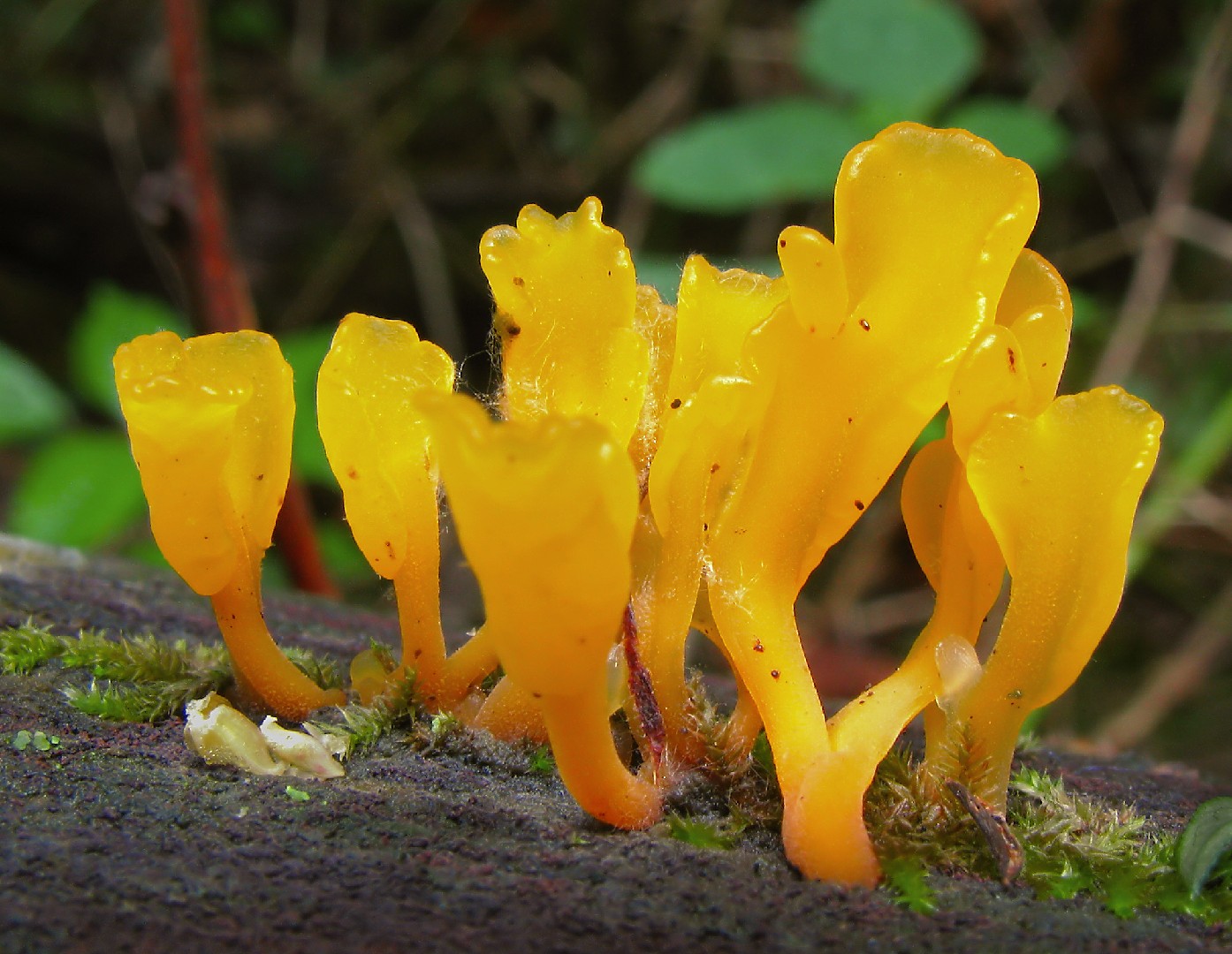
7. Fan-shaped jelly-fungus
Just as its Latin and the common English names suggest, the fan-shaped jelly-fungus (Dacryopinax spathularia) is a fan-shaped or spatula-shaped jelly-like mushroom. It commonly grows in wood cracks and it sometimes even appears in the cracks of the processed wood and lumber. Despite the word "jelly" in its name, the fan-shaped jelly-fungus is not considered edible.
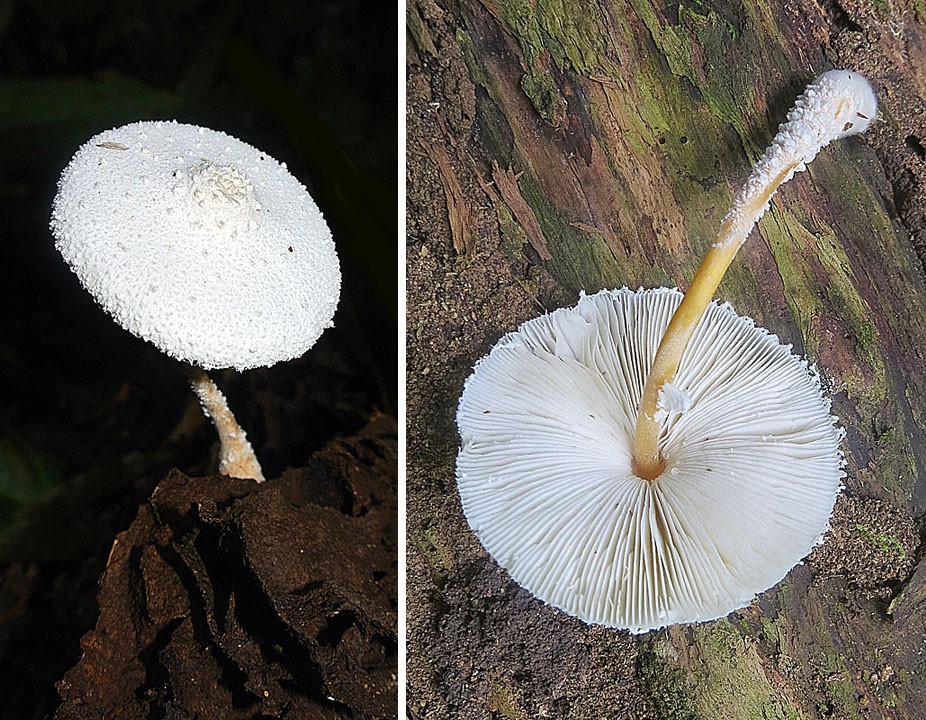
8. Leucocoprinus cretaceus
Leucocoprinus cretaceus is a common mushroom of tropical and subtropical climates. Leucocoprinus cretaceus usually grows on manure, wood chips, and sawdust but it often pops out in planters and greenhouses.







