




Top 20 Most Common Mushrooms in Albany

Most Common Mushrooms
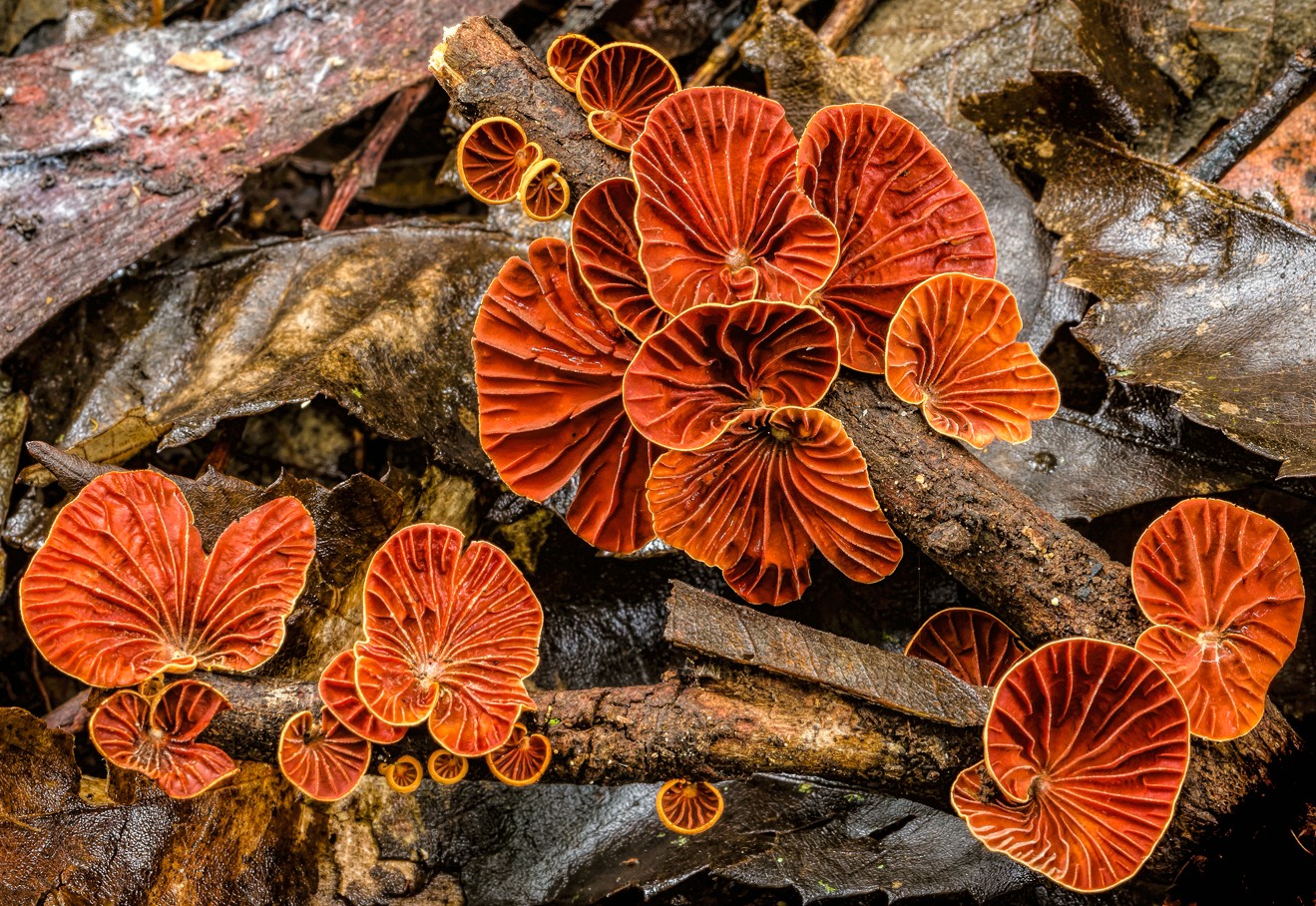
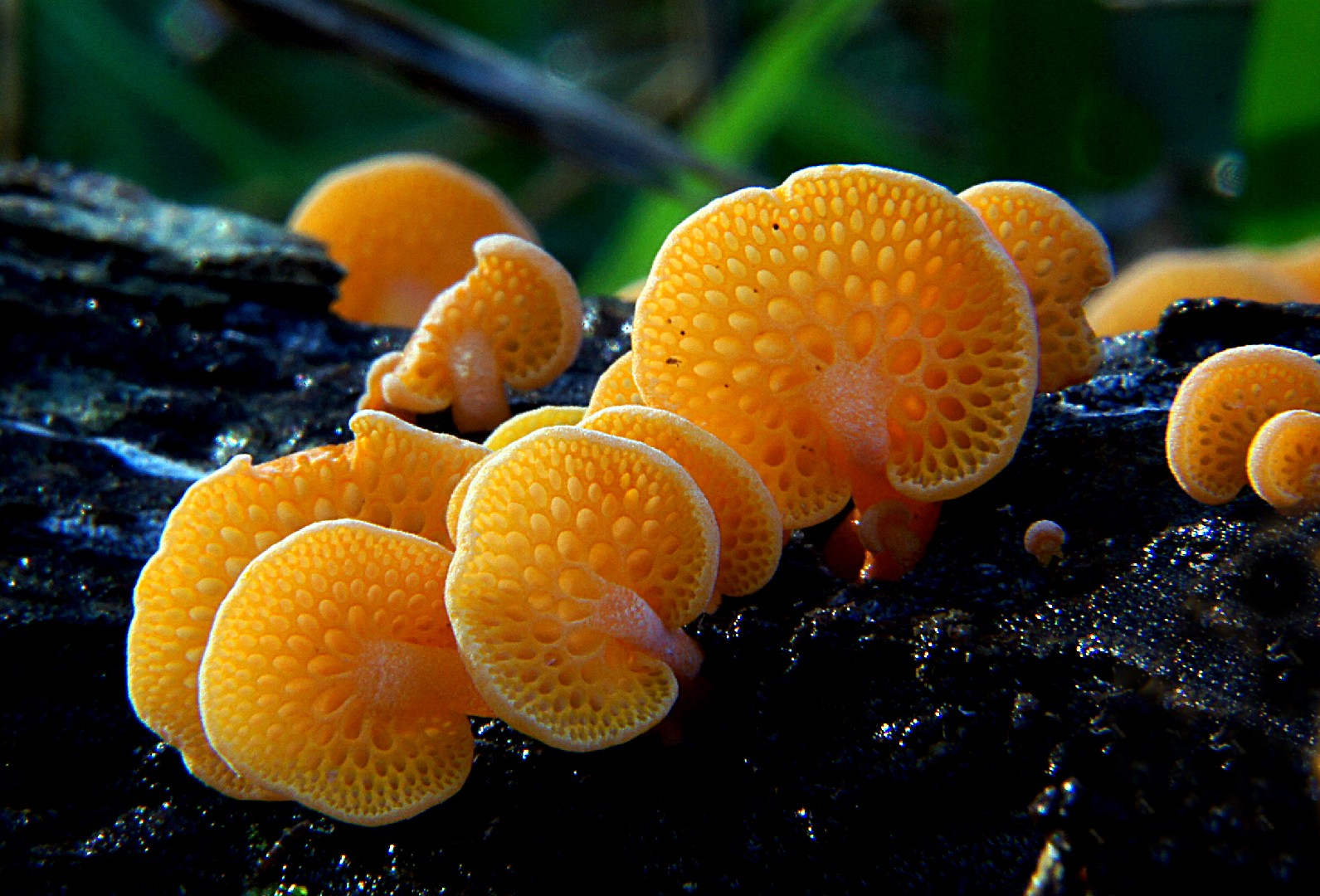
1. Orange fan
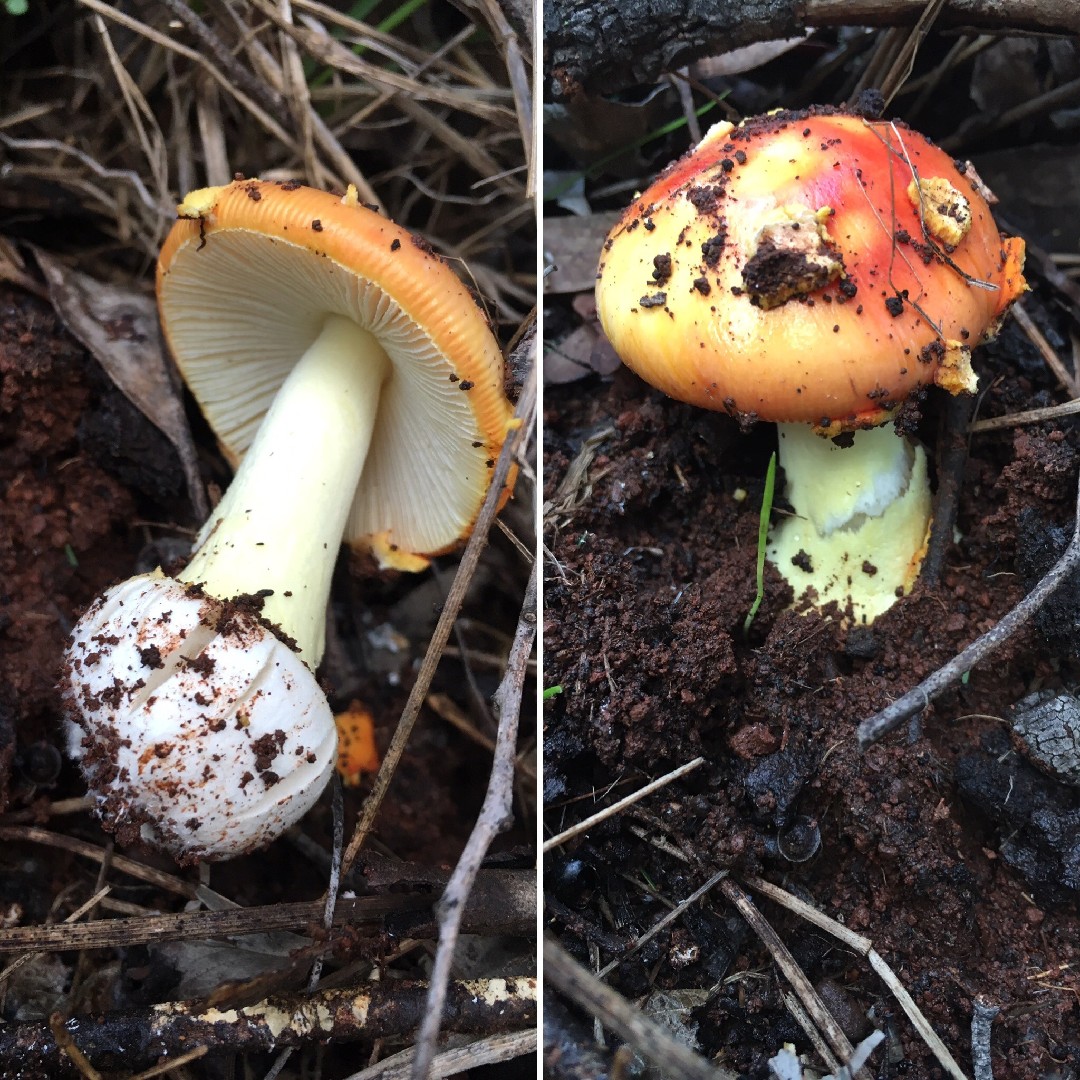
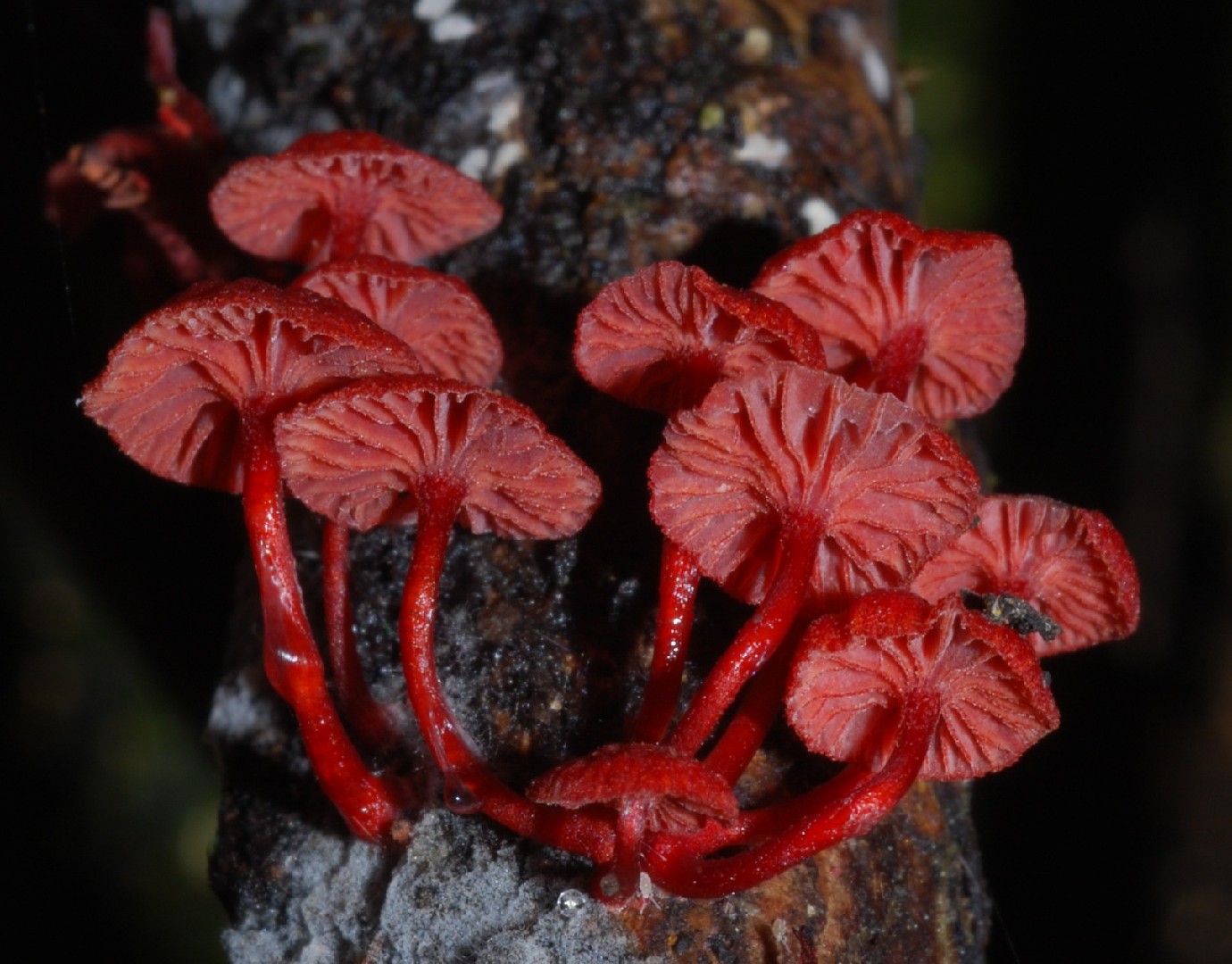
2. Vermilion grisette
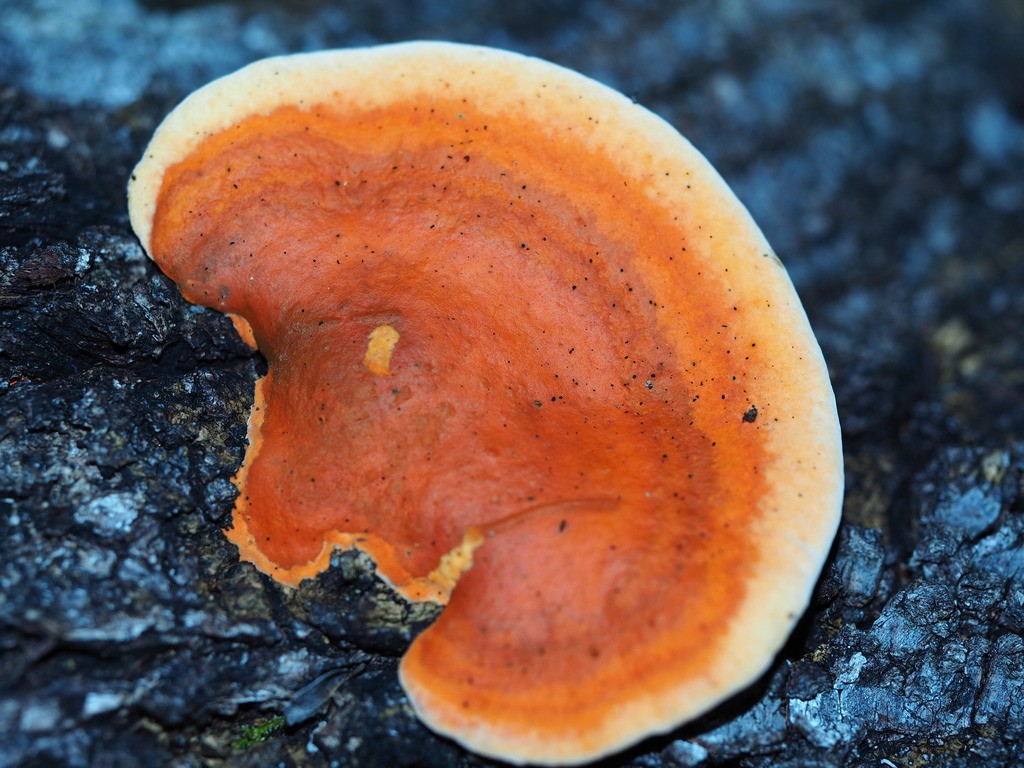
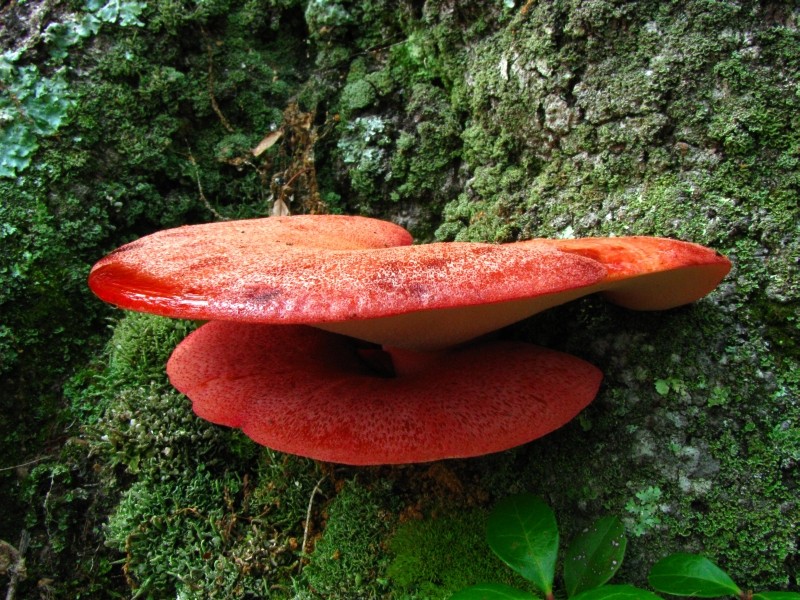
3. Southern cinnabar polypore
Southern cinnabar polypore grows in a variety of contexts, though it prefers to grow on deadwood near open water sources. This mushroom fruits from the late summer to early winter. True to its name, young southern cinnabar polypore has a bright orange color that's similar to cinnabar but may fade in older age.
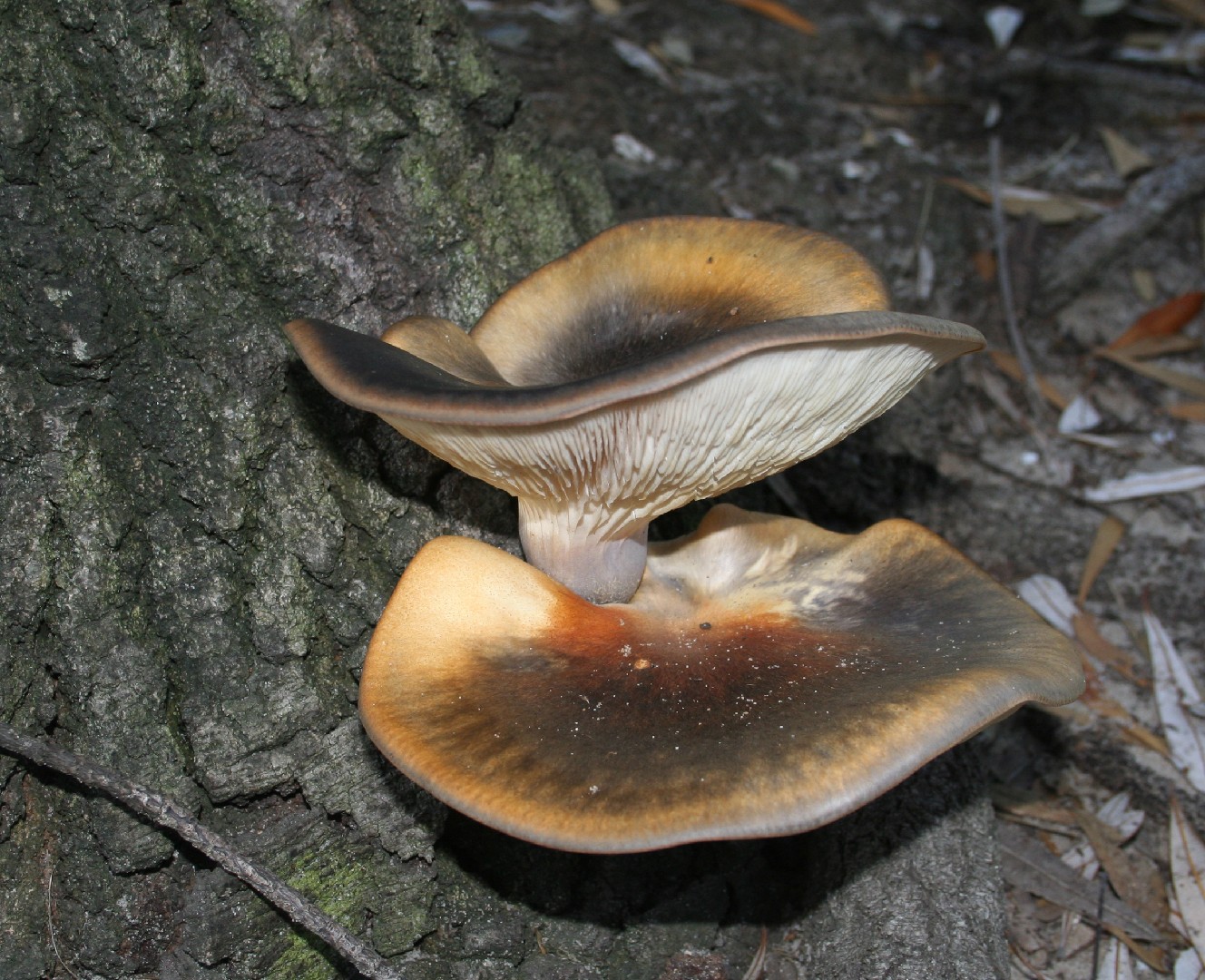
4. Ghost fungus
The ghost fungus is an Australian mushroom, similar in appearance to the well-known Pleurotus ostreatus (the Oyster mushroom). So similar, in fact, that it was even once considered a member of the same genus. But unlike the oyster mushroom, the ghost fungus is not edible, but mildly poisonous instead.
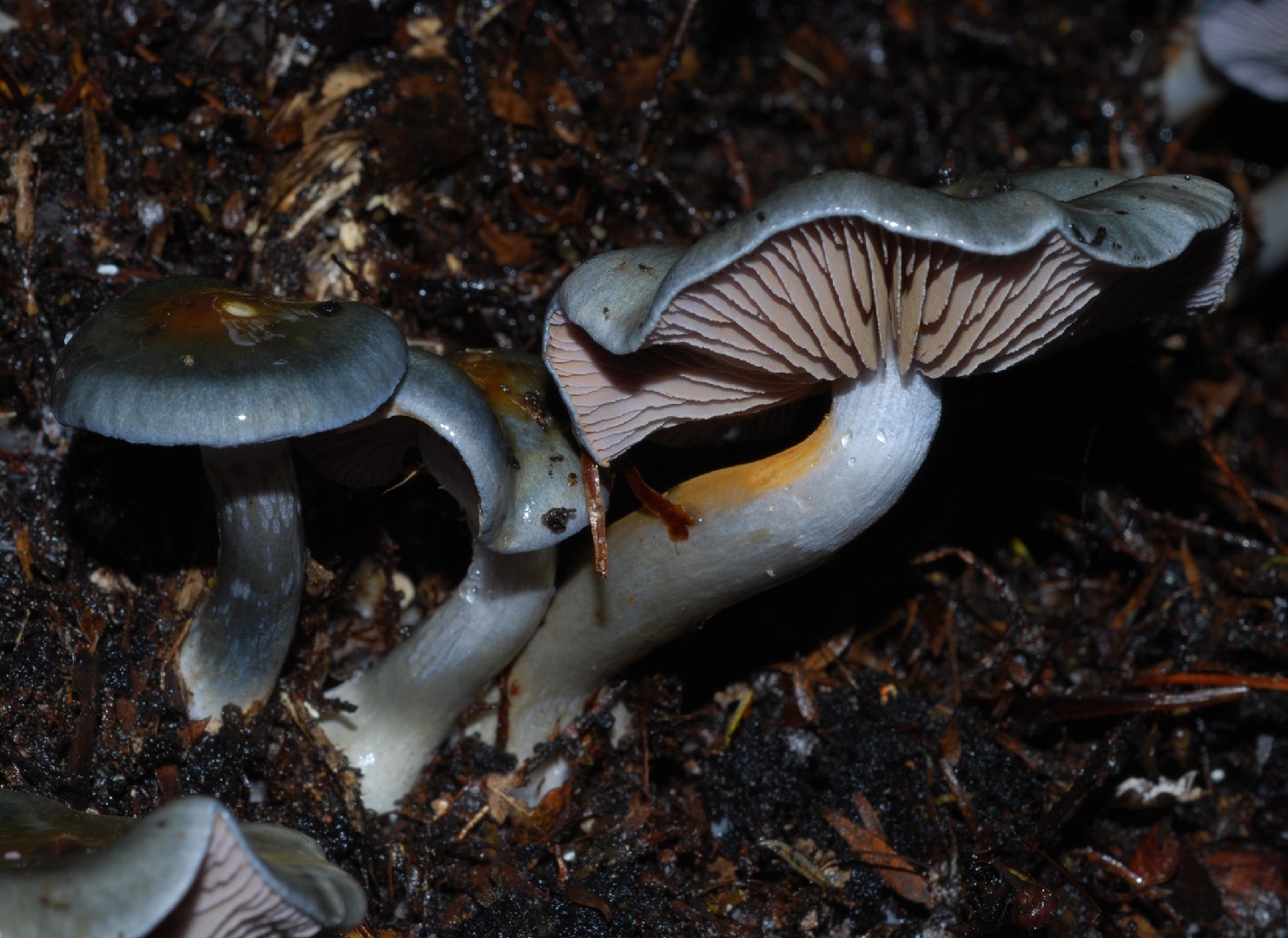
5. Elegant blue webcap
The cap ranges from 2.5 to 7 cm (1–3 in) in diameter, and is initially convex before flattening. It has a slight boss that is mustard-, honey- or cream-yellow tinged and steely blue elsewhere. The adnate gills are creamy or lilac-tinged early, and darken with the spores. The slender 5–7.5 cm (2–3 in) stipe lacks a ring; it is pale yellow or white with a tinge of the cap colour. The flesh is yellowish and may have a lilac or pale blue tinge. The spore print is reddish brown and the oval to round spores measure 8.5 × 6.5 µm. There is no particular taste or smell. Potassium hydroxide will produce a pink-purple reaction in the stipe or cap. The mycelium is white. 
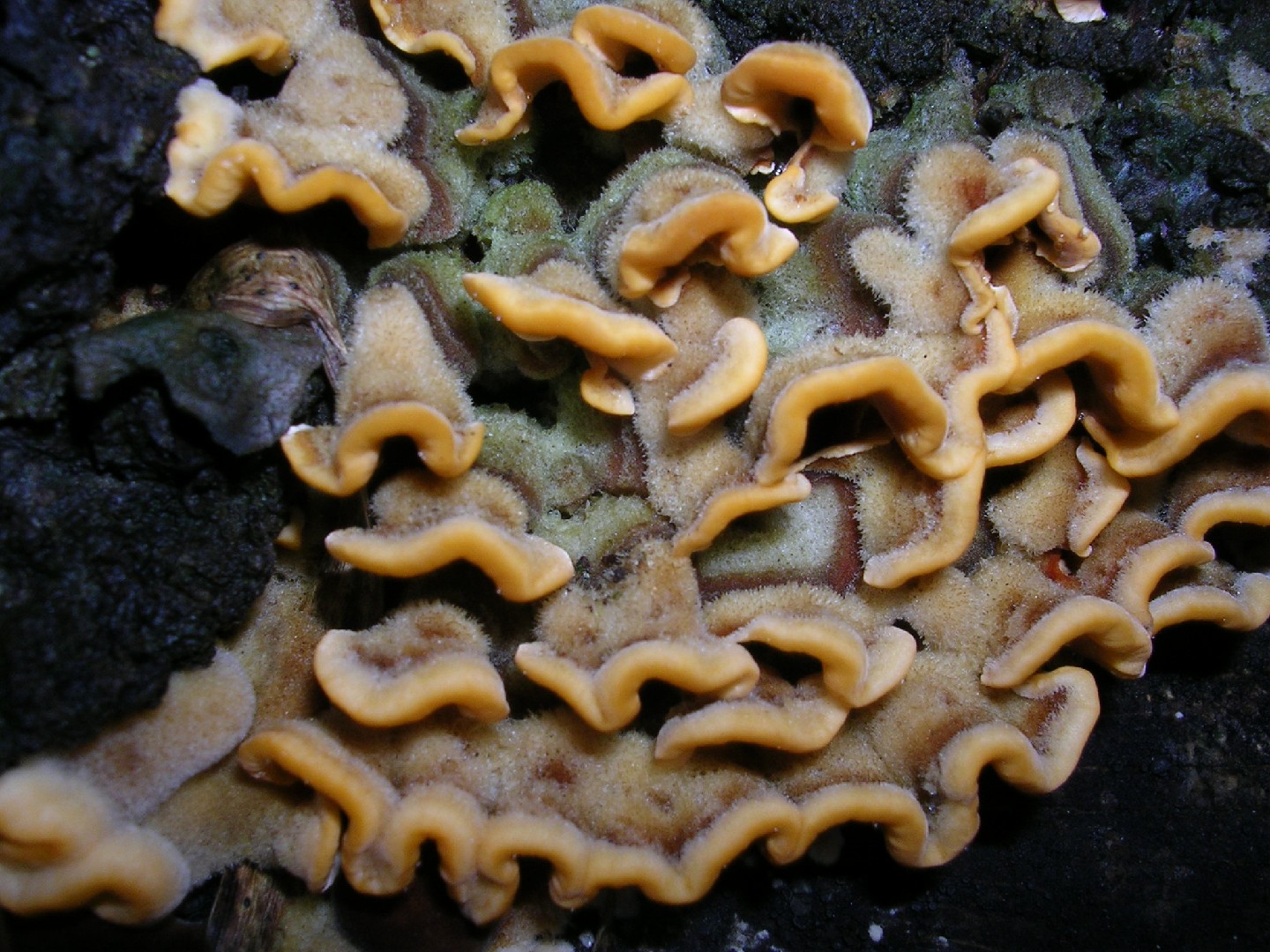
6. Hairy curtain crust
This clustered, overlapping fungus is found all over the world, and is considered native across both the northern and southern hemispheres. Both its common name, hairy curtain crust, and its scientific name, Stereum hirsutum, aptly describe its most obvious features: it is quite tough (stereum) and the younger fruitbodies are notably hairy (hirsutum).
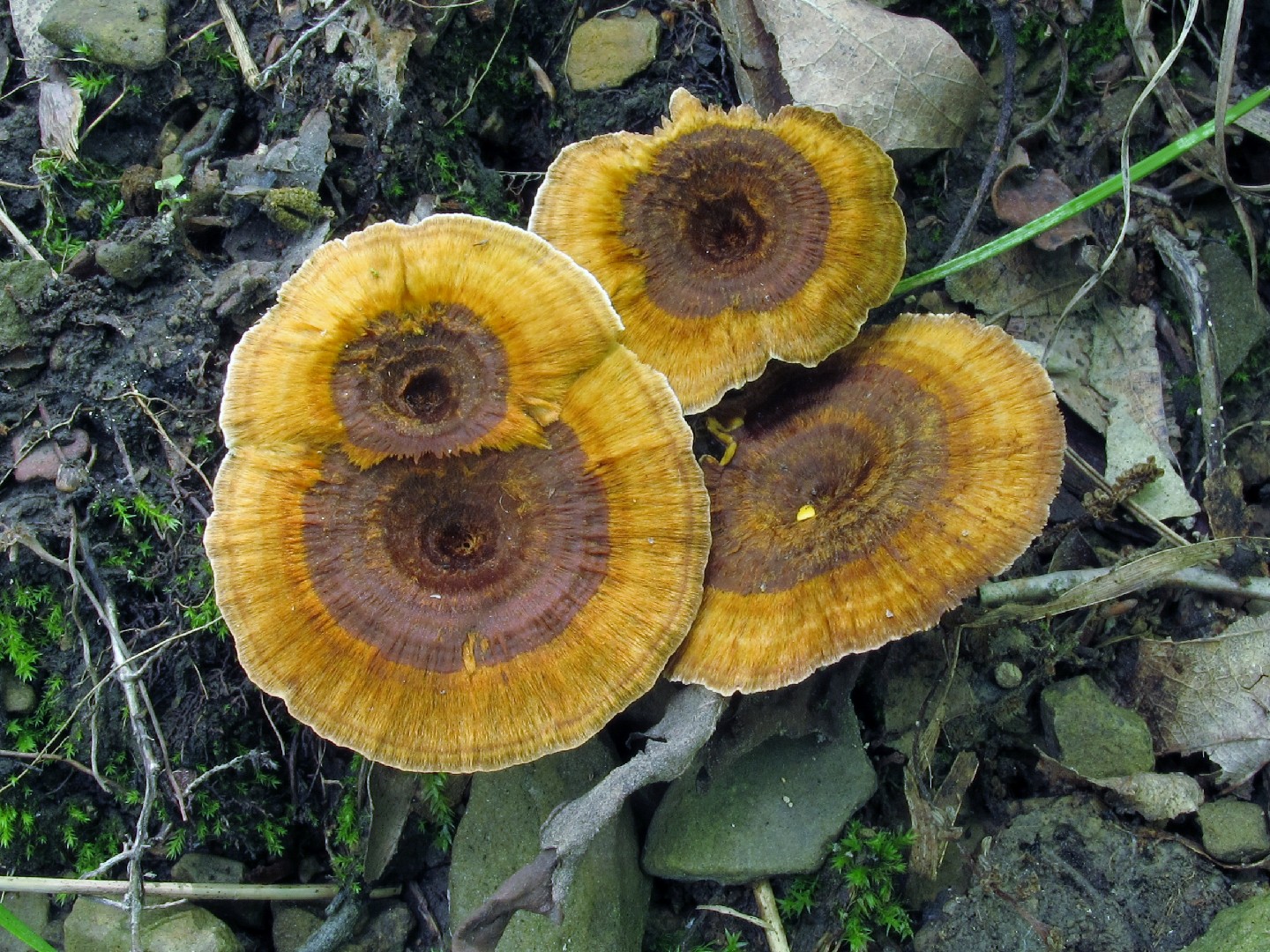
7. Shiny cinnamon polypore
The shiny cinnamon polypore is a truly beautiful mushroom, but unfortunately inedible. But this charming mushroom has found its way as a piece of decor. When dried, it doesn't lose any of its appealing features and remains as equally beautiful as fresh.

8. Australian honey fungus
Up to 10 cm (4 in) in diameter, the cap is convex to flattened in shape with a central umbo (a rounded elevation) and is various shades of cream, yellow and tan. The cap surface is covered with darker scales and feels rough to the touch. The cap edge, or margin, is rolled inward in young specimens. The crowded gills are sinuate and white to cream in colour initially, brownish-cream or pinkish brown in maturity, and sometimes with yellow or rust-coloured marks close to the margins. The stem is central (that is, it joins the cap in the centre) and is up to 20 cm (8 in) long by 1.5 cm (1 in) thick. It is slightly thicker at its base than its apex, sometimes almost bulb-like. The stem surface is streaked with fibrils that run up and down its length. It has a floppy yellow wool-like ring which may develop irregular, jagged edges with time. The flesh is white, and in the stem has a woolly or stringy consistency. Although it has a hot-bitter taste, Armillaria luteobubalina is edible, and cooking removes the bitterness.
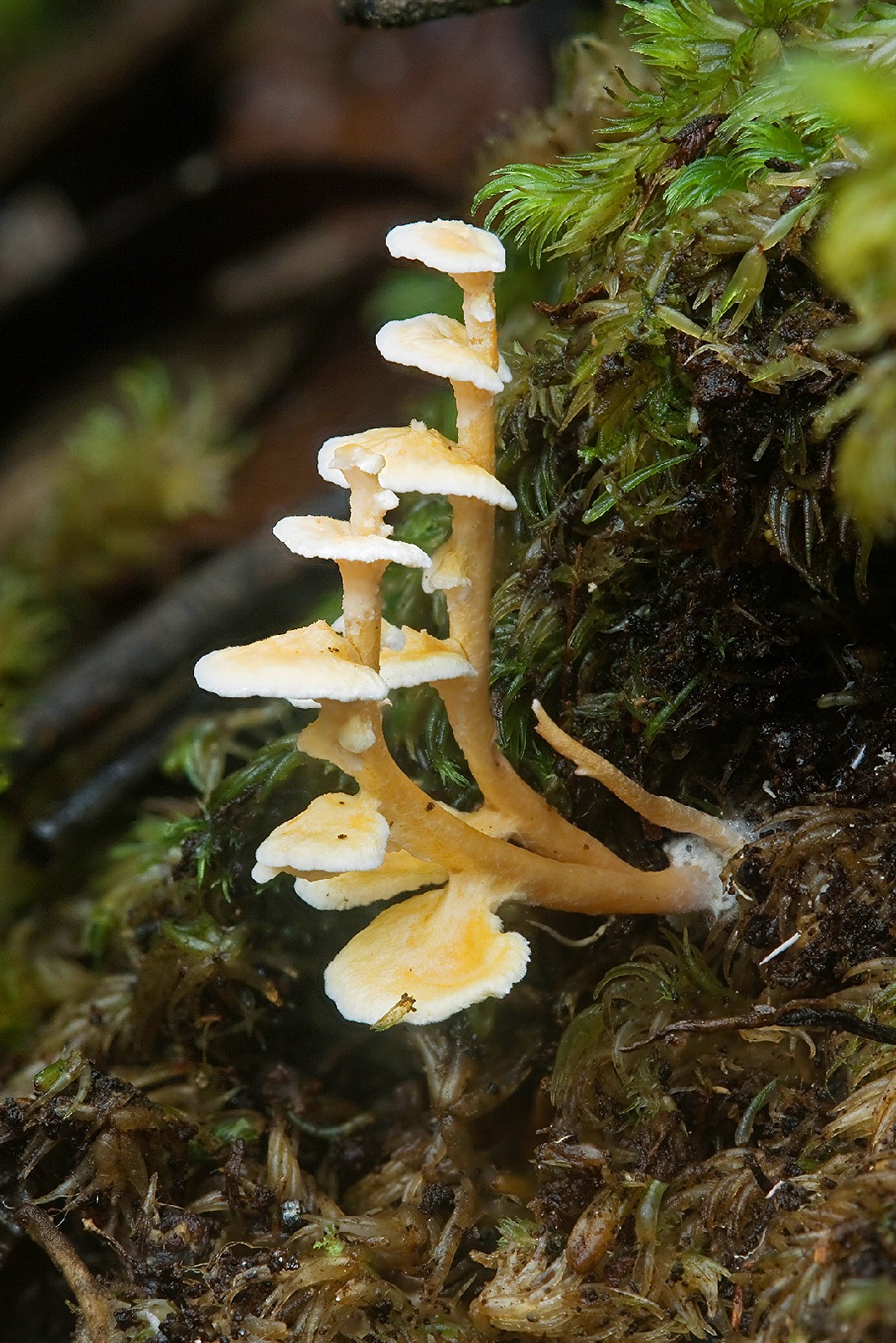
9. Pagoda fungus
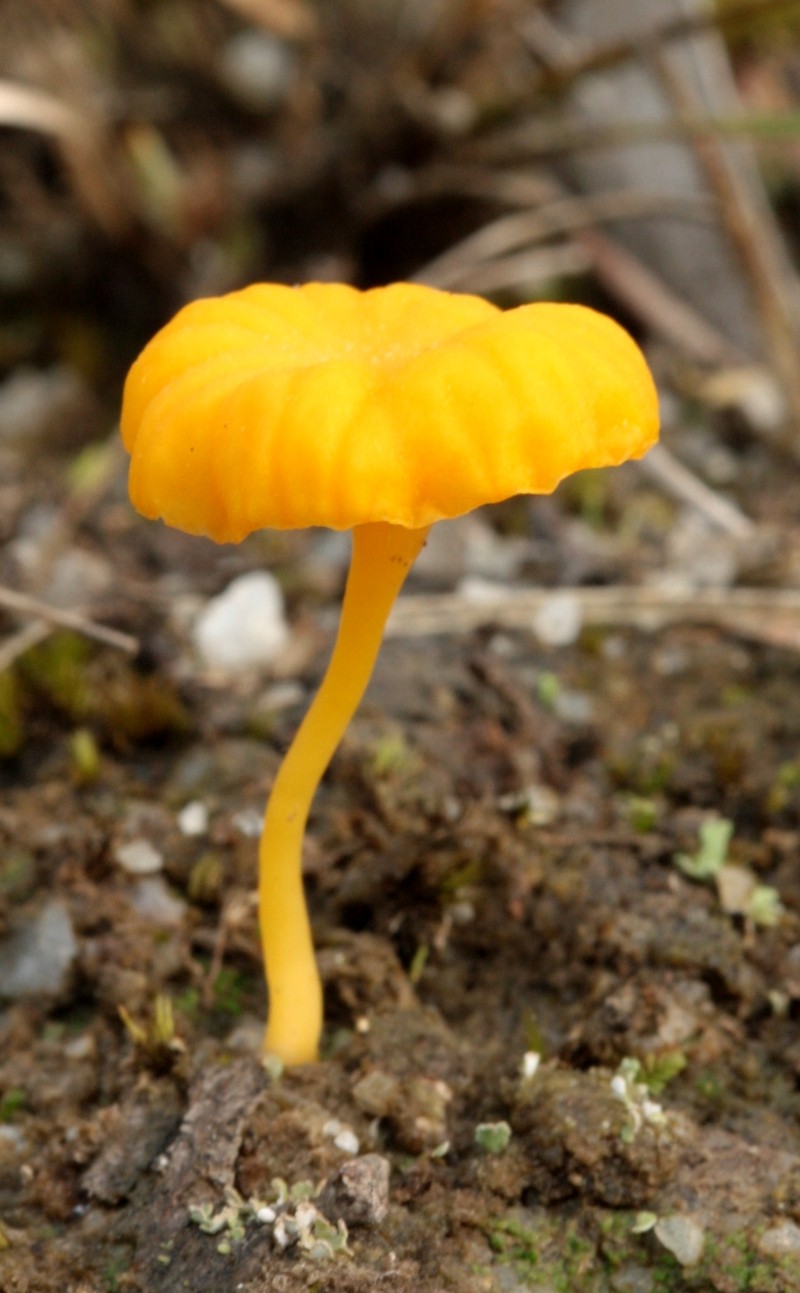
10. Lichenomphalia chromacea

More







