




Top 20 Most Common Mushrooms in Brisbane

Most Common Mushrooms
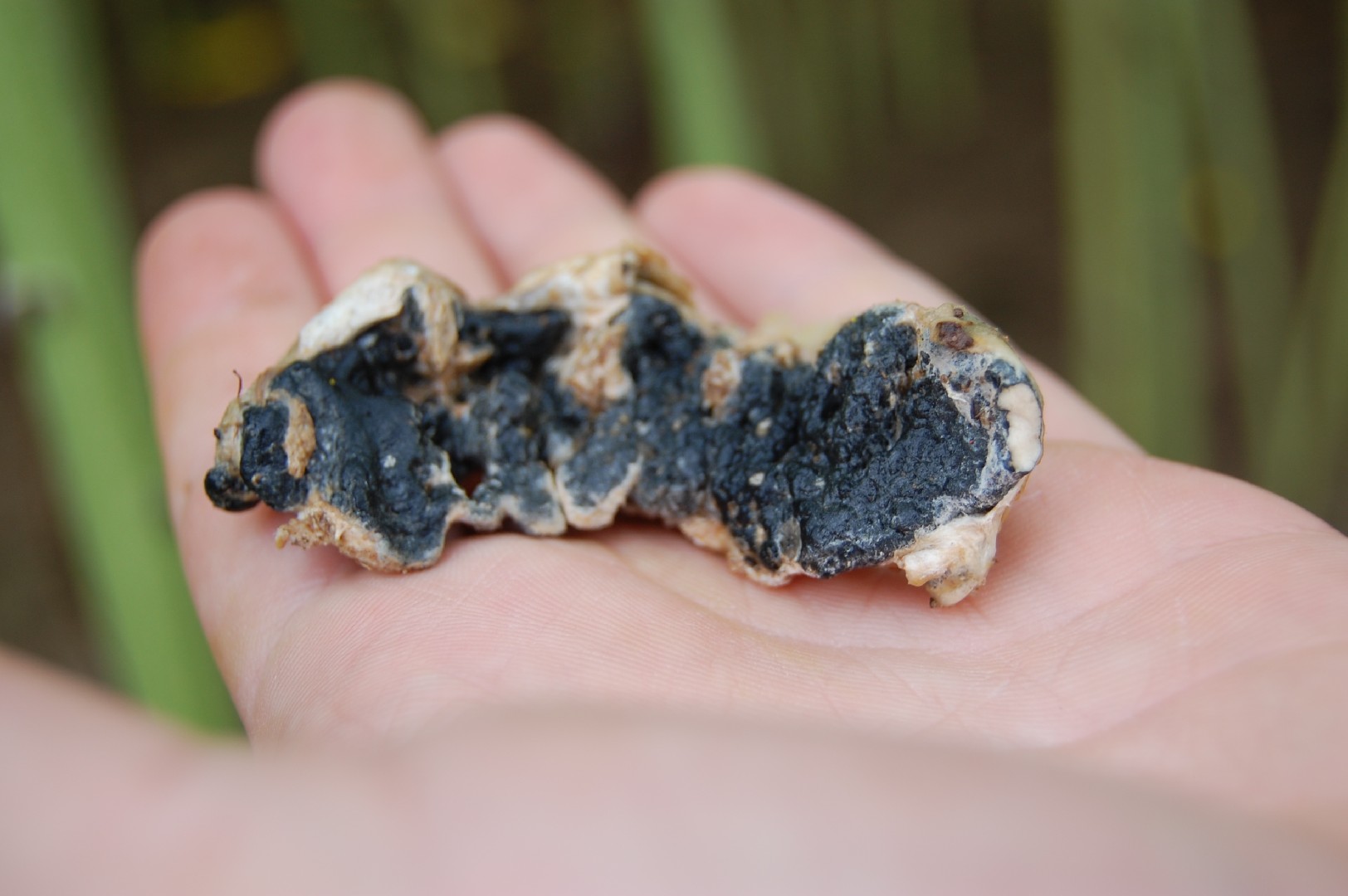
1. Sclerotinia sclerotiorum
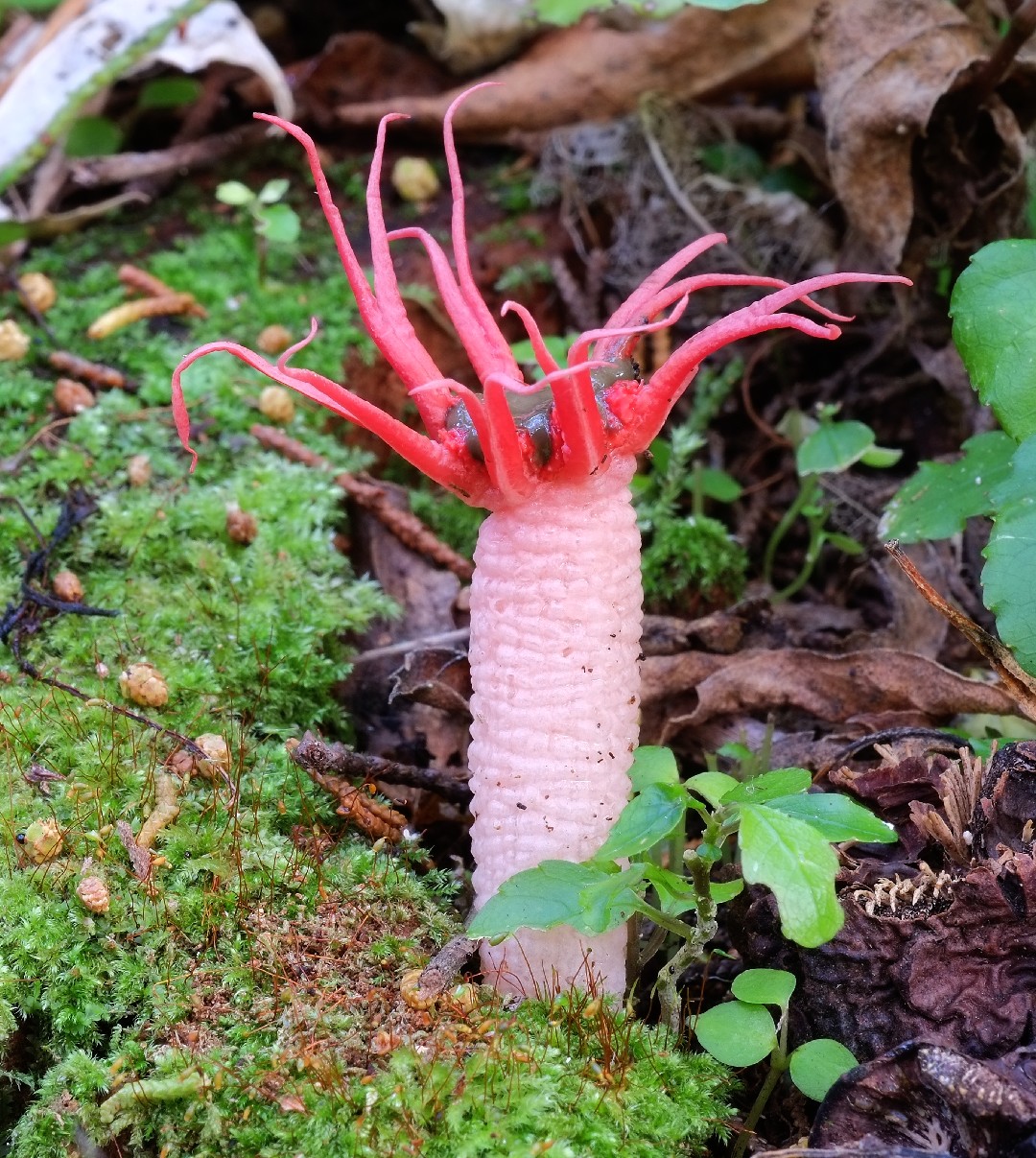
2. Anemone stinkhorn
The anemone stinkhorn (Aseroe rubra) looks like a creature straight from the depths of the ocean…or perhaps a horror movie! This Australian native starts fruiting with a white, egg-like ball that breaks open to reveal bright red tentacle-like fingers that spread toward the sky with radial symmetry and the odor of rotting meat. It has spread to tropical and sub-tropical areas around the world and is potentially poisonous.
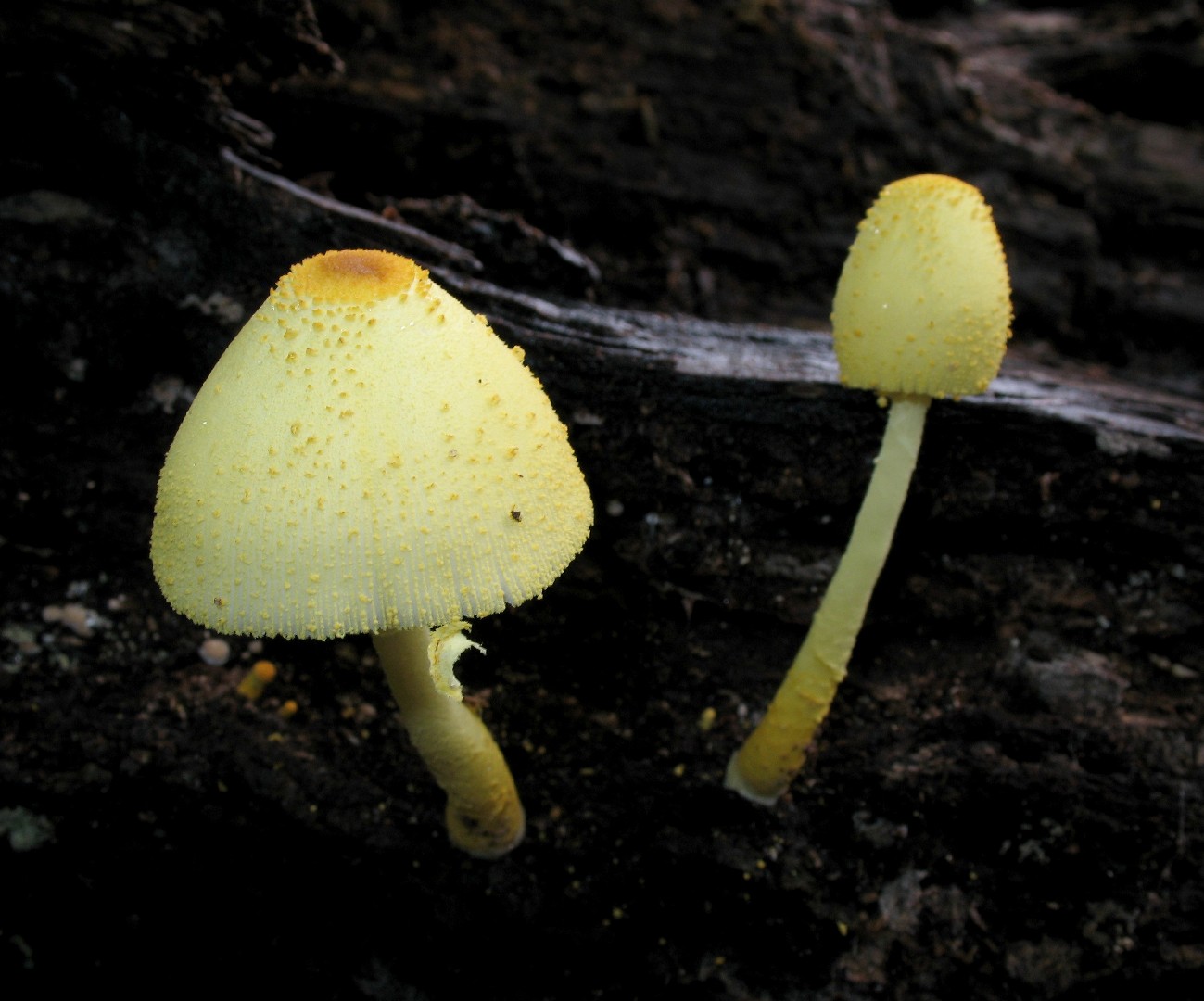
3. Flowerpot parasol
This tropical/subtropical mushroom is known to be toxic. If eaten it causes a very unpleasant stomachache with the risk of fatal complications. In temperate zones, flowerpot parasol is only found in hothouses and greenhouses, so the risk of accidental foraging is low, but it may occur with potted plants and indoor landscaping and pose a risk to curious children.
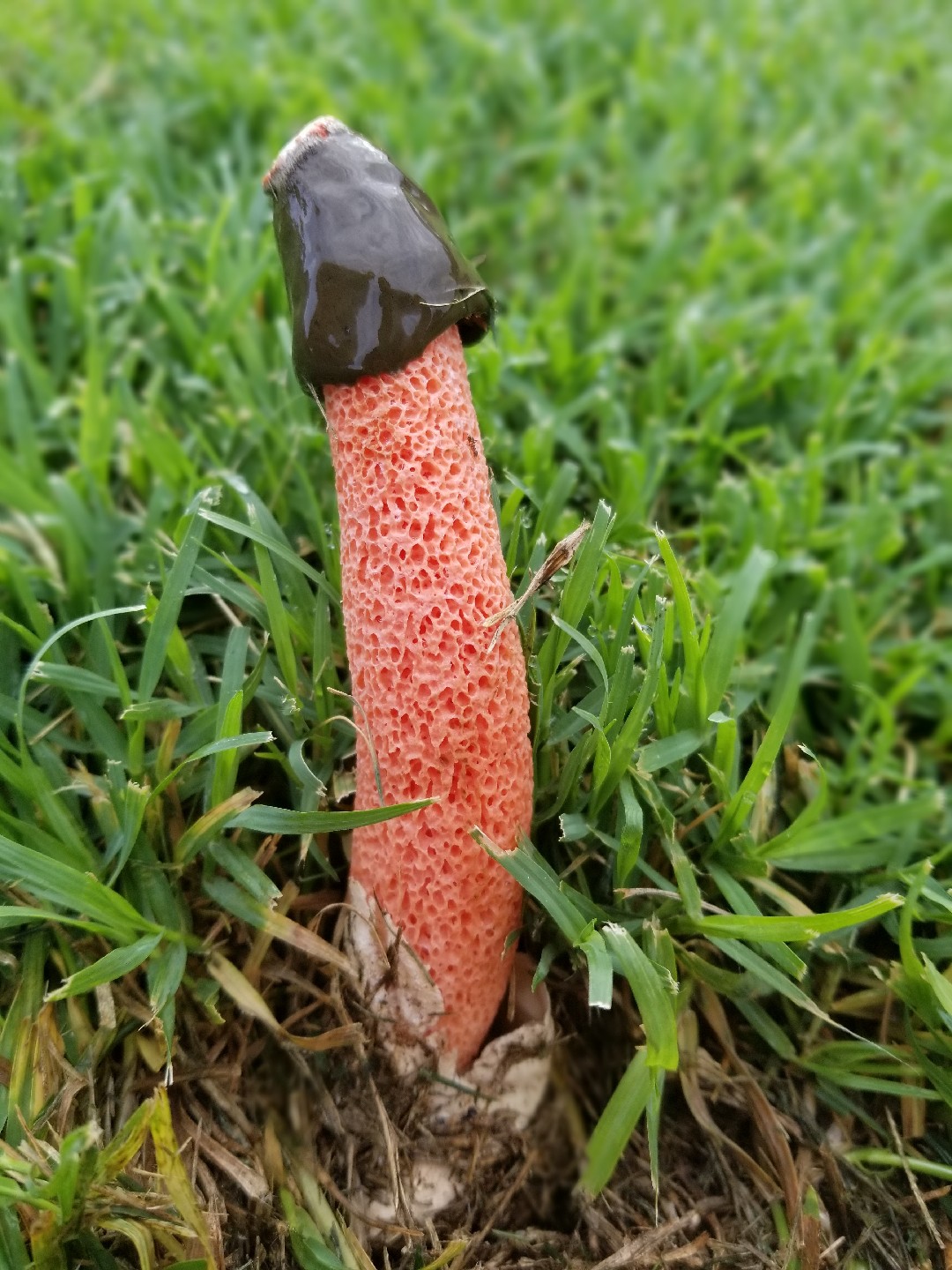
4. Devil's stinkhorn
The repugnant smell and odd shape of the devil's stinkhorn (Phallus rubicundus) create a memorable mushroom-hunting encounter. The elongated cap stretches down the stem like a hood, but chances are you'll smell this mushroom before you ever see it. Even one single fruitbody can emit a powerful odor, which has been compared to rotting flesh or roadkill.
5. Southern cinnabar polypore
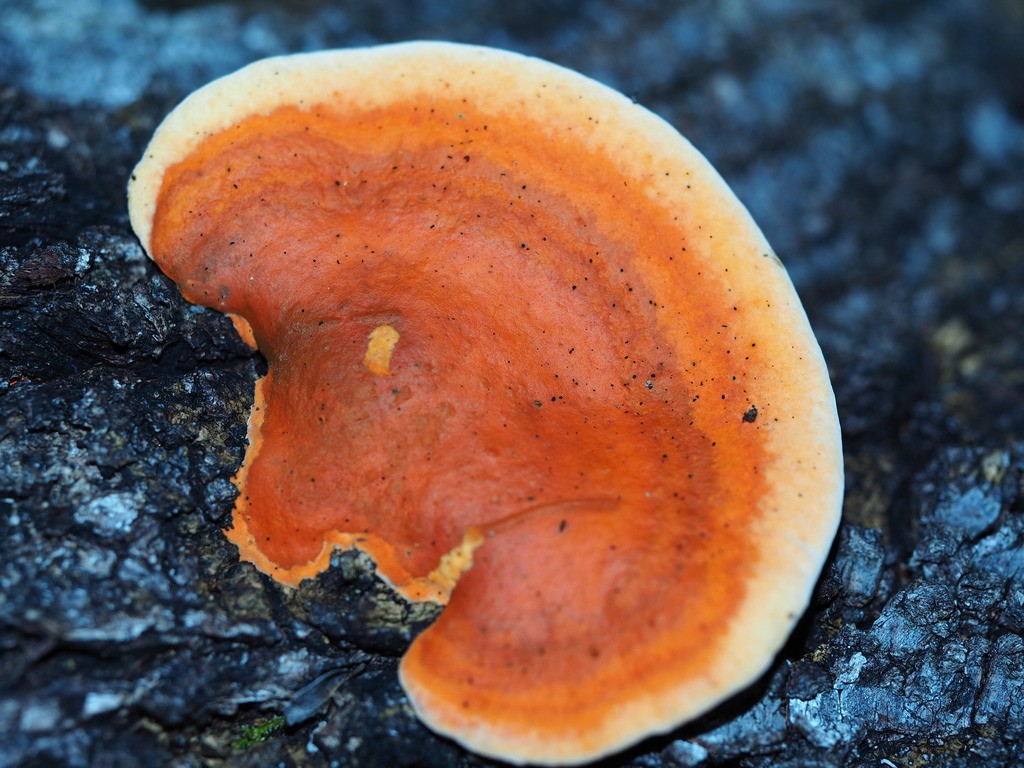
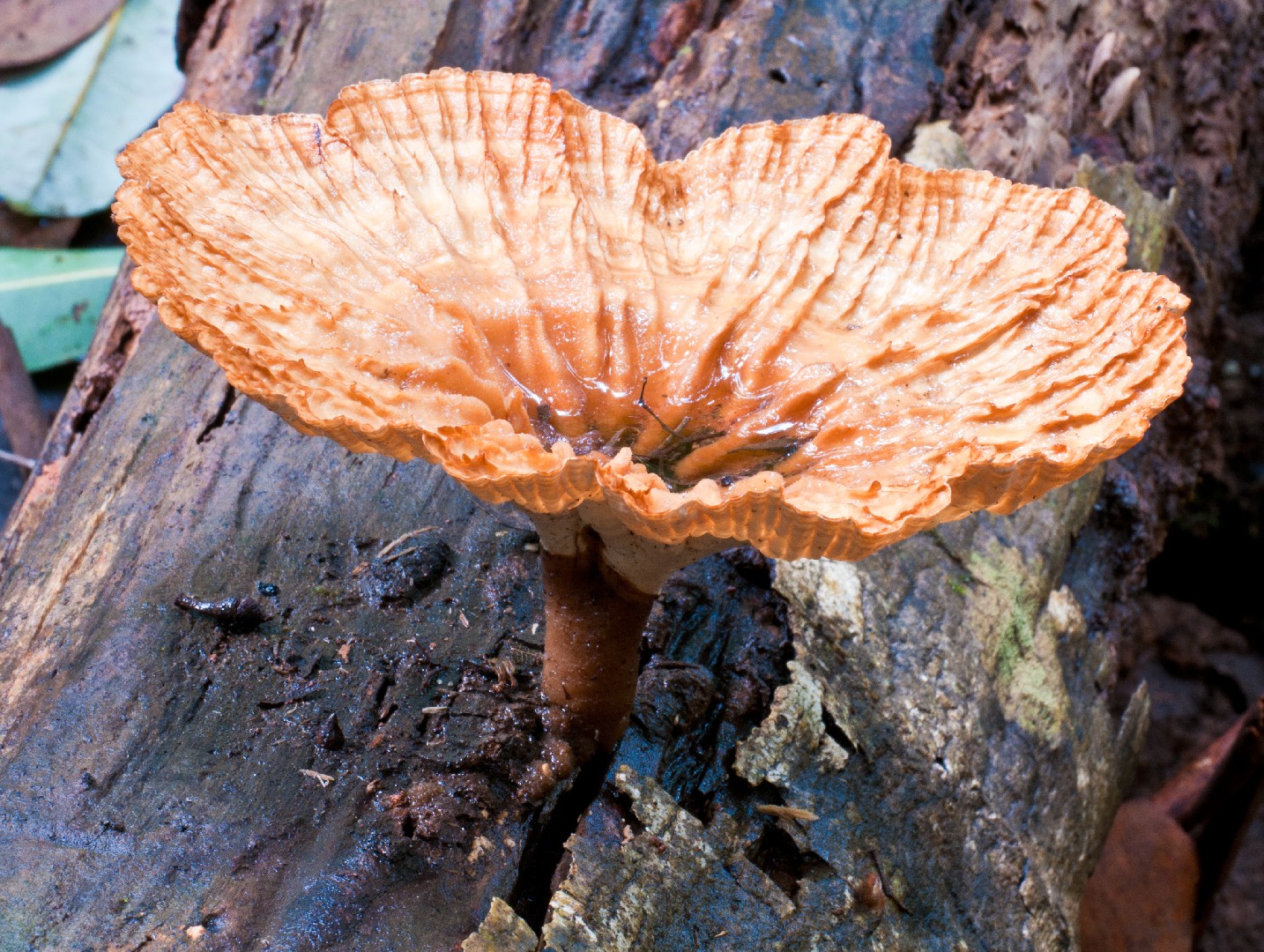
Southern cinnabar polypore grows in a variety of contexts, though it prefers to grow on deadwood near open water sources. This mushroom fruits from the late summer to early winter. True to its name, young southern cinnabar polypore has a bright orange color that's similar to cinnabar but may fade in older age.
6. Yellow bridal veil stinkhorn
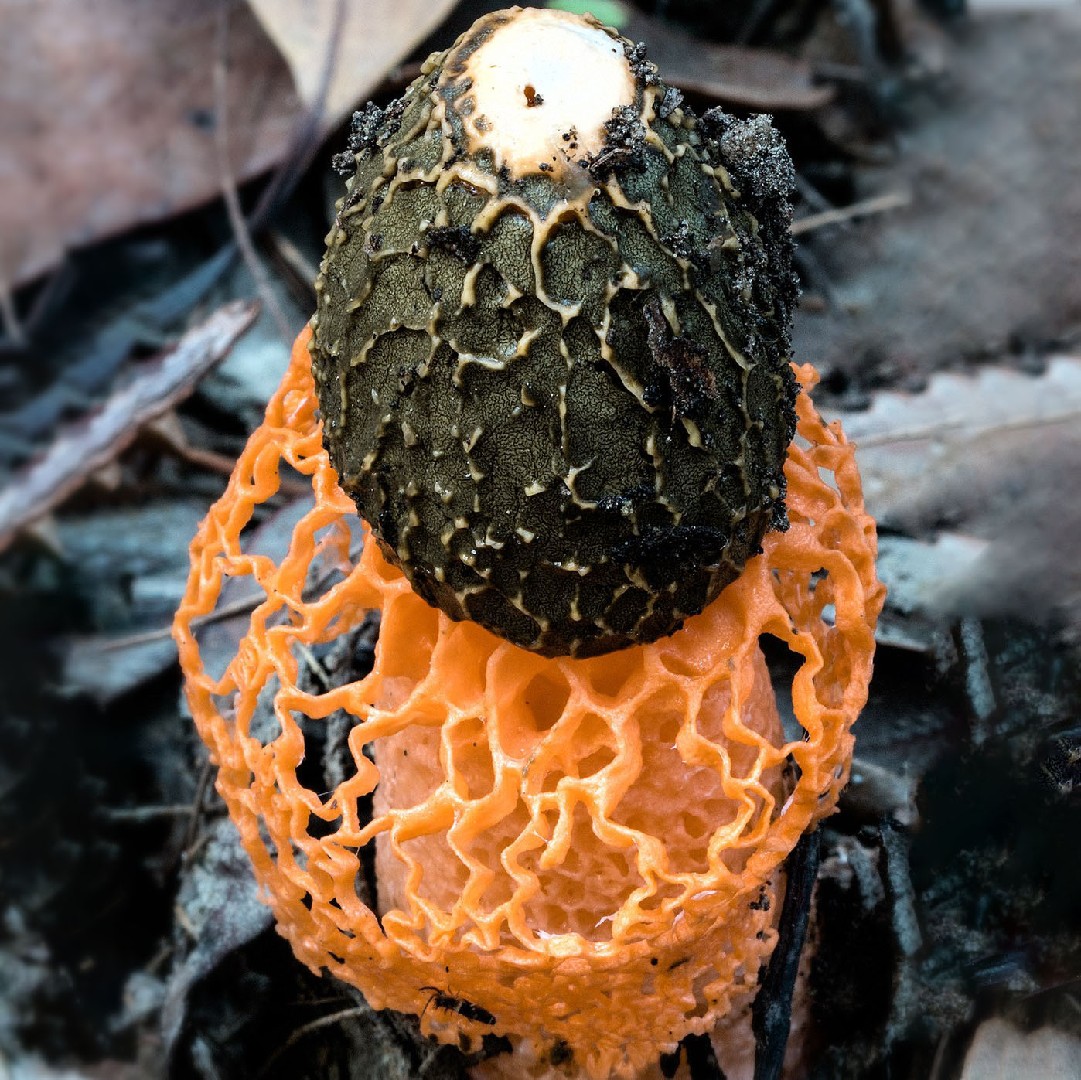
Yellow bridal veil stinkhorn is a species of stinkhorn that occurs in the tropics around the world. Its brownish slime releases a very distinctive and unpleasant smell that attracts flies and other insects. It can be found on the ground, growing among dead leaves and wood chips. 
7. Lantern stinkhorn
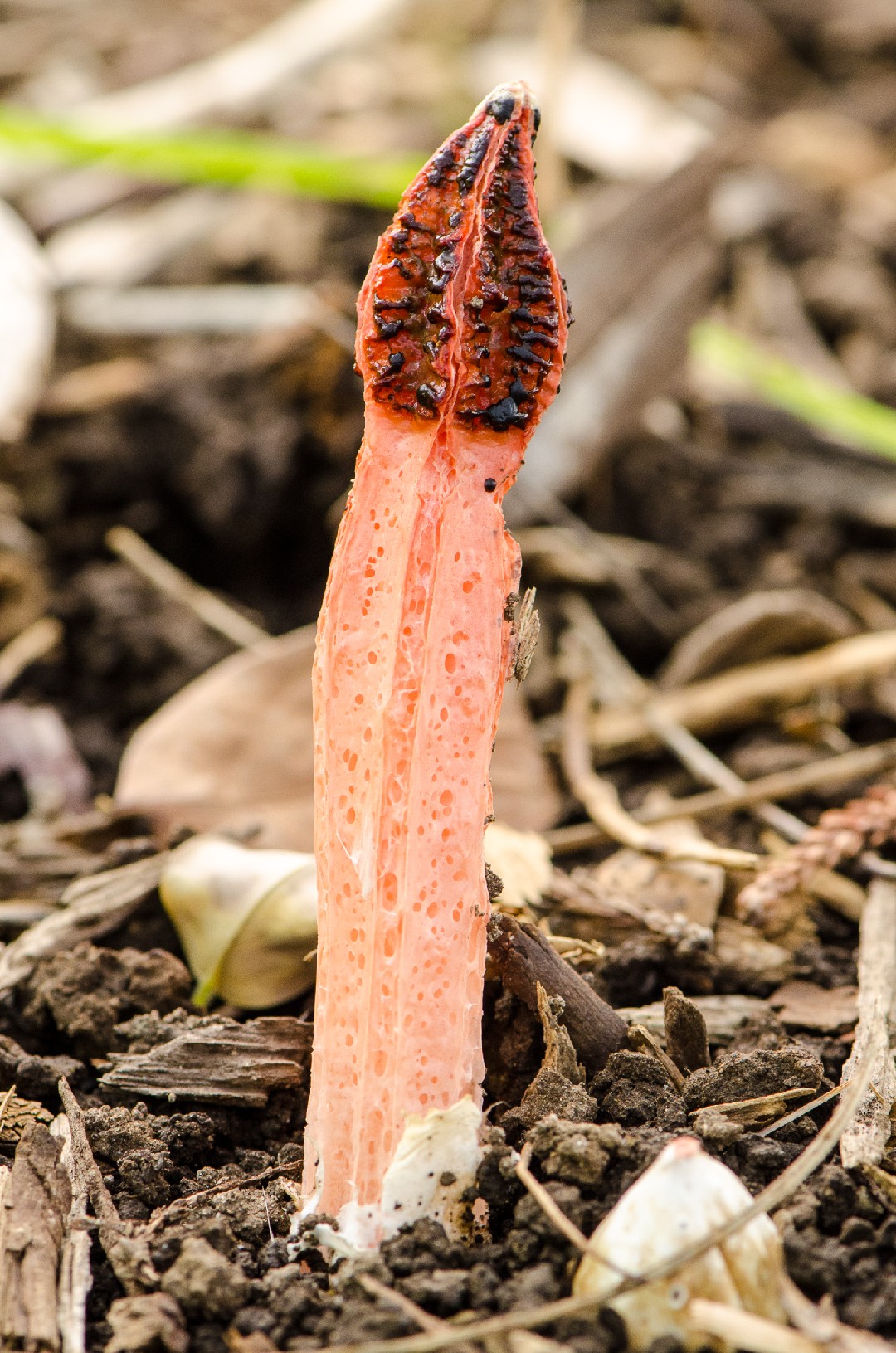
Distinctive even among the outlandish varieties of the stinkhorn family, the lantern stinkhorn (Lysurus mokusin) bursts from the ground with a squared, flat-sided stem that’s ribbed like a churro. Atop this stipe is a hollow claw, like a hand with all its fingertips pressed together. The inside surface of this claw is coated with sticky, stinky goo meant to attract insects that will spread its spores.
8. False parasol
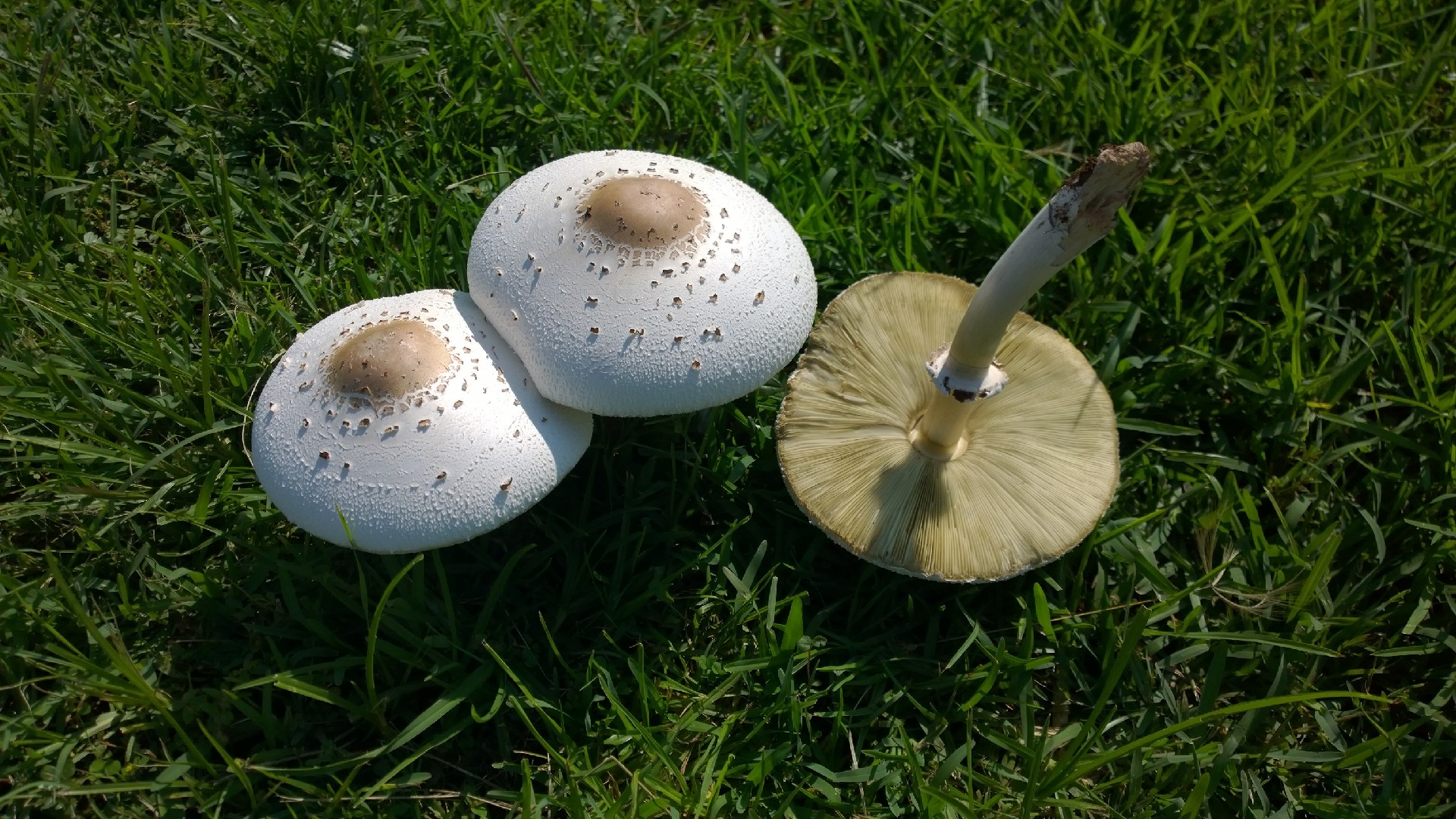
Though the false parasol appears unassuming, the species is famous—or, infamous—for its toxicity. It looks unfortunately similar to Agericus campestrus, a commonly eaten mushroom, but the false parasol can be distinguished by its highly unusual green spore print. Although they are no good to eat, they can be pretty to look at. The species may grow in ring-shaped groups in meadows and on forest floors in what are sometimes called "fairy circles."
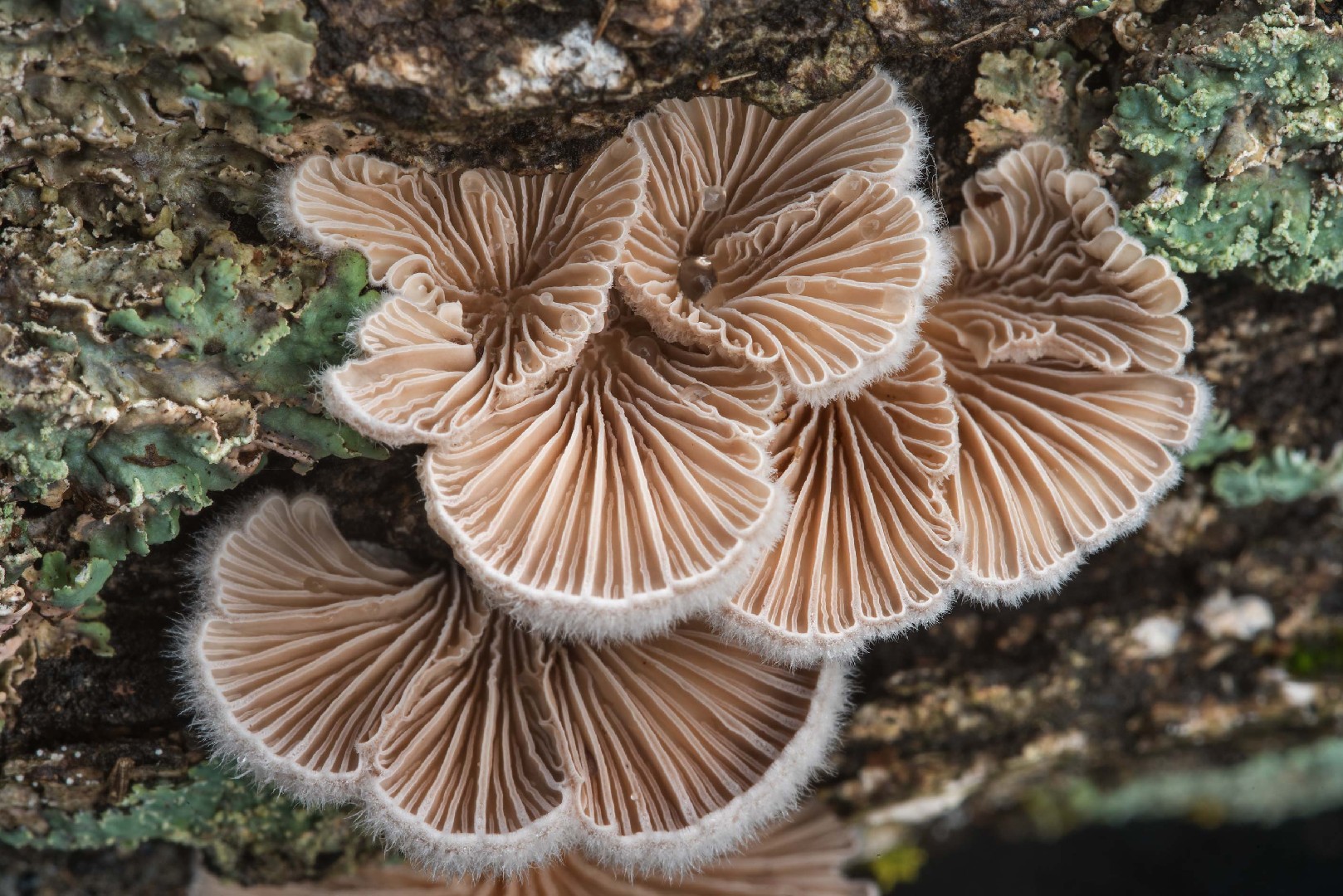
9. Split gill
Split gill(Schizophyllum commune) can be found across the globe. Uniquely, it is the only mushroom species known to display the capability to retract by movement. It is considered inedible, although not necessarily toxic. Furthermore, it is not recommended to smell this species, as the spores are capable of sprouting and growing in nasal passages.
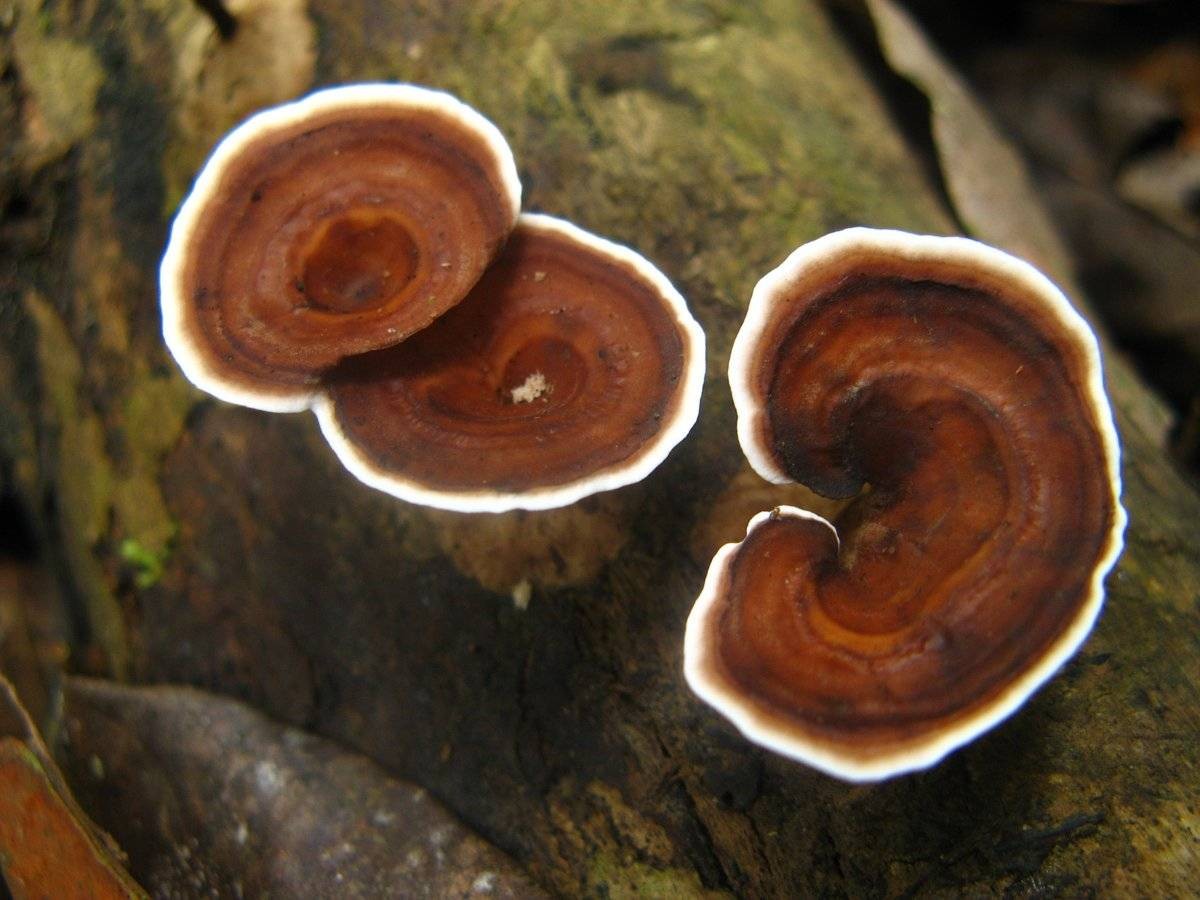
10. Yellow-footed micropore
The scientific name of the yellow-footed micropore (Microporus xanthopus) translates to “tiny-pored yellow foot.” Its short stem is usually yellow, leading up to a concave, funnel-like cap. The species is common in all the tropics of the world outside of the Americas. The striated, multi-hued caps grow largest in wet, darkly-shaded locations.


More







