




Top 7 Most Common Toxic or Poisonous Mushrooms in Colorado Springs
In the majestic Colorado Springs region, a tapestry of microclimates and unique terrain form an enticing haven for myriad mushroom species. But beware, amongst these lie the 7 most common poisonous varieties! Our website is dedicated to educating passionate mushroom enthusiasts about these toxic species—identifying them, understanding their habitats, and mastering the art of safe mushroom hunting. Navigate through to become an informed, confident forager, ensuring a safe, enjoyable experience in the great outdoors.
* Disclaimer: Content feedback CAN NOT be used as any basis for EATING ANY PLANTS. Some plants can be VERY POISONOUS, please purchase edible plants through regular channels.

Most Common Toxic or Poisonous Mushrooms
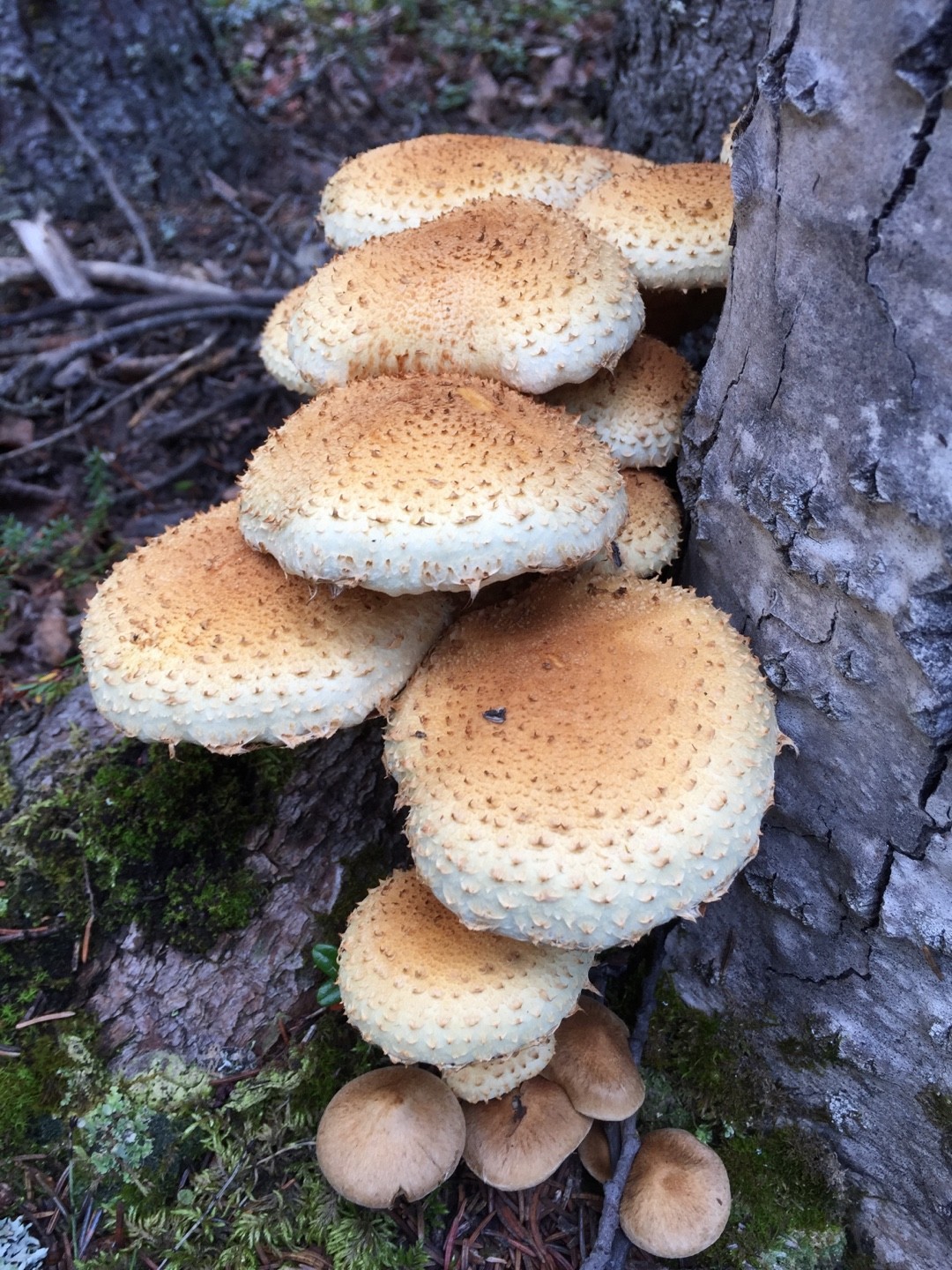
1. Shaggy scalycap
These mushrooms are most commonly found in clusters underneath old broadleaf trees and on their stumps. Their scientific name, Pholiota squarrosa, means “scaly with upright scales,” and that is exactly how the surface of the mushrooms appears. They are sometimes mistaken for honey fungus, as they share the same color, but the shaggy scalycap is definitely not edible.
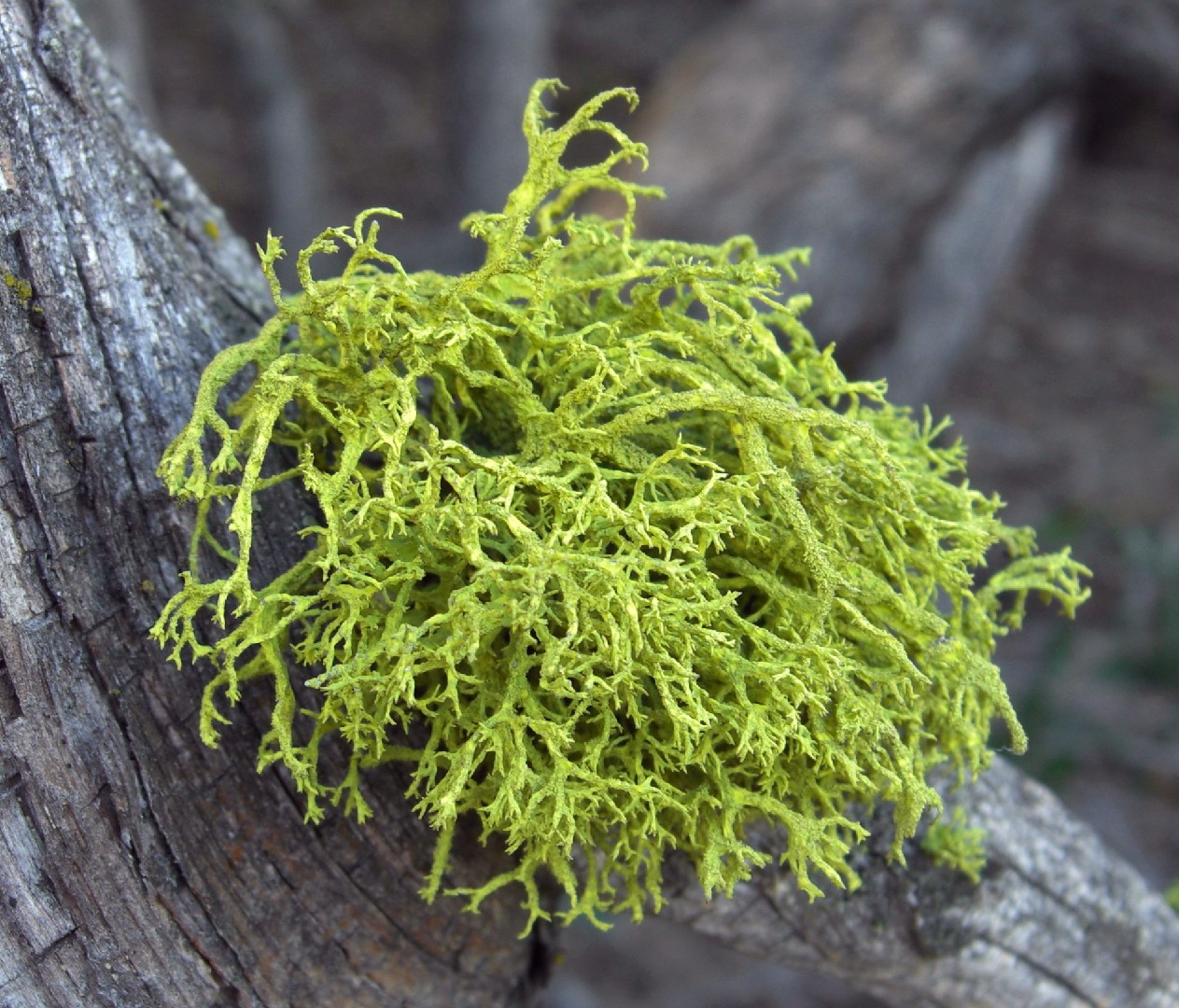
2. Wolf lichen
The thallus, or vegetative body, has a fructicose shape — that is, shrubby and densely branched — and a bright yellow to yellow-green, or chartreuse color, although the color will fade in drier specimens. Its dimensions are typically 2 to 7 cm (0.8 to 3 in) in diameter. The vegetative reproductive structures soredia and isidia are present on the surface of the thalli, often abundantly. 
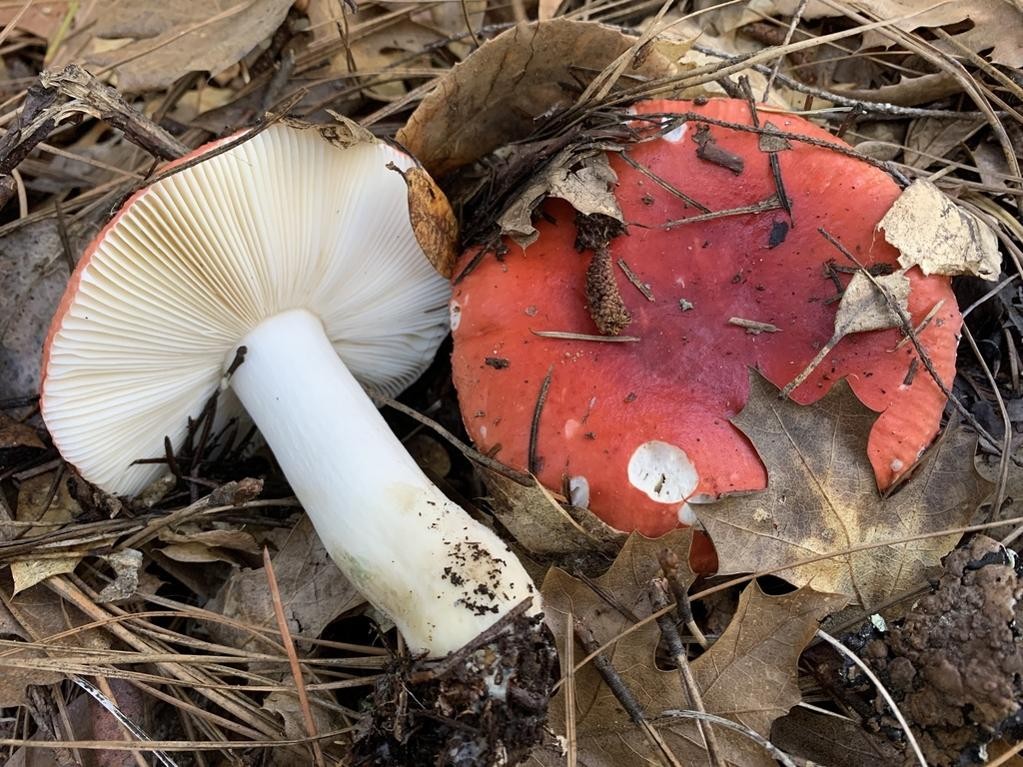
3. Creamy russula
The creamy russula is so-called because is one of the unusual species that fruits during winter. The species' range, the wet, northwestern coast of the United States, stays cool but rarely dips below freezing during this time. Red-capped and white-gilled, creamy russulas look very similar to a host of other russala species; this species is just bitter-tasting, but some of its look-alikes are toxic.
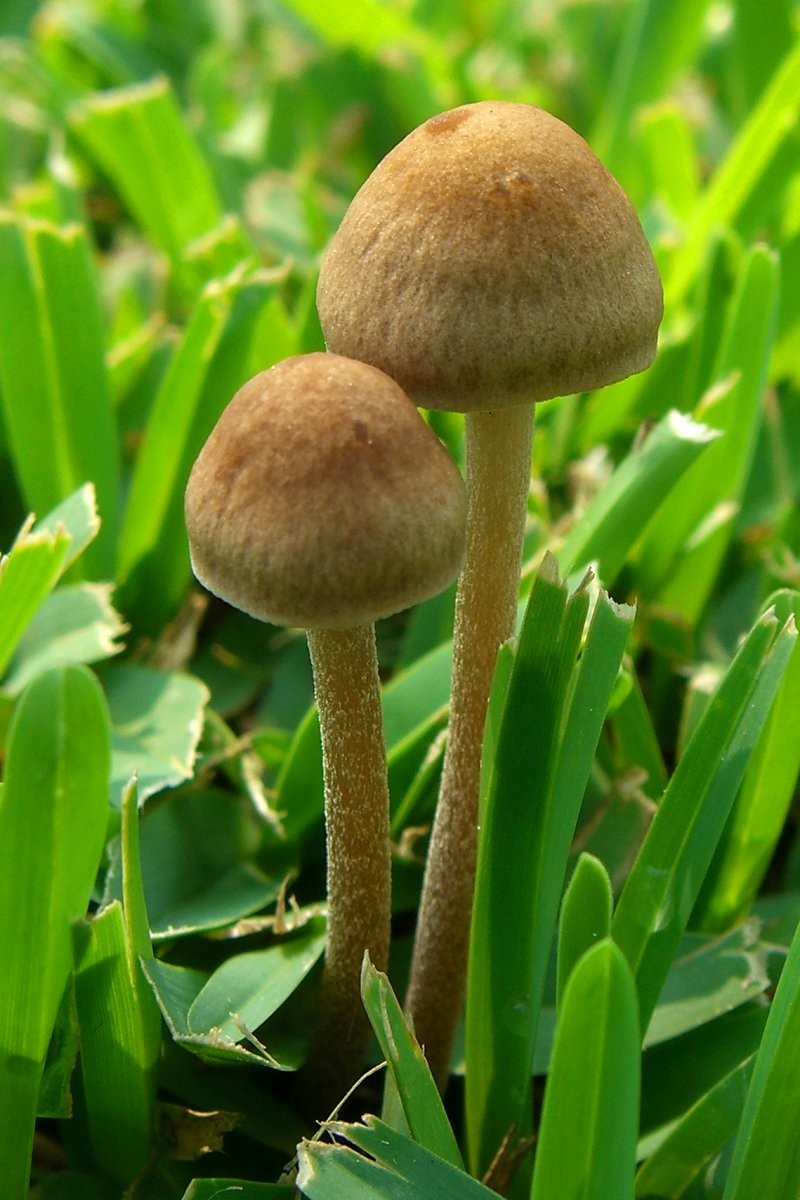
4. Mower's mushroom
The mower's mushroom, also referred to as the lawnmower's mushroom, is so named because it frequently crops up in lawns. The species is rather nondescript, and it is considered a member of the infamously hard-to-distinguish "Little Brown Mushroom" (LBM) family. While the mower's mushroom is not known to be toxic to humans or dogs, several of these close look-alikes are.
5. Purple-staining bearded milk cap
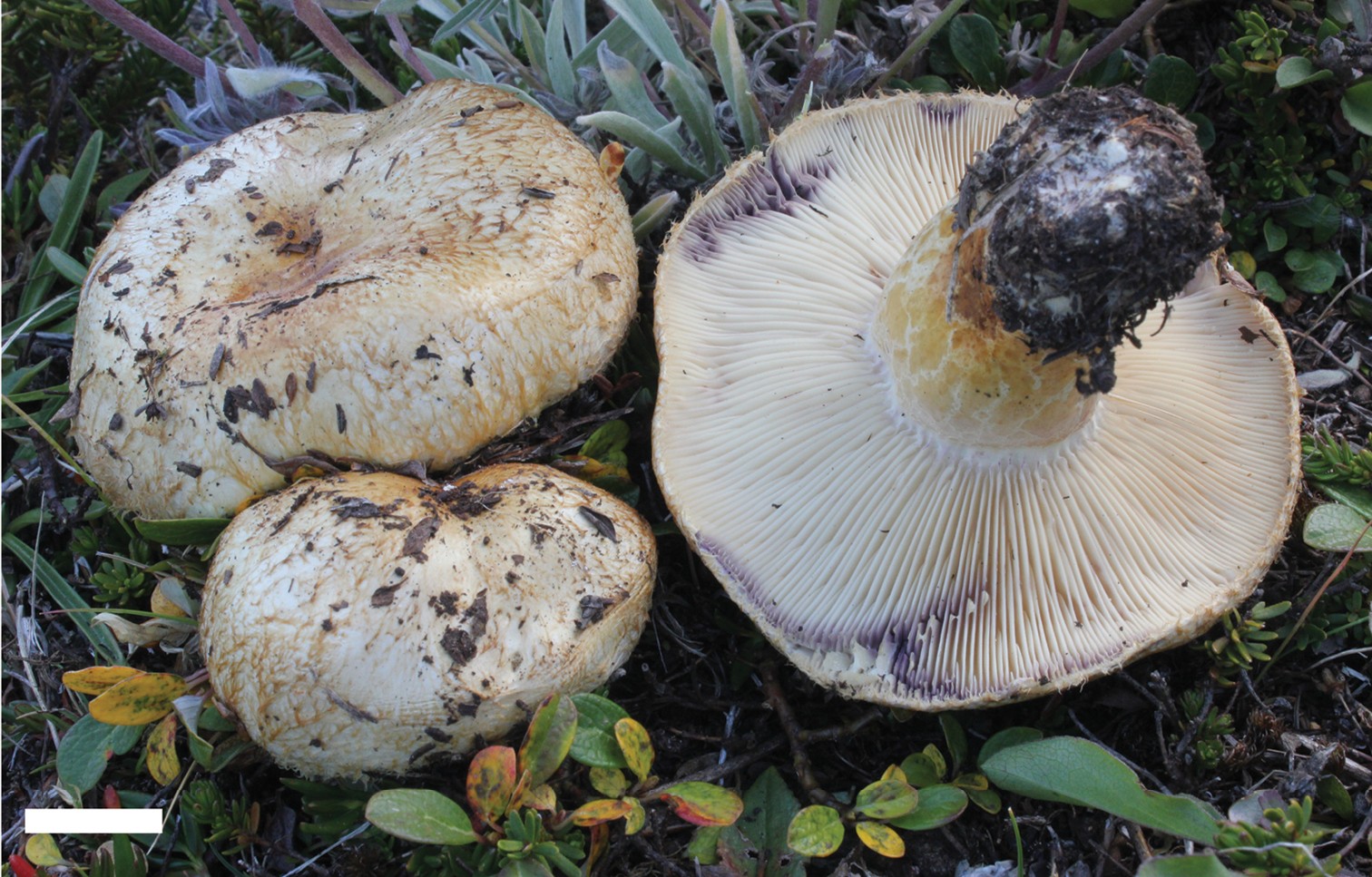
The cap of L. repraesentaneus is 6–18 cm (2.4–7.1 in) wide, convex to broadly funnel-shaped. The margin (the edge of the cap) is conspicuously bearded on young specimens. The cap surface is faintly zoned to azonate, with a thin layer of matted fibers, often becoming scurfy with age. It is dry to somewhat sticky, light yellow to orange-yellow, sometimes with rusty tints when older. The attachment of the gills to the stem is slightly decurrent—running slightly down the length of the stem. The gills are moderately broad, close to crowded, sometimes forked near the stem. Normally a cream to pale ochraceous color, they will stain dull lilac to purple when bruised. The stem is 5–12 cm (2.0–4.7 in) long, 1–3 cm (0.4–1.2 in) thick, nearly equal in width throughout or enlarged downward, hollow at maturity, sticky to dry, scrobiculate (coarsely pitted), pale yellow to orange-yellow, and stains dull lilac to purple. The flesh is firm, brittle, white, and will stain dull lilac to purple when cut. The odor is sometimes faintly fragrant or not distinctive, but when the mushroom is dry it smells intensely of soap. Its taste is mild to slightly acrid or somewhat bitter, and the flavor has been compared to sweet flag (Acorus calamus). The abundant amount of latex produced by the mushroom is white to cream, unchanging, staining all tissues dull lilac to purple. It tastes mild to slightly acrid or somewhat bitter. The spore print is yellowish. The fruit bodies are poisonous and consumption will cause stomach aches, but the nature of the toxic agents has not been identified. A new form, Lactarius repraesentaneus f. immutabilis, was described from Le Sappey, in the Haute-Savoie department of southeastern France in 2011. It differs in the staining reaction of its injured flesh. The spores are 8–12 by 6.5–9 µm, broadly ellipsoid to ellipsoid, ornamented with warts and ridges that do not form a reticulum, prominences up to 0.8 µm high, hyaline, and amyloid. The cap cuticle is an ixocutis—with the hyphae embedded in a slimy or gelatinized layer.
6. False parasol
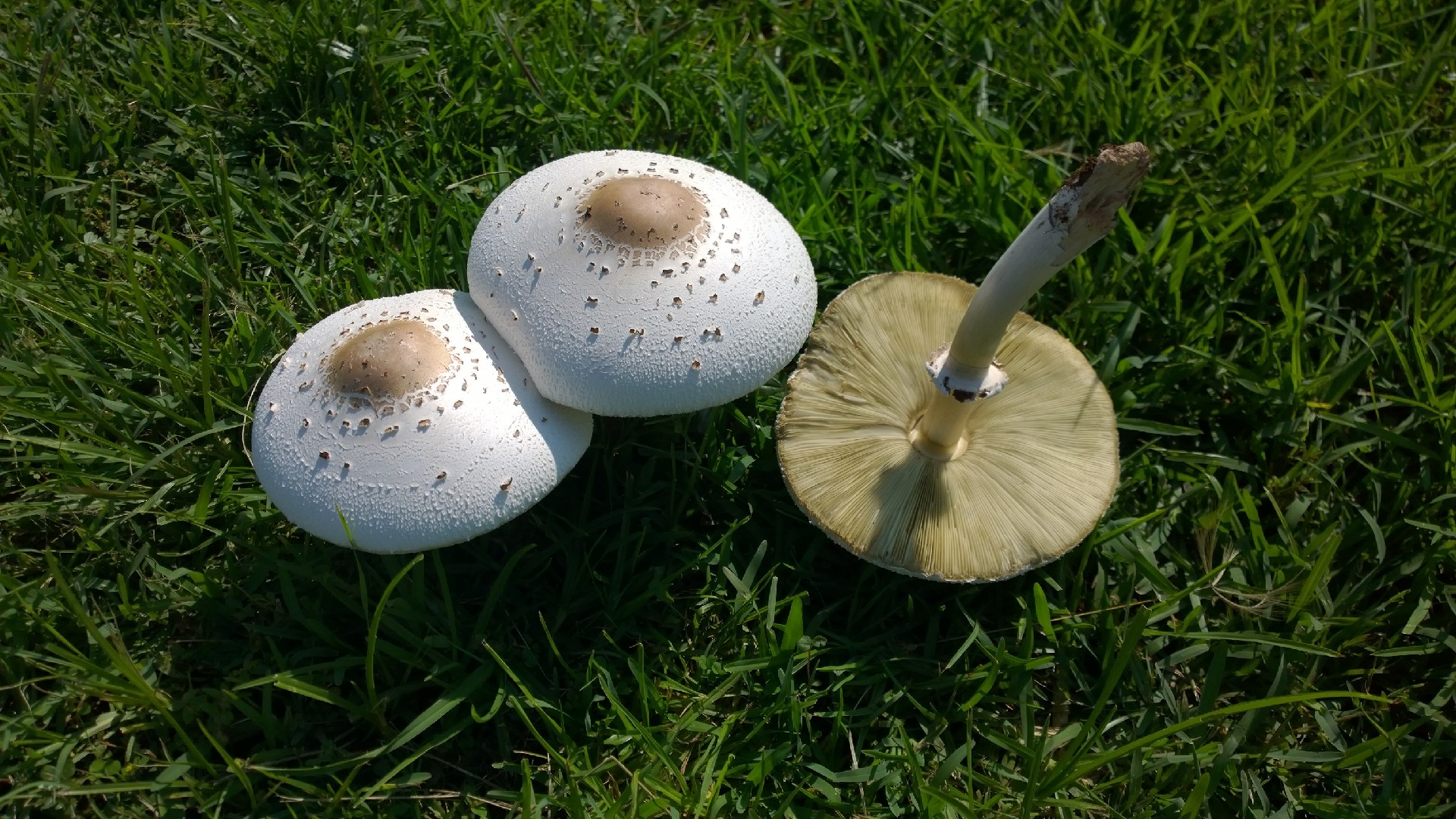
Though the false parasol appears unassuming, the species is famous—or, infamous—for its toxicity. It looks unfortunately similar to Agericus campestrus, a commonly eaten mushroom, but the false parasol can be distinguished by its highly unusual green spore print. Although they are no good to eat, they can be pretty to look at. The species may grow in ring-shaped groups in meadows and on forest floors in what are sometimes called "fairy circles."
7. Flowerpot parasol
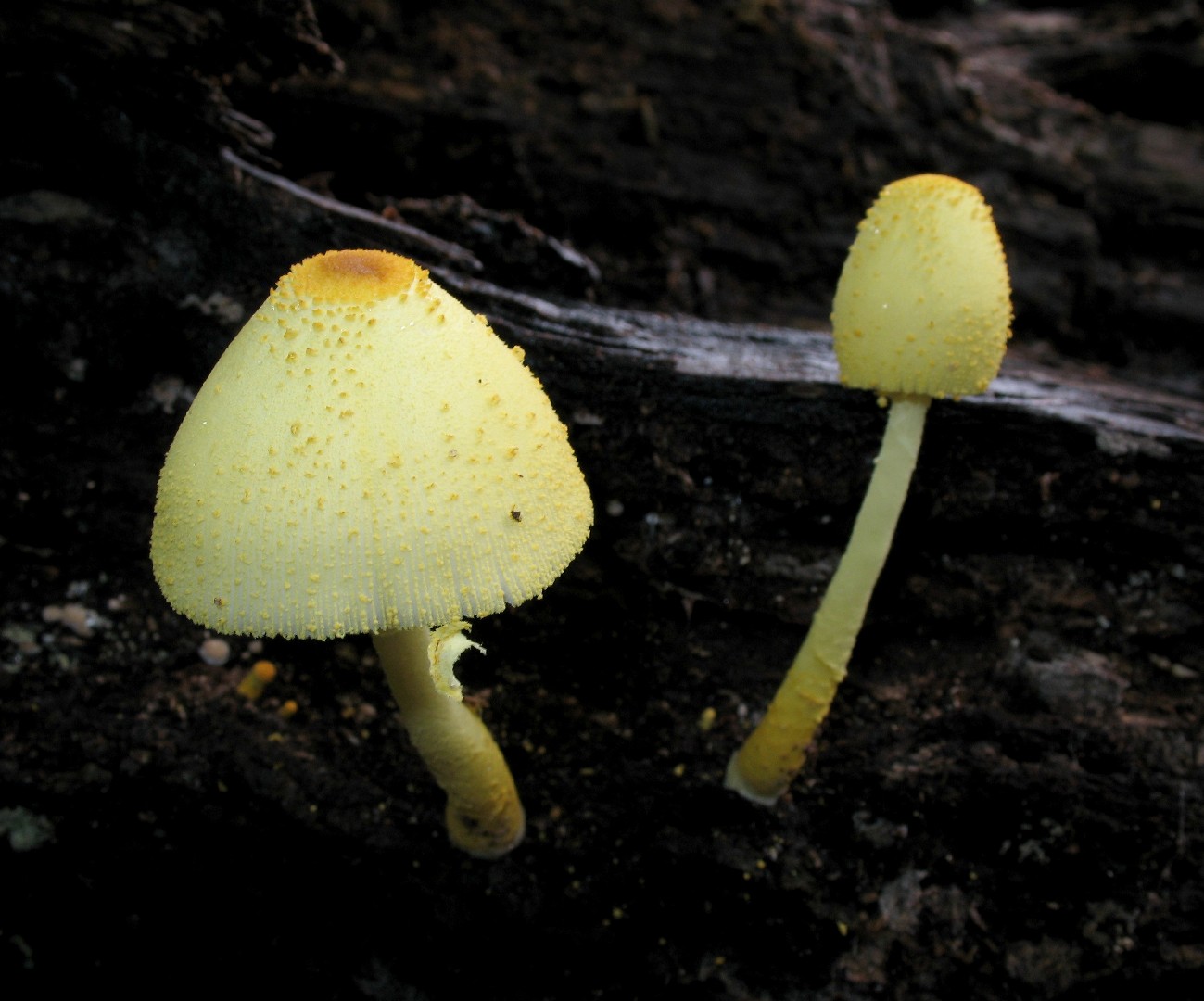
This tropical/subtropical mushroom is known to be toxic. If eaten it causes a very unpleasant stomachache with the risk of fatal complications. In temperate zones, flowerpot parasol is only found in hothouses and greenhouses, so the risk of accidental foraging is low, but it may occur with potted plants and indoor landscaping and pose a risk to curious children.







