




Top 20 Edible Mushrooms Popular in New Bern
Delve into the fascinating realm of fungi in New Bern, a locale rich in diverse landscapes, varying from lush forests to moist fields. Home to an abundance of edible mushrooms, New Bern showcases an impressive assortment based on its unique climate and terrain. Unearth information about 20 of the most commonly found edible species, grasping their distinct characteristics like appearance, palatability, natural habitat, and cooking usage. Our exploration aims to provide a comprehensive guide to mycologists, foragers, and culinary enthusiasts alike. Let's get started on a captivating fungal journey.
* Disclaimer: Content feedback CAN NOT be used as any basis for EATING ANY PLANTS. Some plants can be VERY POISONOUS, please purchase edible plants through regular channels.

Most Popular Edible Mushrooms
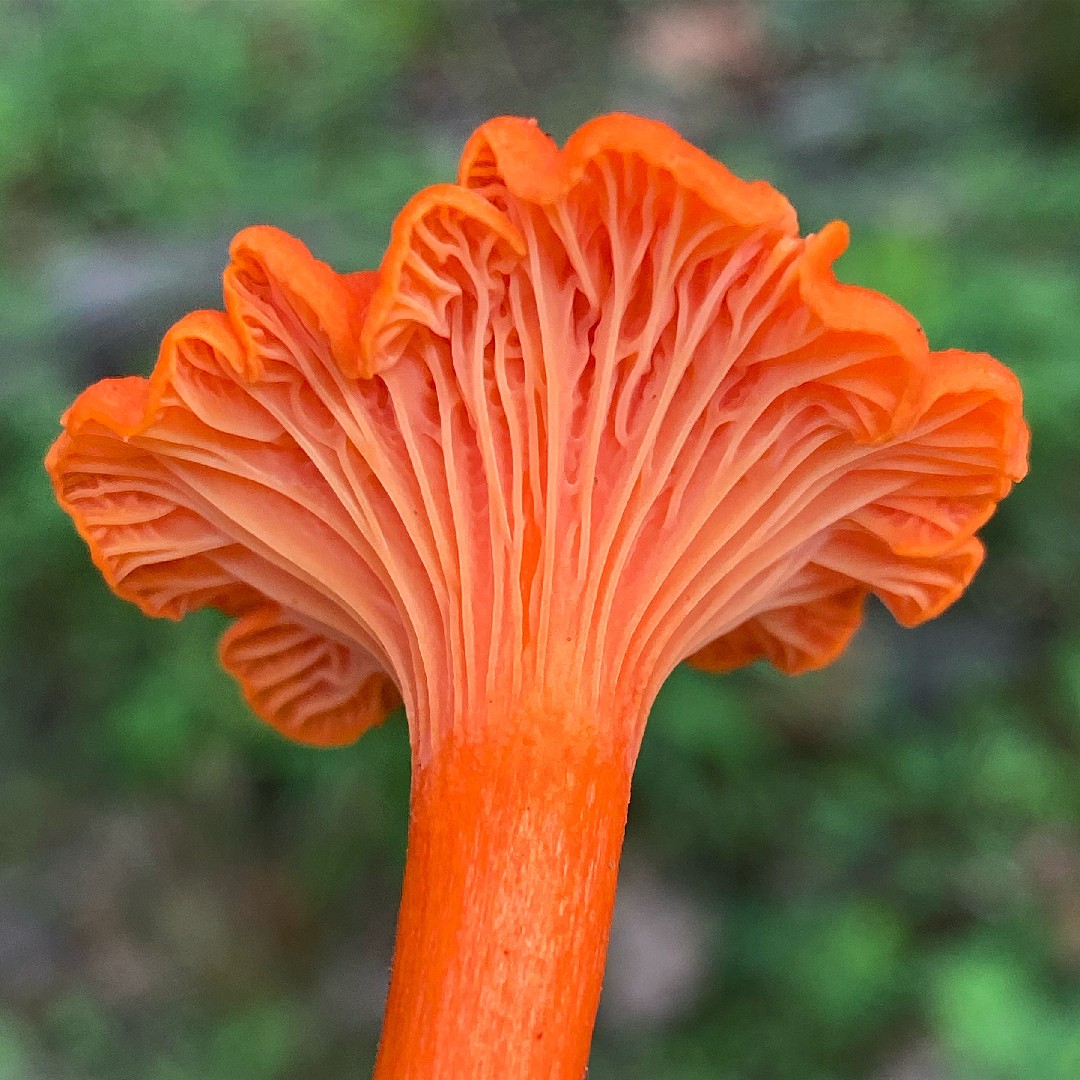
1. Red chanterelle
Red chanterelles can be found growing within hardwood forests across eastern North America. These small but striking mushrooms range from orange to red to pink in color. Edible and boasting complex flavors, many chanterelles are highly sought after. The red chanterelle, though less famous than some of its close relatives, is no exception. This species can be used in all sorts of recipes, with a vaguely sweet or piney taste.
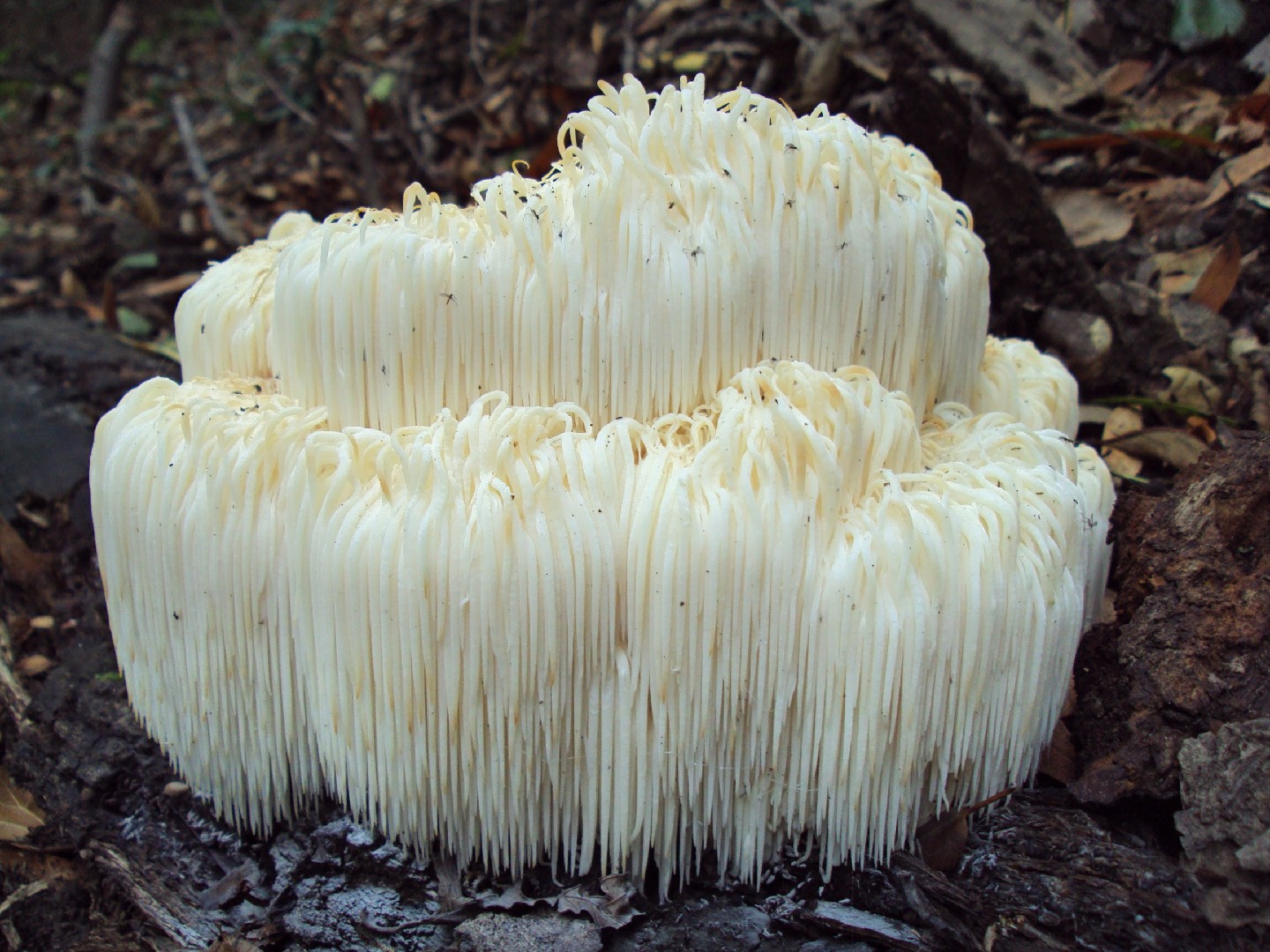
2. Lion's Mane Mushroom
Lion's Mane Mushroom(Hericium erinaceus) is easily identifiable by its characteristic appearance, reminiscent of the majestic mane of a lion. It often sprouts along hardwoods, which may be living or dead. Scientists thus debate whether this species is truly parasitic or merely saprophytic in nature.
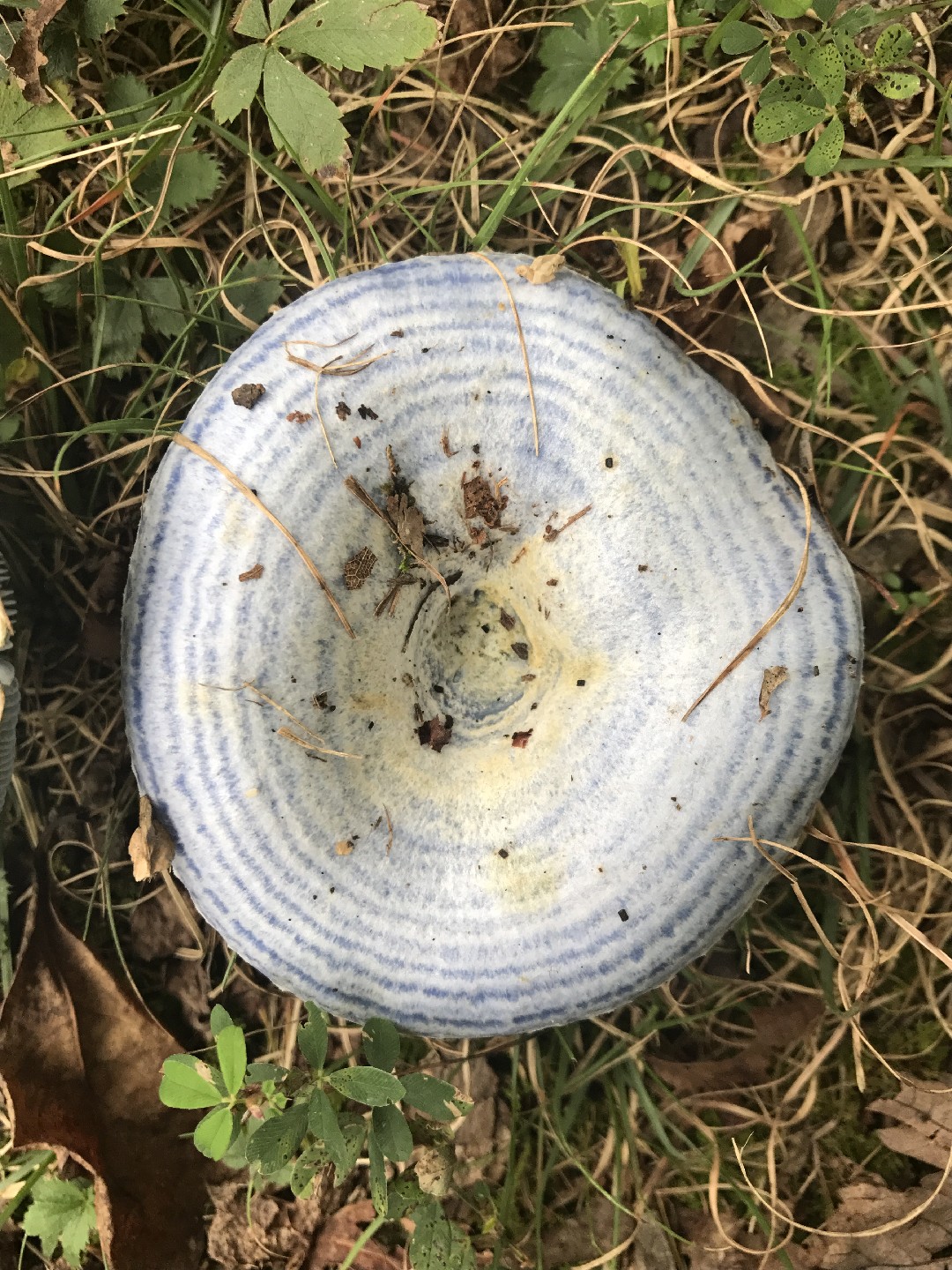
3. Indigo milk cap
This gorgeous species is unlike any other. The indigo milk cap, a member of the often-drab russula family, is deep blue in color. Like other milk caps, it bleeds a latex-like substance when cut or damaged, but instead of the usual white this species bleeds deep blue.
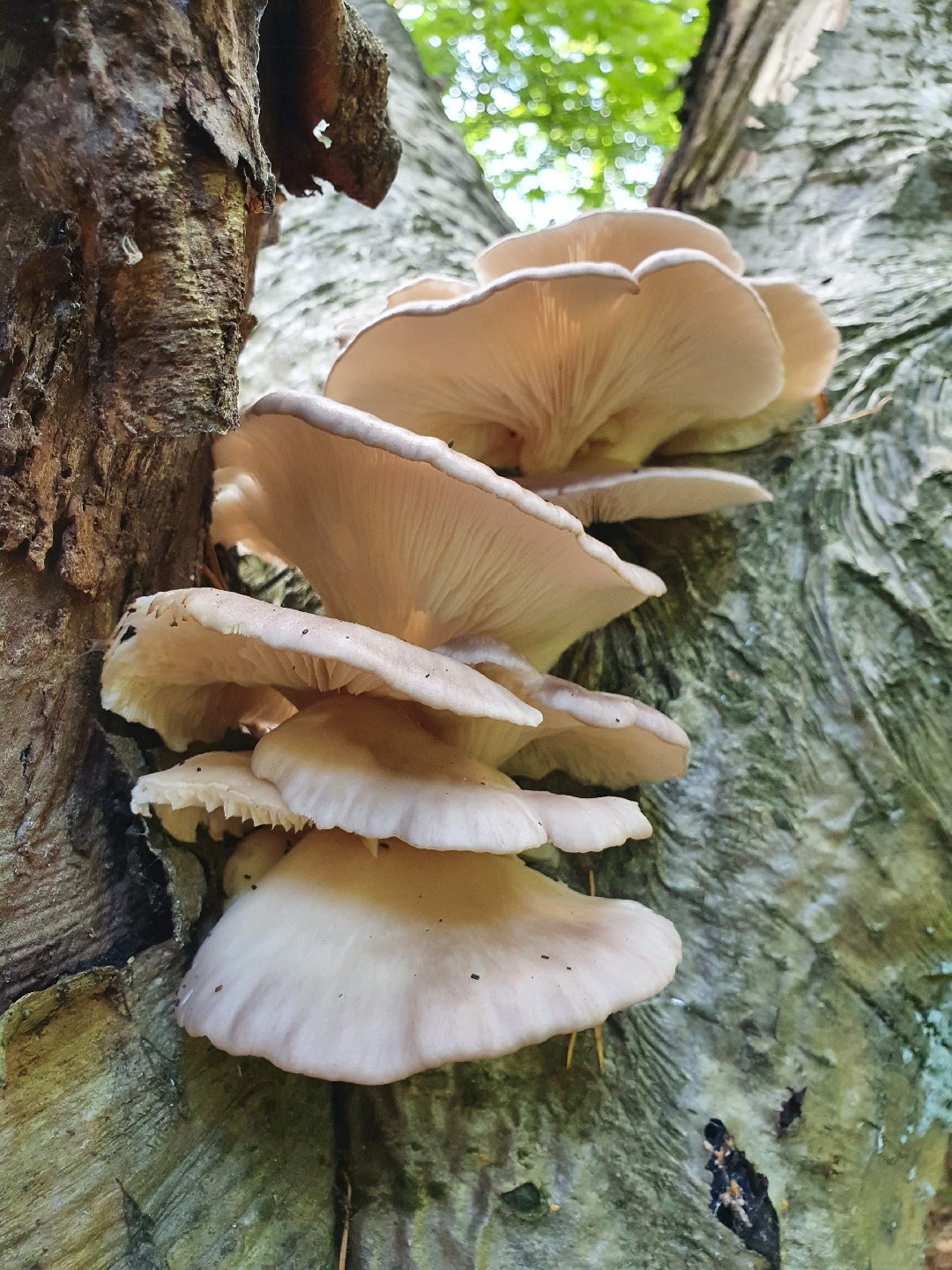
4. Oyster mushroom
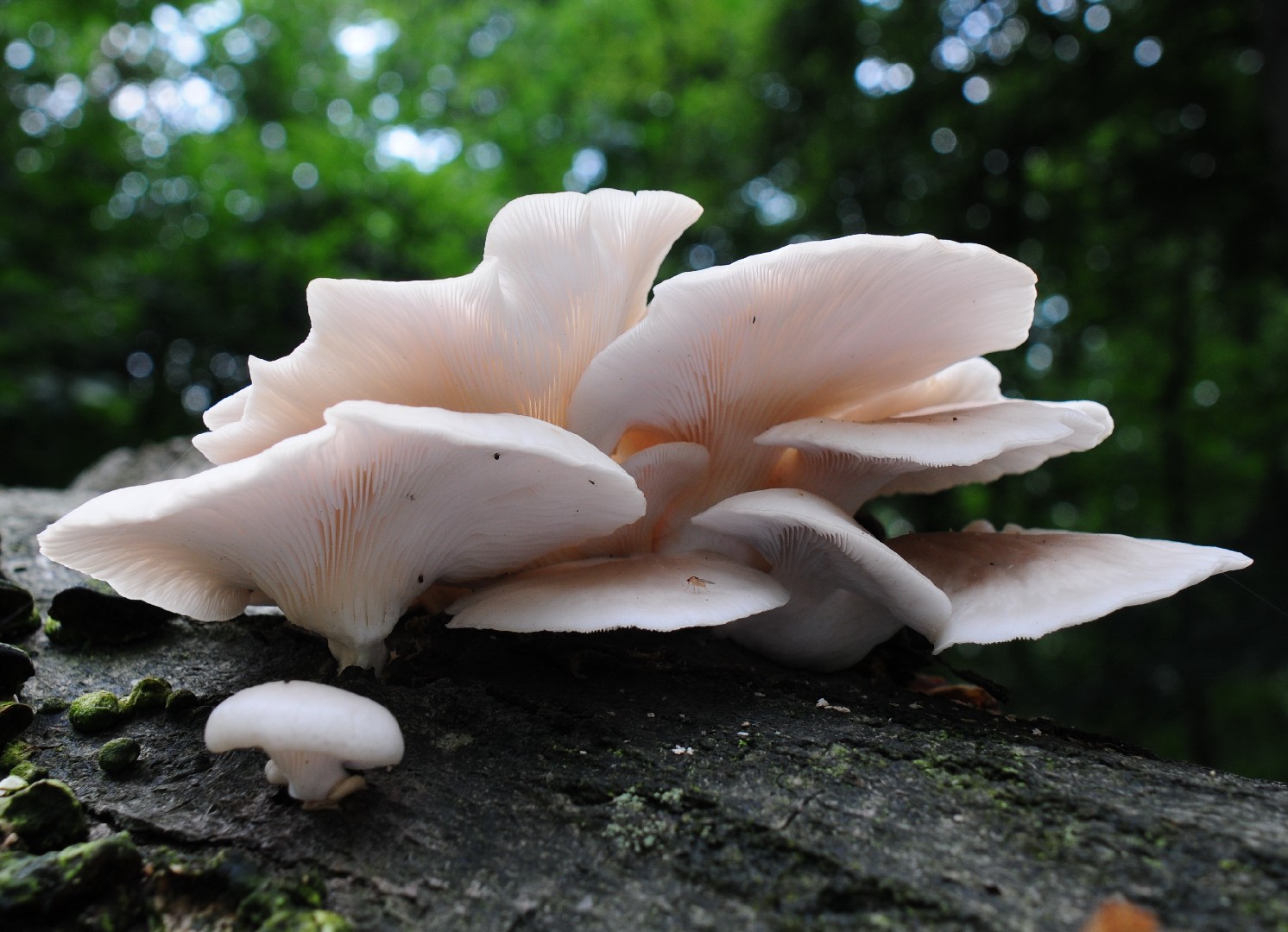
Oyster mushrooms grow wild but are also cultivated for sale in supermarkets. They can even be cultivated at home. They will grow on coffee grounds and spent grain, and are occasionally even fashioned into an environmentally-friendly substitute for styrofoam. There are several toxic look-alike species, so it is best to buy these mushrooms at the store.
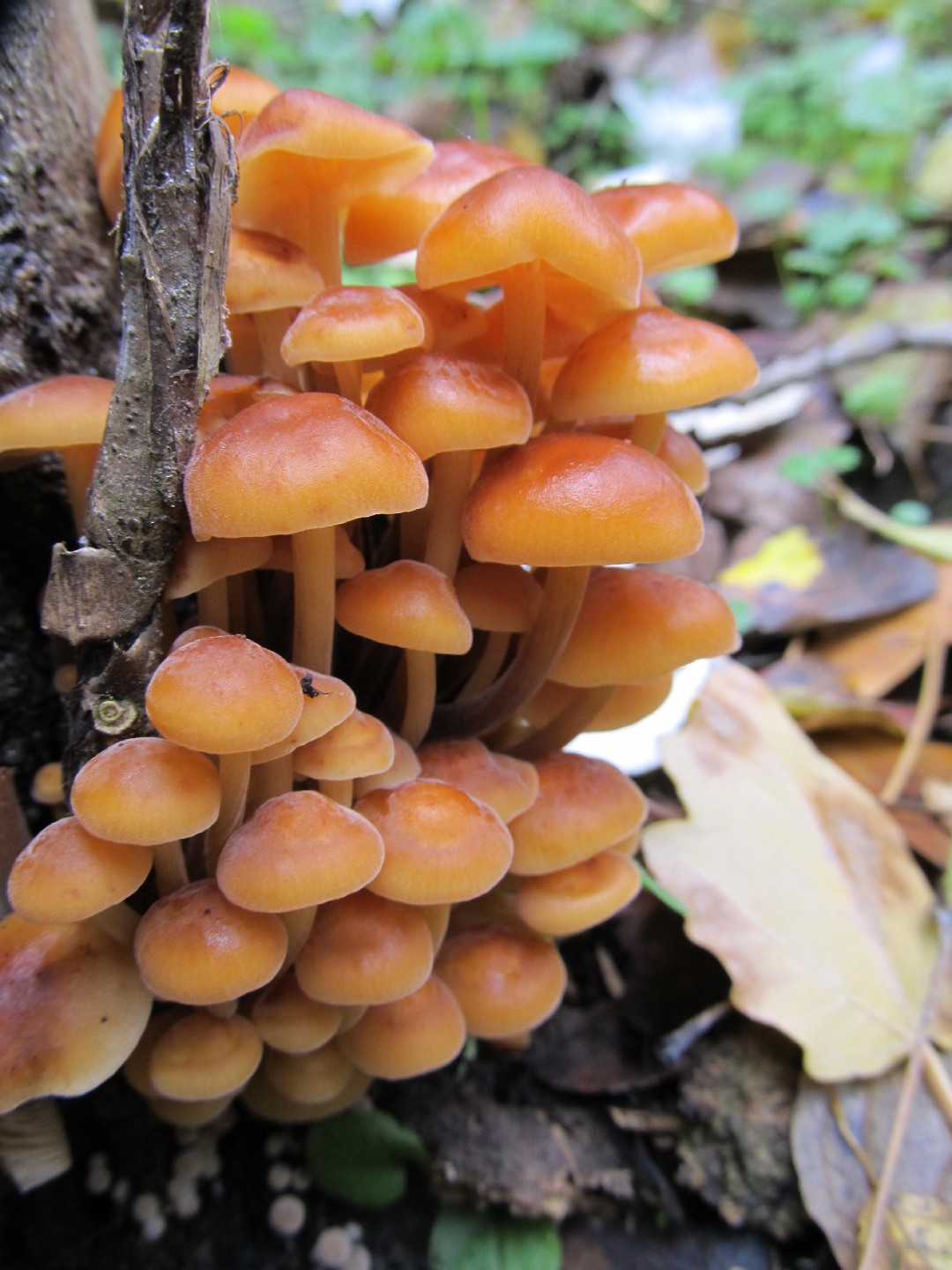
5. Enoki
The enoki grows wild on dead elm trees, and is also cultivated for human use. This flavorful species (Flammulina velutipes) has been used in dishes around the world for generations, being particularly high in nutrients. Though store-bought enoki are often plain white, wild ones can be found in a range of colors.
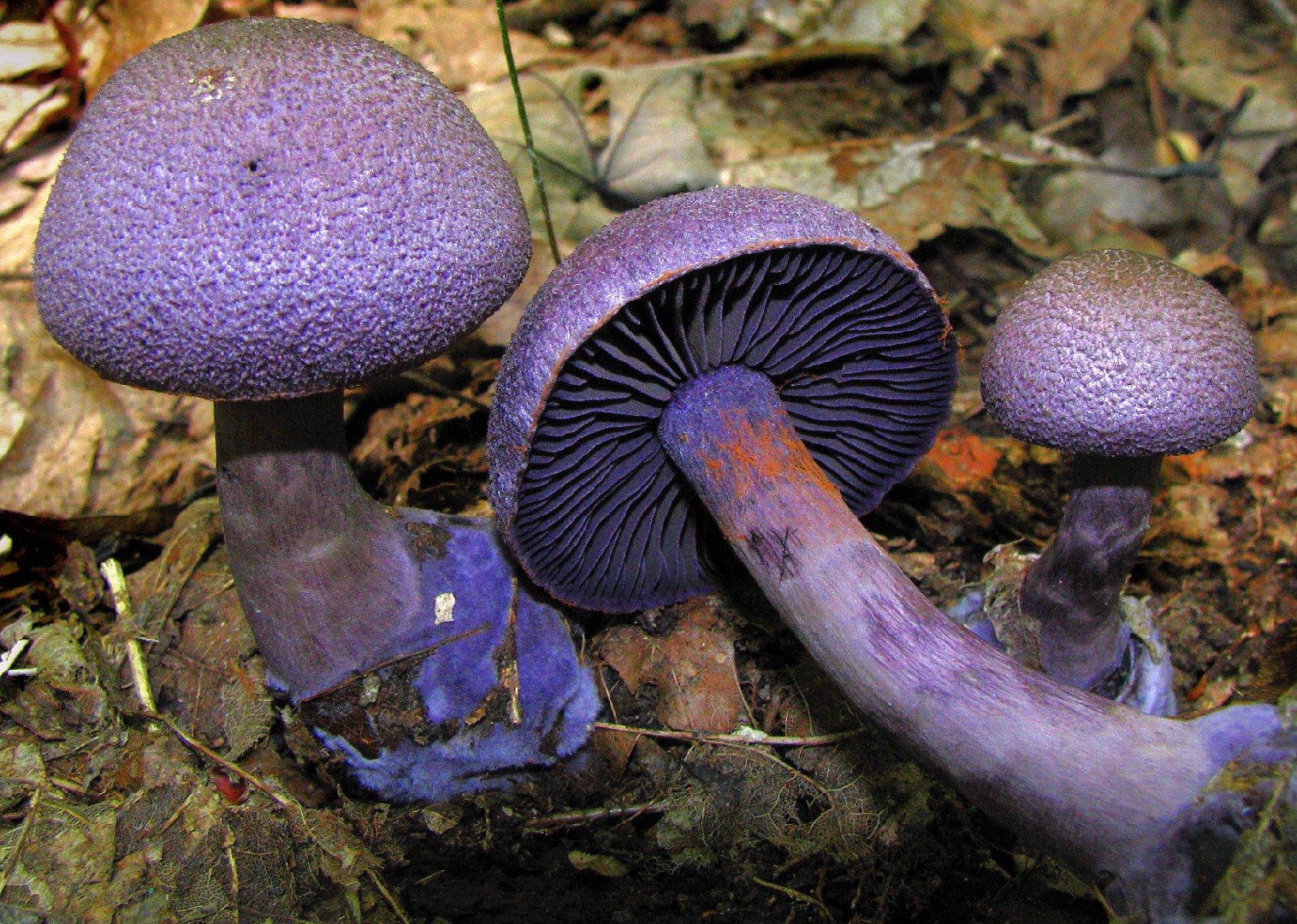
6. Violet webcap
This absolutely striking mushroom looks like something out of a fairy tale. The entire fruitbody of the violet webcap - cap, stalk, and gills - ranges in color from a light lavender to a very deep purple. The species' caps are bulbous and pockmarked, often appearing velvety. Though a feast for the eyes, this species is usually considered inedible.
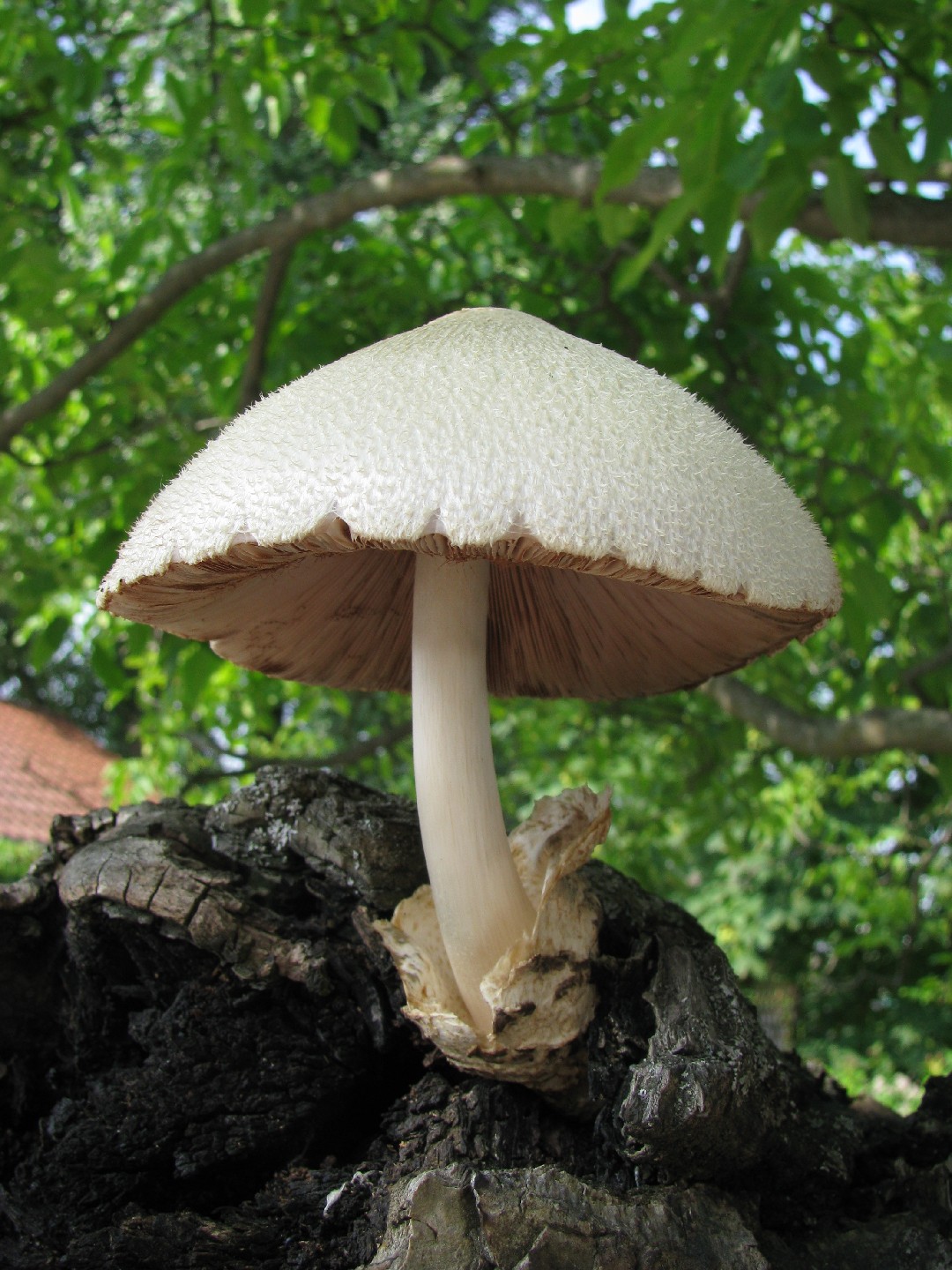
7. Silky sheath
Silky sheaths (Volvariella bombycina) are widely distributed, being found in temperate and sub-tropical forests around the world, but rare. The fruitbody emerges from a silky-textured volva, and the mushroom's white or off-white cap is usually quite smooth as well. One of this species' favored microhabitats is the rotted knotholes of mature maples, elms, oaks, or beeches.
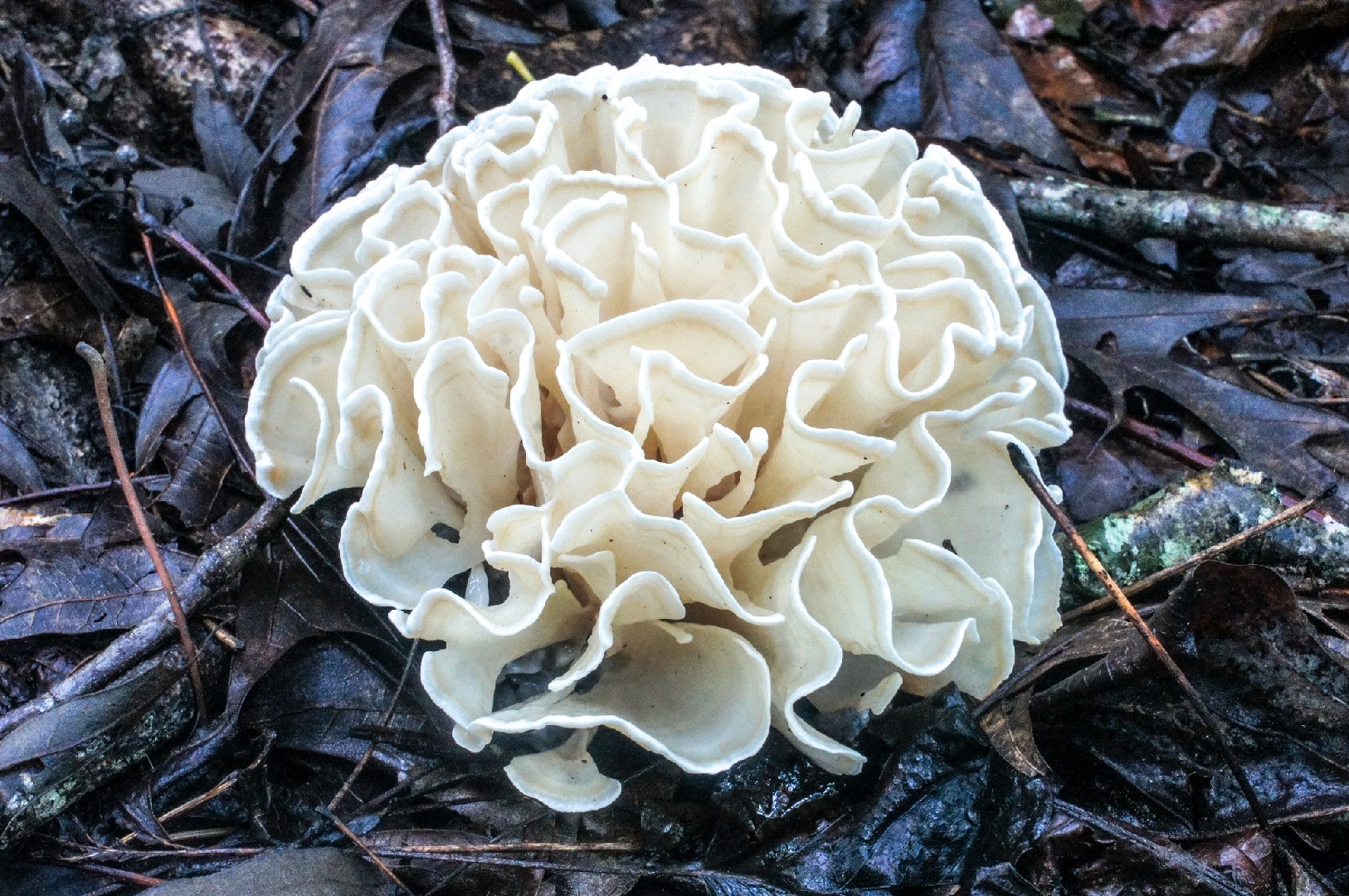
8. Eastern cauliflower mushroom
The appropriately named eastern cauliflower mushroom (Sparassis spathulata) looks strikingly like a cauliflower head but with more pronounced ridges that make up the cap. This rosette-shaped, quite large mushroom is white to tan in color and is found around older oak trees.
9. Scaly lentinus
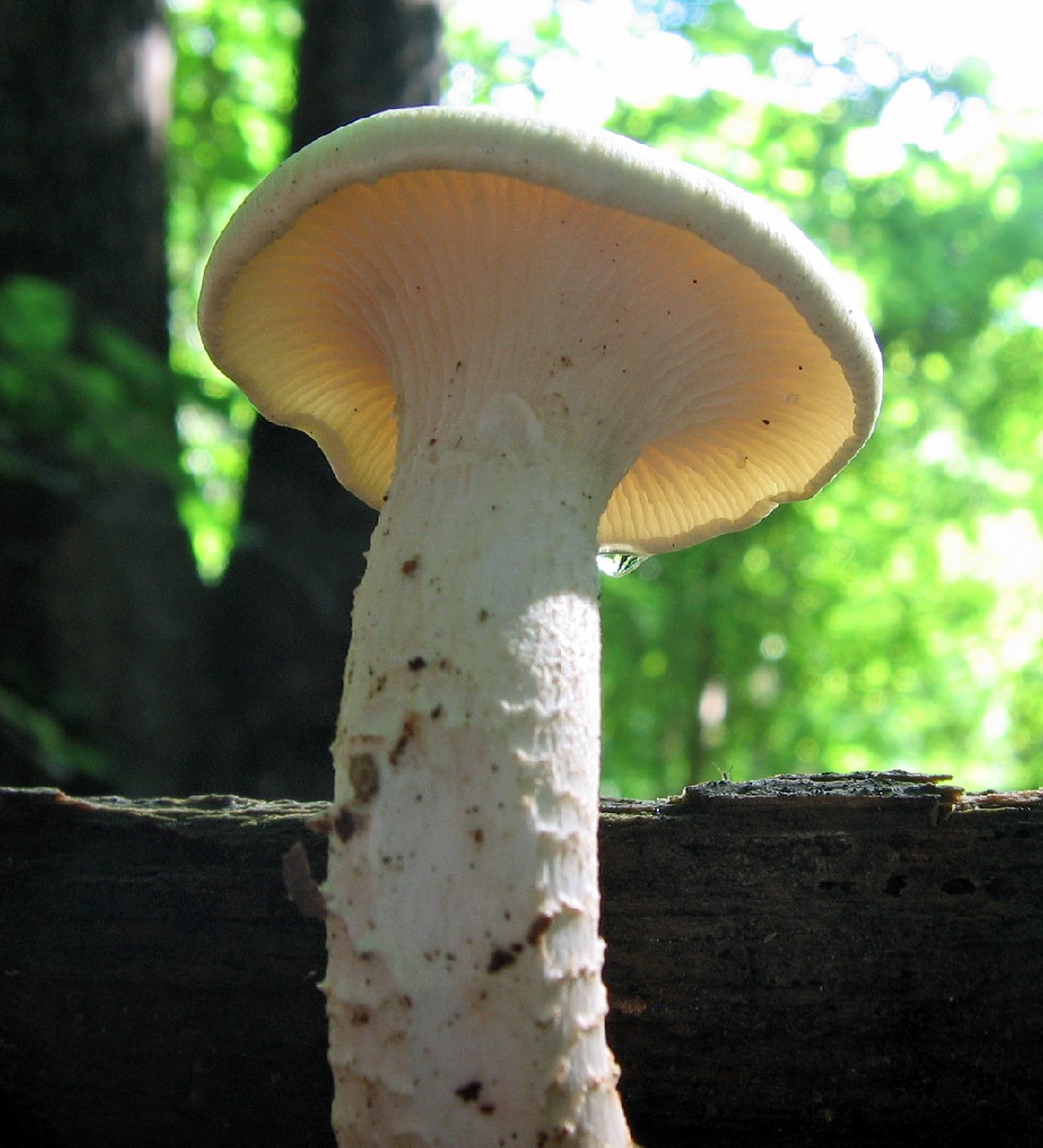
Scaly lentinus(Neolentinus lepideus) may be found alone or in groups along dead or decaying pieces of timber. Due to its ability to colonize even chemically treated wood, including railroad tracks, it has been given the nickname "train wrecker." Due to inconsistent reports of safety, consumption is discouraged.
10. Purple-spored puffball
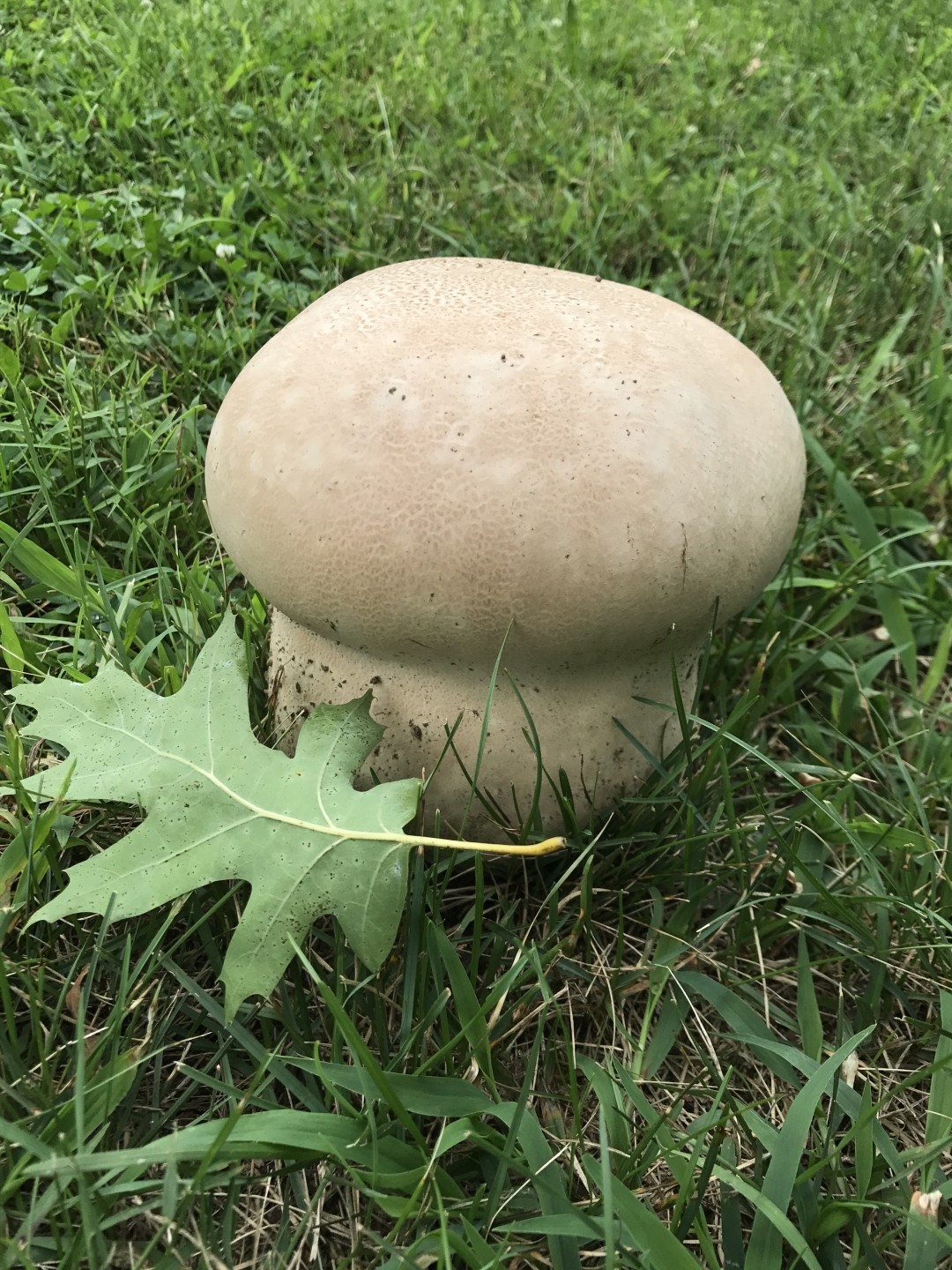
It's hard to mistake this mushroom for another. The aptly-named purple-spored puffball has a large, round, or pear-shaped fruiting body and is purple or chocolate-brown in color (with spores to match). Purple-spored puffballs are found in prairies and meadows across North America and Australia.
More







