




Top 8 Edible Mushrooms Popular in Granada
Delve into the vibrant world of fungal kingdom with our compilation of the '8' most common edible mushrooms in 'Granada'. Thanks to the region's favorable climate and diverse landscapes, 'Granada' is a fertile breeding ground for a variety of delicious, nutritive mushrooms. Get ready to discover each mushroom's unique appearance, exquisite taste, key habitats, and culinary potentials. Enjoy this educational journey into the marvels of mycology!
* Disclaimer: Content feedback CAN NOT be used as any basis for EATING ANY PLANTS. Some plants can be VERY POISONOUS, please purchase edible plants through regular channels.

Most Popular Edible Mushrooms
1. Bridal veil stinkhorn
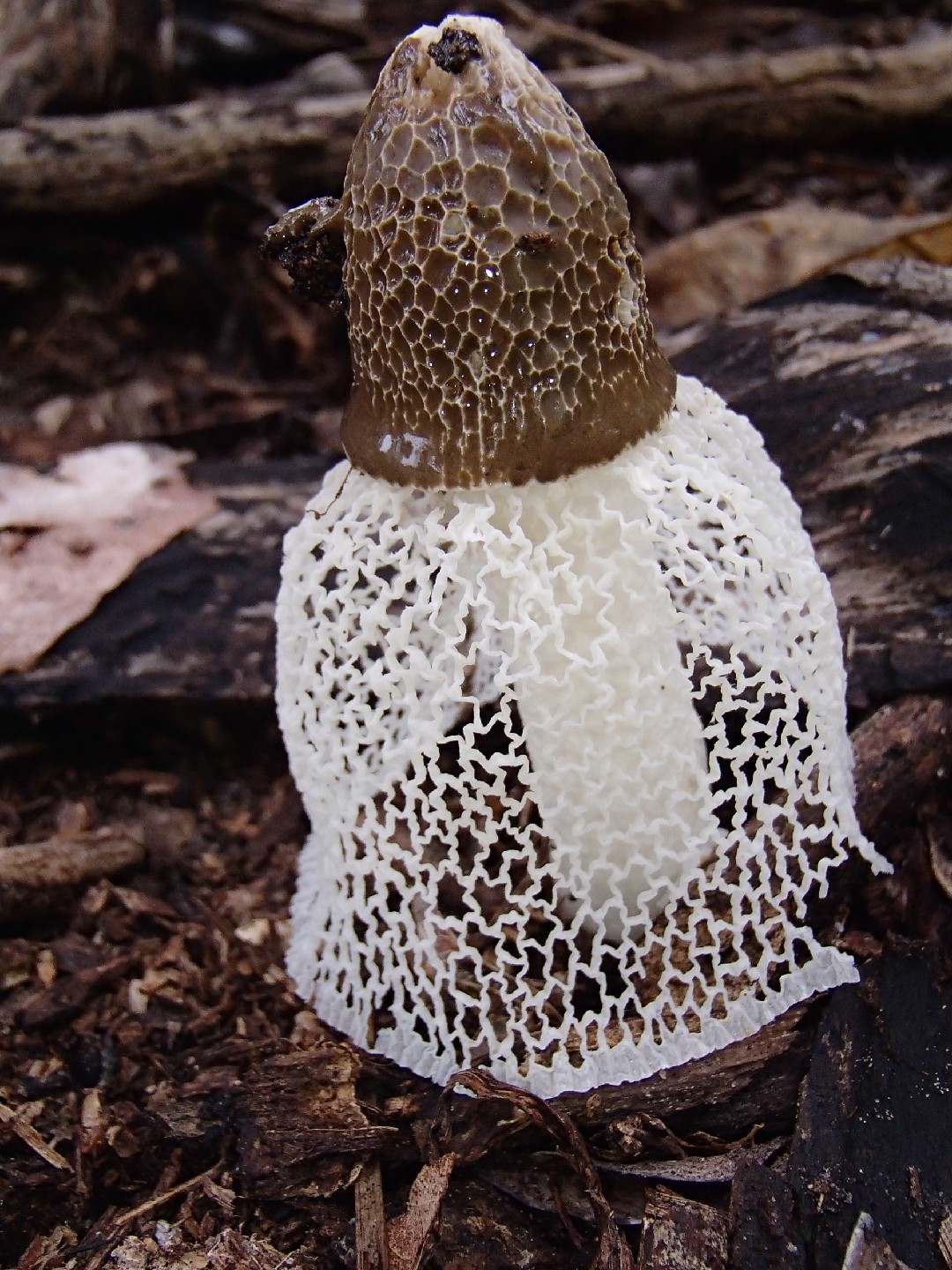
Bridal veil stinkhorn (Phallus indusiatus) can be found rising up from the ground in tropical forests around the world. A distinctive netted fringe “skirt” descends from the cap along the length of the stalk. A type of “stinkhorn,” the fruitbodies of this species produce scents that vary between sickly-sweet to just plain unpleasant. The odor is meant to attract insects that usually lay their eggs in carrion.
2. Pink oyster mushroom
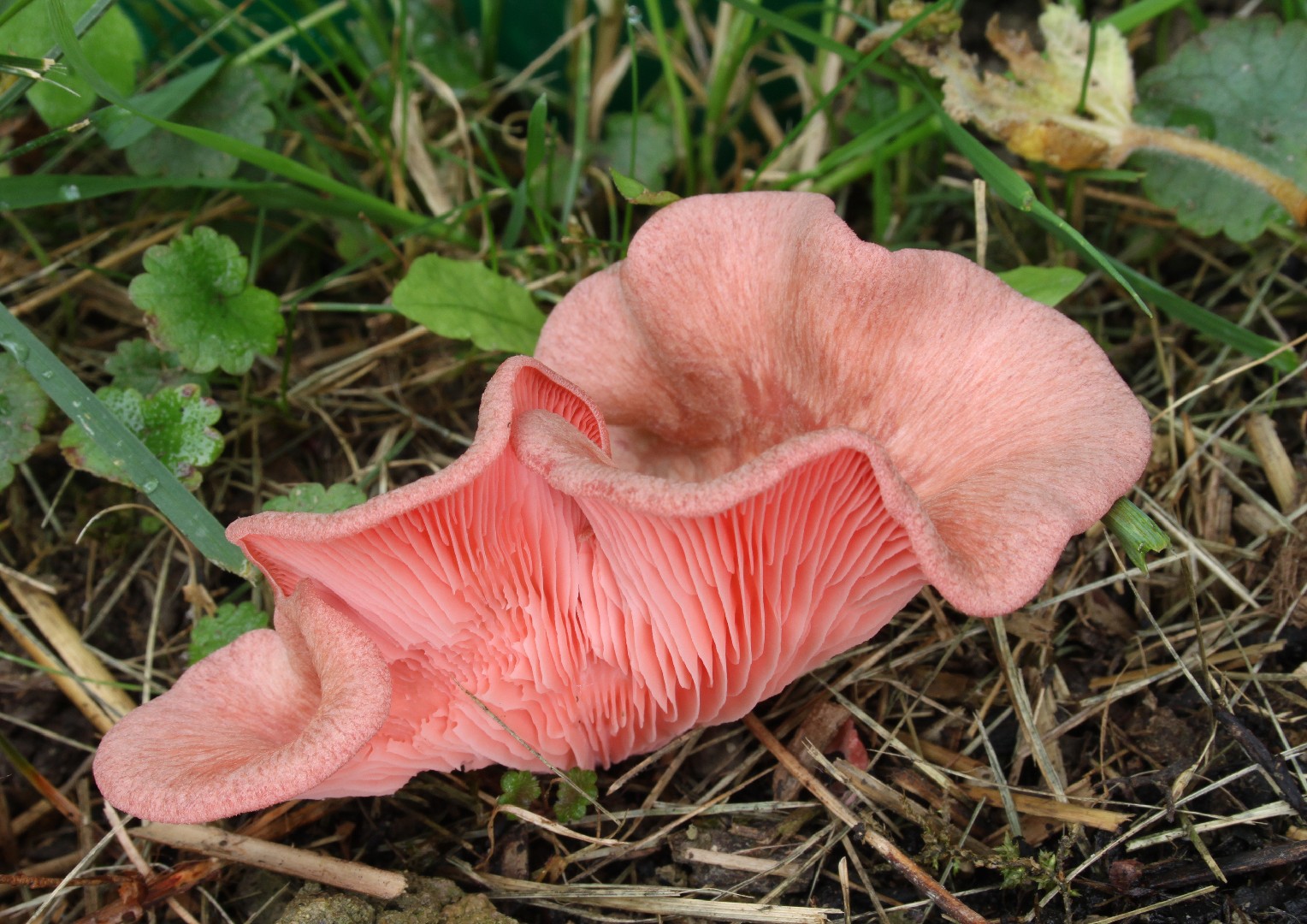
Pink oyster mushroom is a striking mushroom that grows in the shape of an oyster shell. It has a brilliant pink color that fades as the mushroom ages. Pink oyster mushroom is primarily found in warmer climates growing on tropical hardwood trees.
3. Lung oyster
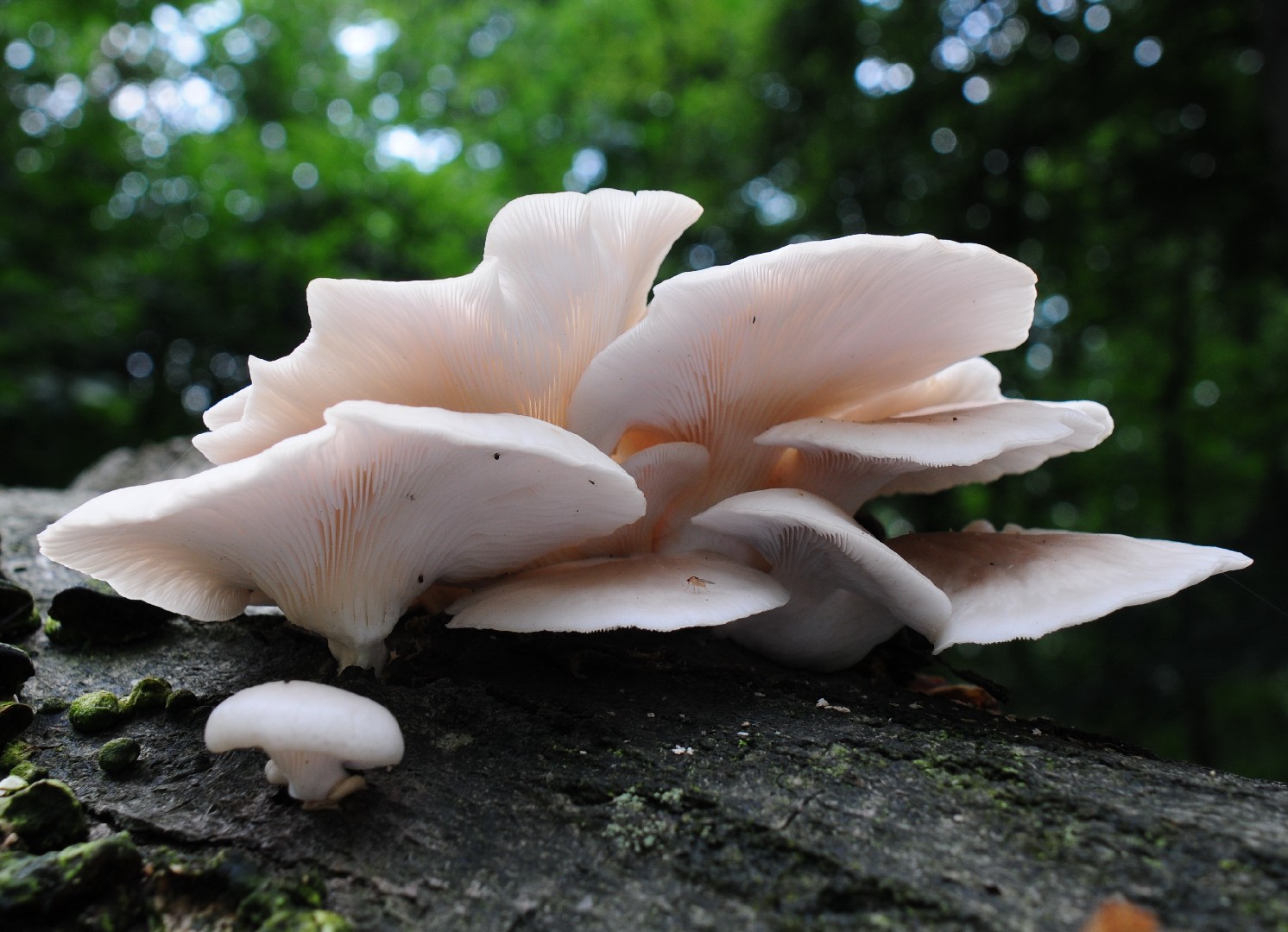
Developing all around the northern hemisphere, lung oyster mushrooms grow in overlapping shelf-like clusters on deciduous branches, trunks, and fallen logs in the wild. They are easy to cultivate on other substrates, like spent coffee grounds and sawdust, for commercial production. They are generally considered safe to eat, although some people may develop allergies.
4. Oyster mushroom
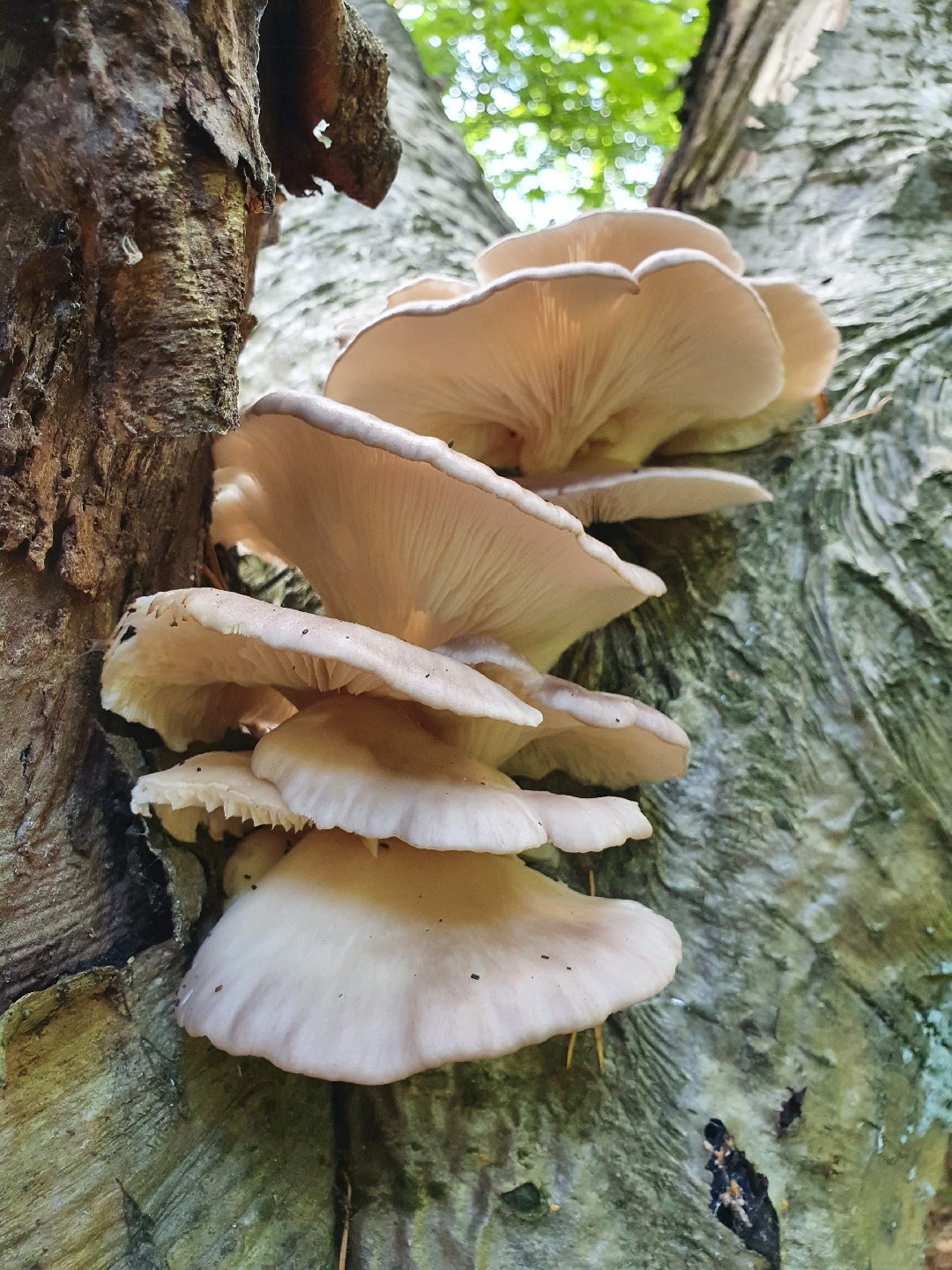
Oyster mushrooms grow wild but are also cultivated for sale in supermarkets. They can even be cultivated at home. They will grow on coffee grounds and spent grain, and are occasionally even fashioned into an environmentally-friendly substitute for styrofoam. There are several toxic look-alike species, so it is best to buy these mushrooms at the store.
5. Bridal veil stinkhorn
Bridal veil stinkhorn (Phallus indusiatus) can be found rising up from the ground in tropical forests around the world. A distinctive netted fringe “skirt” descends from the cap along the length of the stalk. A type of “stinkhorn,” the fruitbodies of this species produce scents that vary between sickly-sweet to just plain unpleasant. The odor is meant to attract insects that usually lay their eggs in carrion.
6. Pink oyster mushroom
Pink oyster mushroom is a striking mushroom that grows in the shape of an oyster shell. It has a brilliant pink color that fades as the mushroom ages. Pink oyster mushroom is primarily found in warmer climates growing on tropical hardwood trees.
7. Lung oyster
Developing all around the northern hemisphere, lung oyster mushrooms grow in overlapping shelf-like clusters on deciduous branches, trunks, and fallen logs in the wild. They are easy to cultivate on other substrates, like spent coffee grounds and sawdust, for commercial production. They are generally considered safe to eat, although some people may develop allergies.
8. Oyster mushroom
Oyster mushrooms grow wild but are also cultivated for sale in supermarkets. They can even be cultivated at home. They will grow on coffee grounds and spent grain, and are occasionally even fashioned into an environmentally-friendly substitute for styrofoam. There are several toxic look-alike species, so it is best to buy these mushrooms at the store.







