




Top 14 Edible Mushrooms Popular in Yellowknife
In the rugged, diverse terrain of the Yellowknife, mushroom enthusiasts find a treasure trove teeming with gastronomic delights. Amongst the dense forests and mossy river valleys, 14 species of edible fungi flourish offering culinary attributes that are as varied as their habitats. This guide will highlight their distinct appearances, unique tastes, and ideal cooking techniques, fostering an appreciation for these delectable fungi and their vital role within Yellowknife's rich ecosystem.
* Disclaimer: Content feedback CAN NOT be used as any basis for EATING ANY PLANTS. Some plants can be VERY POISONOUS, please purchase edible plants through regular channels.

Most Popular Edible Mushrooms
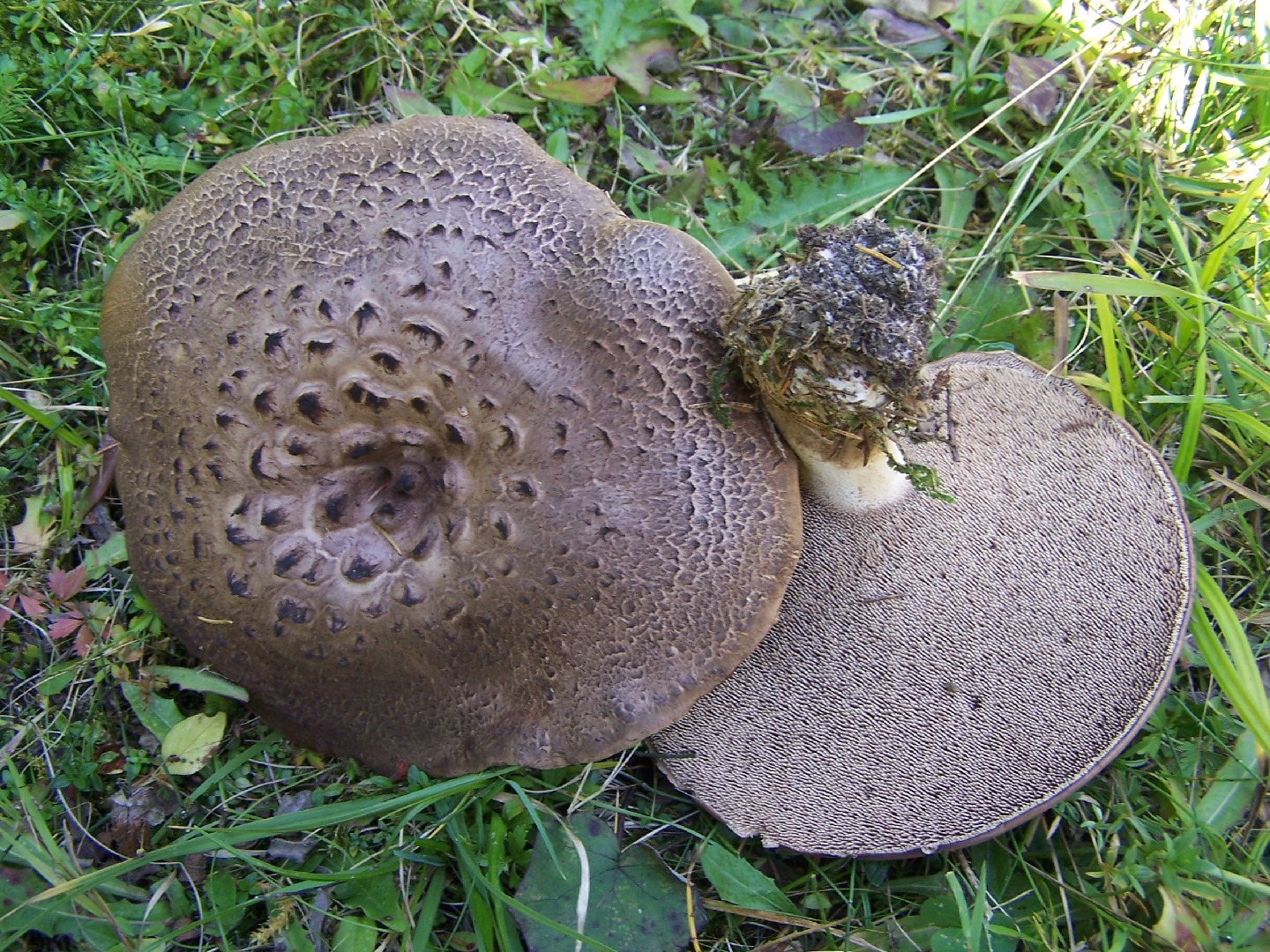
1. Shingled hedgehog
Shingled hedgehog(Sarcodon imbricatus) is often found in the company of fir trees, and it is therefore partial to mountainous or hilly regions. Endemic to Europe and North America, the species is prone to forming fairy rings. It fruits in early autumn.

2. Shaggy mane
The shaggy mane mushroom is commonly found in North American and European grasslands. Some peoples foraged for its young egg-shaped caps, but it has more recently been found to be a bioaccumulator of heavy metals, meaning it pulls toxic metals up from the soil where it grows. As a result, shaggy manes should not be eaten. The mushrooms usually appear in clusters or “fairy rings.”
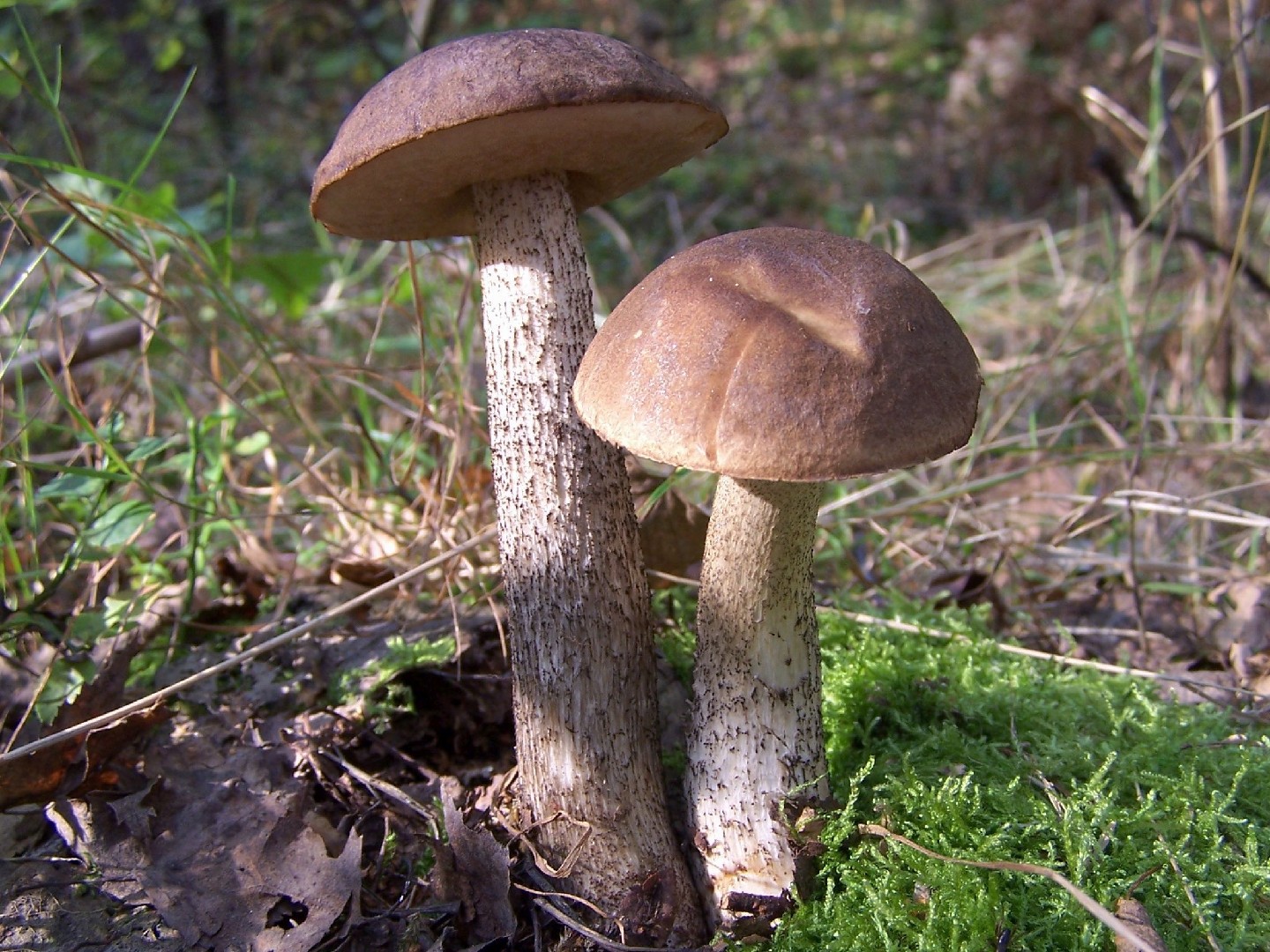
3. Brown birch-bolete
The brown birch-bolete is common around the northern hemisphere. It grows beneath birch trees and is usually easy to identify by its brown cap and scaly stem, the latter of which is referenced in its scientific name Leccinum scabrum. Occasionally, however, it can be found sporting a white cap.
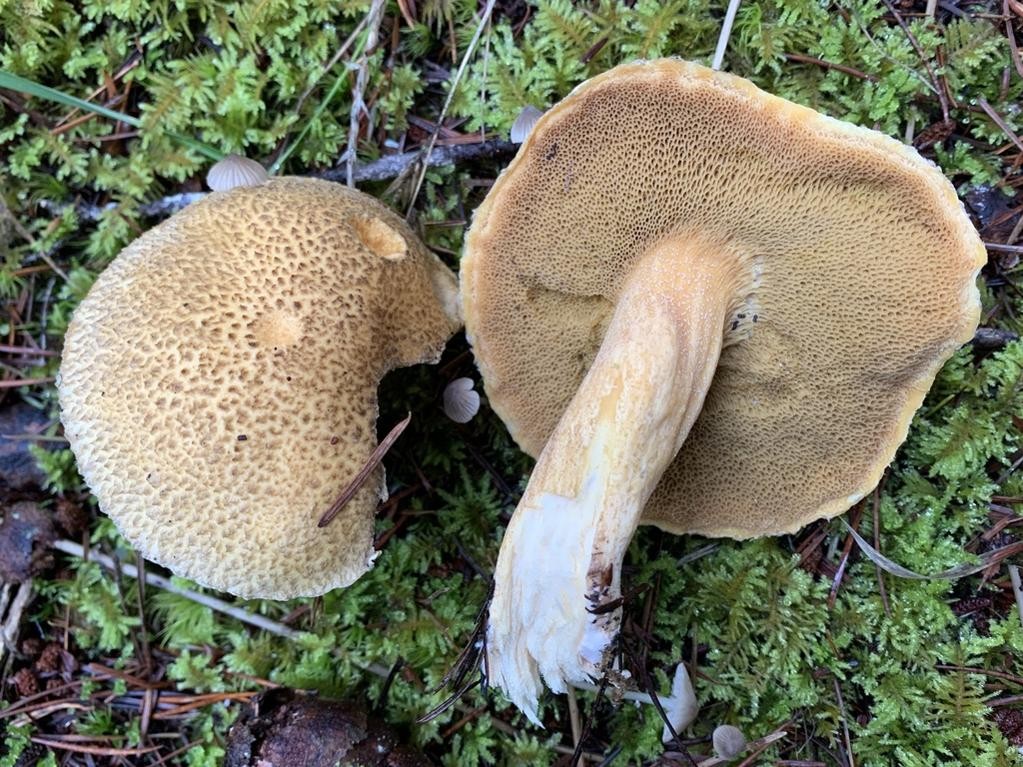
4. Blue-staining slippery jack
If you come across a blue-staining slippery jack (Suillus tomentosus) in the wilderness, chances are you're adventuring through a conifer forest after heavy rain. True to the common name, the caps can stain your hands a brownish-blue color. The surface area of the cap has a velvety texture when young.
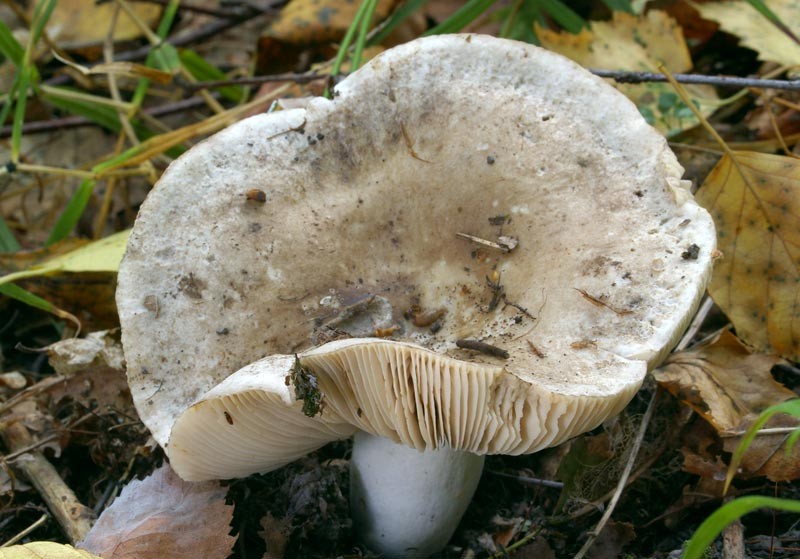
5. Winecork brittlegill
Winecork brittlegill is a widespread mushroom species that typically makes its home on acidic soils in coniferous forests. It gets the name winecork from its smell, which is similar to that of empty wine barrels or bottle corks. The specific Latin name adusta translates as burn or toast and refers to the color of the stem.
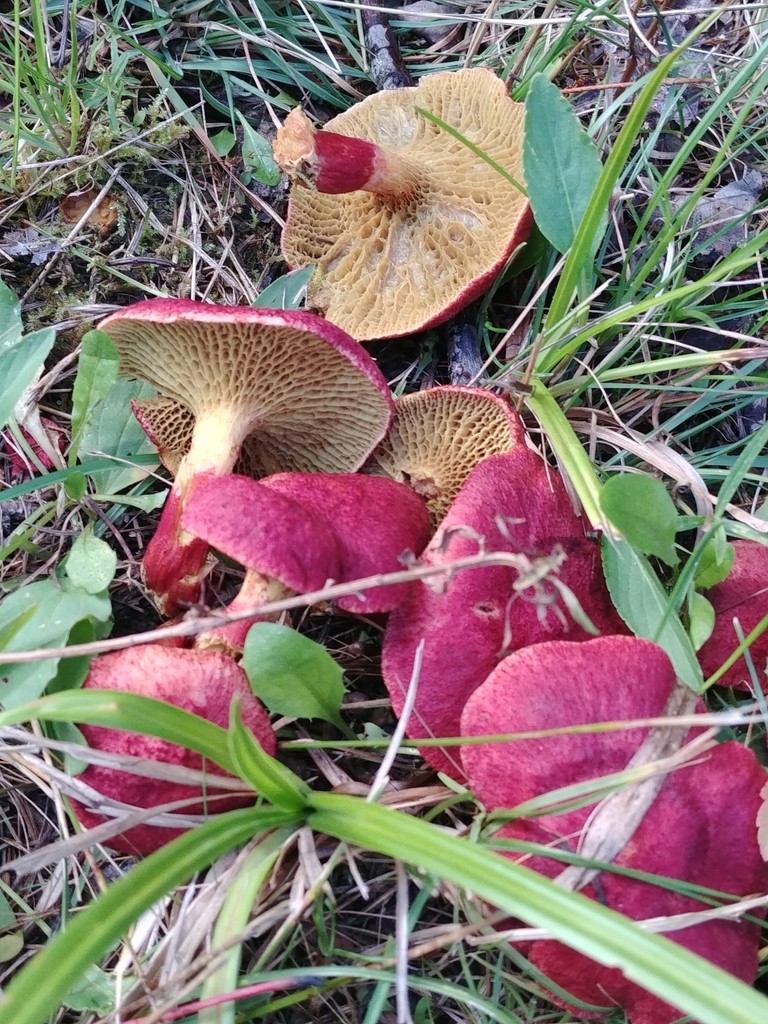
6. Marsh bolete
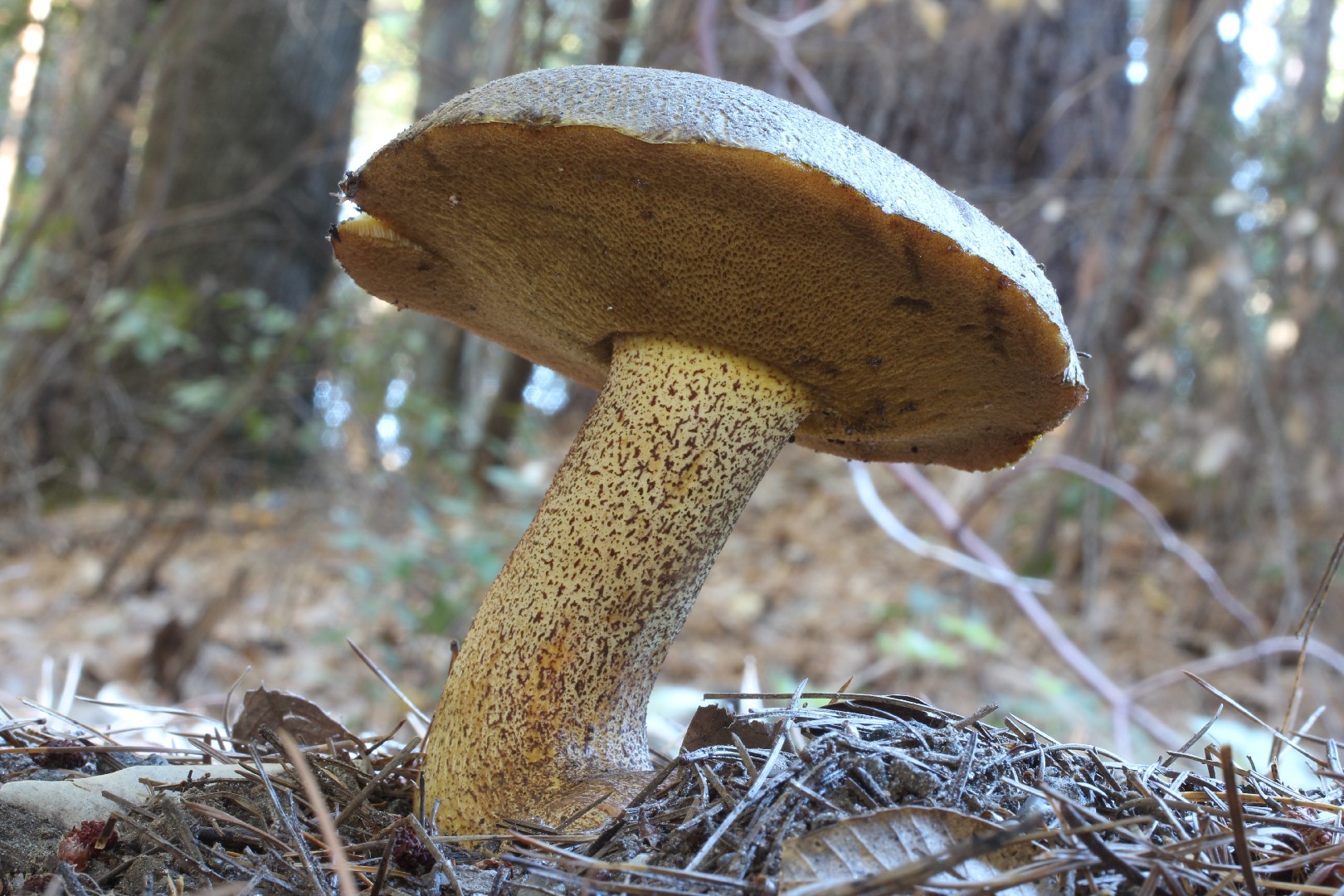
7. Poor man's slippery jack
The poor man's slippery jack is a relatively new mushroom species to be identified by scientists - it was first described in 1964. The species is exclusively associated with pine forests, particularly with 3-needle pines, unlike its close cousin Suillus tomentosus that is associated with 2-needle pines. The poor man's slippery jack doesn't bruise blue, while Suillus tomentosus does.
8. Shingled hedgehog
Shingled hedgehog(Sarcodon imbricatus) is often found in the company of fir trees, and it is therefore partial to mountainous or hilly regions. Endemic to Europe and North America, the species is prone to forming fairy rings. It fruits in early autumn.
9. Shaggy mane
The shaggy mane mushroom is commonly found in North American and European grasslands. Some peoples foraged for its young egg-shaped caps, but it has more recently been found to be a bioaccumulator of heavy metals, meaning it pulls toxic metals up from the soil where it grows. As a result, shaggy manes should not be eaten. The mushrooms usually appear in clusters or “fairy rings.”
10. Brown birch-bolete
The brown birch-bolete is common around the northern hemisphere. It grows beneath birch trees and is usually easy to identify by its brown cap and scaly stem, the latter of which is referenced in its scientific name Leccinum scabrum. Occasionally, however, it can be found sporting a white cap.
More







