




Top 7 Most Common Mushrooms in Carlsbad
Welcome to our presentation of the Top 7 most common mushrooms found in the biodiverse Carlsbad. Famous for its idyllic climate and verdant natural reserves, Carlsbad serves as a fertile paradise for mushroom enthusiasts. Discover how Carlsbad's rich flora creates an ideal environment for a vast array of fascinating mushrooms. With this comprehensive guide, we invite you to explore the captivating world of fungi flourishing in Carlsbad.

Most Common Mushrooms
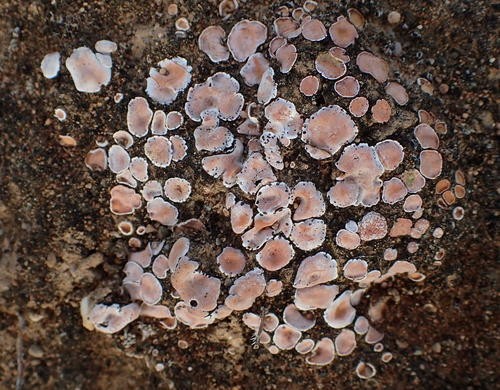
1. Brick scale
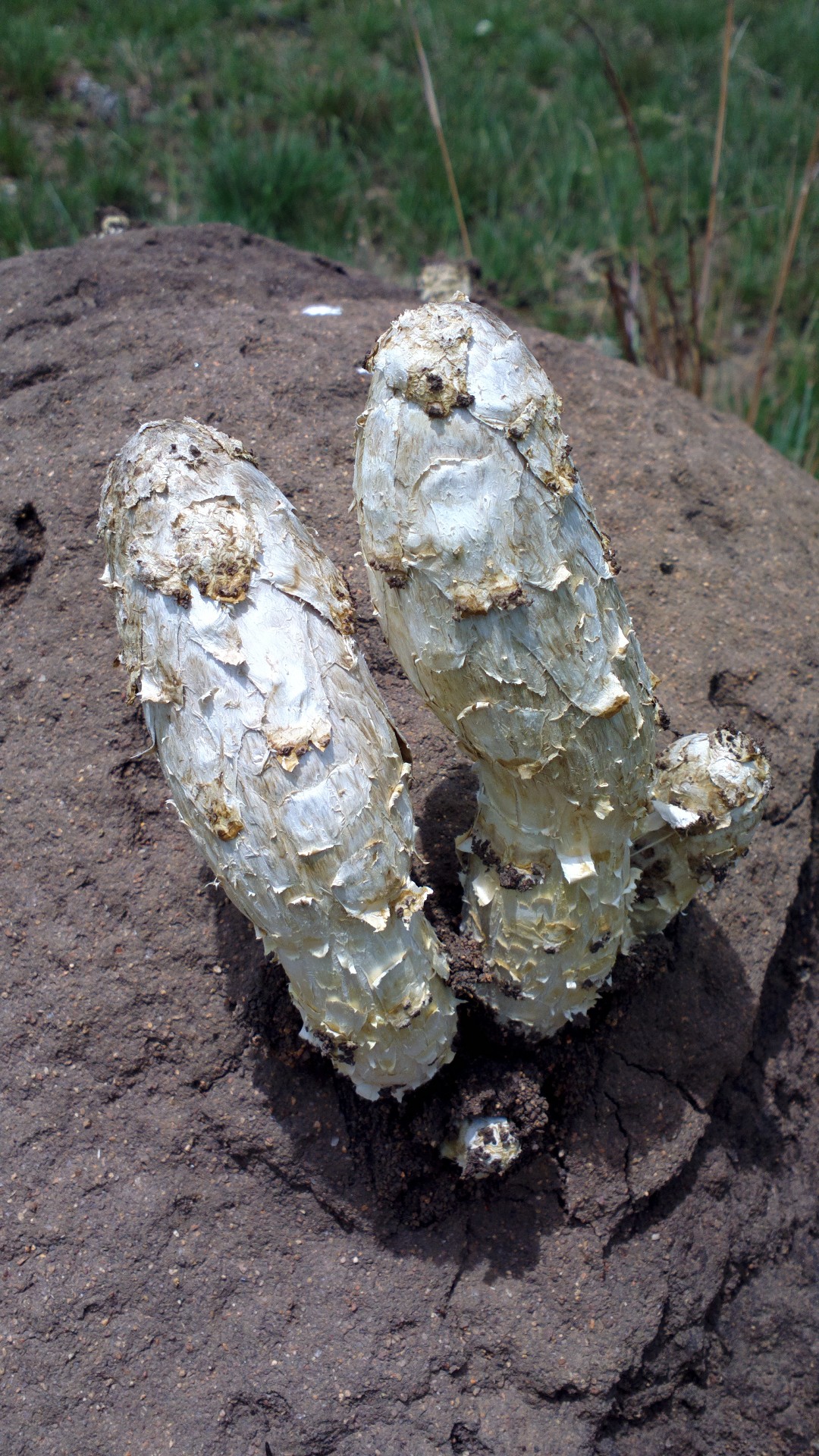
2. Desert shaggy mane
As its name suggests, the desert shaggy mane (Podaxis pistillaris) erupts from seemingly improbably conditions, out of the hot and arid ground in North American deserts. They are commonly found living harmoniously with colonies of termites in termite mounds. The desert shaggy mane is toxic and not safe to consume.
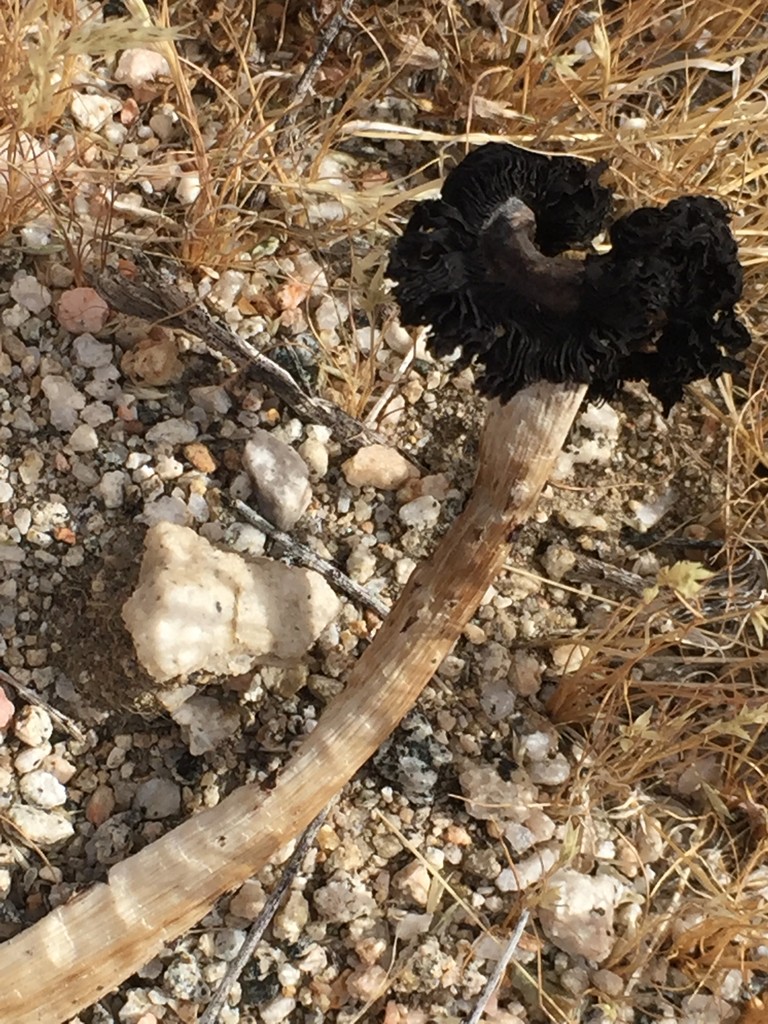
3. Montagnea arenaria
The cap of montagnea arenaria (Montagnea arenaria) has tough skin that acts as a shield to protect its dark spores until they are mature. Although the cap is rigid, it is commonly found looking tattered and weather-worn, almost fringe-like. Unlike many other mushrooms, they thrive in arid areas and are seen in deserts and other places with very little rainfall.
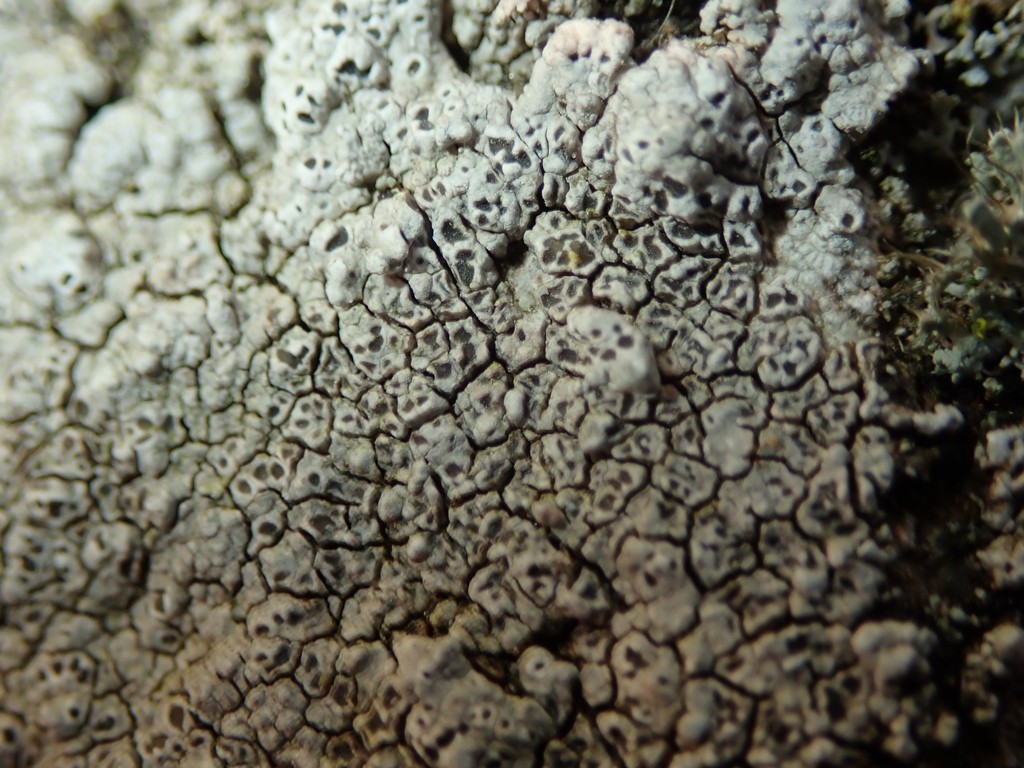
4. Rimmed lichen
5. Spring polypore
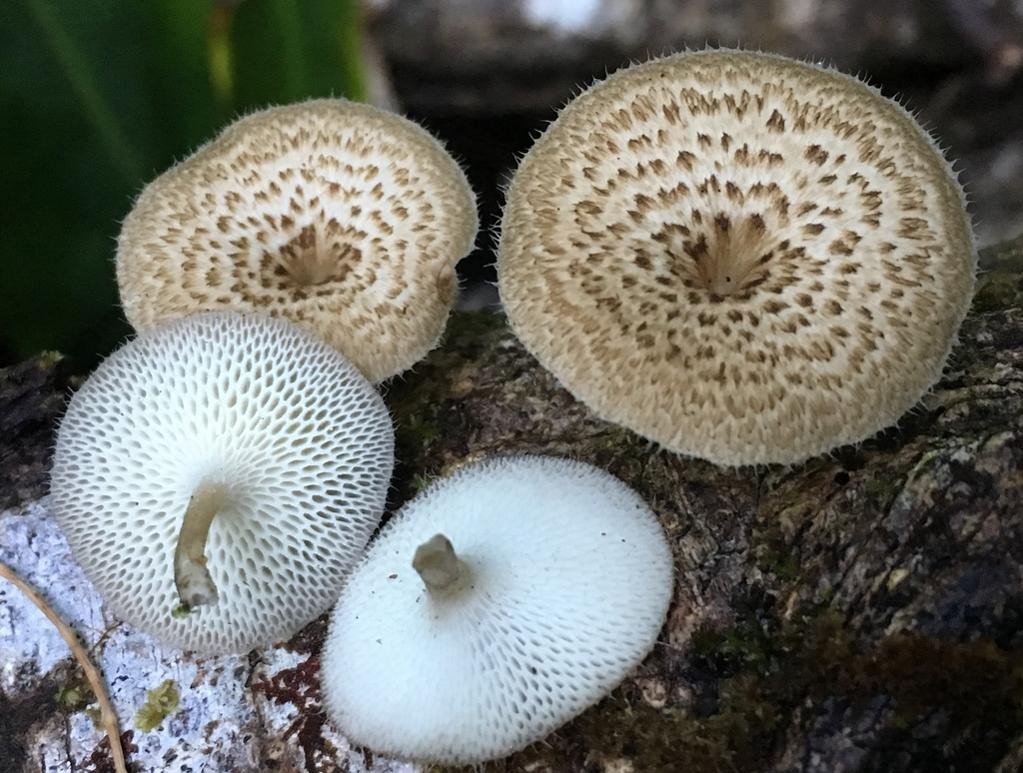
Morel mushroom hunters may be most familiar with spring polypore since it is one of the earliest mushrooms to appear in the spring, as hinted by its name. Lentinus mushrooms typically have gills, but when investigated, this mushroom reveals surprising honeycomb-shaped pores.
6. Sandy stiltball
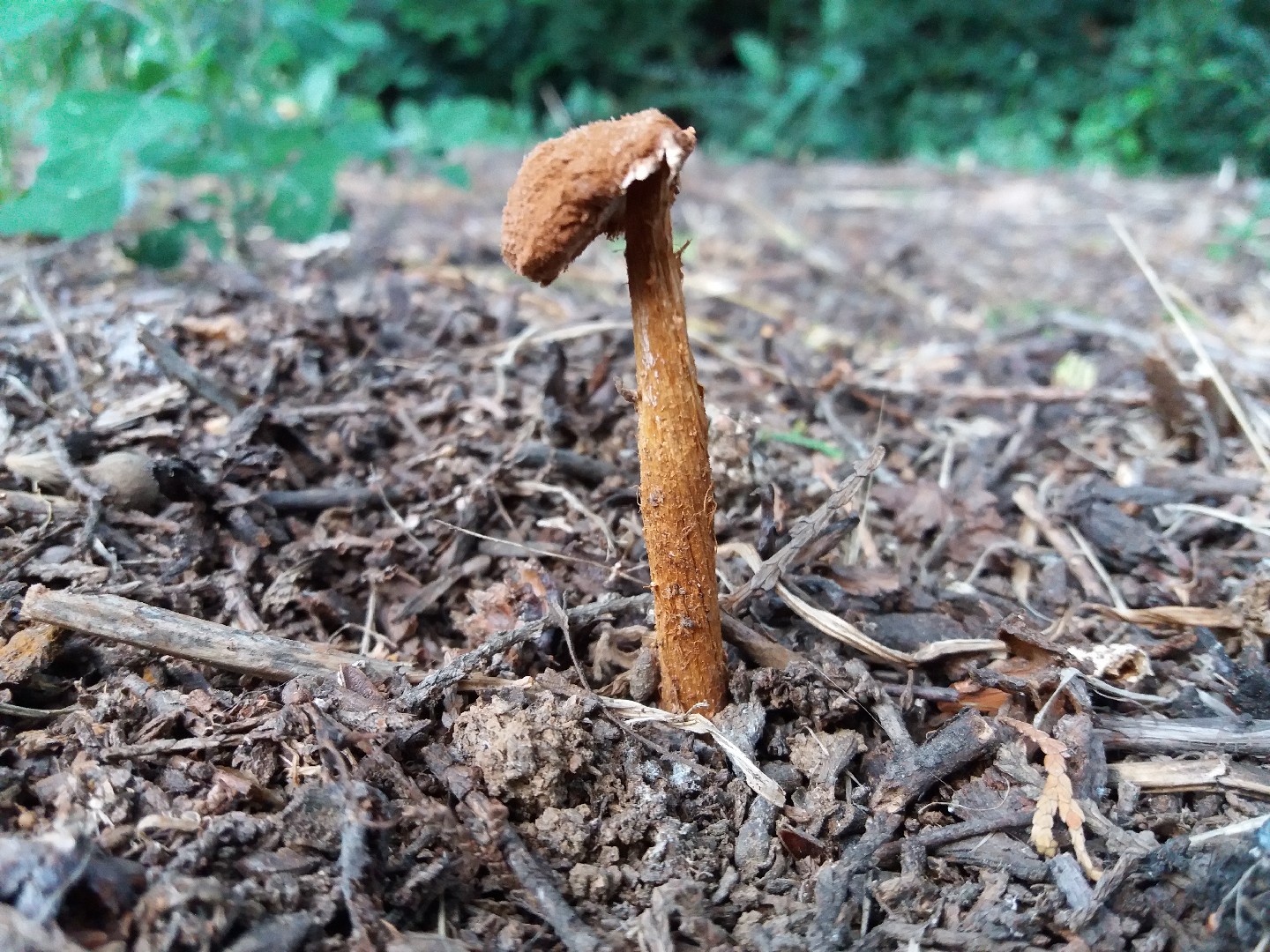
Sandy stiltball(Battarrea phalloides) is an unusually tall species of puffball, a family of mushrooms that do not usually have noticeable stalks. Due to declining numbers in the wild, is illegal to pick in certain countries (including Hungary and the United Kingdom). Its edibility remains unstudied, and consumption is not advised.
7. Gold-eye lichen
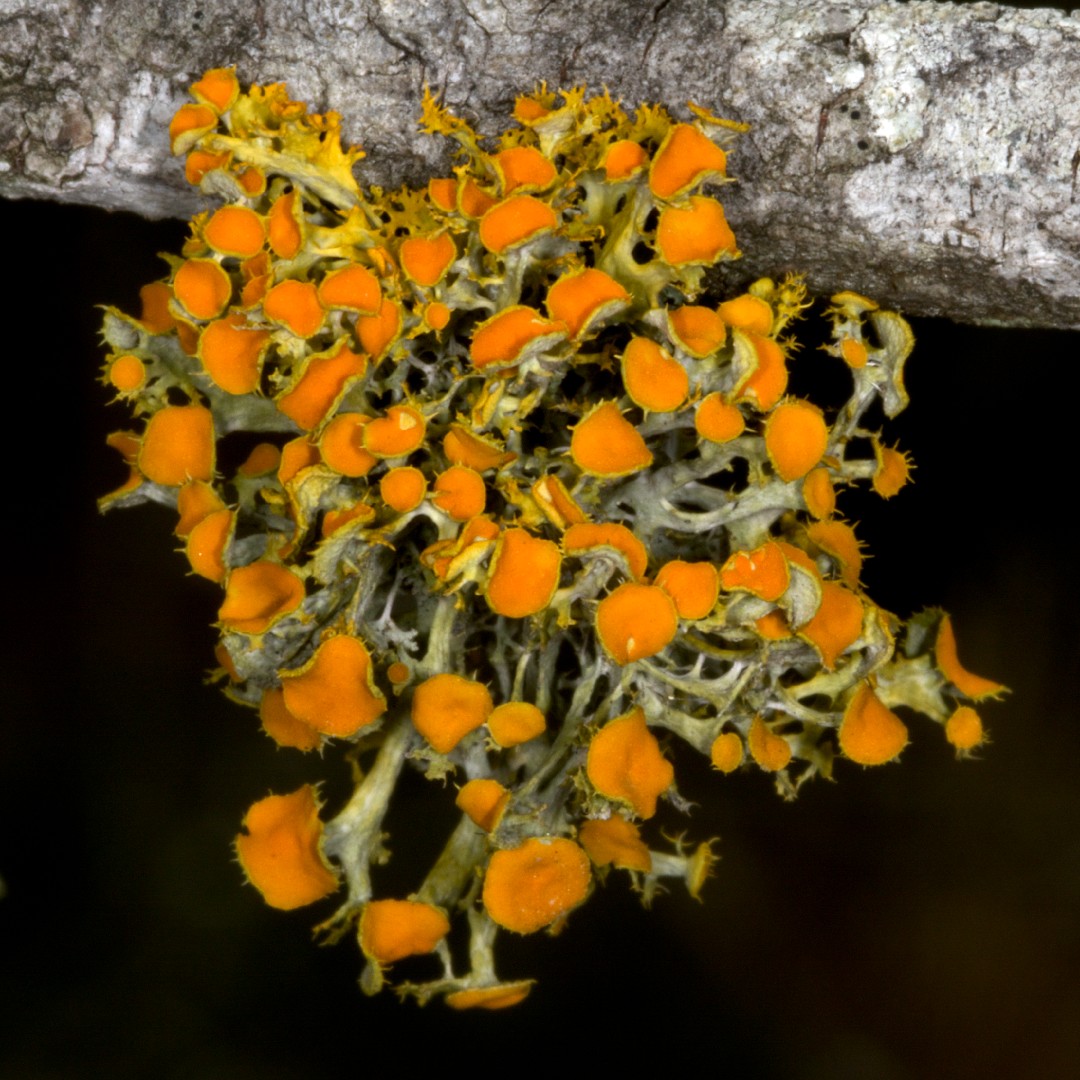
The almost indistinguishable species is a gray-yellow or light to orange-orange, bush-shaped camp with marginal fibrils. However, adhesive fibers are missing. The length of the slightly flattened sections is about 1.5 cm. The frequently formed fruiting bodies (apothecaries) have an orange disc with characteristic eyelashes on the edge and a diameter of 2 to 7 mm. The Photobiont is a member of the green algae genus Trebouxia.







