




Top 20 Most Common Mushrooms in Alcora
Discover the mycological marvels nestled in the verdant nooks and undisturbed corners of Alcora. The city, hailed for its immaculate balance of urban and natural landscapes, provides a fertile habitat sustaining an impressive range of mushroom species. With a wealth of mushroom species, this piece unravels 20 of the most common mushrooms identified in Alcora, boasting unrivaled diversity in taste, texture, and appearance.

Most Common Mushrooms
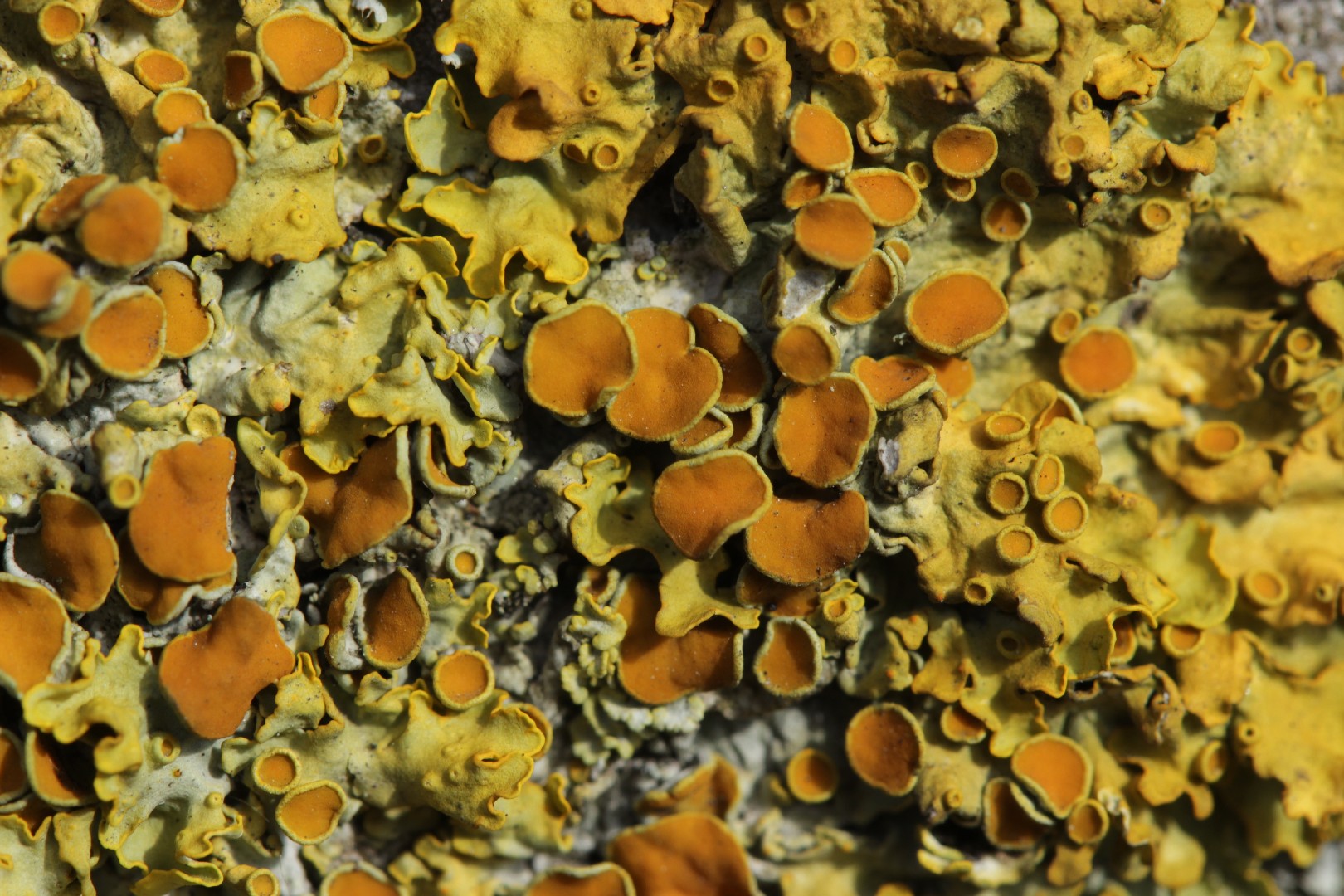
1. Common orange lichen
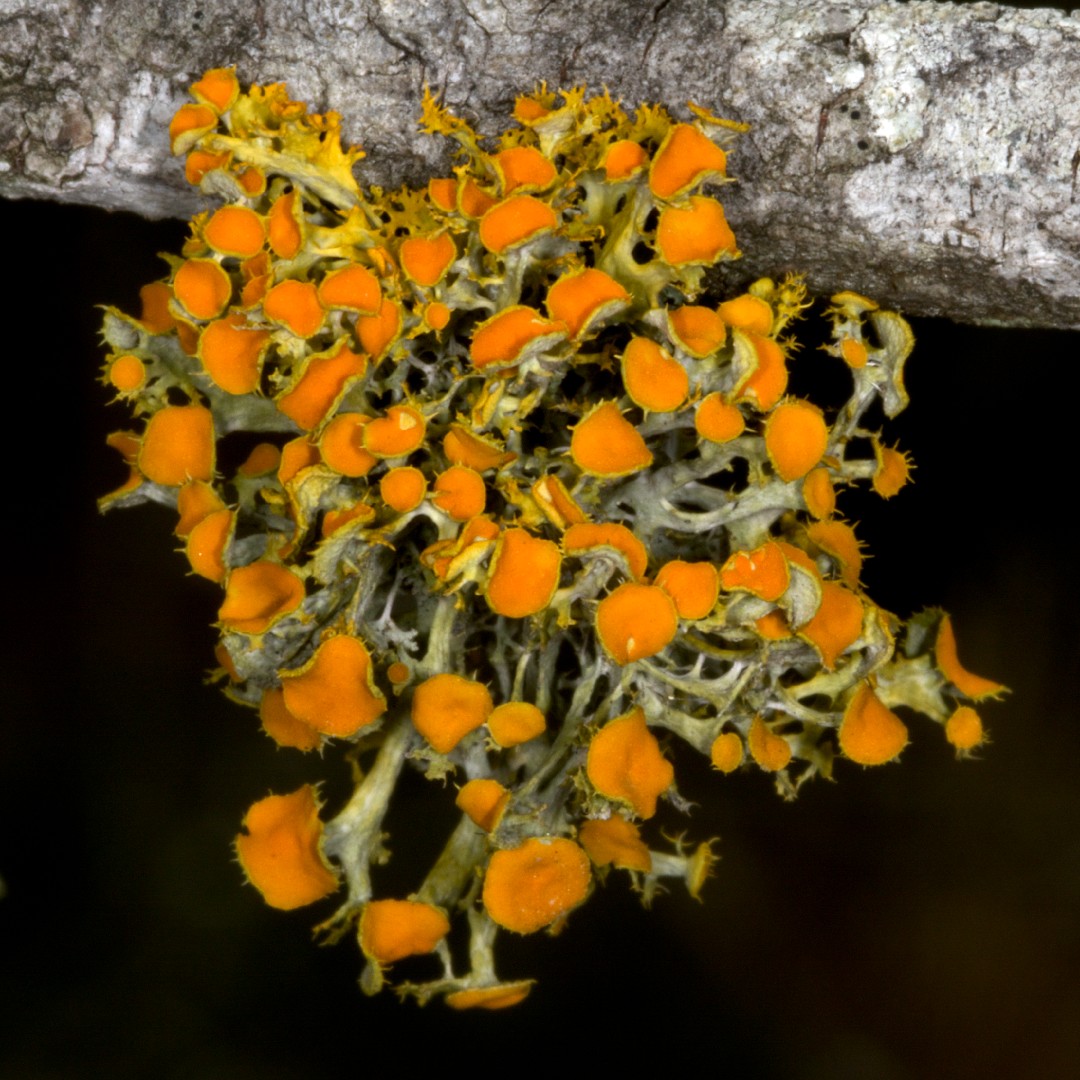
Common orange lichen was selected in 2006 by the United States Department of Energy as a model for genomic sequencing. Its widespread dispersal and bright yellow-orange color give the lichen its common name. It is primarily found growing on rocks, walls, and tree bark.
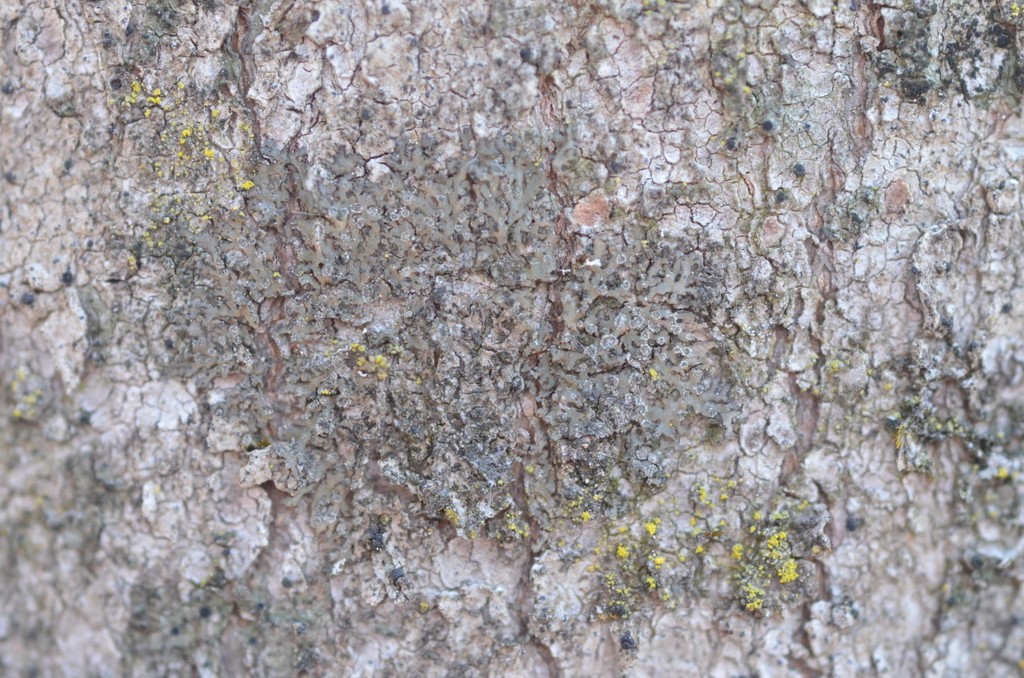
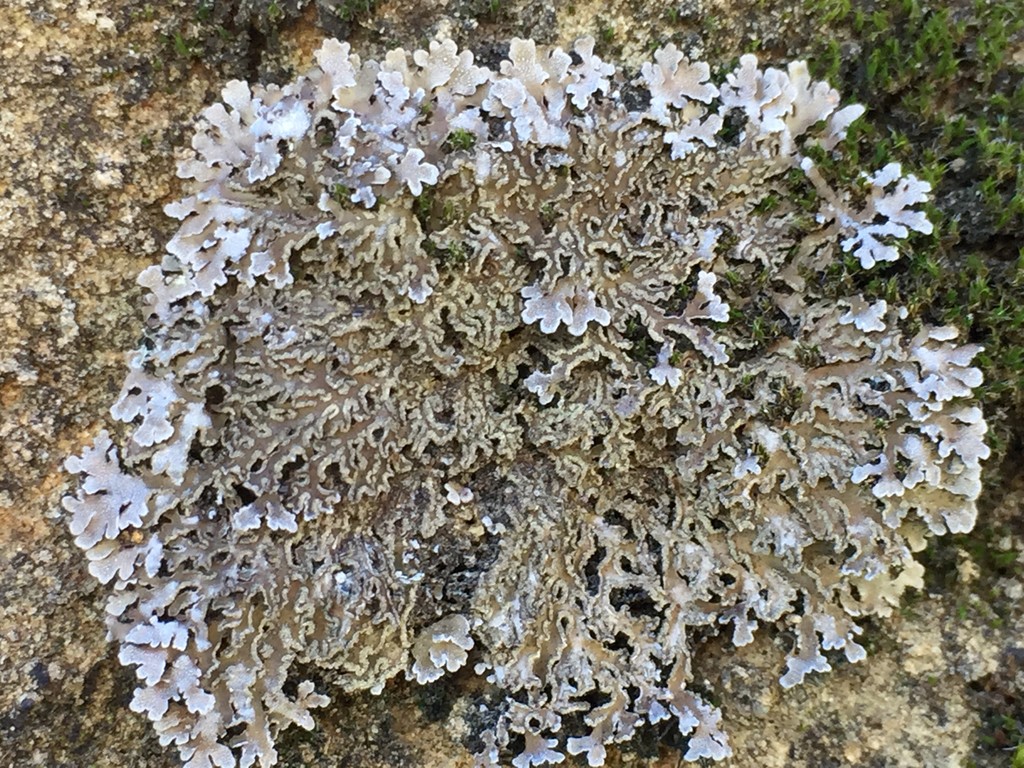
2. Grainy shadow-crust lichen
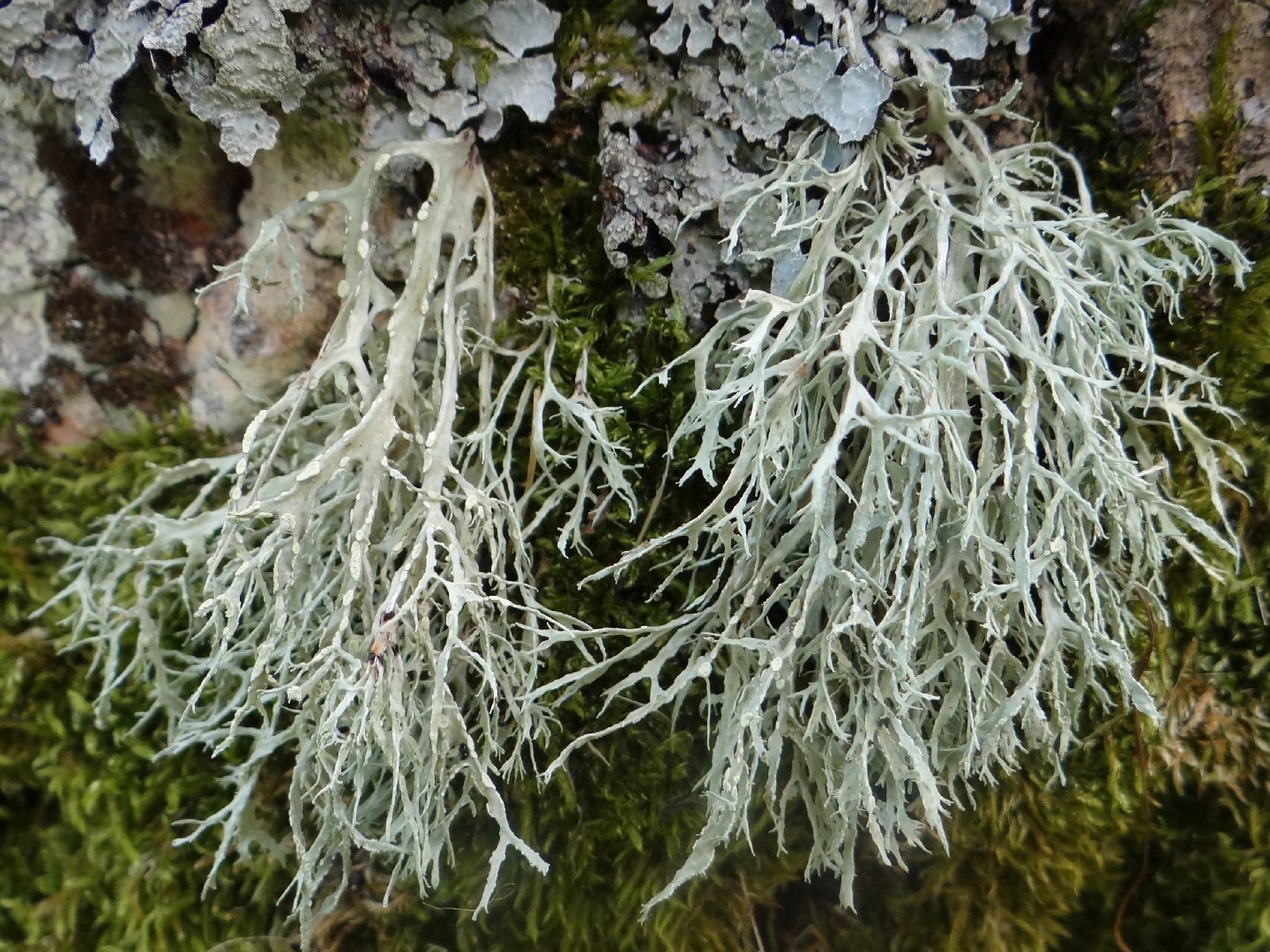
3. Farinose cartilage lichen
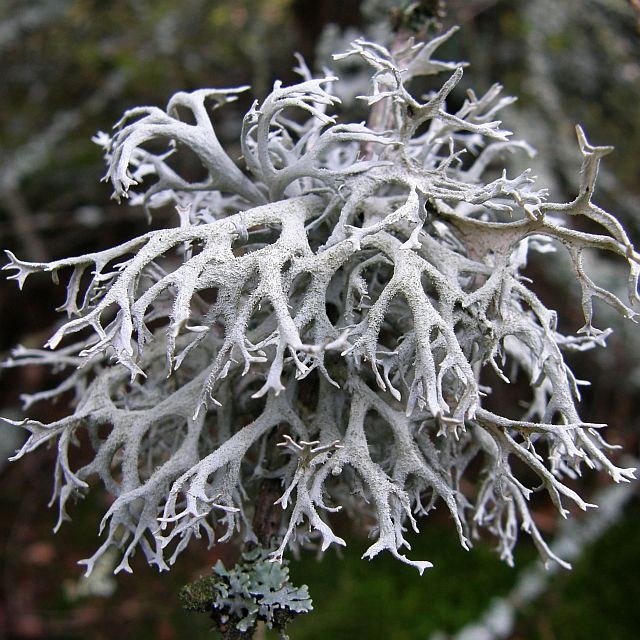
Farinose cartilage lichen has a bushy appearance and is easy to identify by its long, slender branches. The reproductive structures are often scattered on the fungi. The lichen thrives in warm moist, mixed forests, forming on second-growth trees and shrubs.
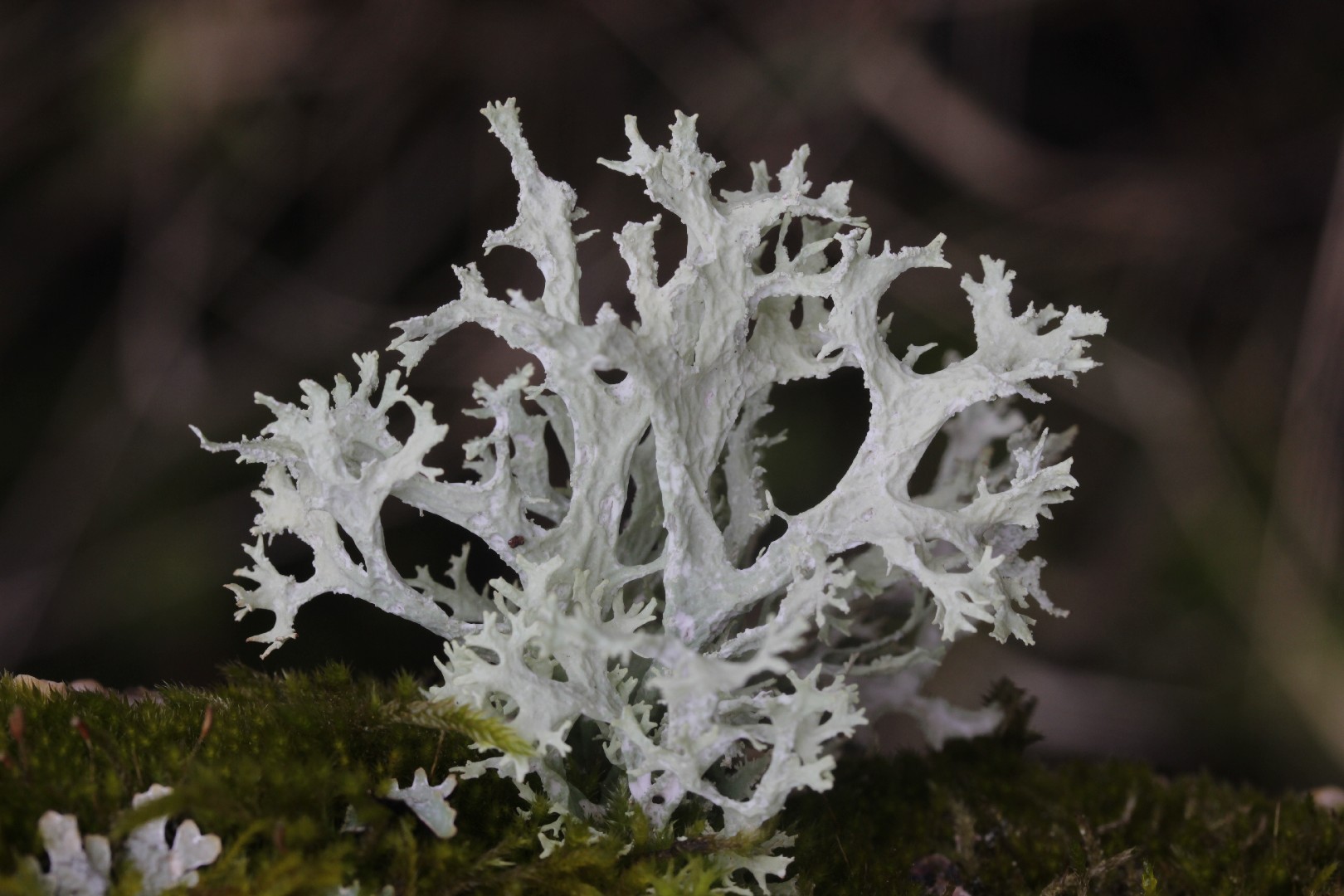
4. Oakmoss
Evernia prunastri grows shrubby on trees. The yellow-green lichen grows up to 10 cm. It consists of up to five millimeters wide shrubby branched bands with a light underside. At the edges of these open dusty (Sorale). Apothecias (with shiny brown disc) are rarely formed.
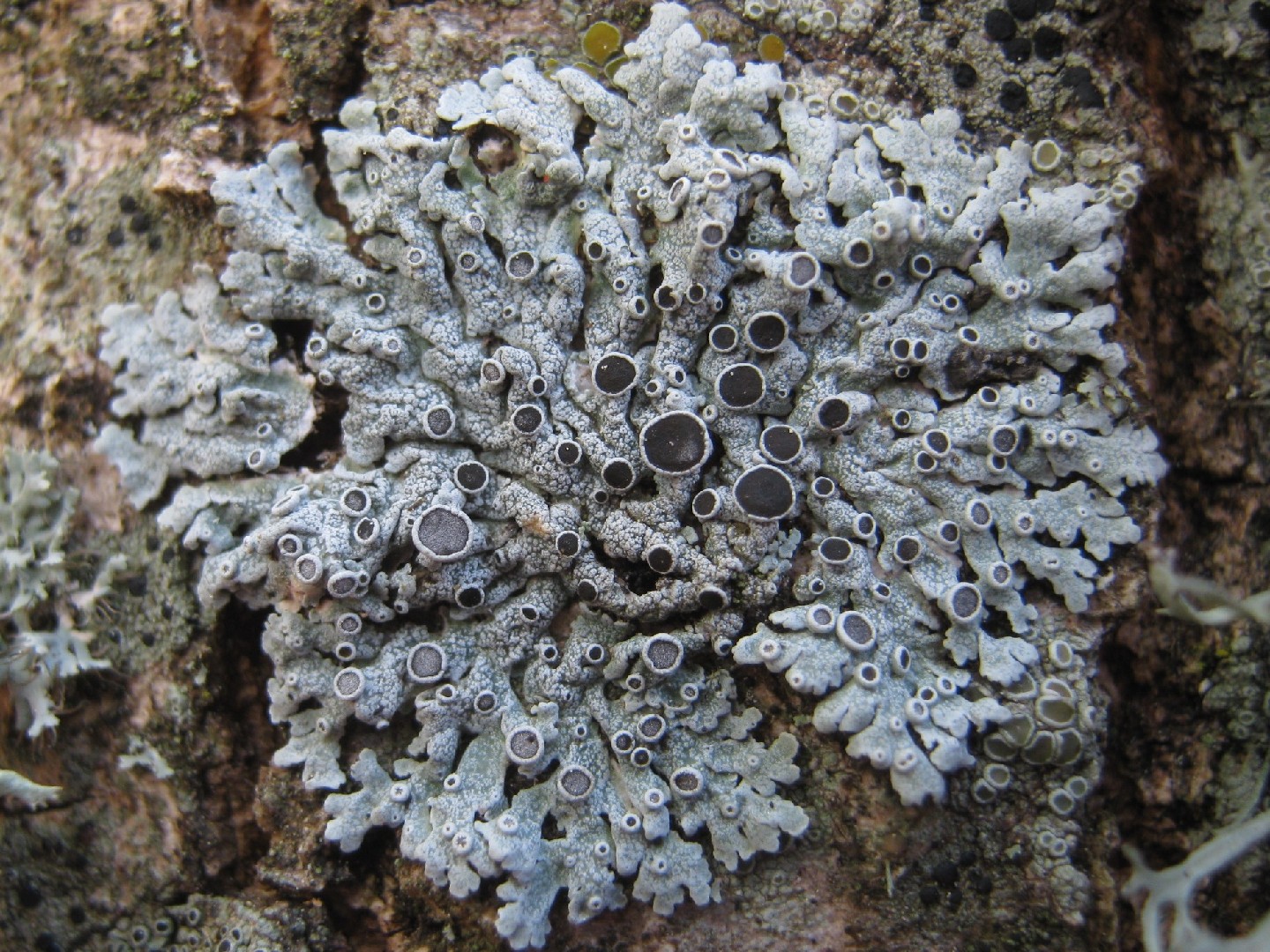
5. Hoary rosette lichen
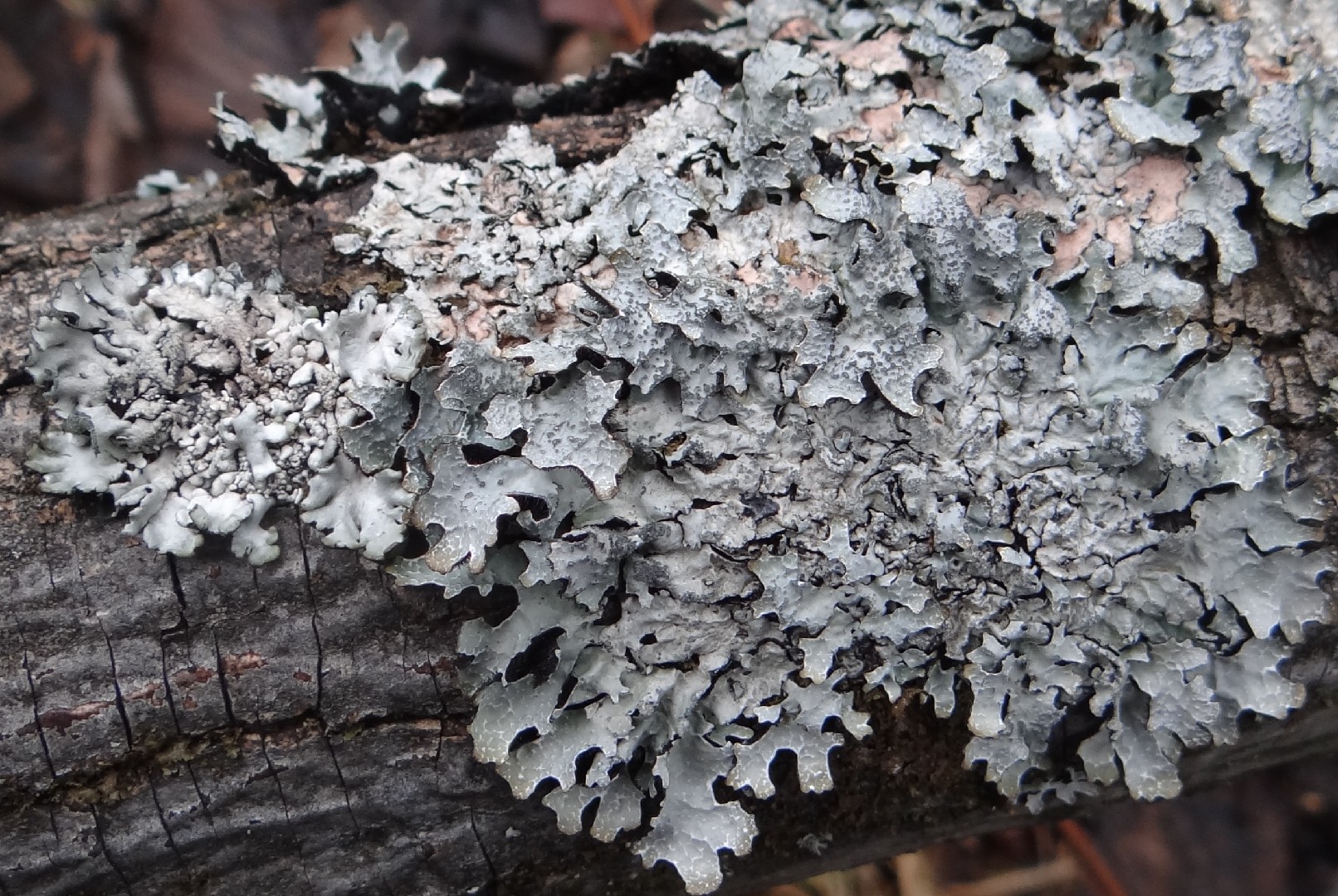
The rosette bearing of Physcia aipolia is whitish to white-gray and reaches a maximum diameter of 6 cm. In contrast to the very similar Physcia stellaris, the camp is dotted white (especially when wet) and the marrow turns yellow with potassium hydroxide. The dark brown to black, mostly frosted Apothecia with thallusfarbenem edge occur frequently.
6. Cladonia foliacea
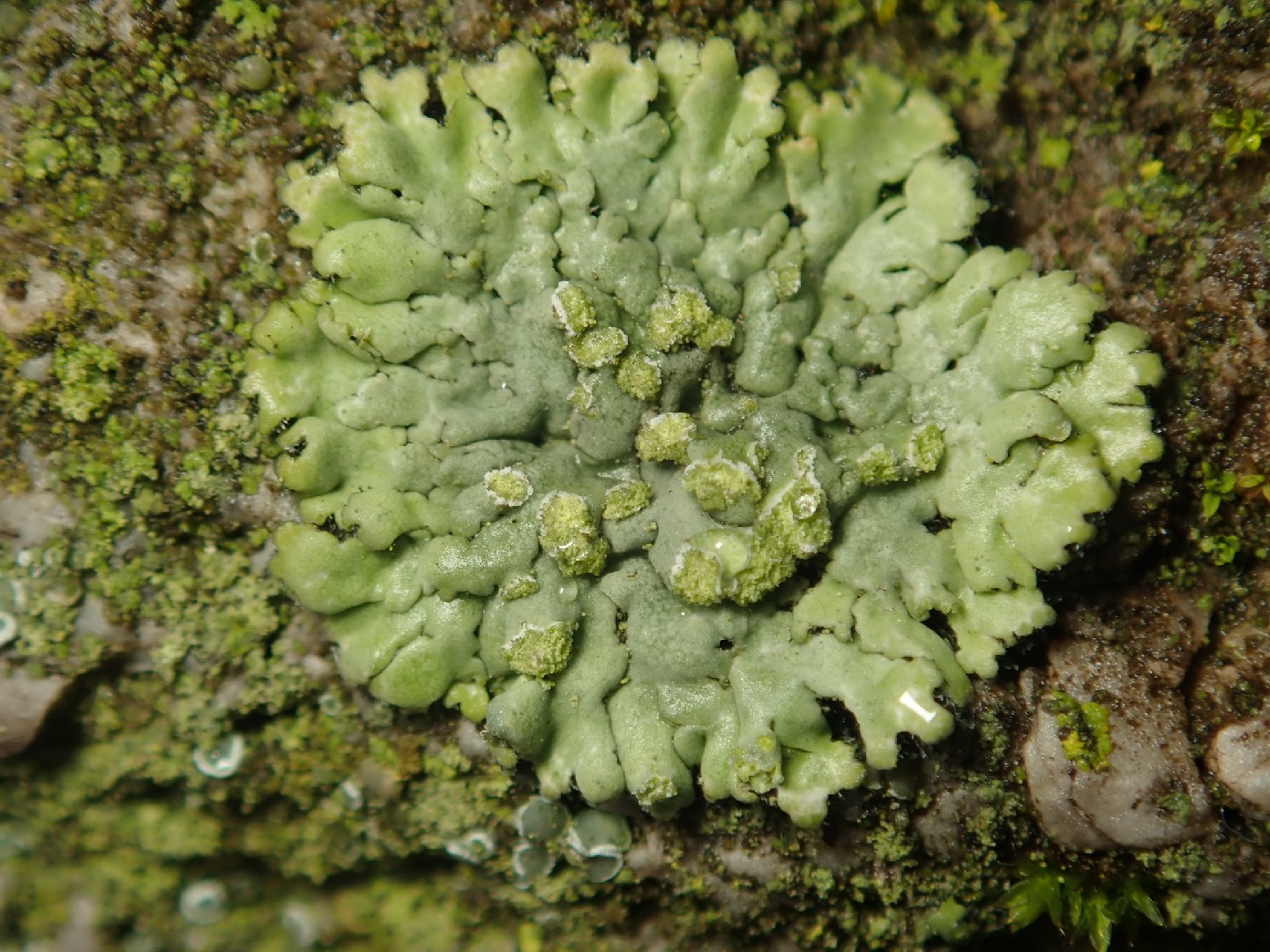
7. Flavoparmelia soredians
8. Hidden goldspeck lichen
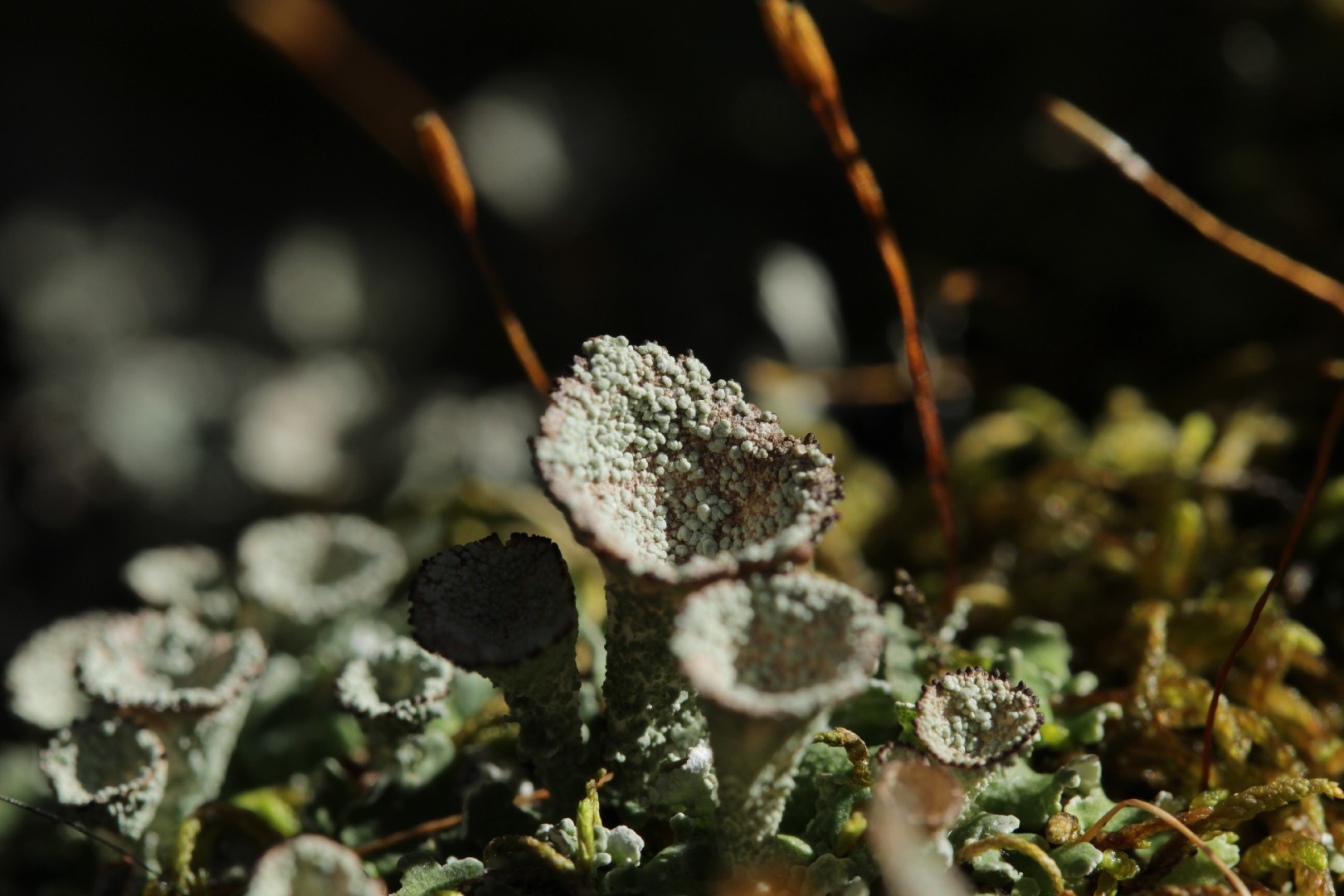
9. Pebbled pixie lichen
The species inhabits soil, humus, rotten wood, but also rocks and dry rocks. It is a common and common lichen throughout Europe. In general, the true cup lichen is one of the most common species of the genus Cladonia.
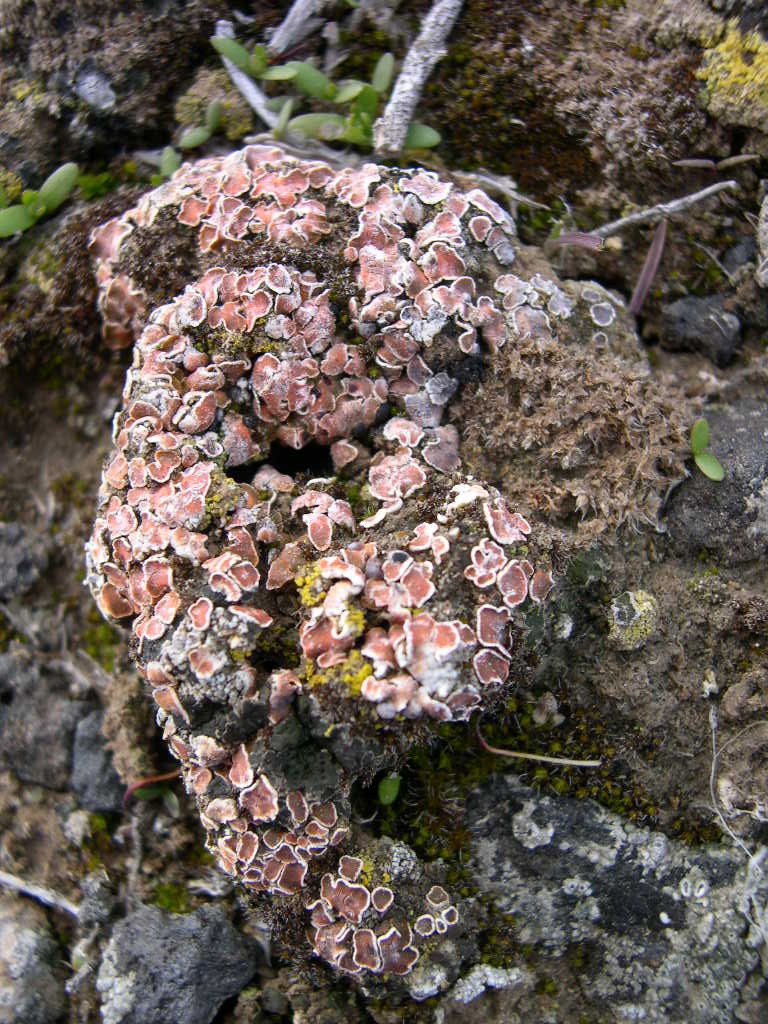
10. Fishscale lichens
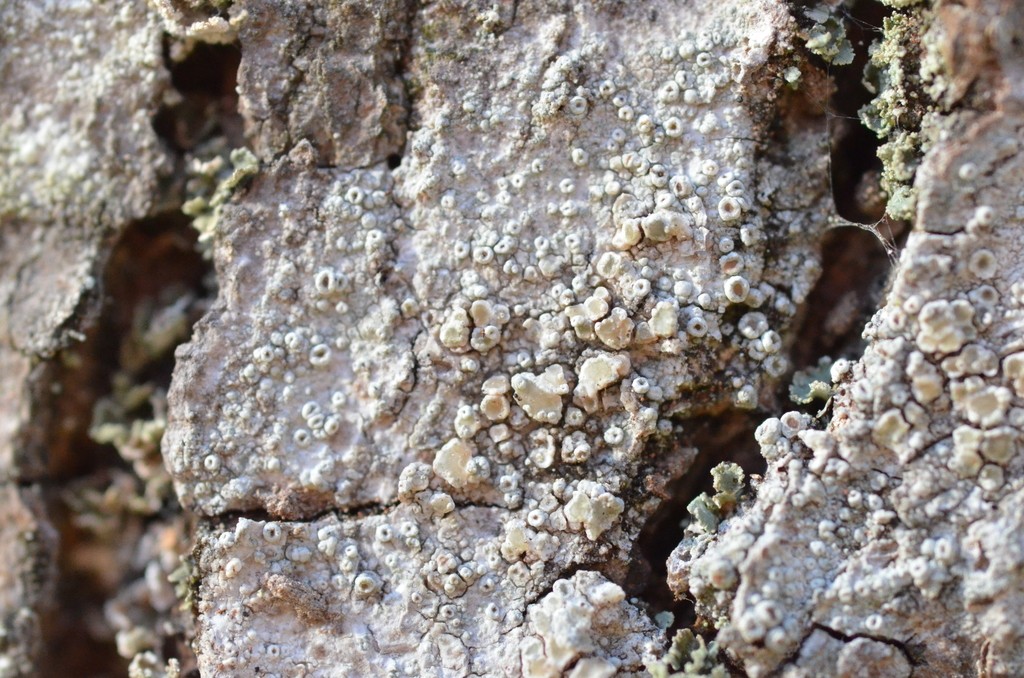
The Thallus of Psora decipiens consists of up to 4 mm wide, brownish, brownish red or pinkish scales with whitish edges. These overlap only rarely, are roundish to be booked or slightly notched and whitish below. Apothecaries are rather rare, marginal, black and untouched.

More







