




Top 20 Most Common Mushrooms in Teruel
Widely recognized for its stunning landscapes and temperate climate, the enchanting city of Teruel provides an excellent habitat for a bounty of mushrooms. Its lush terrain and ample rainfall contribute to the richness of 20 most common mushroom species, presenting an array of gustatory delights for both locals and tourists. With its fertile soil and wide biodiversity, Teruel beckons to both novice mycologists and seasoned mushroom pickers. Each of these varied species offers a glimpse into the remarkable diversity of fungi that thrive within this fantastic region.

Most Common Mushrooms
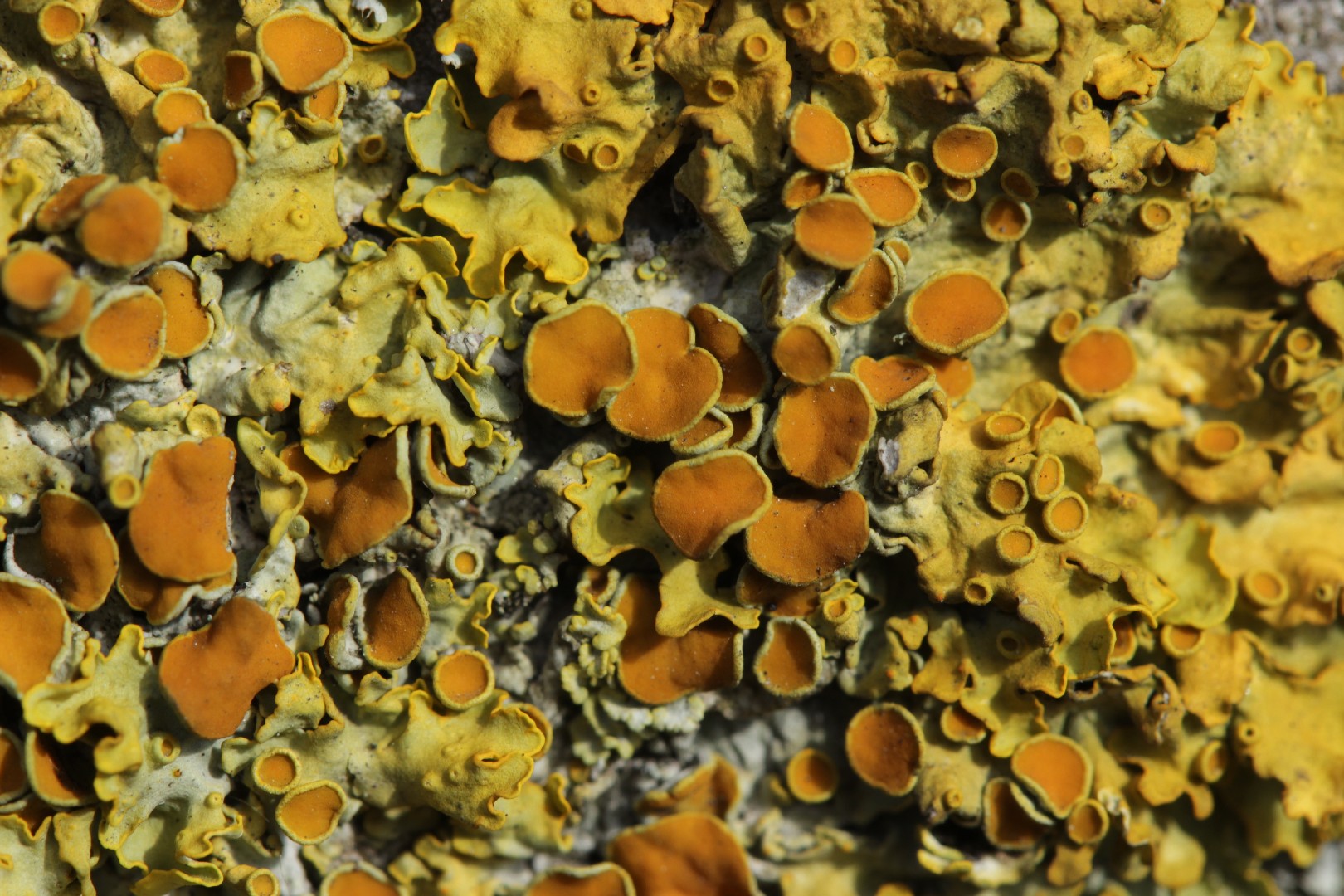
1. Common orange lichen
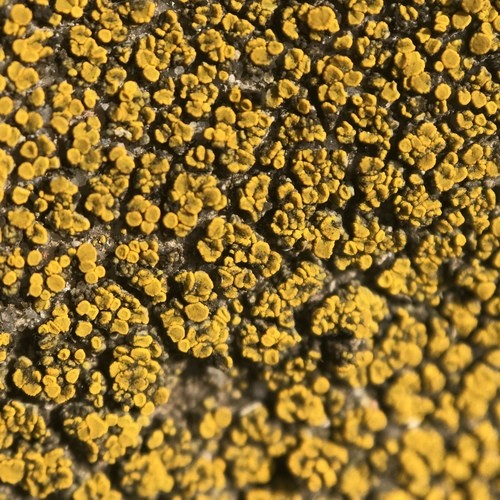
Common orange lichen was selected in 2006 by the United States Department of Energy as a model for genomic sequencing. Its widespread dispersal and bright yellow-orange color give the lichen its common name. It is primarily found growing on rocks, walls, and tree bark.
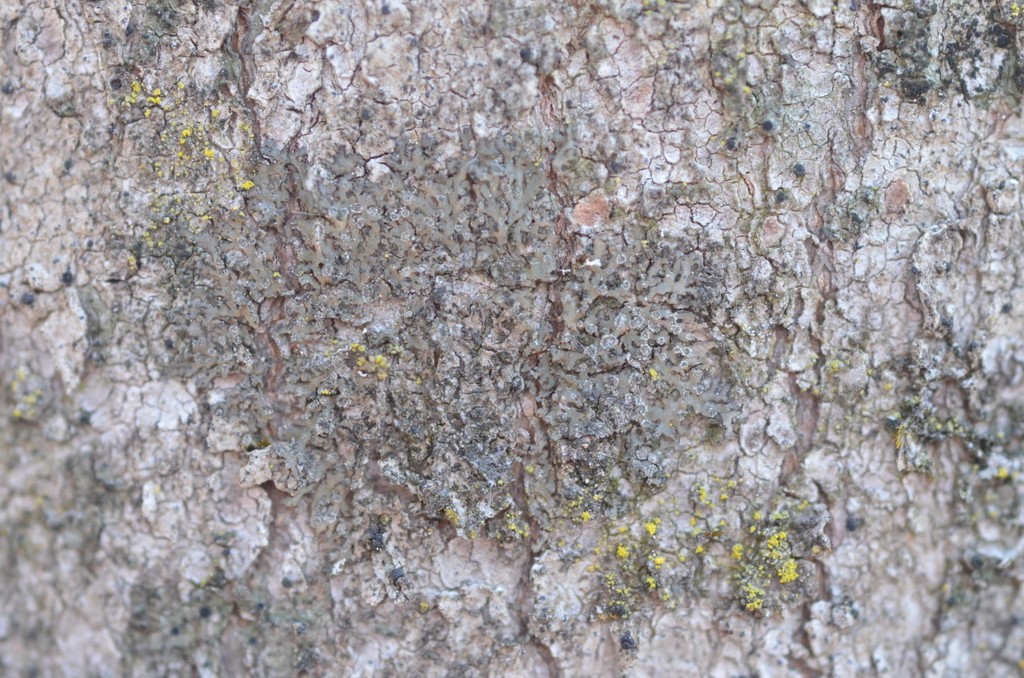
2. Grainy shadow-crust lichen
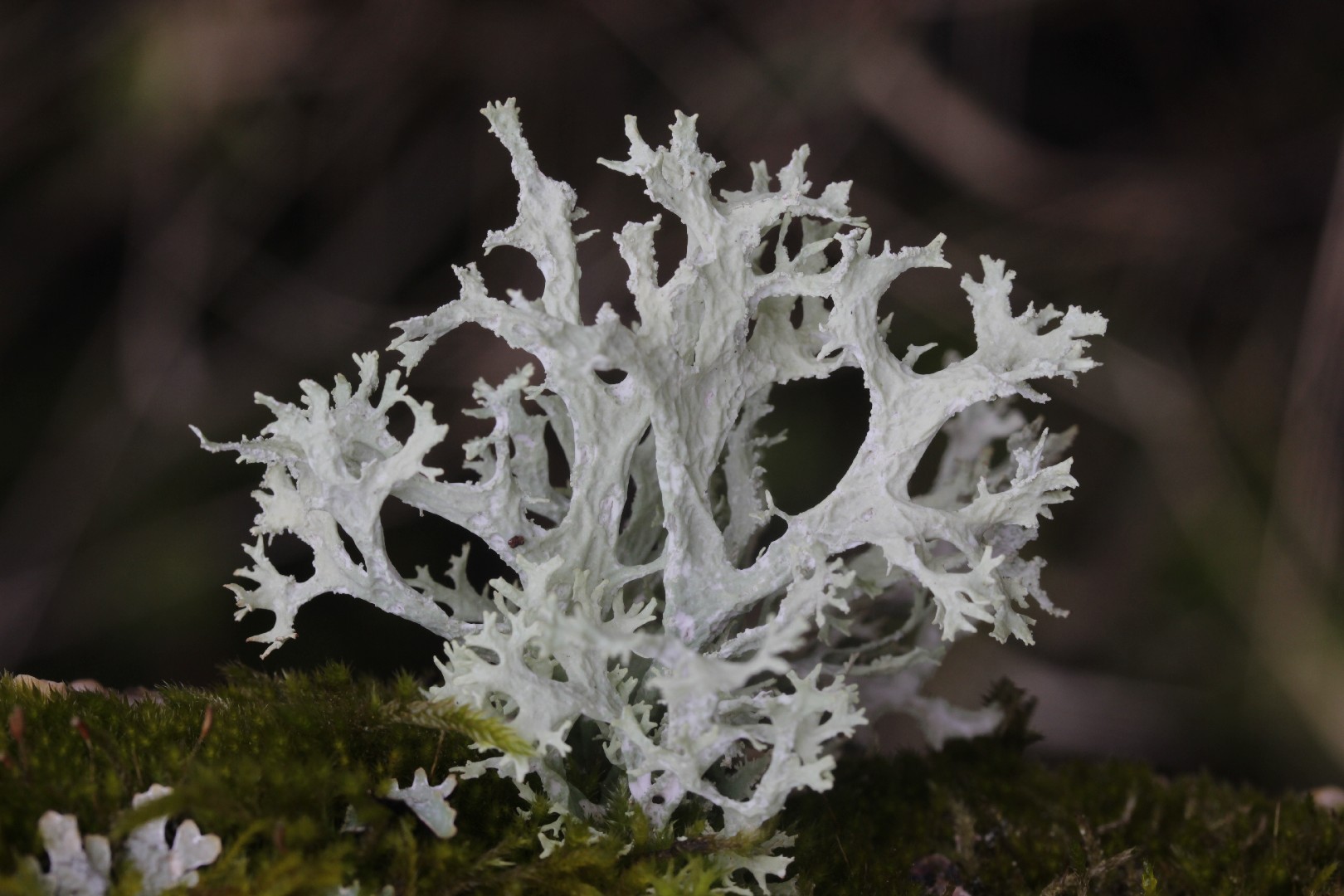
3. Oakmoss
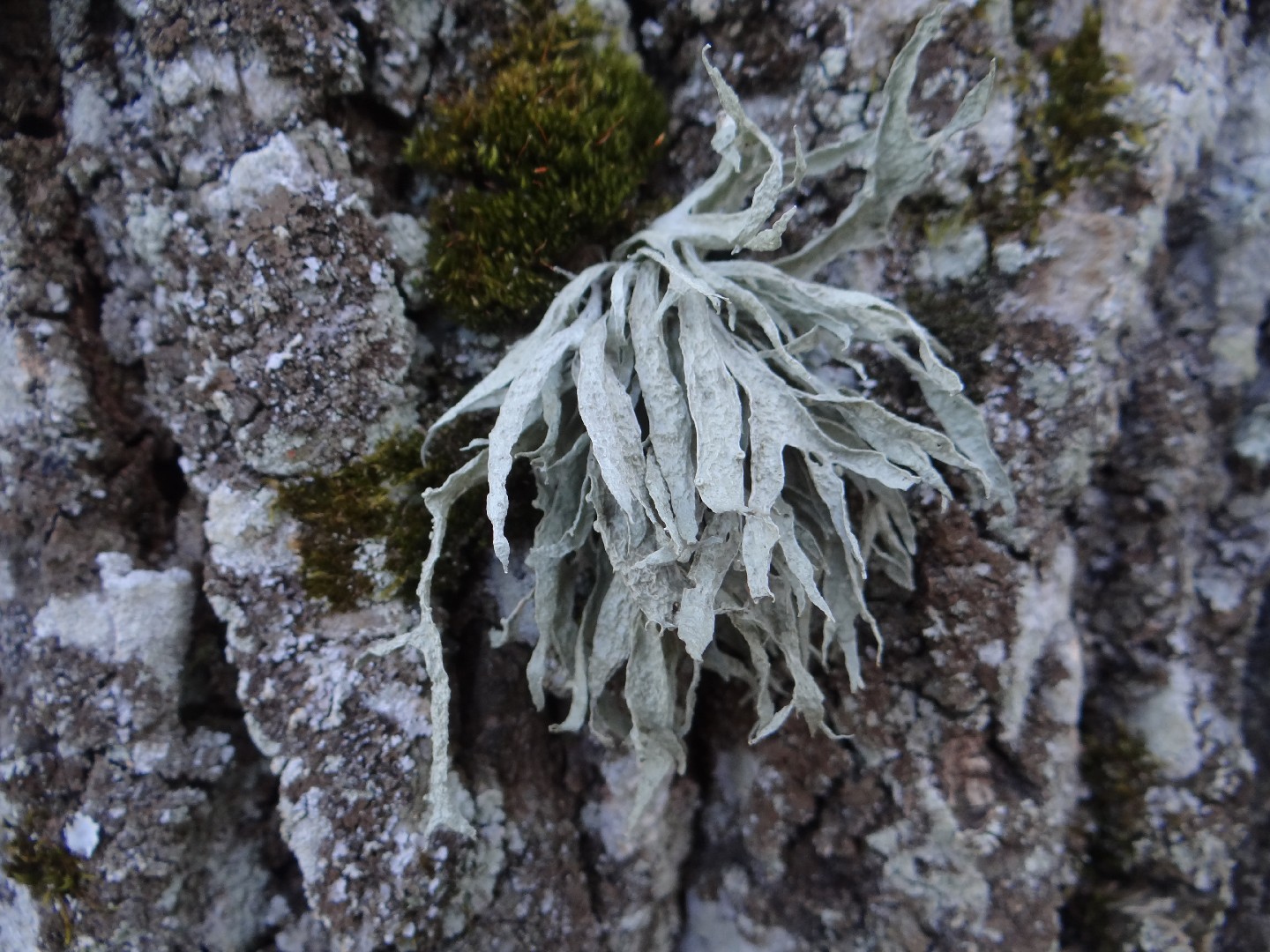
Evernia prunastri grows shrubby on trees. The yellow-green lichen grows up to 10 cm. It consists of up to five millimeters wide shrubby branched bands with a light underside. At the edges of these open dusty (Sorale). Apothecias (with shiny brown disc) are rarely formed.
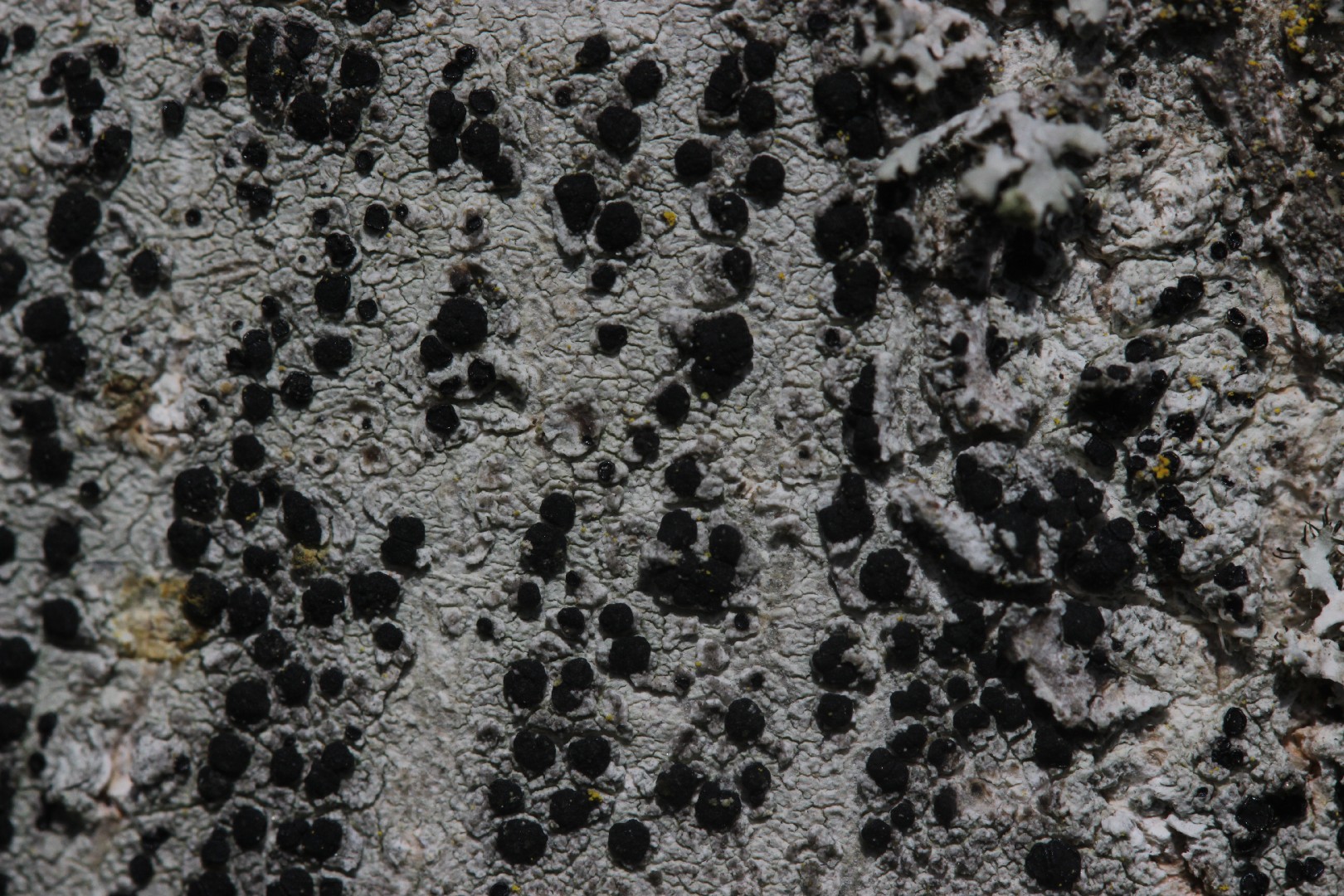
4. Lecidella lichen
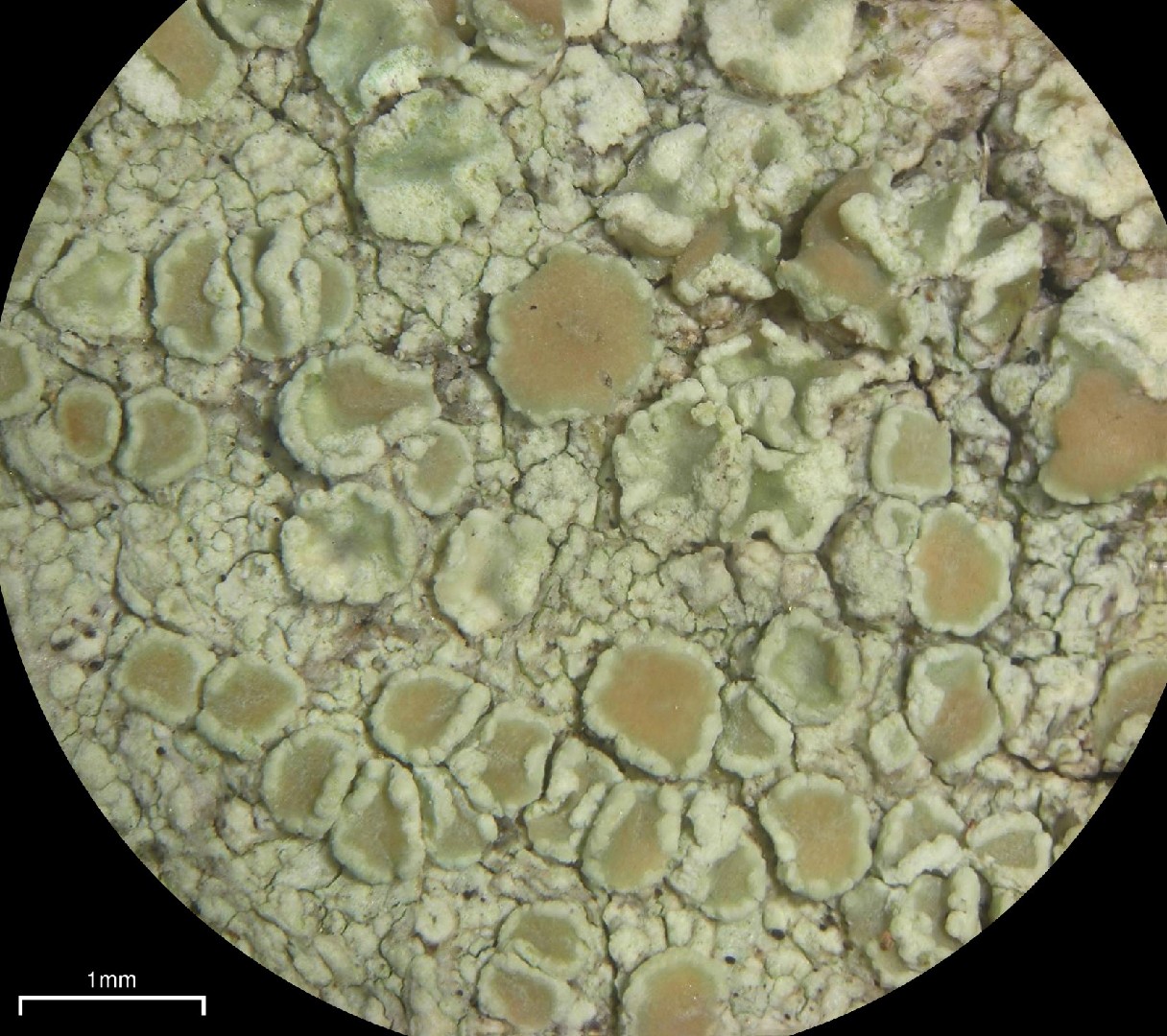
Lecidella elaeochroma is a crust lichen, which means that its stock (Thallus) lies closely on the surface. The camp is whitish, gray, gray-green, olive or yellowish. Often it is also damaged by snail-eating and then greenish. The structure of the camp is smooth to grainy. Often it is weakly glossy or even limited by a black submission. The camp can sometimes be sorediös dissolved. It reaches diameter of 1 to 3 cm. The apothecia reach between 0.4 and 1.0 mm in diameter. Their discs are black to dark reddish brown and very rarely frosted. The Apotheciens are flat to strongly arched and can be deformed. Its edge is black and smooth. Overall, the appearance of this lichens is very rich in form.
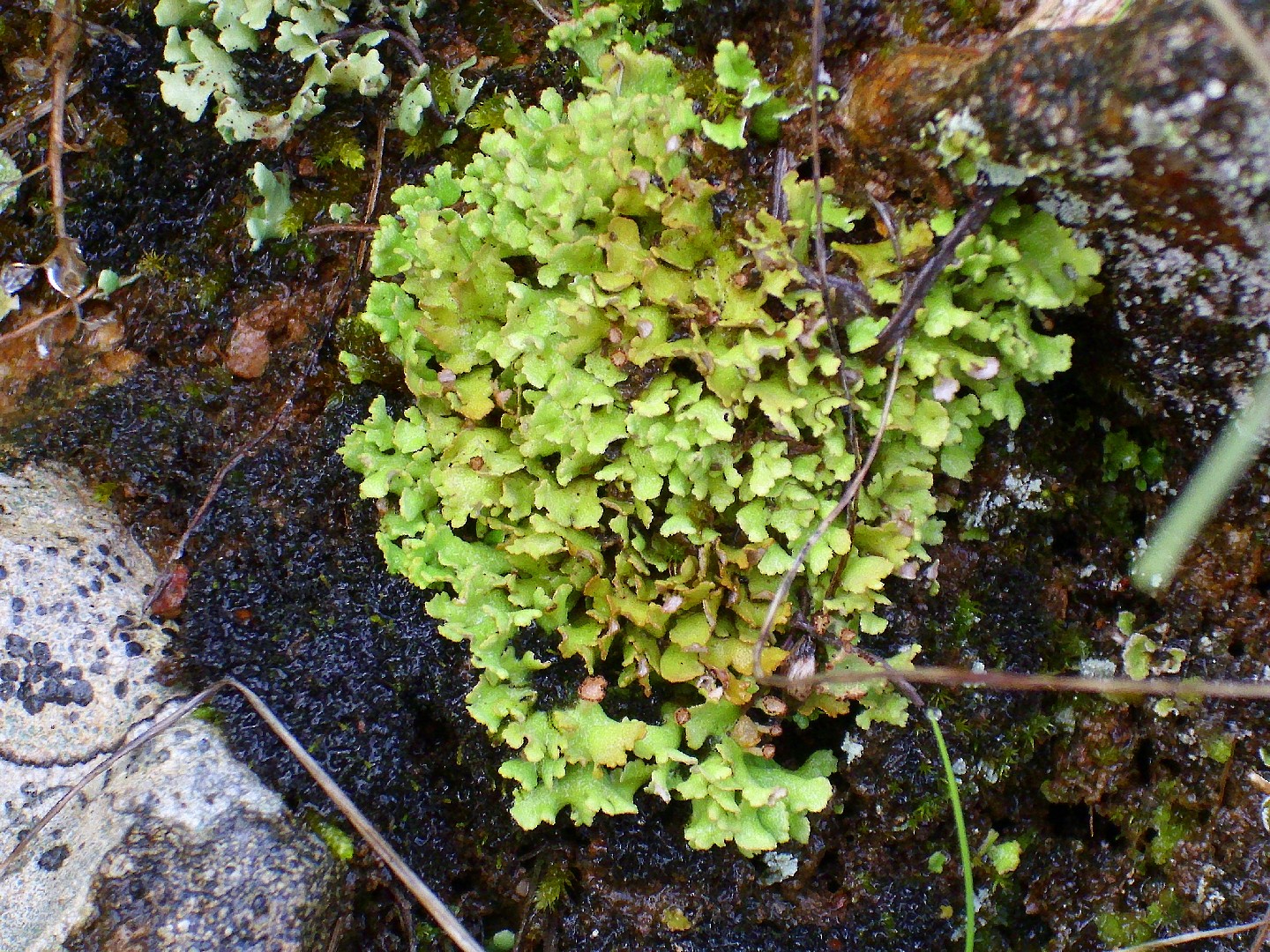
5. Cladonia foliacea
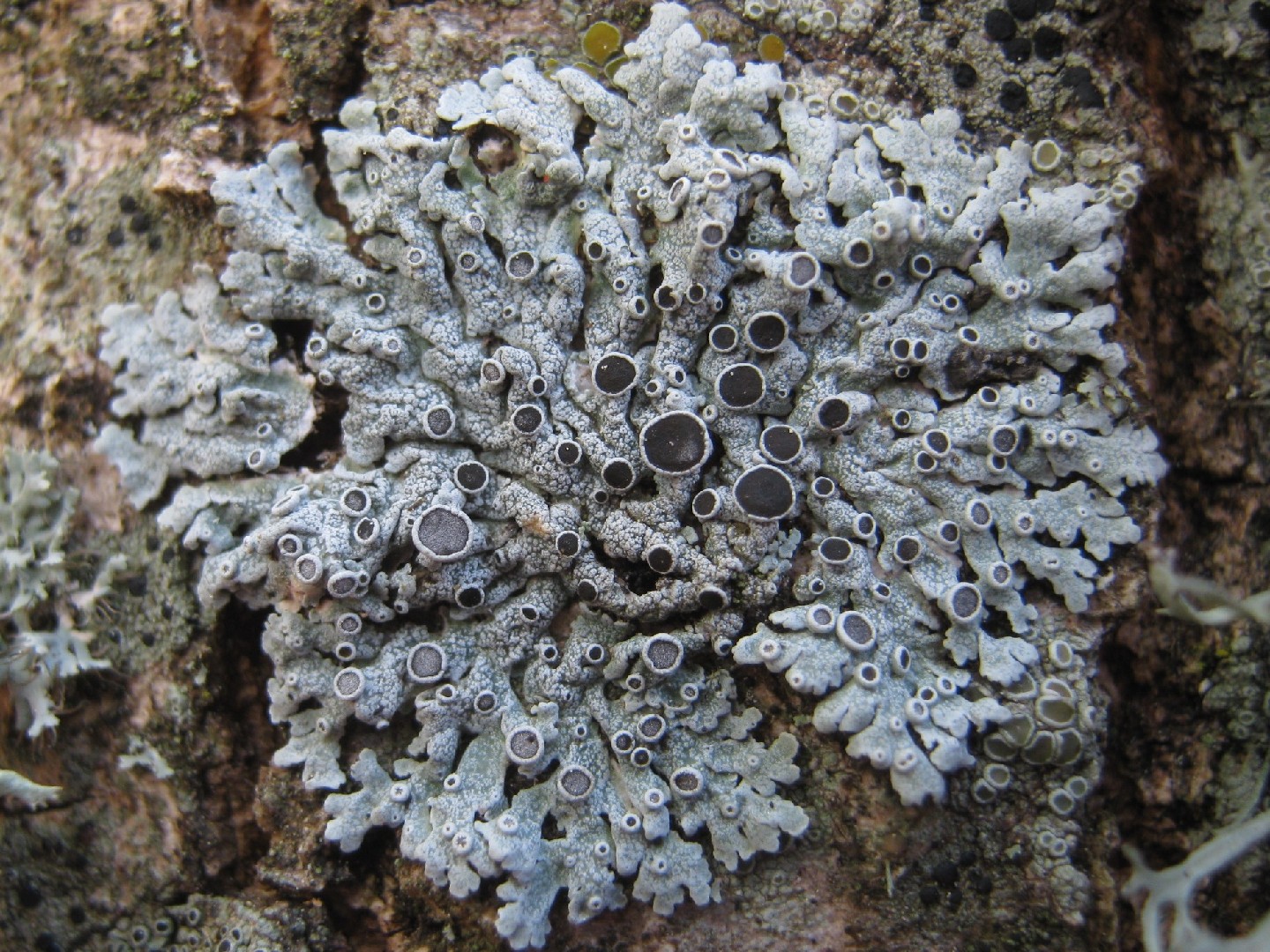
6. Hoary rosette lichen
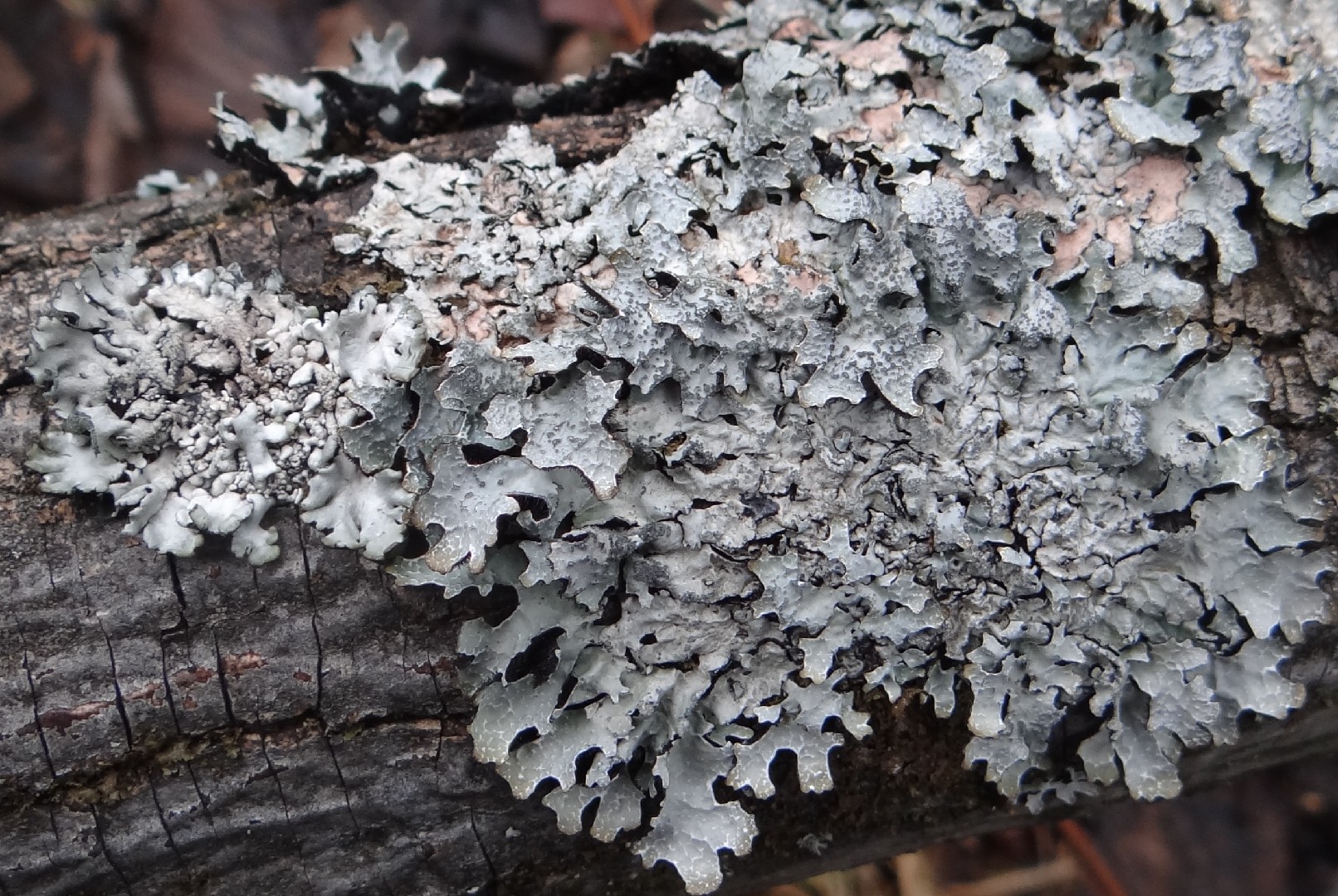
The rosette bearing of Physcia aipolia is whitish to white-gray and reaches a maximum diameter of 6 cm. In contrast to the very similar Physcia stellaris, the camp is dotted white (especially when wet) and the marrow turns yellow with potassium hydroxide. The dark brown to black, mostly frosted Apothecia with thallusfarbenem edge occur frequently.
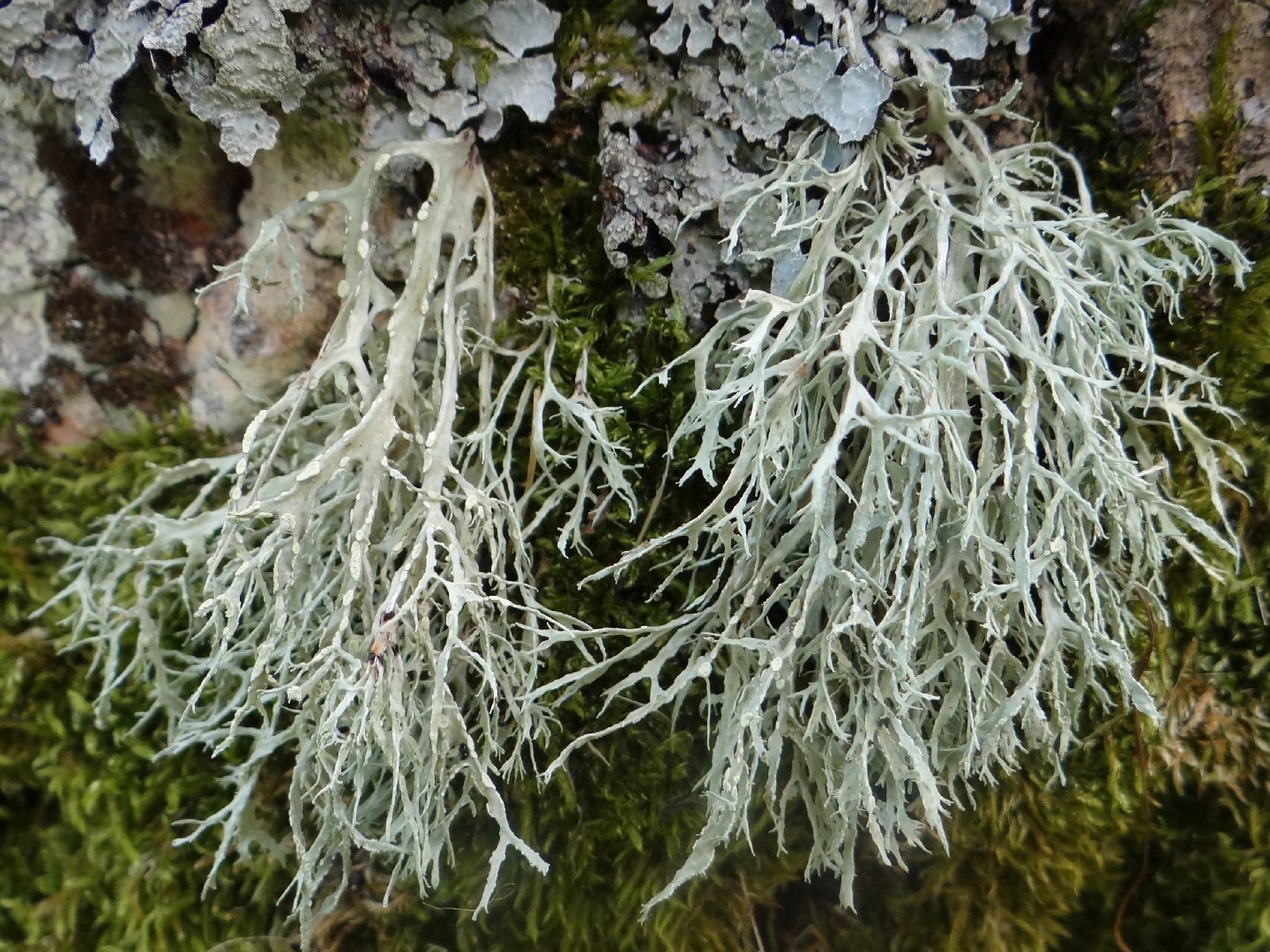
7. Farinose cartilage lichen
Farinose cartilage lichen has a bushy appearance and is easy to identify by its long, slender branches. The reproductive structures are often scattered on the fungi. The lichen thrives in warm moist, mixed forests, forming on second-growth trees and shrubs.
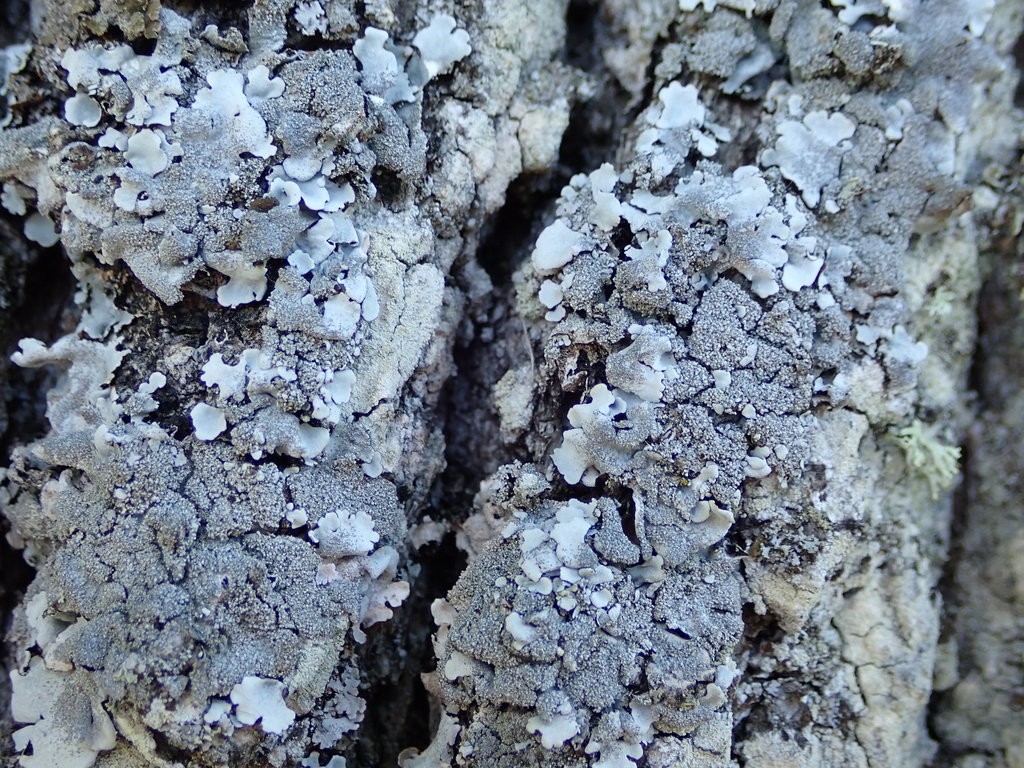
8. Parmelina tiliacea
9. Common greenshield lichen
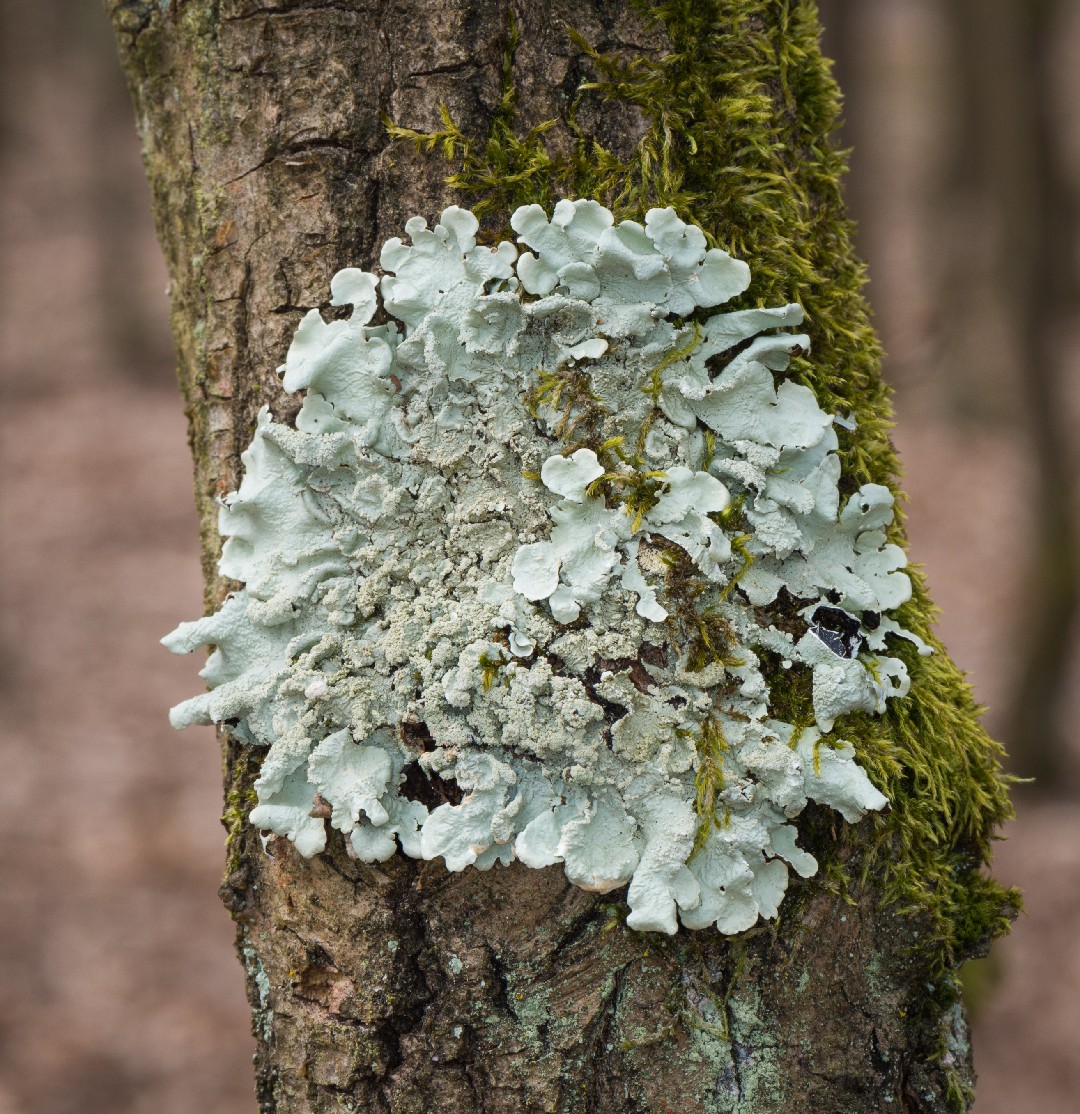
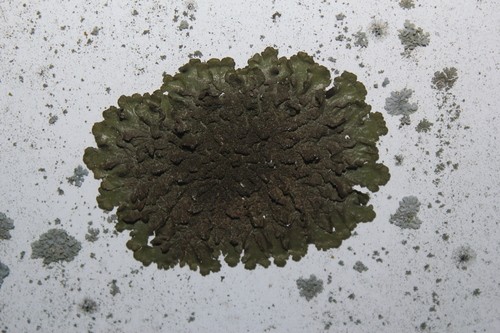
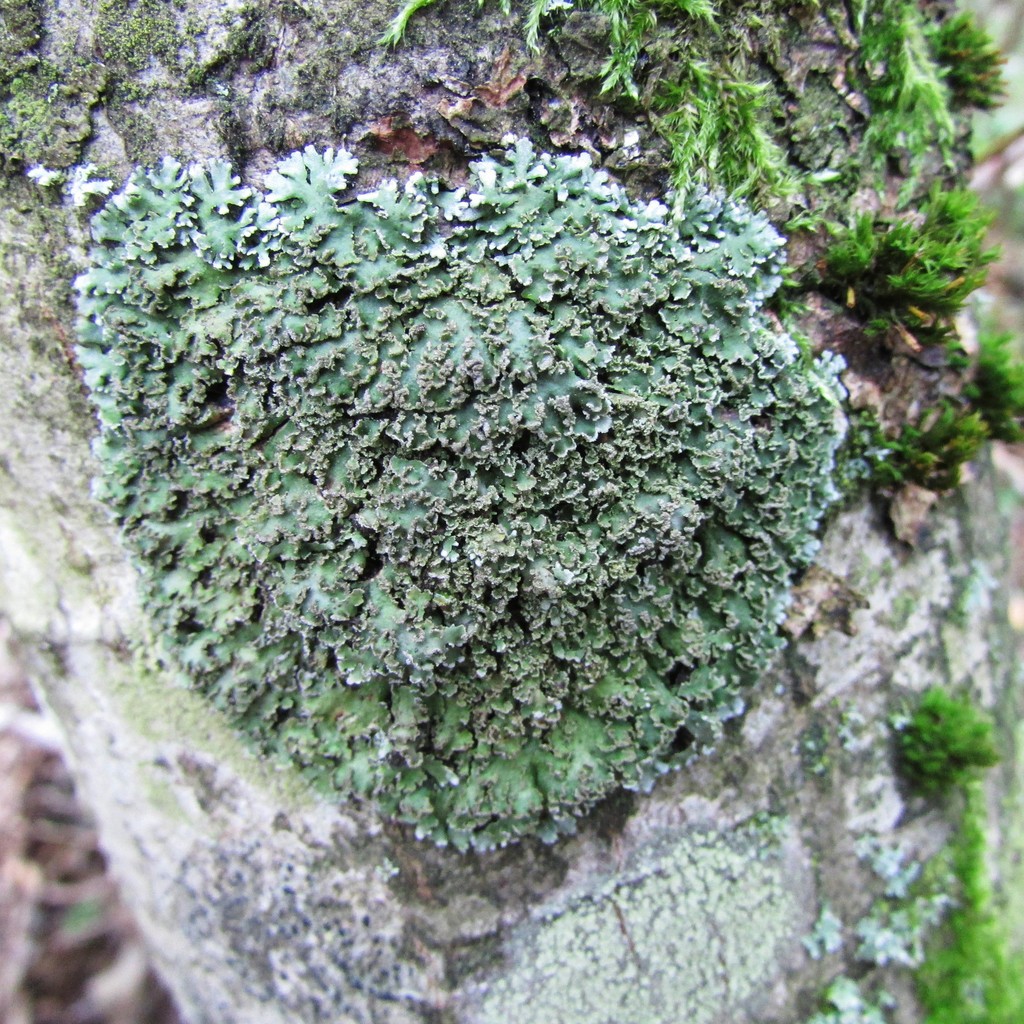
The common greenshield lichen is a familiar species in temperate forests around the world. It can be found growing on rock outcroppings and trees in a wide variety of habitats. Individuals can grow to be quite large and may be gregarious, forming large mats or sheets on suitable surfaces. Like other lichens, the common greenshield lichen will shrivel and harden when moisture is scarce.
10. Tree moss
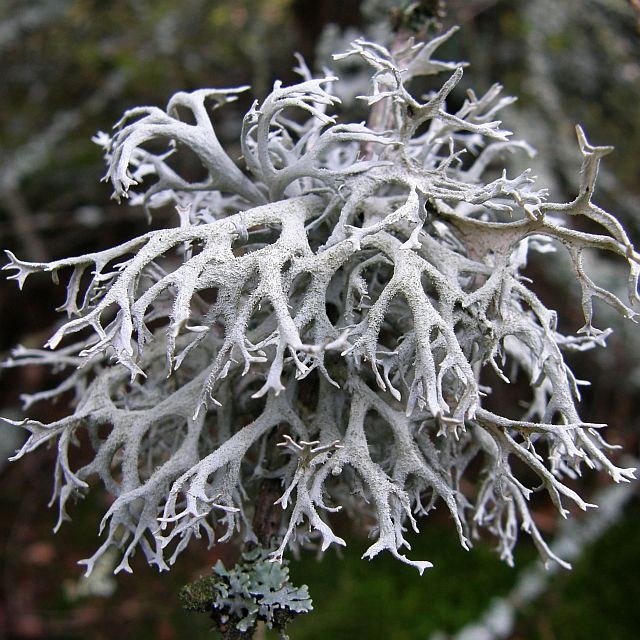
Pseudevernia furfuracea is associated with photobionts from the green algae genus Trebouxia. It reproduces asexually by isidia. The ontogeny of isidia development and its role in CO2 gas exchange in P. furfuracea has been investigated. The preferred growing surfaces for P. furfuracea are the so-called "nutrient poor" bark trees, including birch, pine and spruce. The species has two morphologically identical varieties that are distinguished by the secondary metabolites they produce: var. ceratea Zopf. produces olivetoric acid and other physodic acids, while var. furfuracea produces physodic but not olivetoric acid. Some authors (e.g., Hale 1968) have separated the chemotypes at the species level, designating the olivetoric acid-containing specimens as Pseudevernia olivetorina, but more recent literature separates them at the varietal level. 
More







