




Top 8 Most Common Mushrooms in Bloemfontein

Most Common Mushrooms

1. Shaggy mane
The shaggy mane mushroom is commonly found in North American and European grasslands. Some peoples foraged for its young egg-shaped caps, but it has more recently been found to be a bioaccumulator of heavy metals, meaning it pulls toxic metals up from the soil where it grows. As a result, shaggy manes should not be eaten. The mushrooms usually appear in clusters or “fairy rings.”
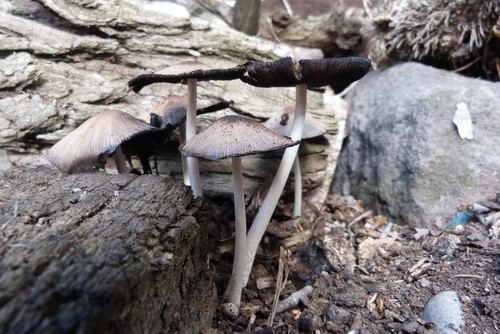
2. Mica cap
The bell-shaped mica cap mushrooms grow in clusters on wood debris and stumps, from spring to autumn. The caps appear wet and inky once they mature and begin to release spores. At that point, they can be boiled with cloves to create a useful black ink.
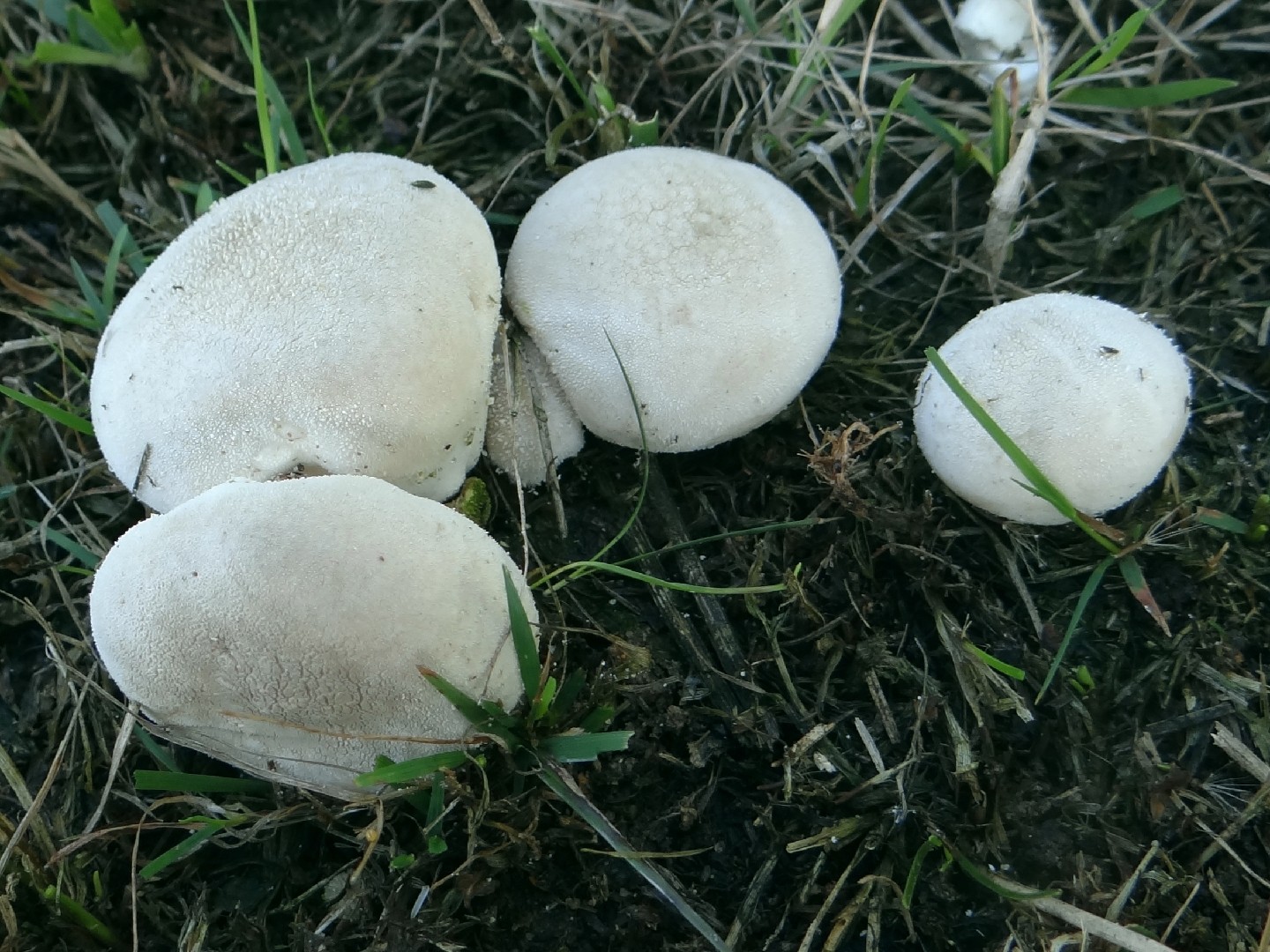
3. Meadow puffball
When its fruit body becomes too compressed, the meadow puffball releases its powdery, green-brown spores in a burst. These spores are seriously harmful to humans - inhaling the spores of a mature puffball can lead to a respiratory disease called lycoperdonosis. This small puffball is often found growing in rings. It is most abundant after heavy rainfalls.
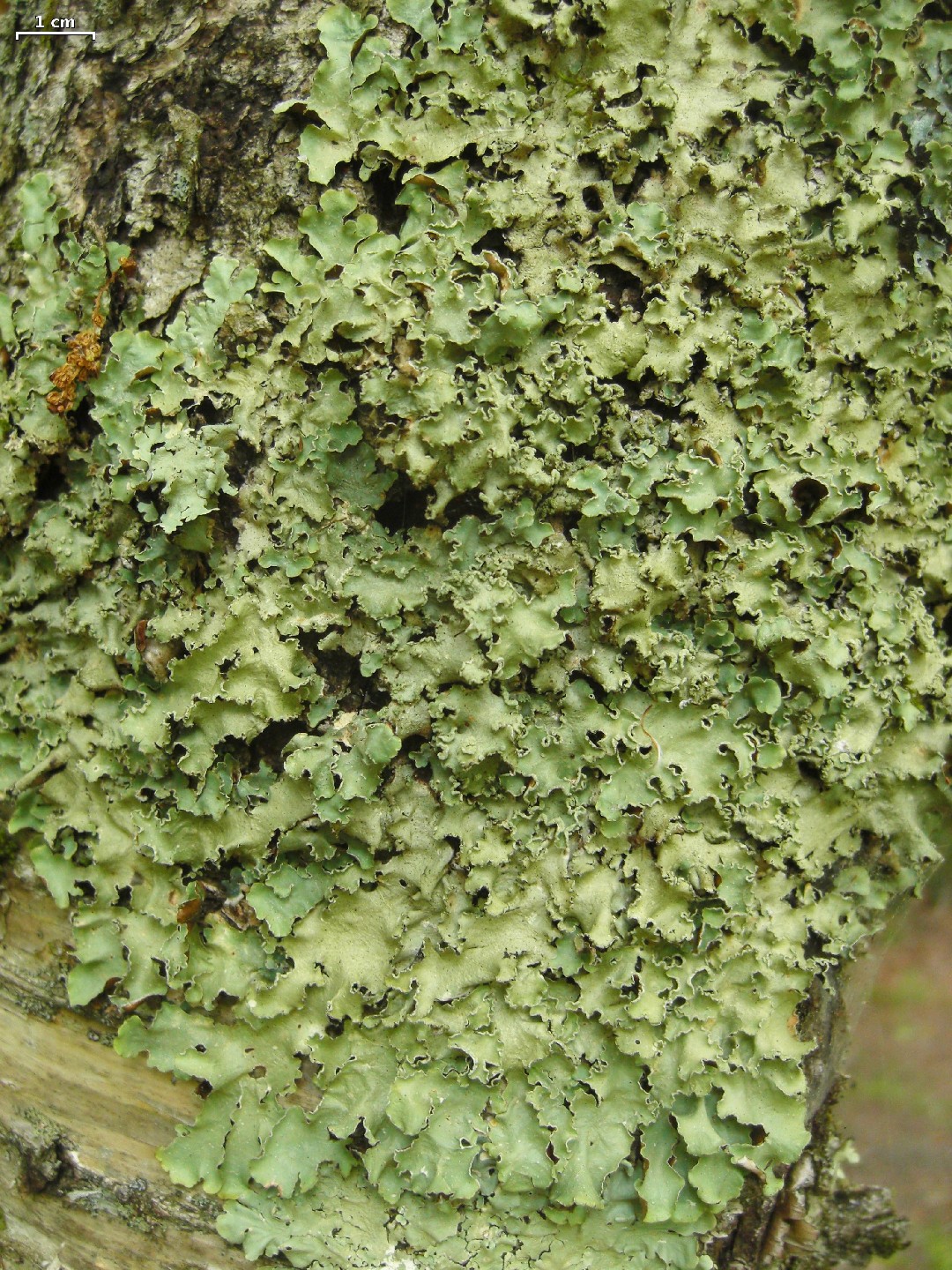
4. Speckled greenshield
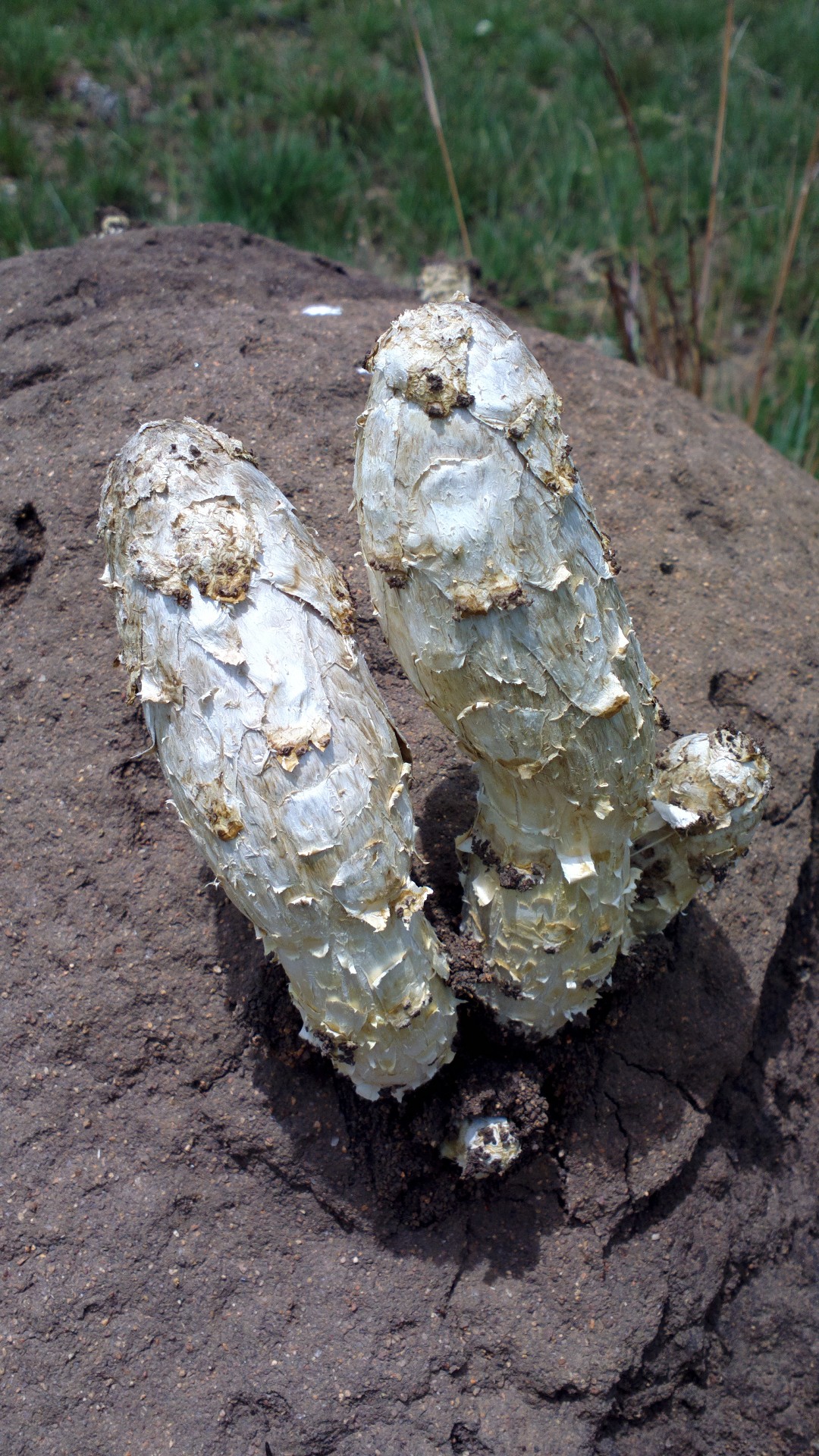
5. Desert shaggy mane
As its name suggests, the desert shaggy mane (Podaxis pistillaris) erupts from seemingly improbably conditions, out of the hot and arid ground in North American deserts. They are commonly found living harmoniously with colonies of termites in termite mounds. The desert shaggy mane is toxic and not safe to consume.
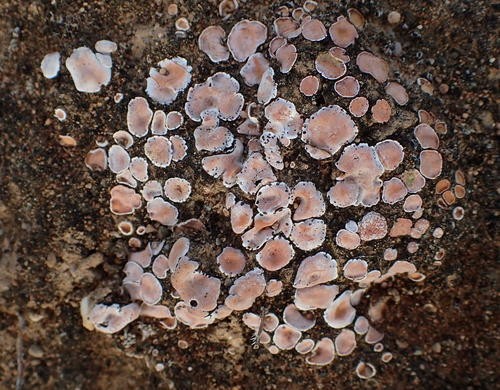
6. Brick scale
7. Pepper pot
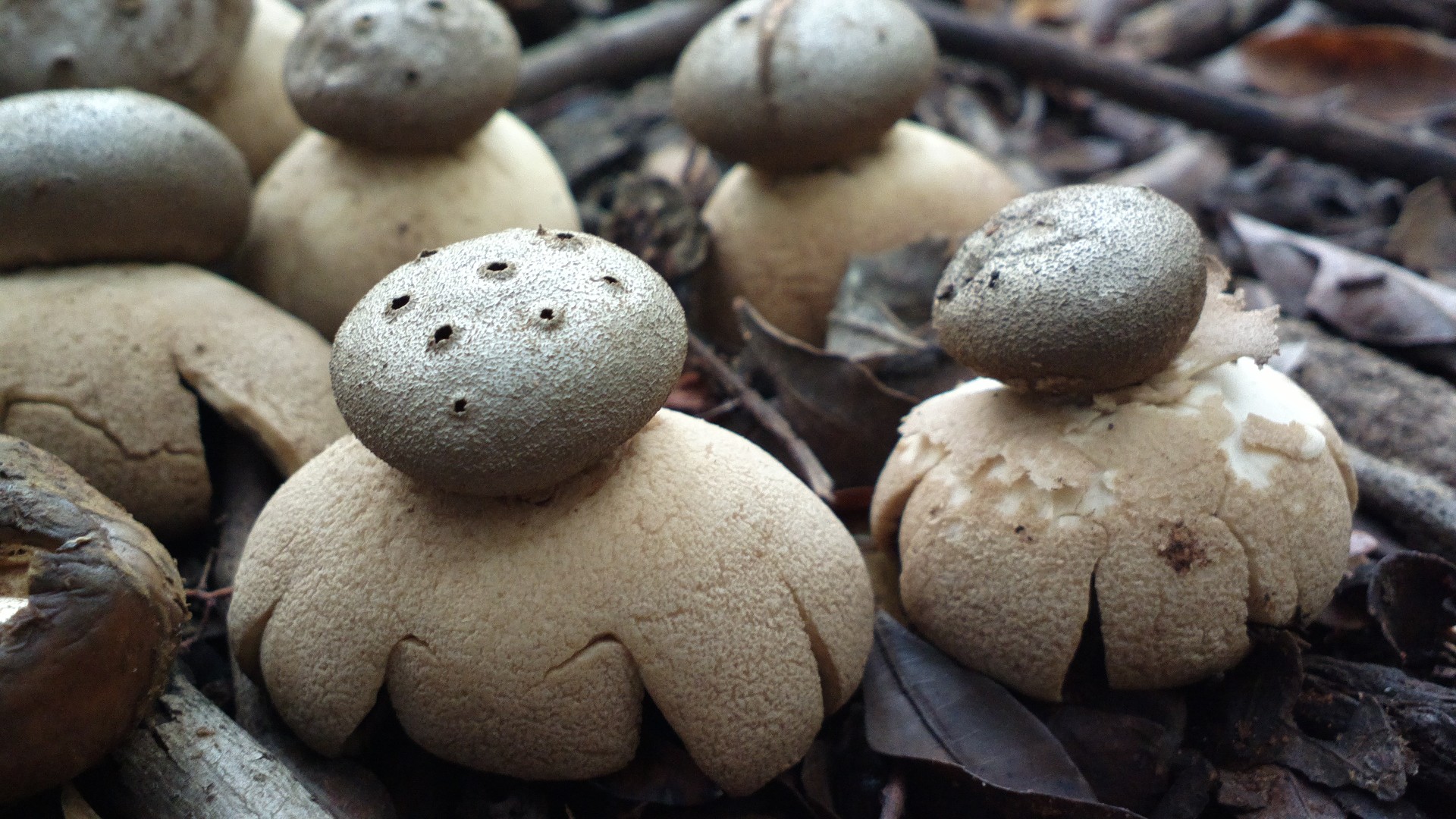
The fruit bodies start their development underground or buried in leaf debris, linked to a strand of mycelium at the base. As they mature, the exoperidium (the outer tissue layer of the peridium) splits open into 7 to 14 rays which curve backward; this pushes the fruit body above the substrate. Fully opened specimens can reach dimensions of 2–12 cm (0.8–4.7 in) from ray tip to tip. The rays are of unequal size, with tips that often roll back inward. They comprise three distinct layers of tissue. The inner pseudoparenchymatous layer (so named for the resemblance to the tightly packed cells of plant parenchyma) is fleshy and thick when fresh, and initially pale beige but darkening to yellow or brown as it matures, often cracking and peeling off in the process. The exterior mycelial layer, often matted with fine leaf debris or dirt, usually cracks to reveal a middle fibrous layer, which is made of densely packed hyphae 1–2.5 μm wide. The base of the fruit body is concave to vaulted in shape, and often covered with adhering dirt. The roughly spherical spore sac (endoperidium) measures 1–5 cm (0.4–2.0 in) in diameter, and is supported by a cluster of short columns shaped like flattened spheres. It is gray-brown in color, and minutely roughened with small, lightly interconnected warts. There are several to many evenly dispersed mouths, the ostioles, mainly on the upper half of the endoperidium. They are roughly circular with fimbriate edges. The inedible fruit bodies have no distinct taste, although dried specimens develop an odor resembling curry powder or bouillon cubes. Like many earthstars, the fungus uses the force of falling raindrops to help disperse the spores, which are ejected in little bursts when objects (such as rain) strike the outer wall of the spore sac. The gleba is brown to grayish-brown, with a cotton-like texture that, when compressed, allows the endoperidium to flex quickly and create a puff of air that is forced out through the ostioles. This generates a cloud of spores that can then be carried by the wind. There are columellae (sterile structures that start at the base of the gleba and extend through it), which are usually not evident in the mature gleba, but apparent at the base of the spore sac. The columellae are not connected to the ostioles, but rather, terminate within the gleba at some distance from them. The capillitia (sterile strands within the gleba) are long, slender, free, tapering, unbranched, and 2–5 μm thick, with thickened walls. The spores are spherical, nonamyloid, and are ornamented with irregularly shaped flaring protuberances up to 2 μm high. They measure 3.9–4.8 μm in diameter (without ornamentation), and 5.4–7.0 μm including the ornamentation. 
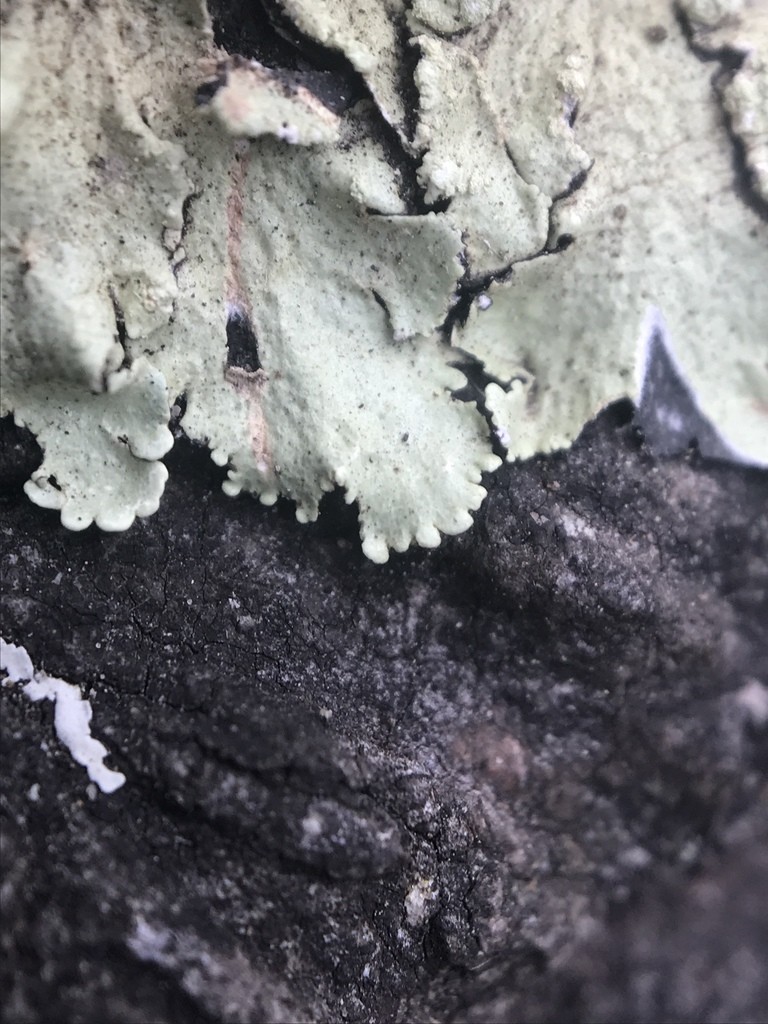
8. Flavoparmelia soredians







