




Top 5 Most Common Mushrooms in Nepal
Nestled in the foothills of the Himalayas, Nepal boasts a distinct climate and rich biodiversity conducive to mycological growth. The country's diverse topography, varying in altitude and vegetation, offers a unique habitat nurturing a myriad of mushroom species. This insightful guide delves deep into the 5 most commonly found mushrooms in Nepal, reflecting its rich mycological wealth. Abound with varying fungi, Nepal truly is a mushroom aficionado's paradise. The detailed information provided will enlighten enthusiasts and casual readers alike about the fascinating world of Nepalese mushrooms.

Most Common Mushrooms
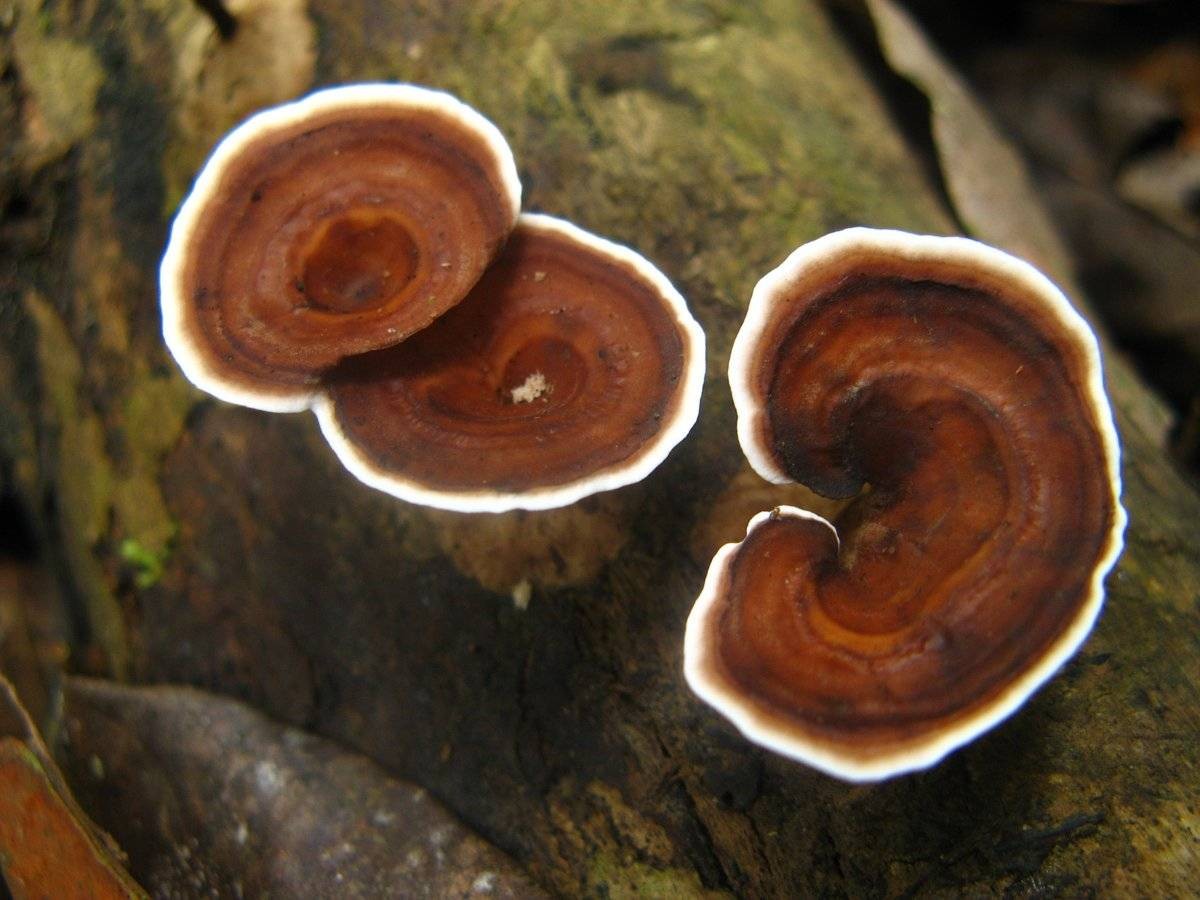
1. Yellow-footed micropore
The scientific name of the yellow-footed micropore (Microporus xanthopus) translates to “tiny-pored yellow foot.” Its short stem is usually yellow, leading up to a concave, funnel-like cap. The species is common in all the tropics of the world outside of the Americas. The striated, multi-hued caps grow largest in wet, darkly-shaded locations.
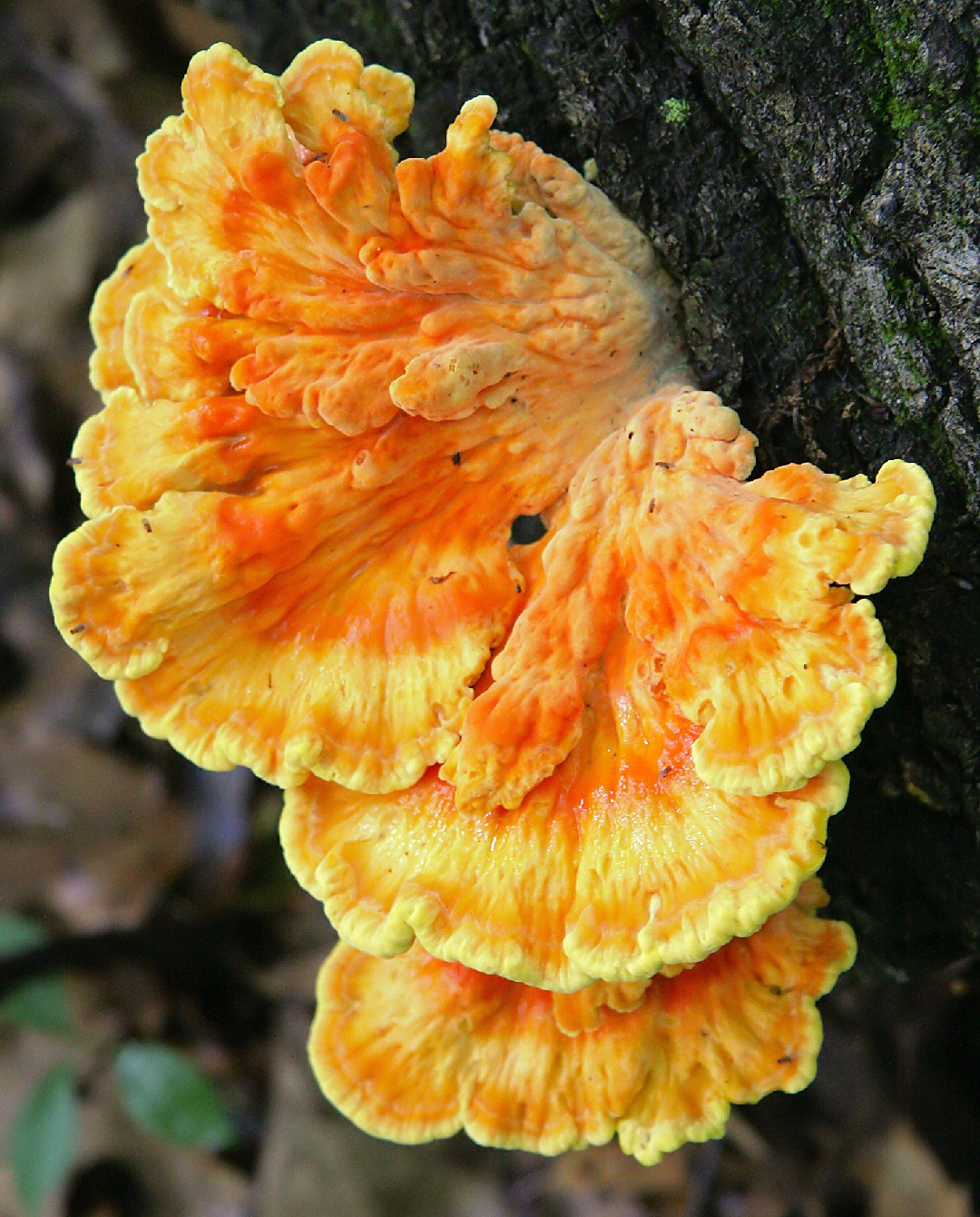
2. Chicken of the woods
Chicken of the woods is very noticeable in hardwood forests, appearing in clusters on standing tree trunks in bright orange and yellow hues that sometimes last through the entire winter. It is a parasite that causes an unfortunate brown heart rot, and is considered a particularly troublesome pest of Yew trees. If the fruitbodies can be seen, the tree is likely already beyond saving.
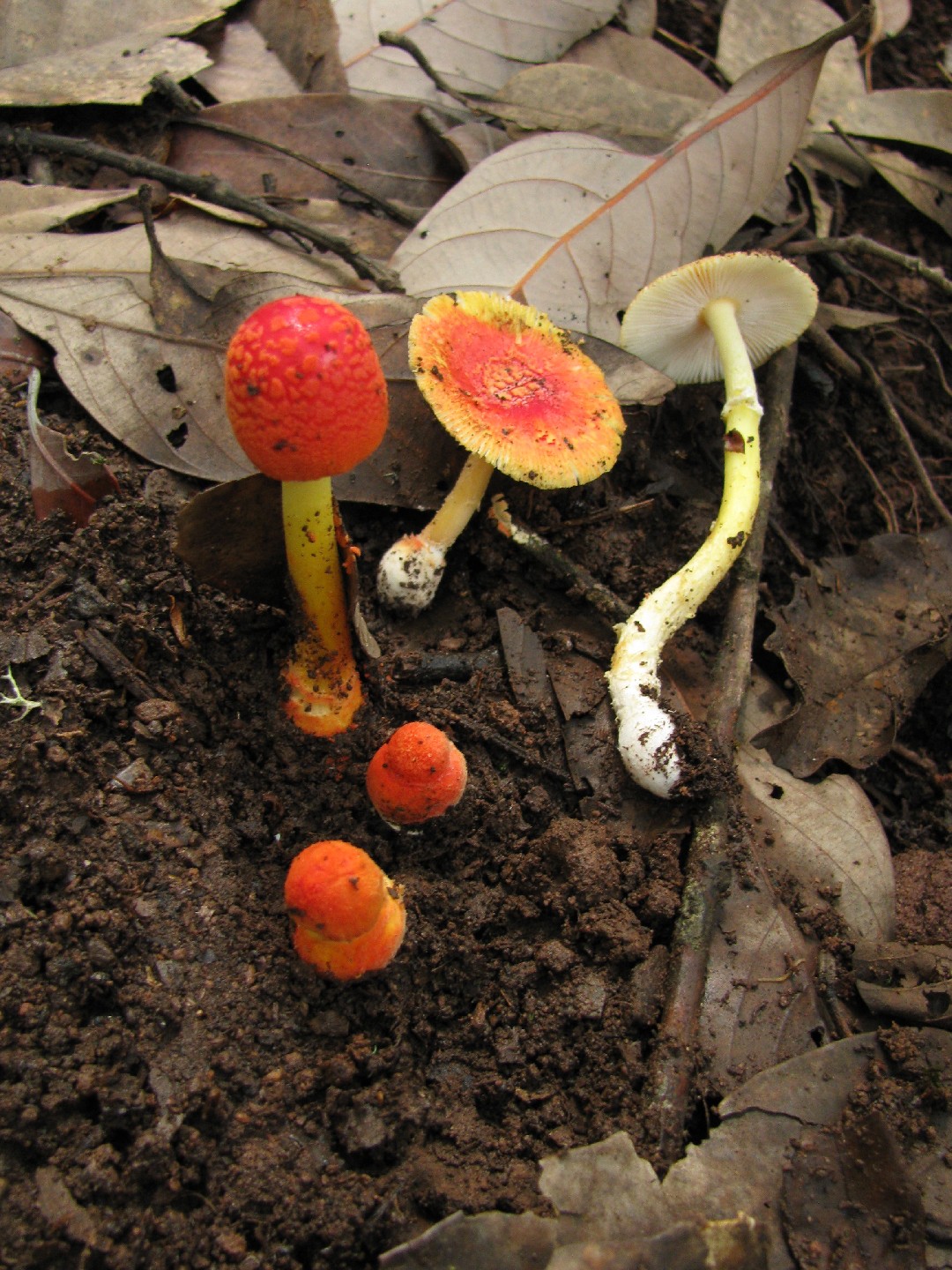
3. Red volva amanita
Red volva amanita stands out on the forest floor with its bright red cap that fades to orange and yellow at the margins as the mushroom grows. The stem has a red volva at its base, which gives this mushroom the name "red volva amanita."
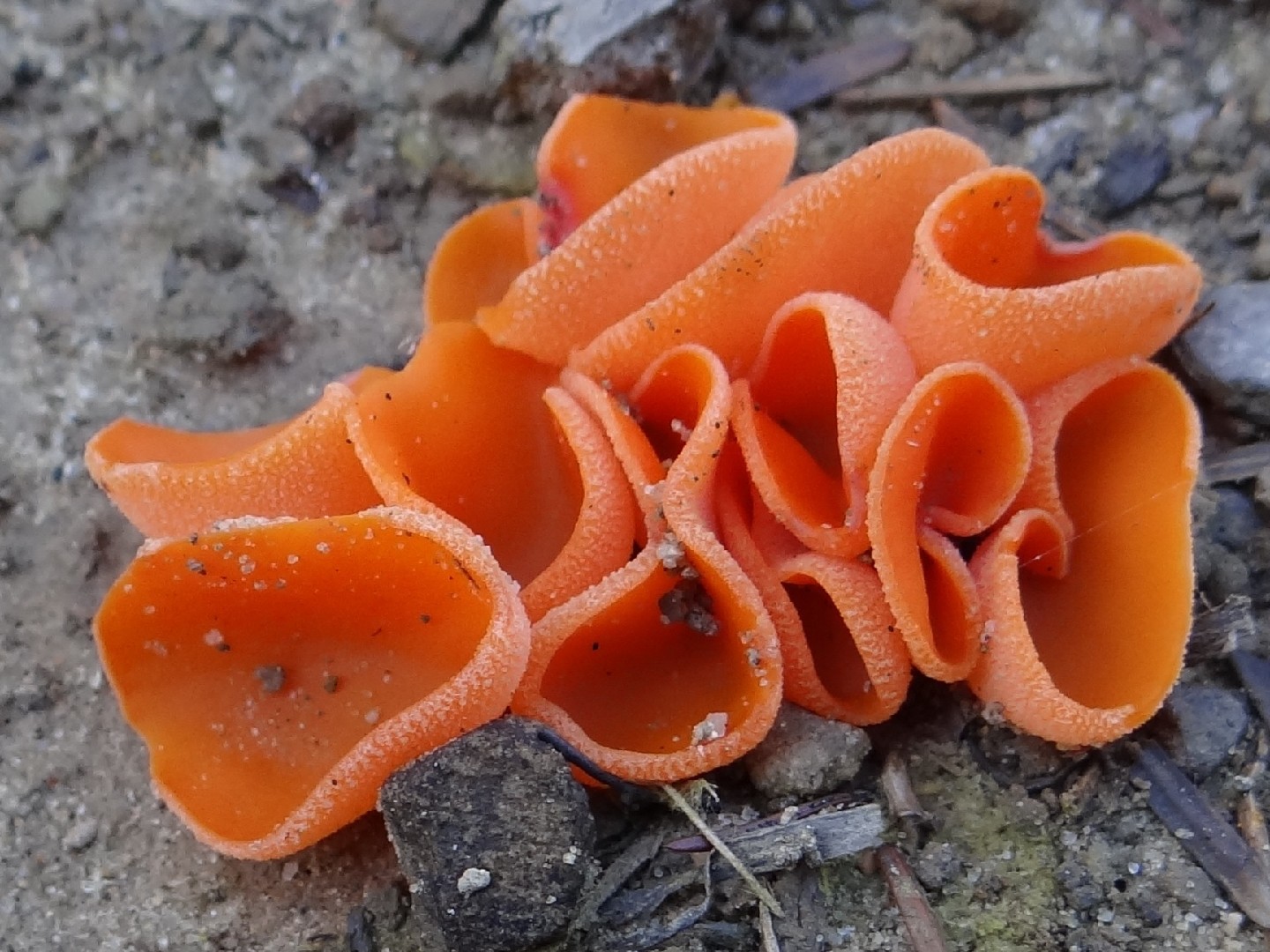
4. Orange peel fungus
The aptly-titled orange peel fungus (Aleuria aurantia) forms fruitbodies that strongly resemble peeled-off rinds of oranges. The species has an irregular folded shape and boasts a bright orange hue. Orange peel fungus usually grows directly out of soil and can be found across temperate regions of North America, Europe, and a few parts of Chile.
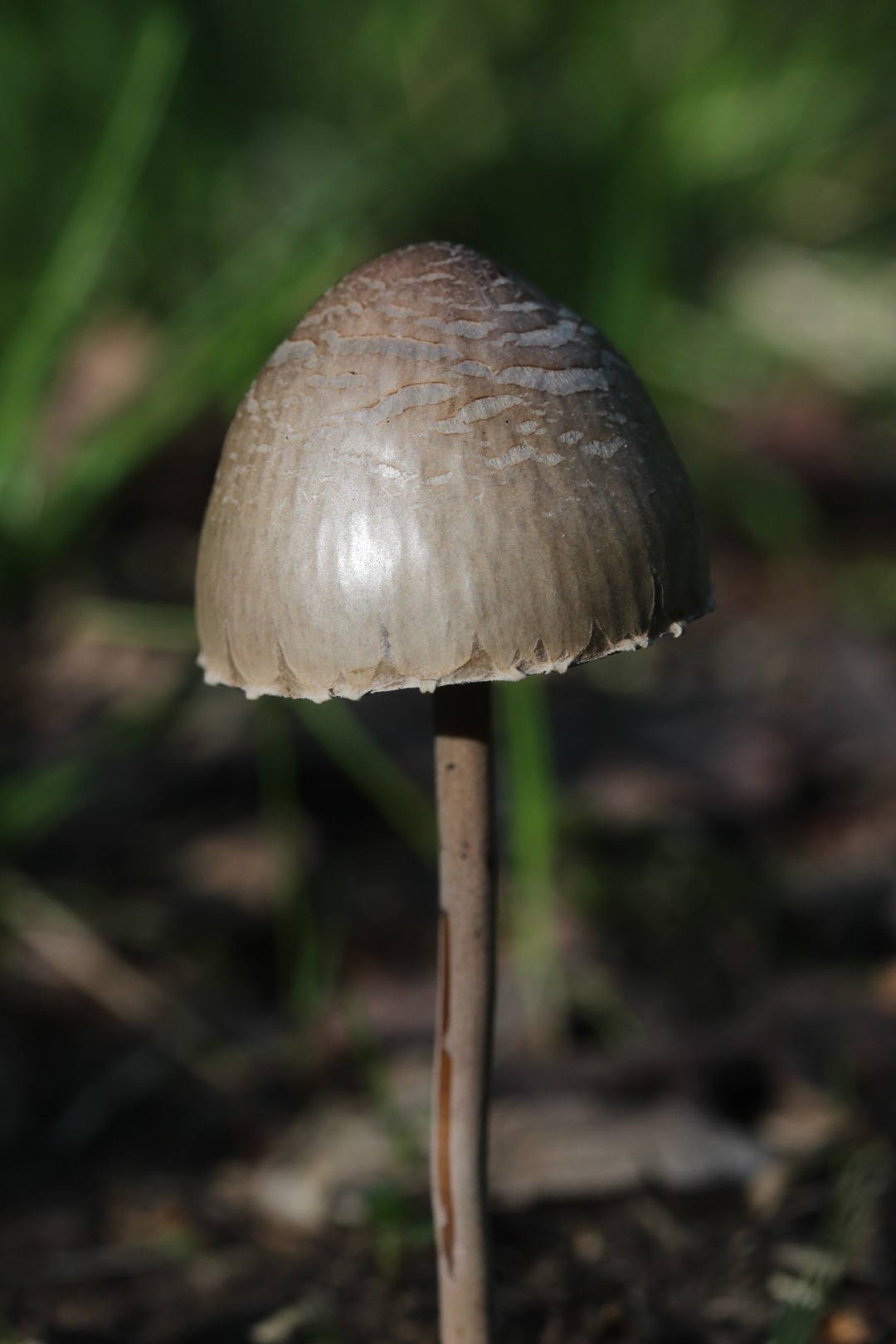
5. Petticoat mottlegill
The petticoat mottlegill is a little brown mushroom (LBM) with a truly global distribution; this mushroom is found on every continent save Antarctica. While relatively nondescript in appearance, it can be recognized by its preferred microhabitat - dung. Petticoat mottlegills are commonly found growing out of cow or horse dung, or they may be seen in open fields that are rich with animal manure.







