




Top 20 Most Common Mushrooms in Voreio Aigaio

Most Common Mushrooms
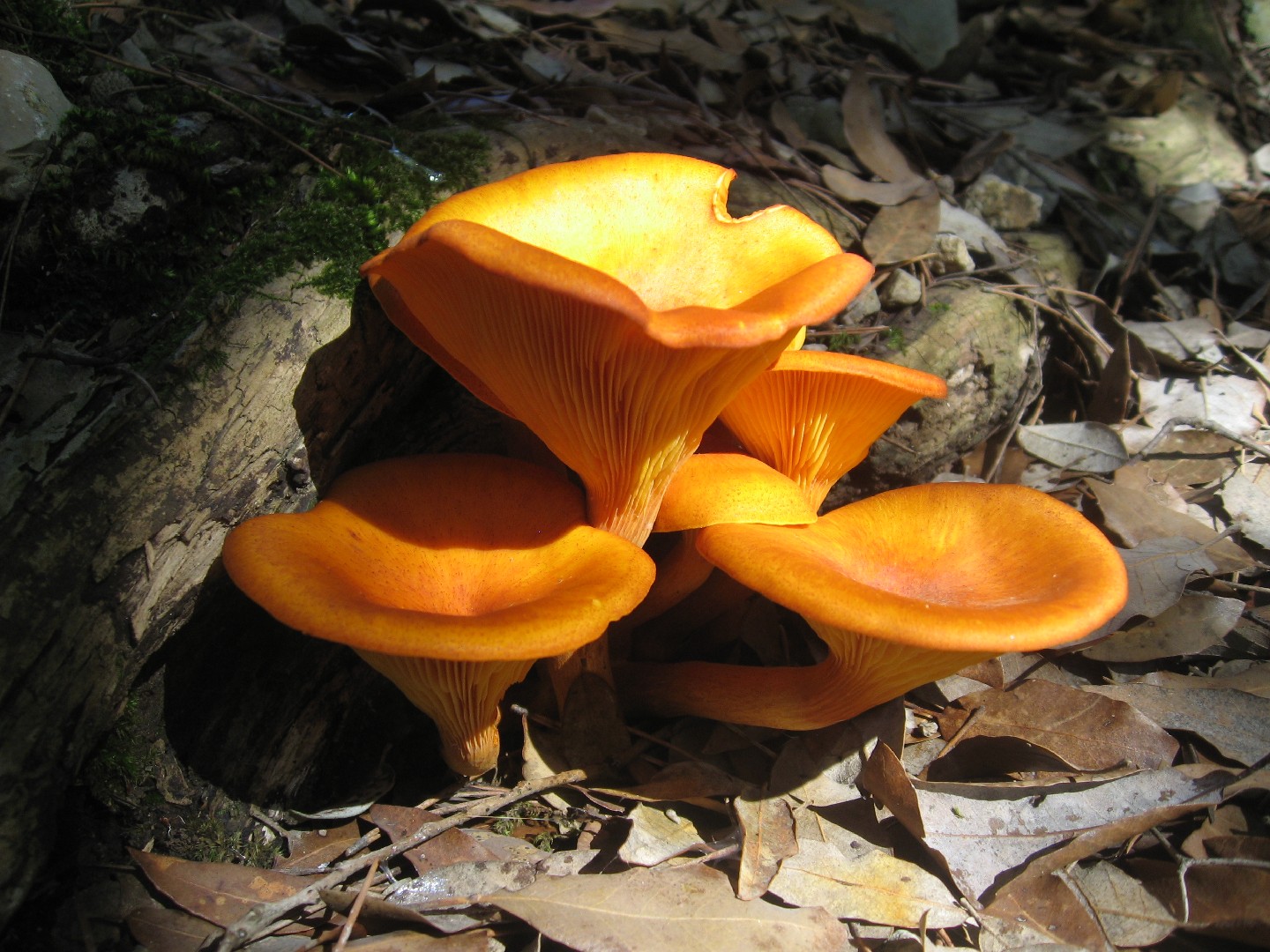
1. Jack-o'-lantern
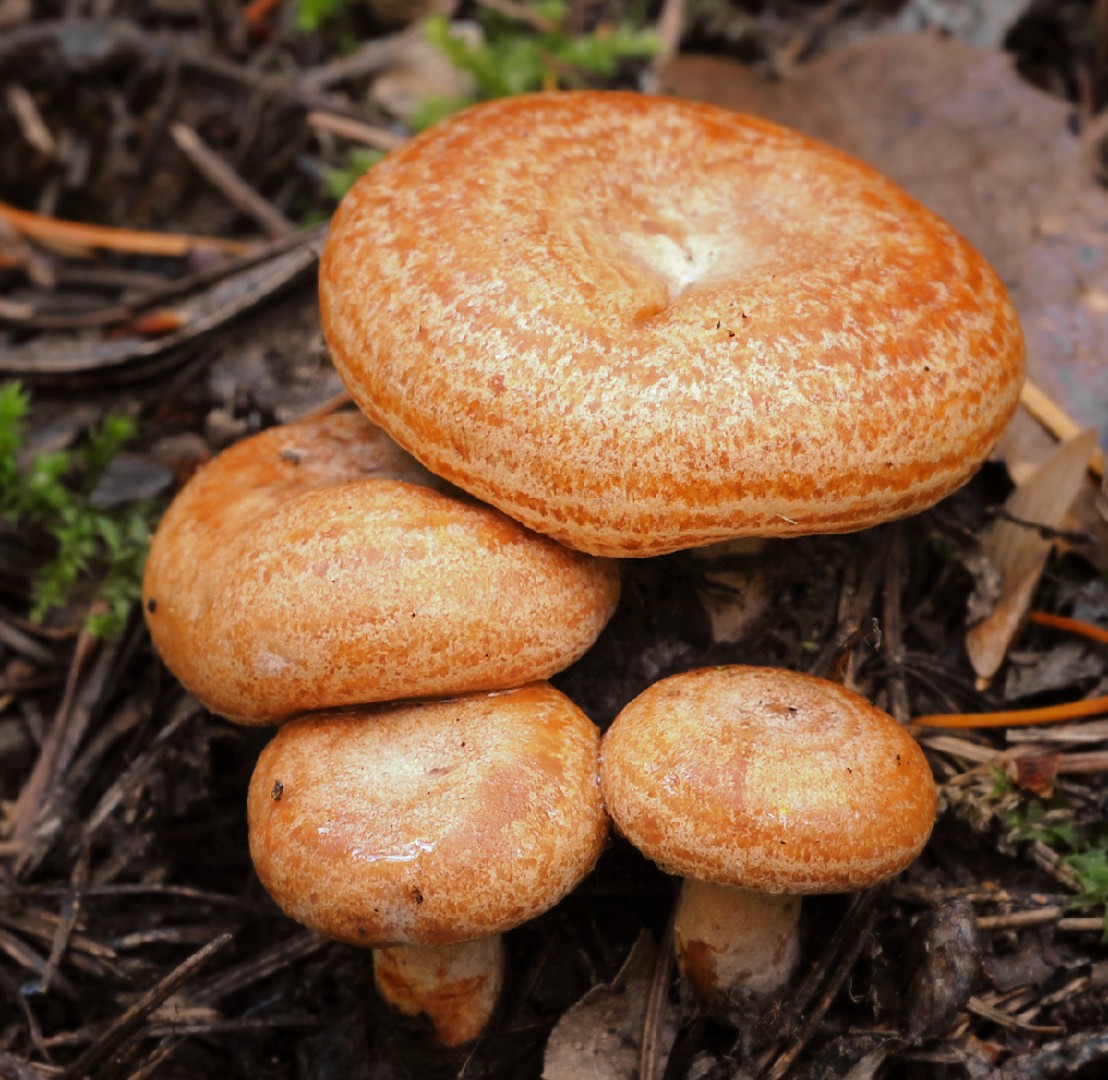
The jack-o'-lantern (Omphalotus olearius) lives up to its nickname in more ways than one. Not only are the caps often large, round, and as orange as pumpkins, but at night these mushrooms even glow. In the darkness, their bioluminescent gills can be seen emitting a spooky green light. In fitting with the scary theme, this fungus is also extremely poisonous.
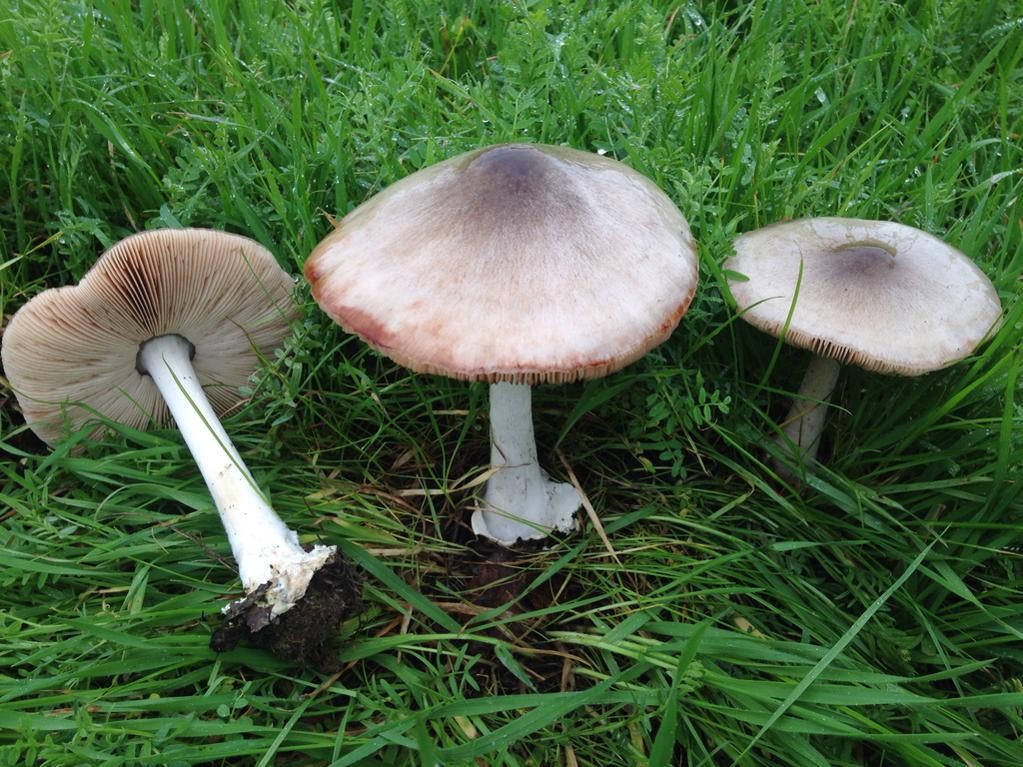
2. Big sheath mushroom
These large white mushrooms bloom all over cleared, harvested fields, as well as pastures and roadsides. The scientific species name comes from Greek words meaning “glue” (glioio) and “head” (cephalus), in reference to the sticky surface of this mushroom’s cap. The big sheath mushroom looks so similar to the poisonous Deathcap and Destroying Angel mushrooms that it should always be left alone.
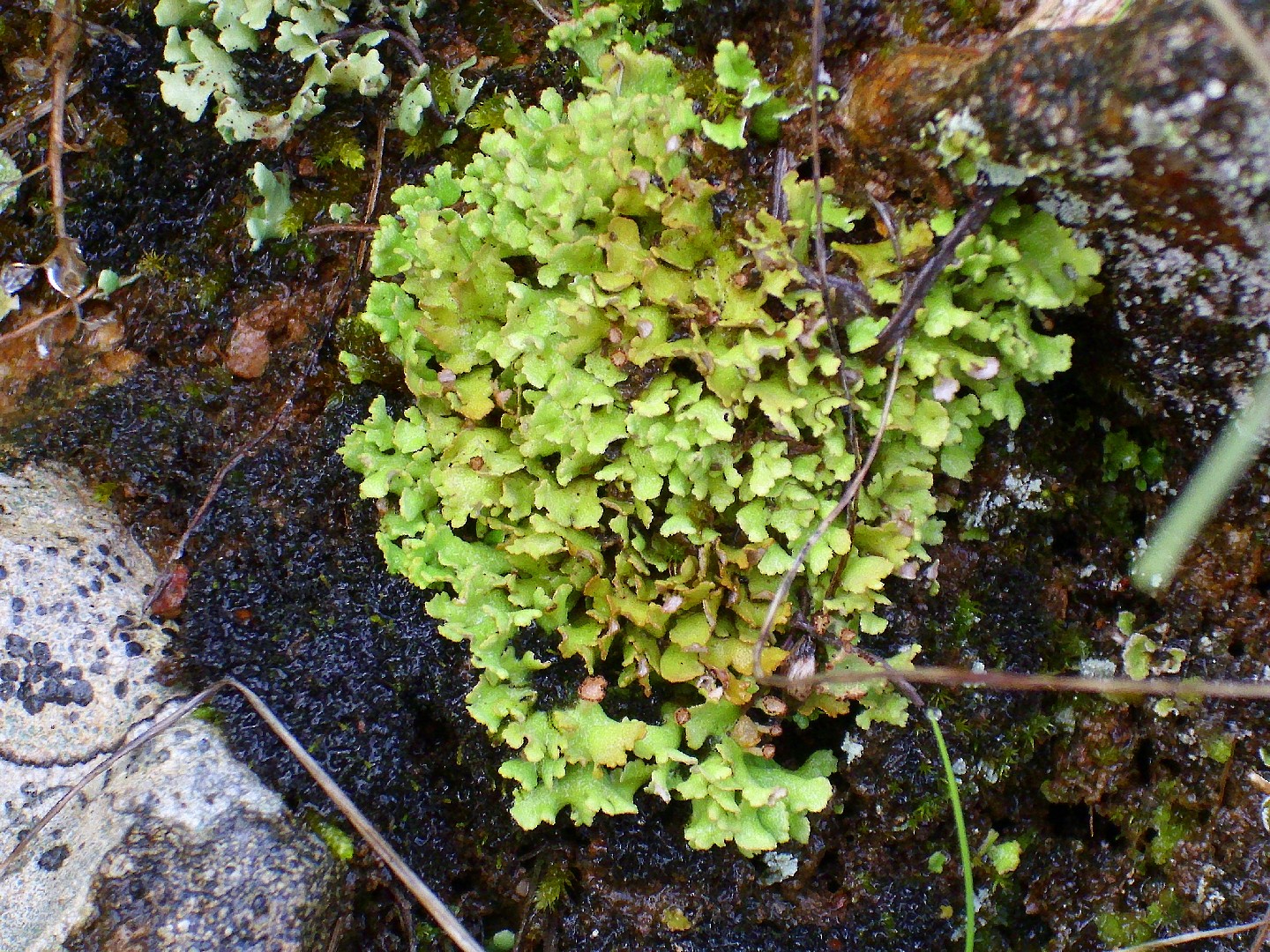
3. Cladonia foliacea
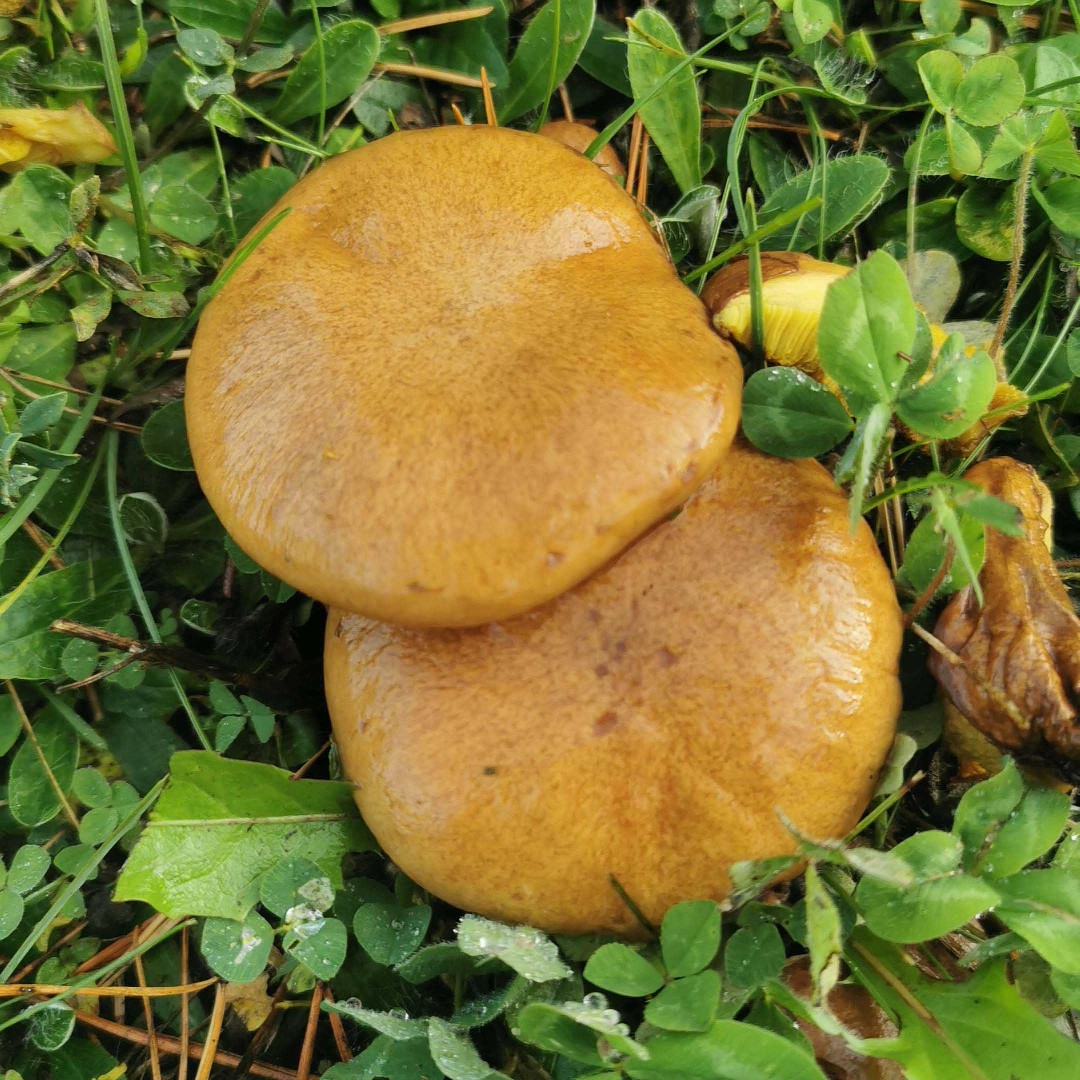
4. Suillus collinitus
Suillus collinitus is a mushroom that grows in a symbiotic relationship with pine trees, particularly the Aleppo pine. This fungus is sometimes introduced to young pine trees to help them to become established in poor soils. It was listed as an endangered species in the United Kingdom, but its 'vulnerable' classification was removed from that nation's Red Data List in 2006.
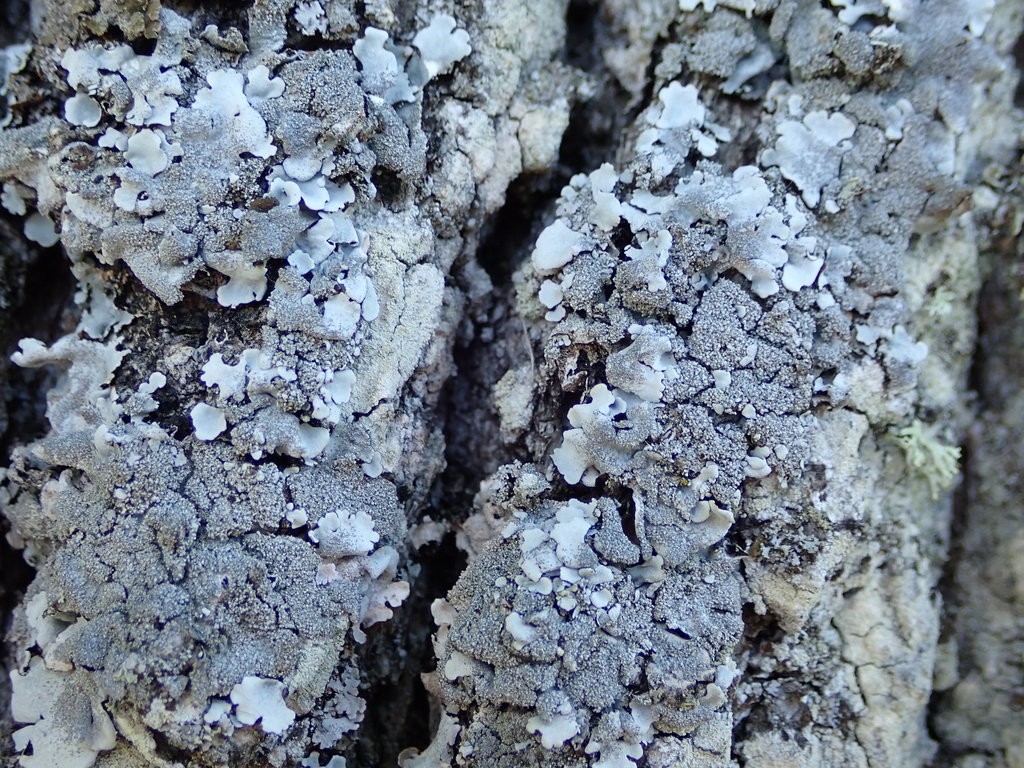
5. Parmelina tiliacea
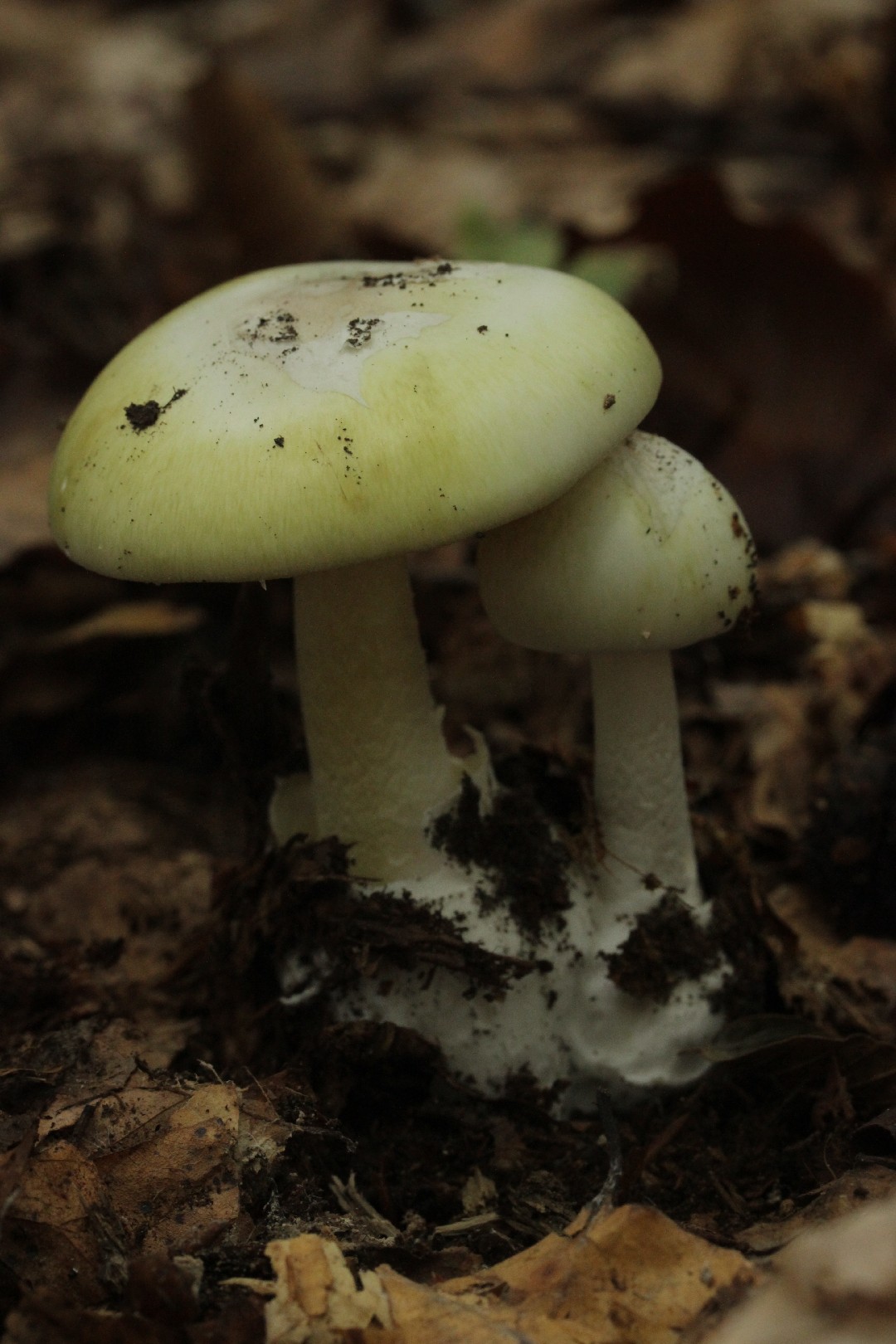
6. Death cap
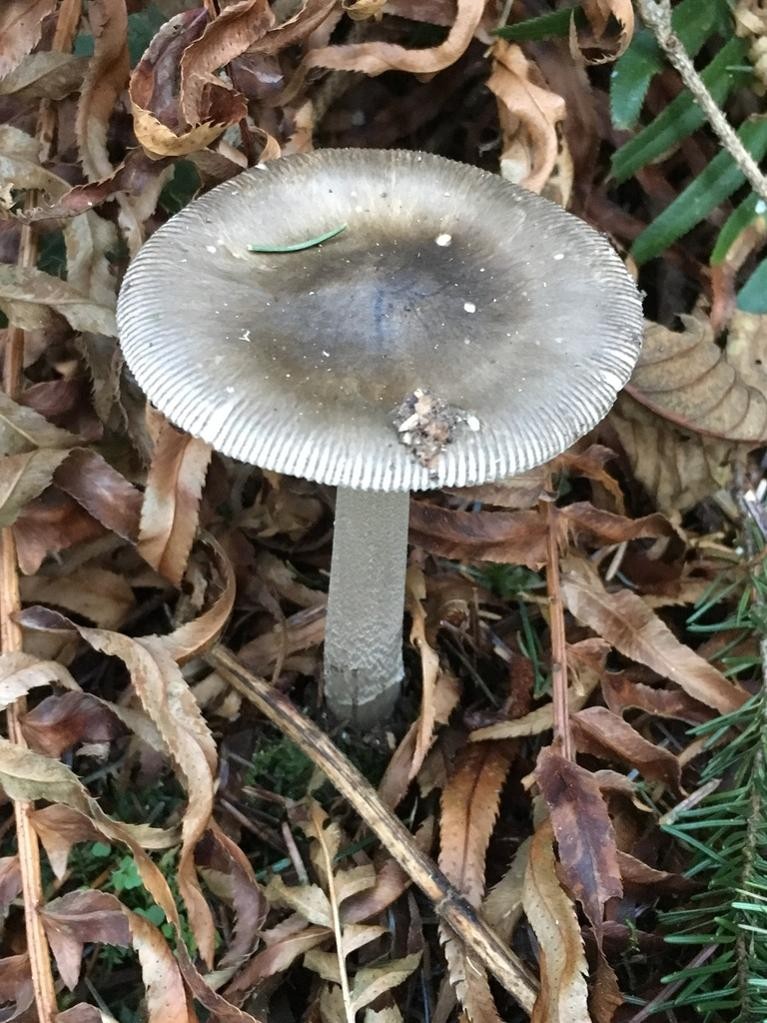
The death cap is responsible for most of the mushroom-related fatalities around the world. Its toxin damages the liver and kidneys, creating symptoms that require hospitalization within hours of ingestion. It looks similar to many other mushrooms at varying stages of its development and has been used in assassinations since the days of the ancient Greeks.
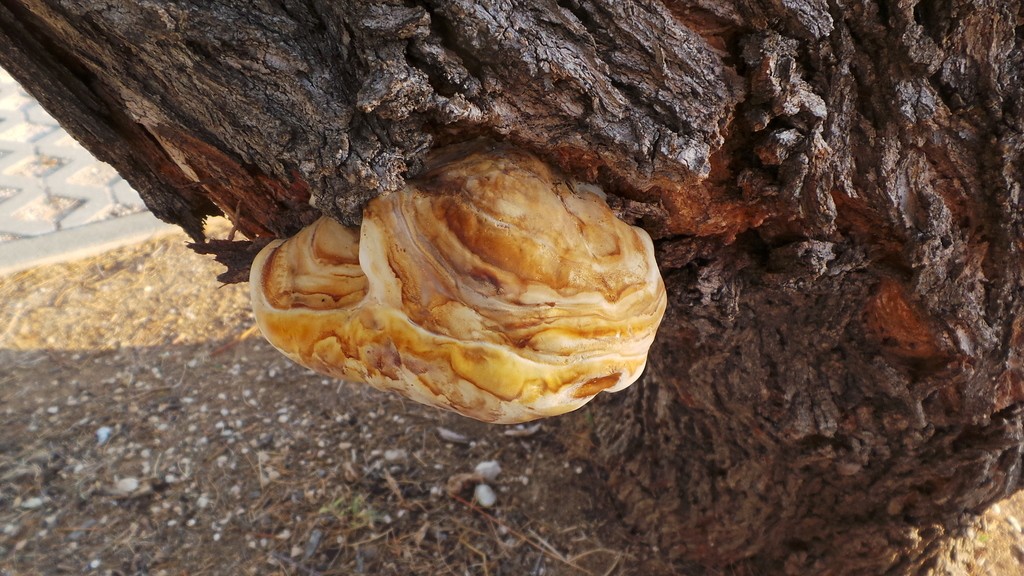
7. Inocutis tamaricis
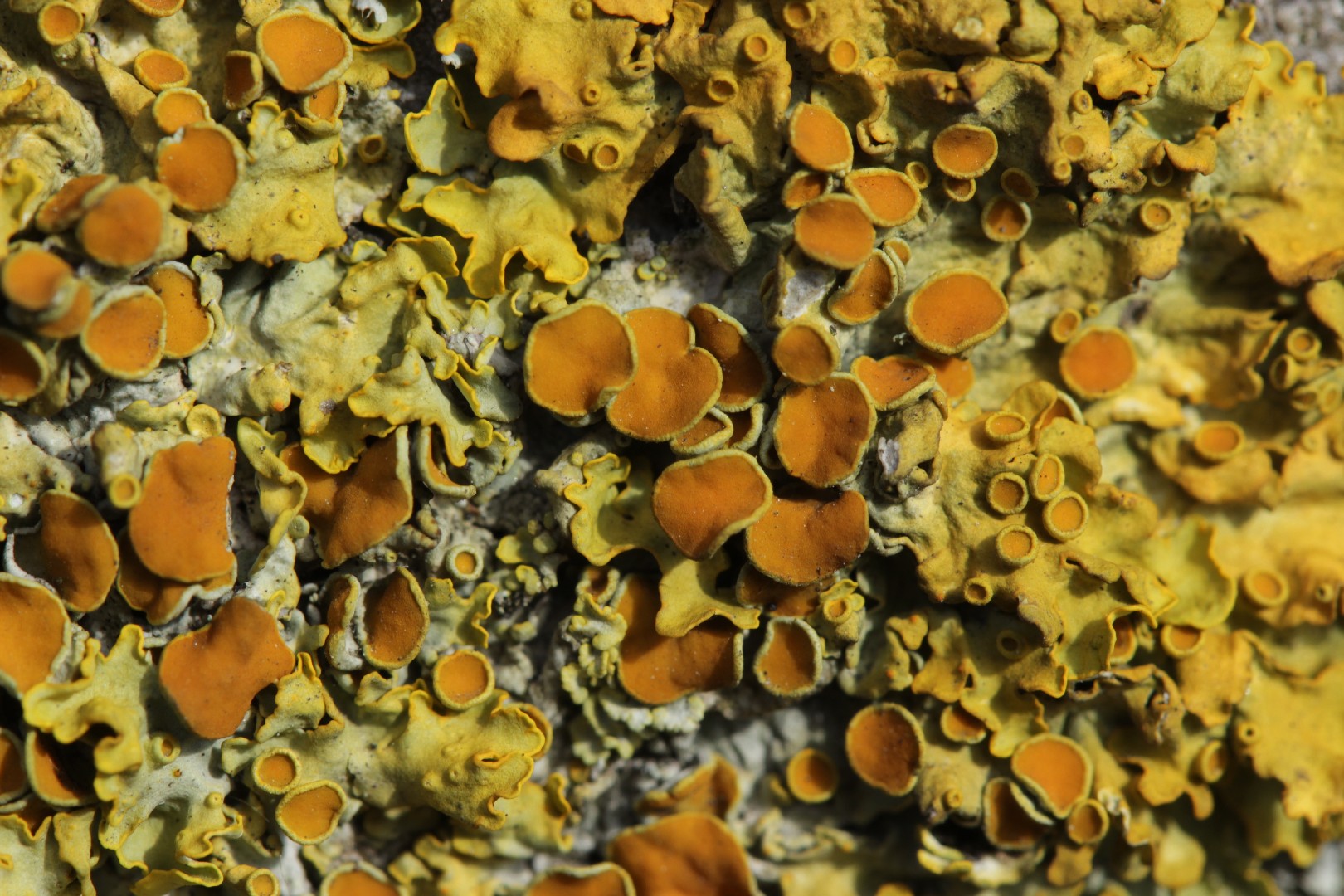
8. Common orange lichen
Common orange lichen was selected in 2006 by the United States Department of Energy as a model for genomic sequencing. Its widespread dispersal and bright yellow-orange color give the lichen its common name. It is primarily found growing on rocks, walls, and tree bark.
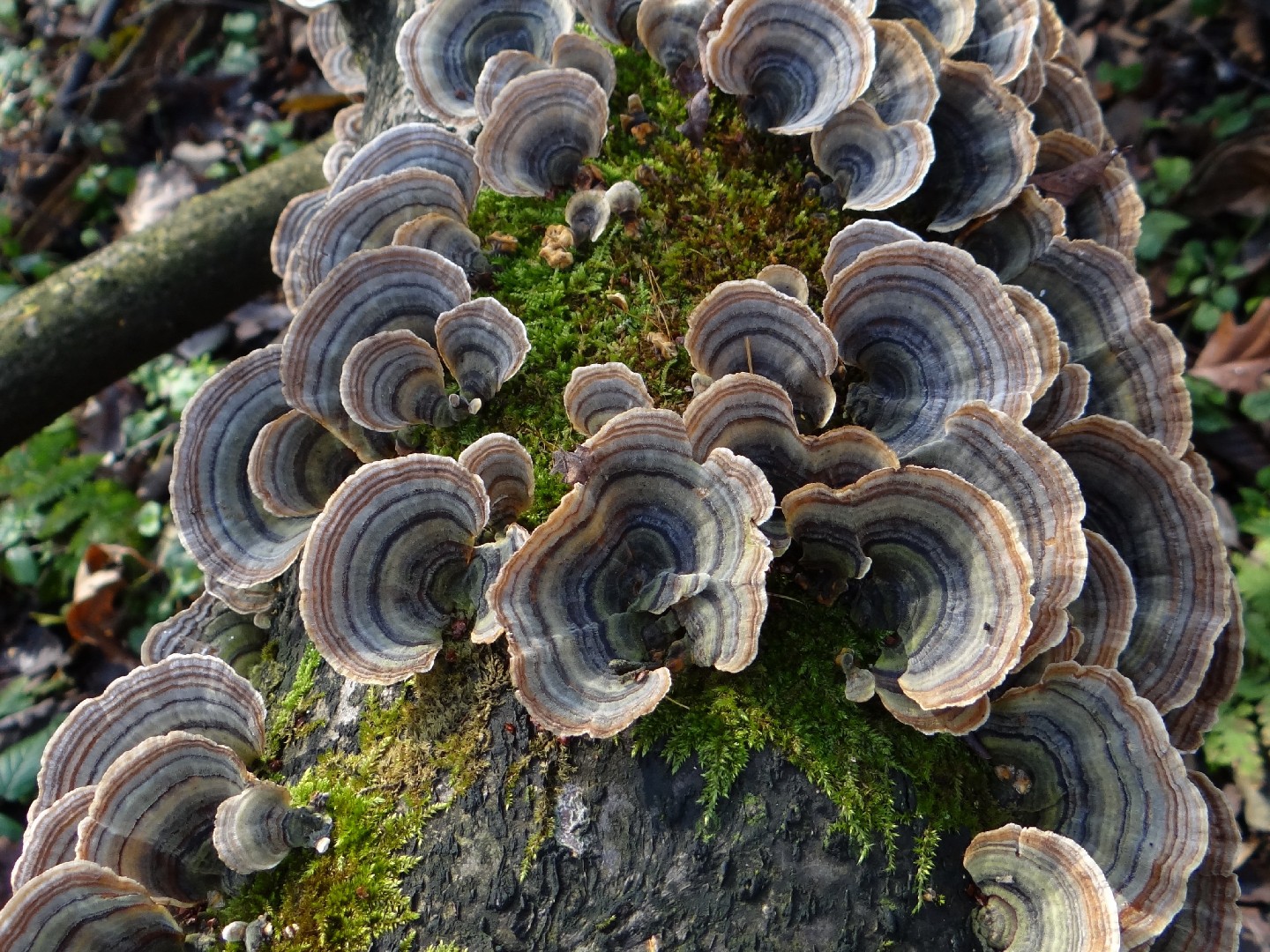
9. Turkey tail
The distinctively-striped turkey tail fungus grows on stumps and logs all over the forests of the northern hemisphere. It is, in fact, probably the most common species you will find. That doesn't mean this mushroom is plain, however; each cap is uniquely patterned. Look for bands of alternating textures as well as color.
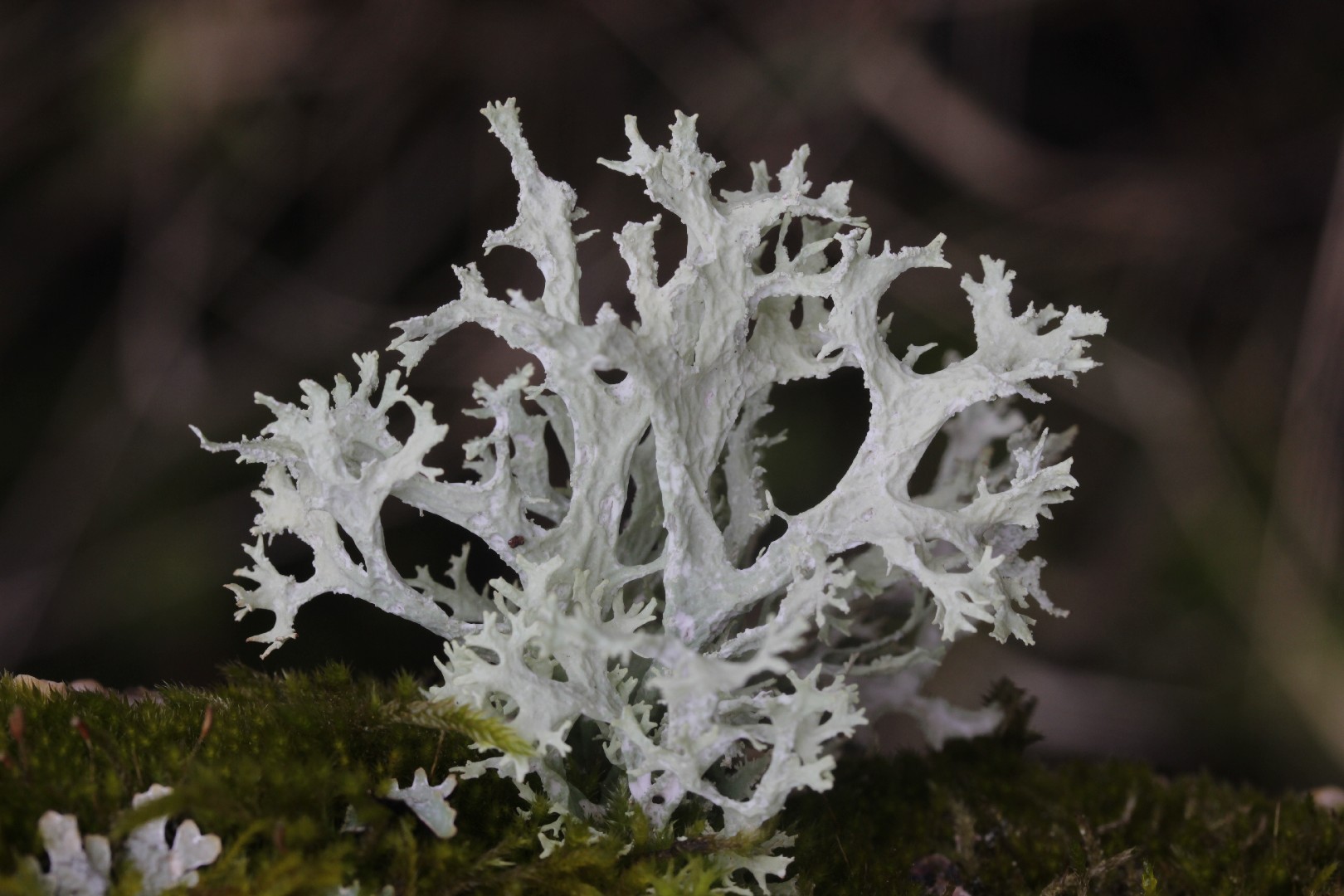
10. Oakmoss
Evernia prunastri grows shrubby on trees. The yellow-green lichen grows up to 10 cm. It consists of up to five millimeters wide shrubby branched bands with a light underside. At the edges of these open dusty (Sorale). Apothecias (with shiny brown disc) are rarely formed.
More







