




Top 17 Most Common Mushrooms in Perth

Most Common Mushrooms
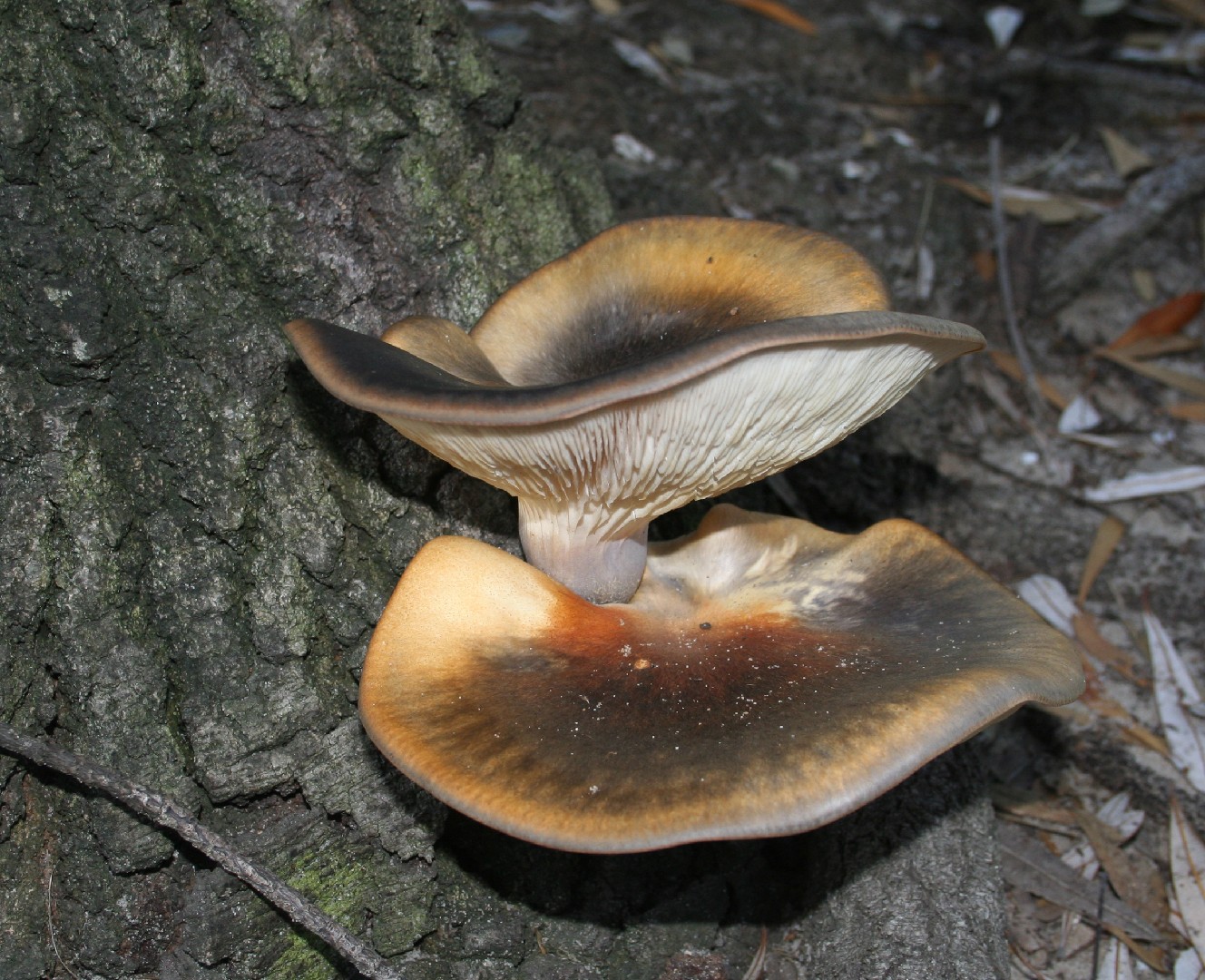
1. Ghost fungus
The ghost fungus is an Australian mushroom, similar in appearance to the well-known Pleurotus ostreatus (the Oyster mushroom). So similar, in fact, that it was even once considered a member of the same genus. But unlike the oyster mushroom, the ghost fungus is not edible, but mildly poisonous instead.
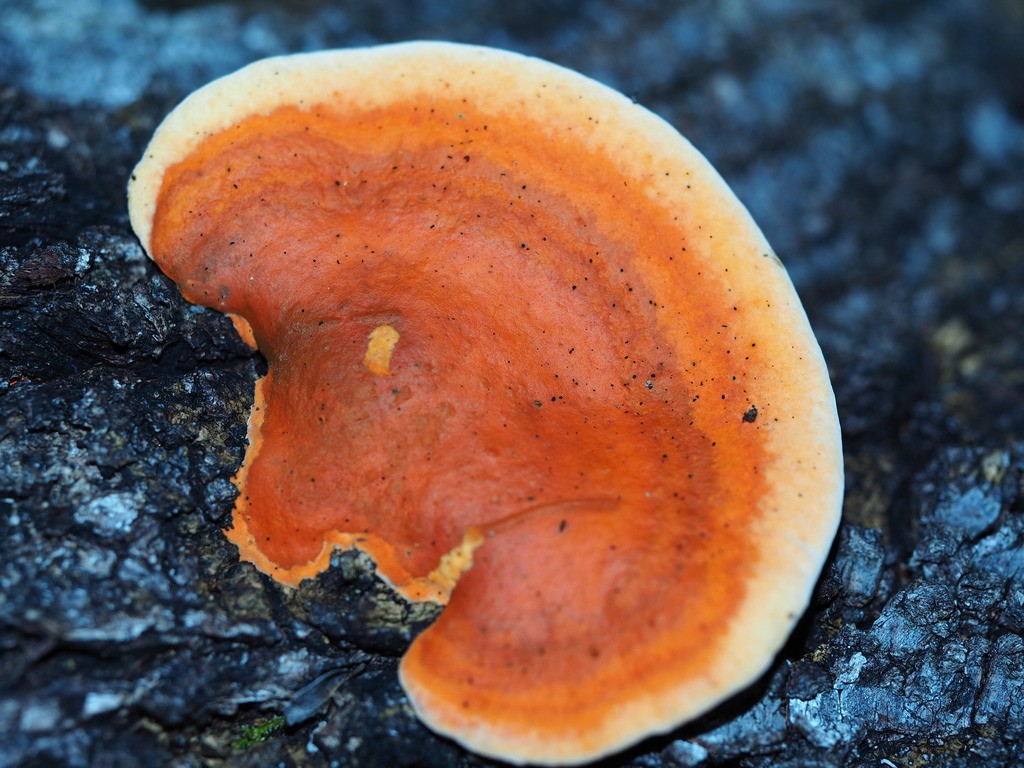
2. Southern cinnabar polypore
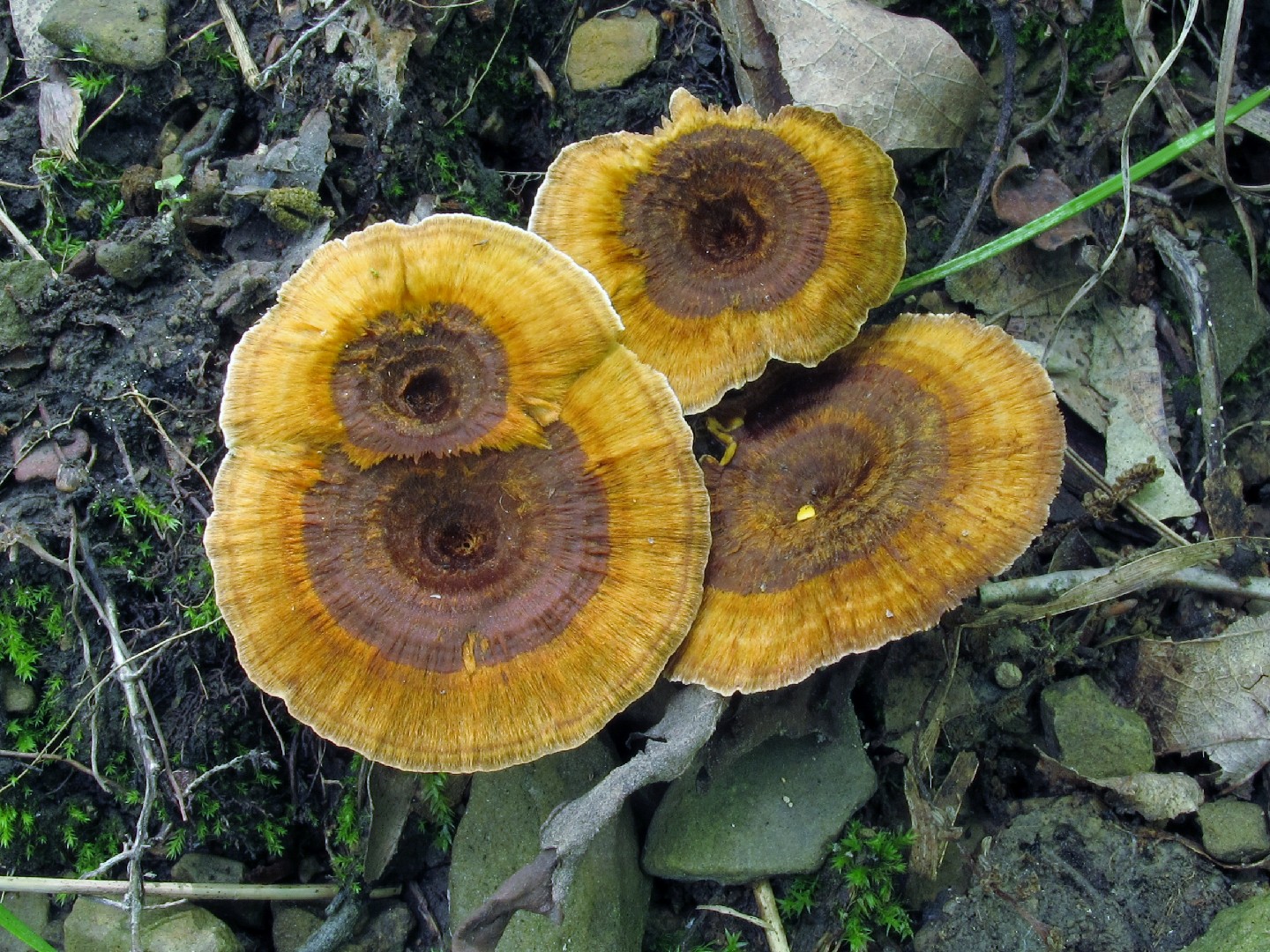
Southern cinnabar polypore grows in a variety of contexts, though it prefers to grow on deadwood near open water sources. This mushroom fruits from the late summer to early winter. True to its name, young southern cinnabar polypore has a bright orange color that's similar to cinnabar but may fade in older age.
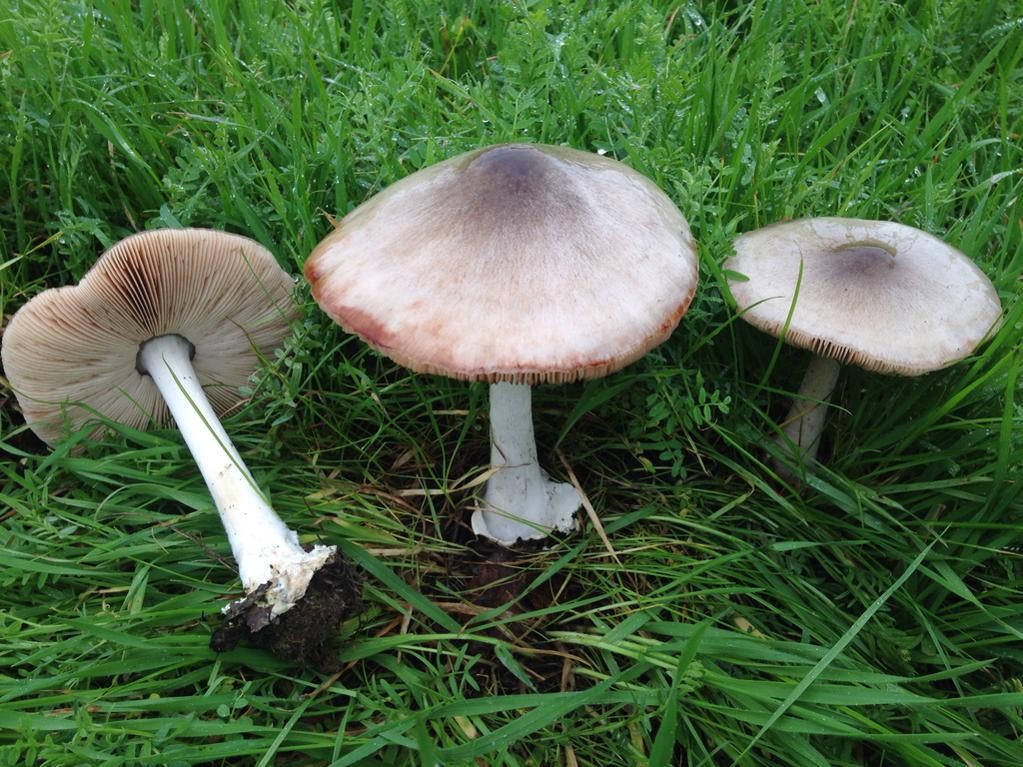
3. Big sheath mushroom
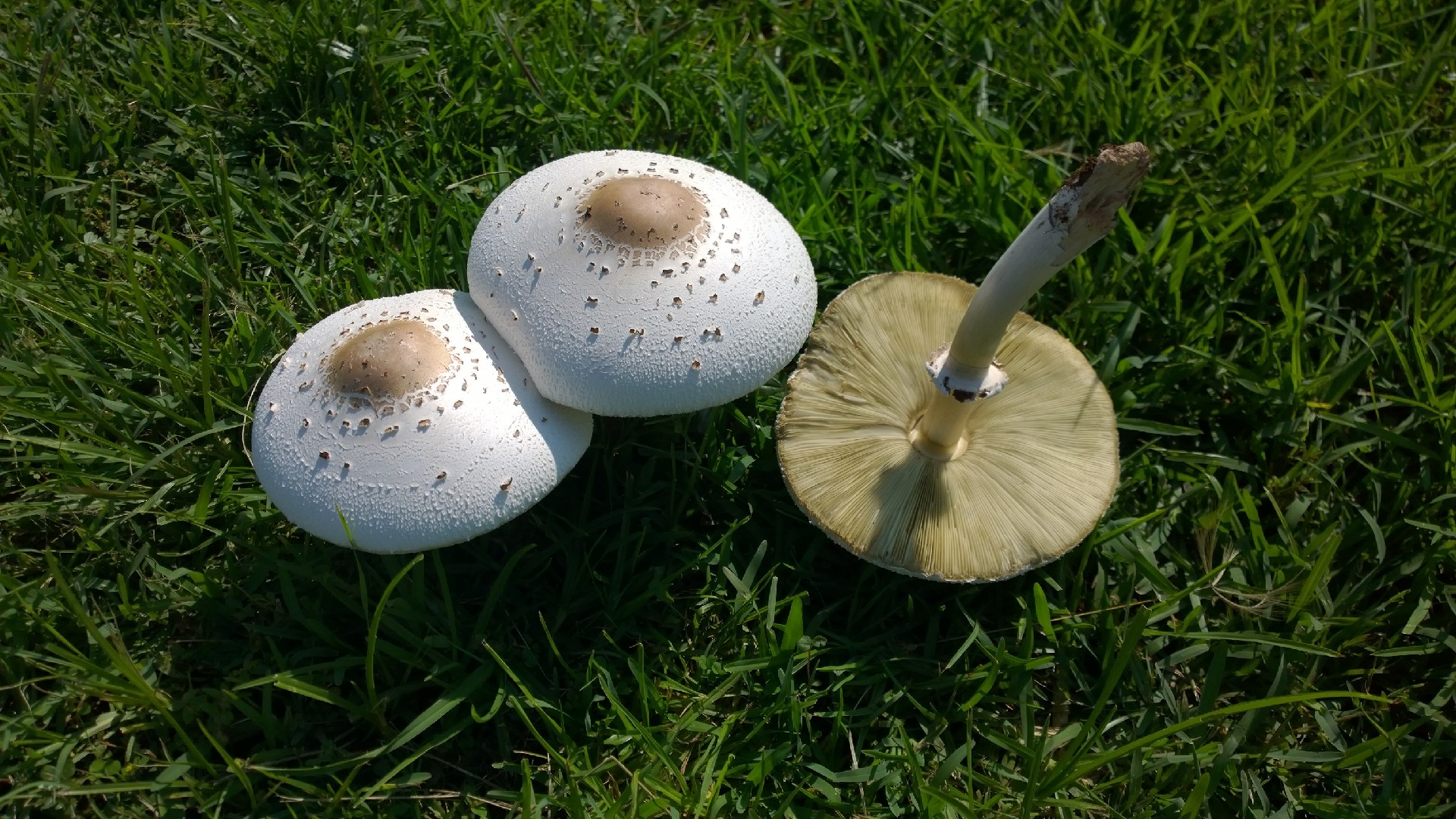
These large white mushrooms bloom all over cleared, harvested fields, as well as pastures and roadsides. The scientific species name comes from Greek words meaning “glue” (glioio) and “head” (cephalus), in reference to the sticky surface of this mushroom’s cap. The big sheath mushroom looks so similar to the poisonous Deathcap and Destroying Angel mushrooms that it should always be left alone.
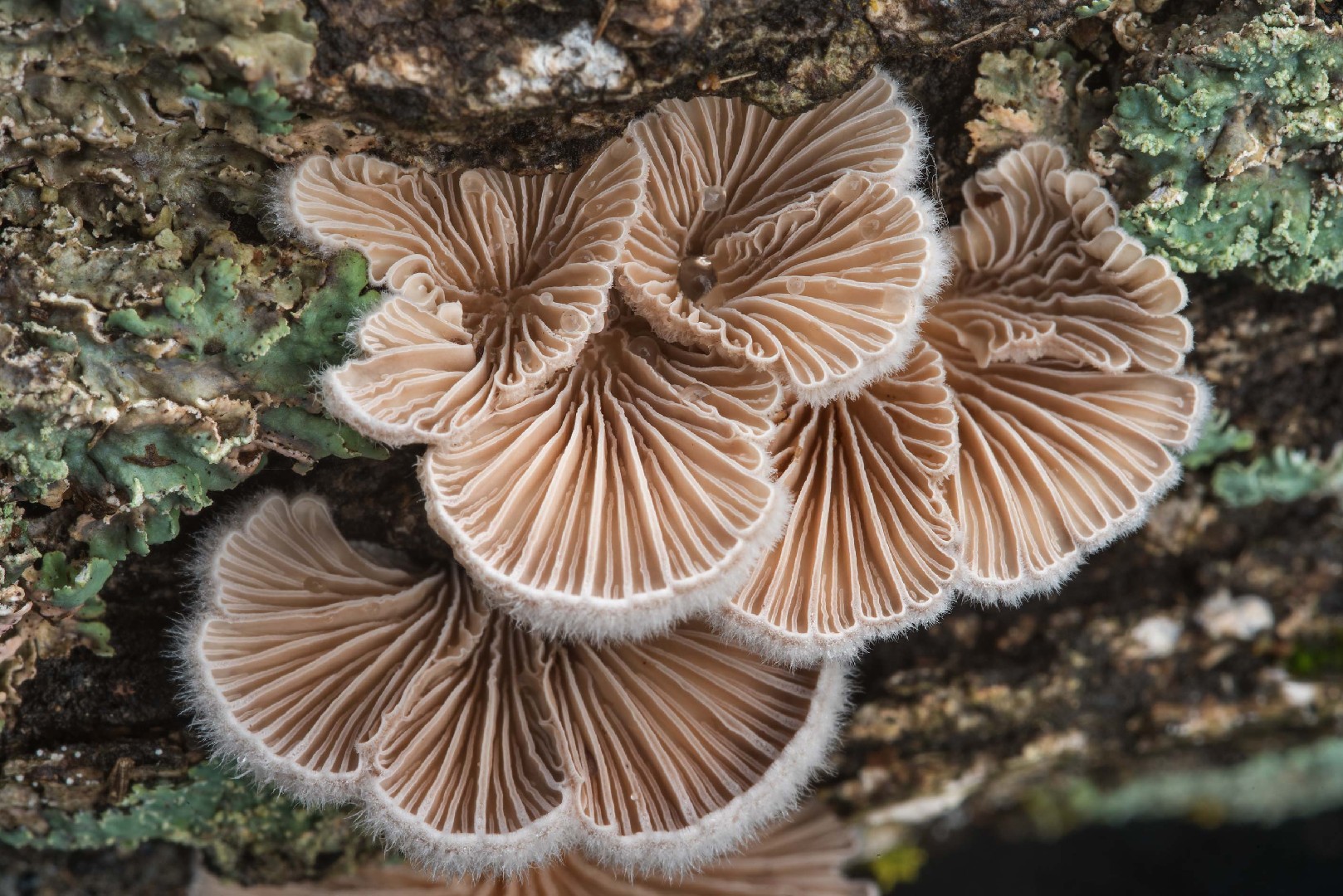
4. Split gill
Split gill(Schizophyllum commune) can be found across the globe. Uniquely, it is the only mushroom species known to display the capability to retract by movement. It is considered inedible, although not necessarily toxic. Furthermore, it is not recommended to smell this species, as the spores are capable of sprouting and growing in nasal passages.
5. Vermilion grisette
6. Yellow fieldcap
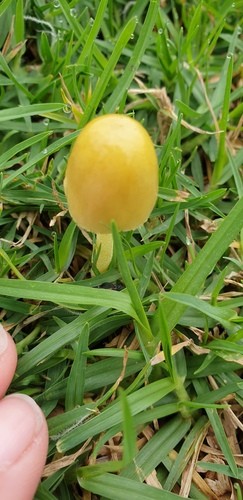
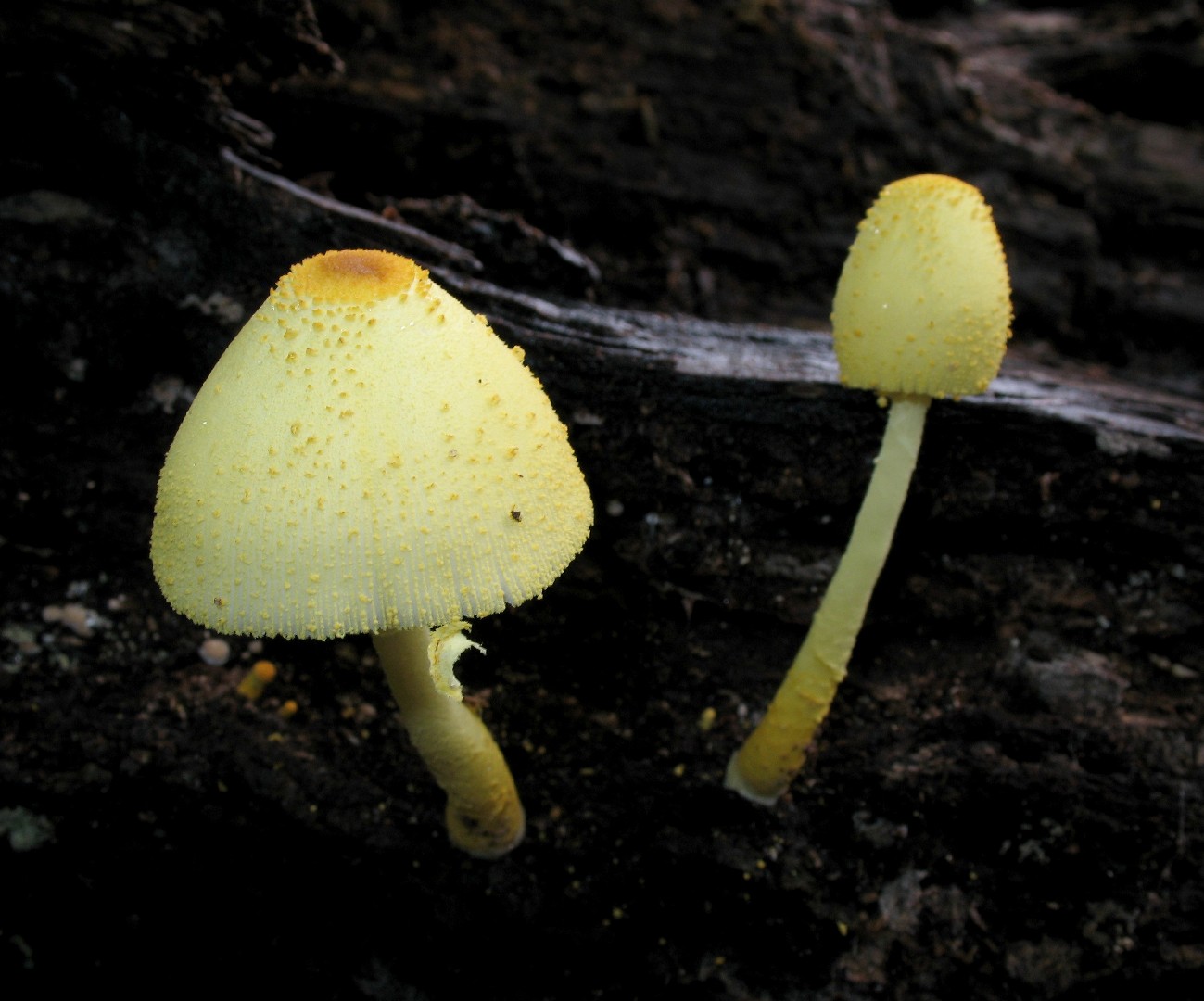
Yellow fieldcap can be found across Europe and North America, with dung patties or heavily-manured fields being its favorite fruiting habitat. The species sometimes goes by the common name Yellow Fieldcap because its young cap sports a bold yellow or golden hue (that color often fades as the mushroom cap matures and flattens). Yellow fieldcap is not know to be edible.
7. Gymnopilus allantopus
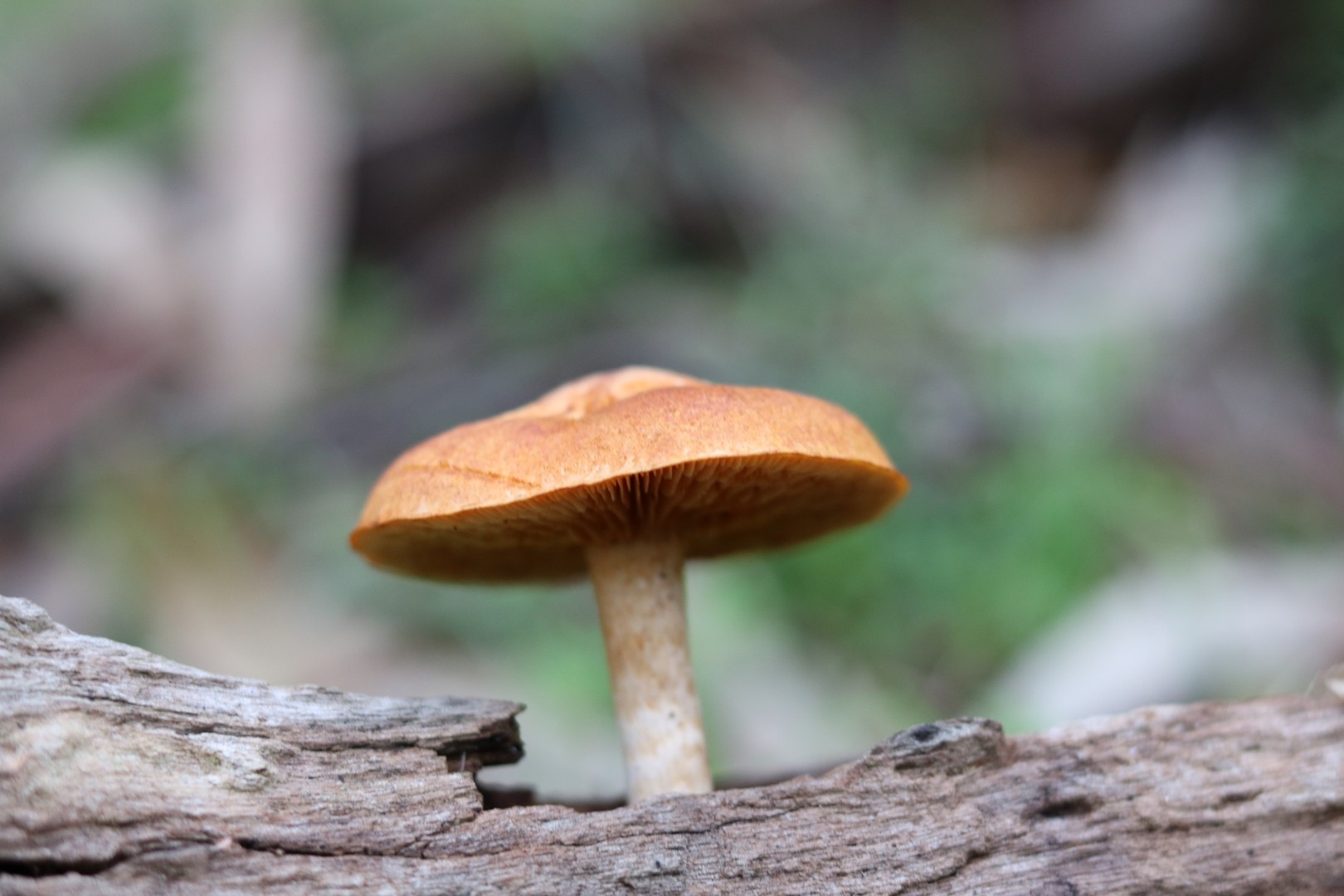
Australia: Gymnopilus allantopus is extremely common in the Perth region most often seen on fallen Banksia logs and branches. It is a decomposer fungus occurring on a wide range of rotting logs stumps and woody debris. The Golden Wood Fungus produces fruit bodies over most of the main local Australian fungus season – spring to summer and also produces masses of fan-like white thread in the wood that can be seen any time of the year. The best way to see the fans is to lift off a strip of bark to reveal the underlying threads amid the soft white-rotted wood. The fungus is easily identified in the field by its bright gills that develop rusty spots when old white flap on the margin of young caps and white fan-like mycelium. It has a bright ochre brown spore print. Most often the fruit bodies have a straight stem but if the specimens emerge from the side of a log the stem curves upwards. . Gills bright orange-yellow. Young caps with white flap on margin. Abundant white fan-like threads in rotting wood. Cap: 10–40 mm. Spore print: ochre brown.
8. Beefsteak fungus
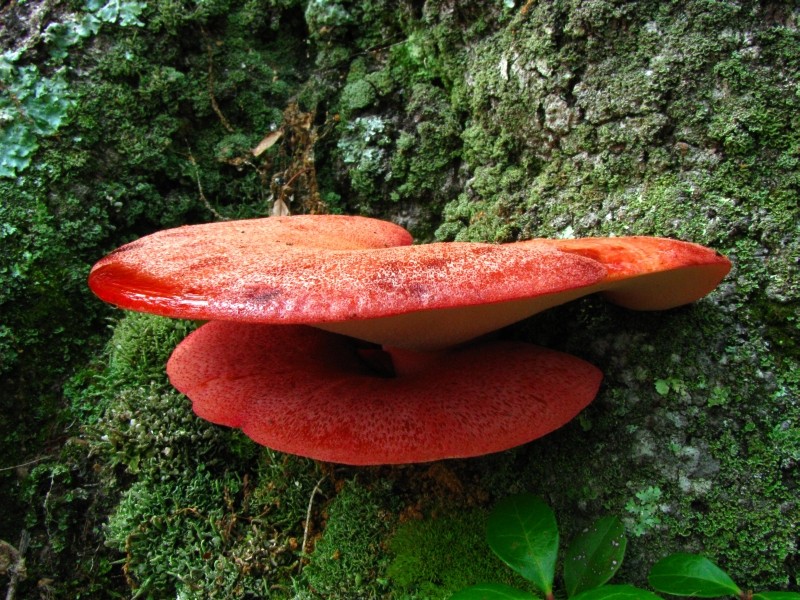
Beefsteak fungus(Fistulina hepatica) is an unusual fungus that visually resembles a slab of raw meat; cutting into it will cause a discharge of thick red liquid resembling blood, adding to this resemblance.
9. Witches' butter
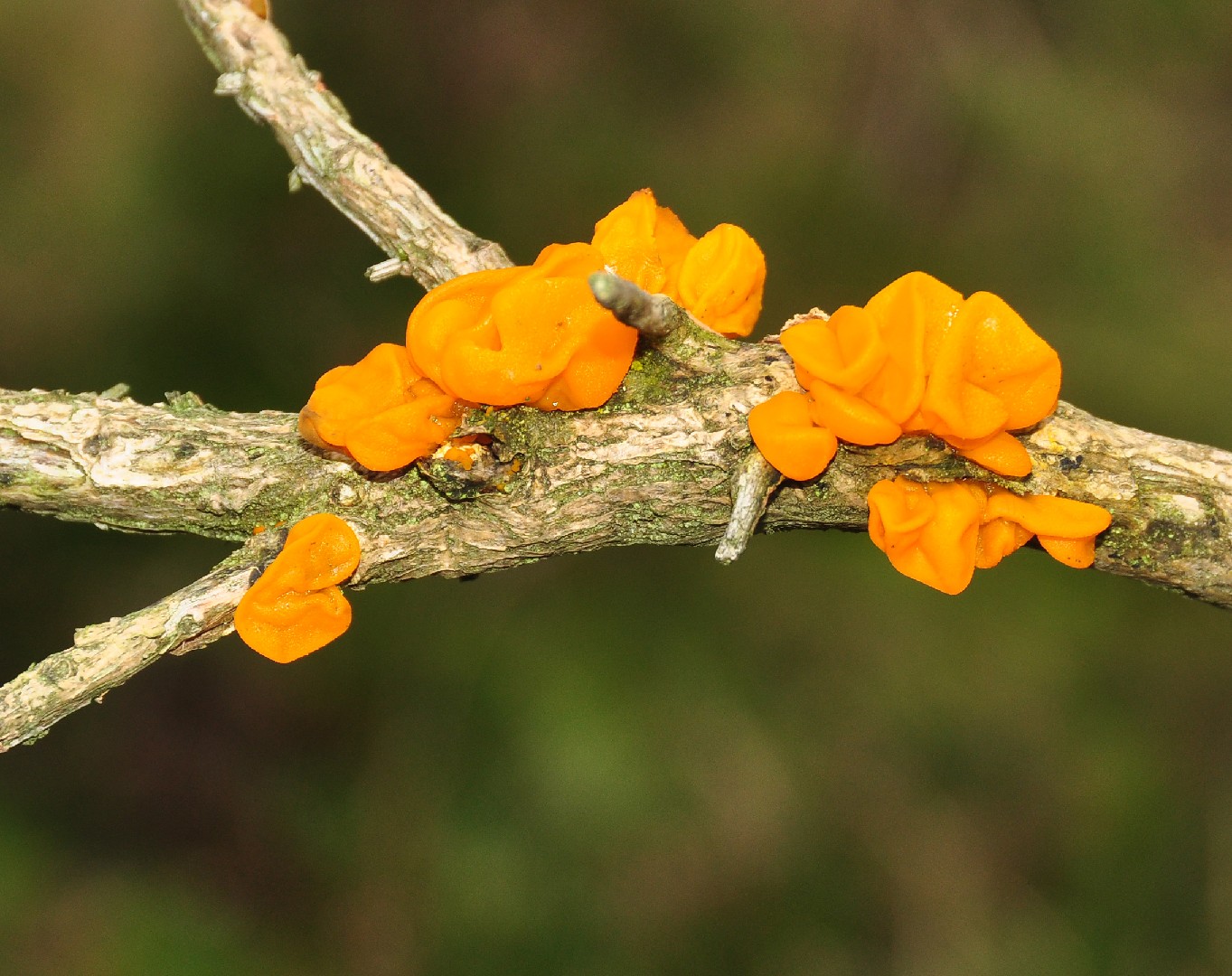
Witches' butter (Tremella mesenterica) has an irregularly-shaped fruitbody that can be found growing on dead hardwood branches. It has a global distribution, being found in both temperate and tropical forests. Usually yellow in color, its hues may range from subdued lemon to bright canary.

10. White punk
Traditionally, Aboriginal Australians and New Zealand Māori people have found the white punk quite useful as tinder to start a fire. The mushroom is mostly related to the beech trees and it's commonly situated high up on trunks.


More







